

If you’re aiming to practice interior design in Louisiana, you’ve probably heard about the importance of a Louisiana interior designer seal. This official seal is not there for show, it’s a key piece of your licensure, helping validate your professional credentials and demonstrate your adherence to state regulations. In this guide, I’ll walk you through what the seal is, why you need it, and how to get everything arranged so you can focus on doing what you do best: creating beautiful, functional spaces for your clients.
By the end of this article, you’ll understand the seal requirements and pick up a few insider tips for maintaining compliance in a straightforward, hassle-free way. Let’s dig into the basics together.
Understand The Louisiana Interior Designer Seal Requirements
Before you begin, it helps to know exactly what you’re signing up for. Louisiana has specific rules governing who can call themselves an interior designer and where, when, and how to use your official seal.
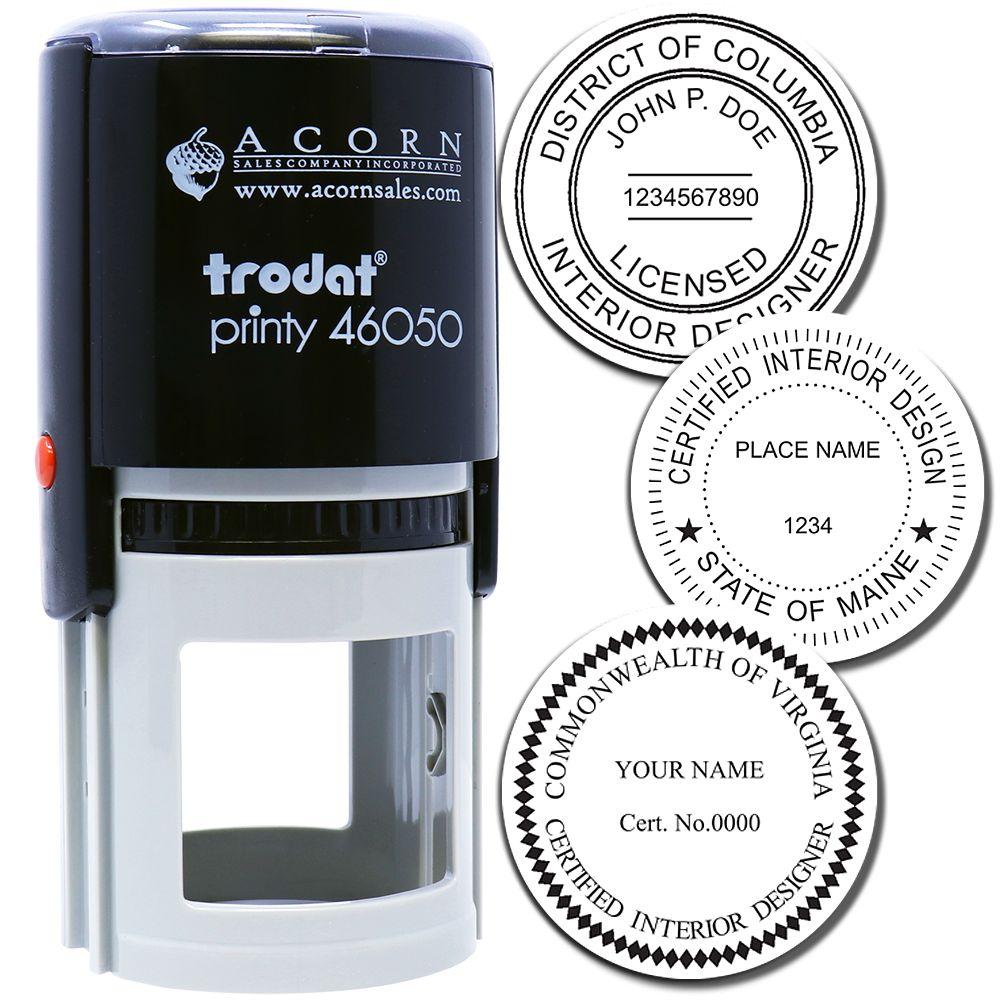
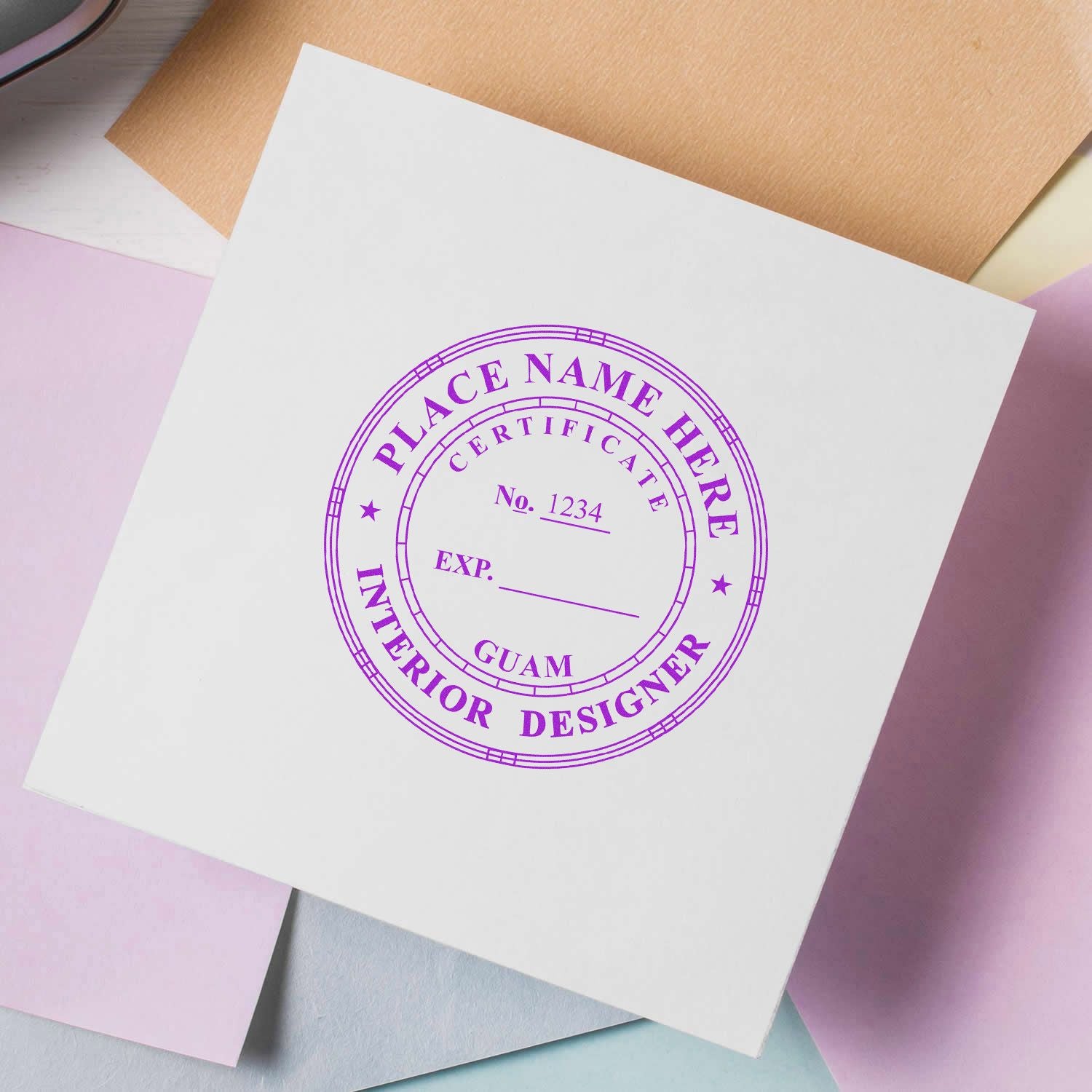
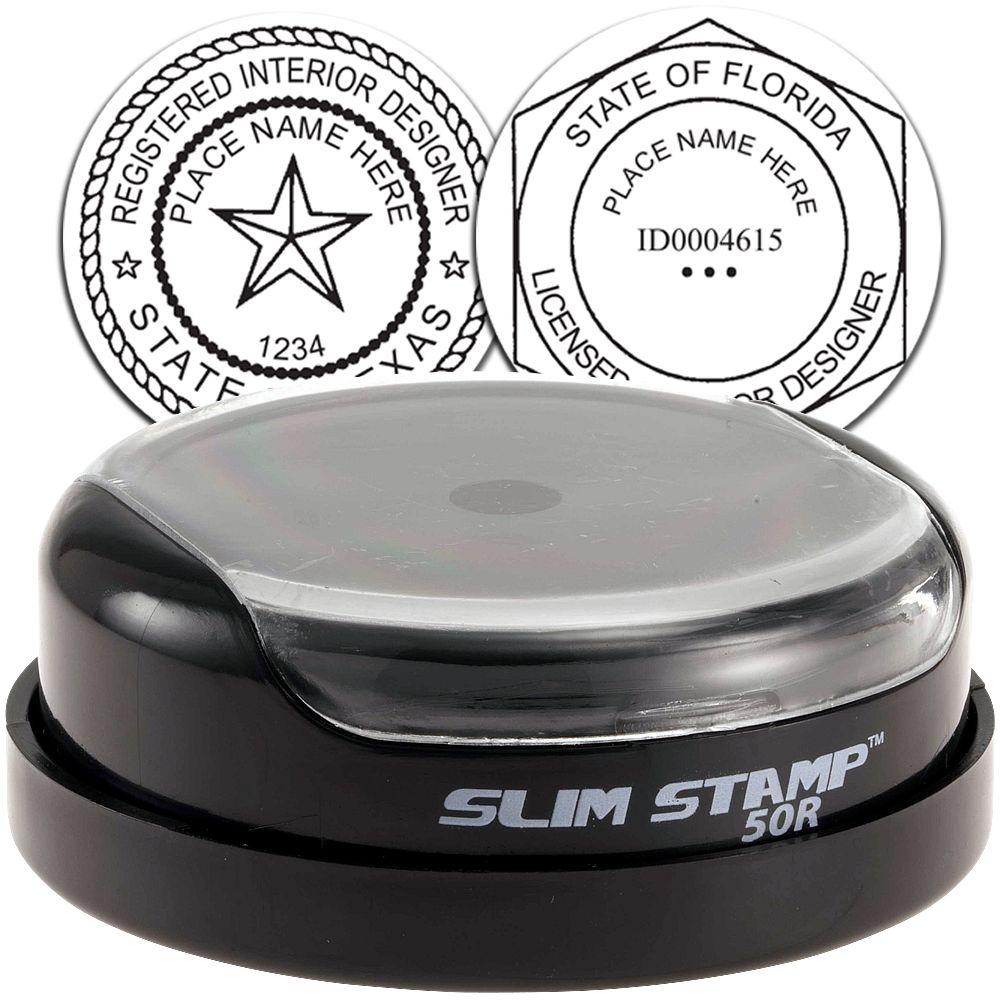
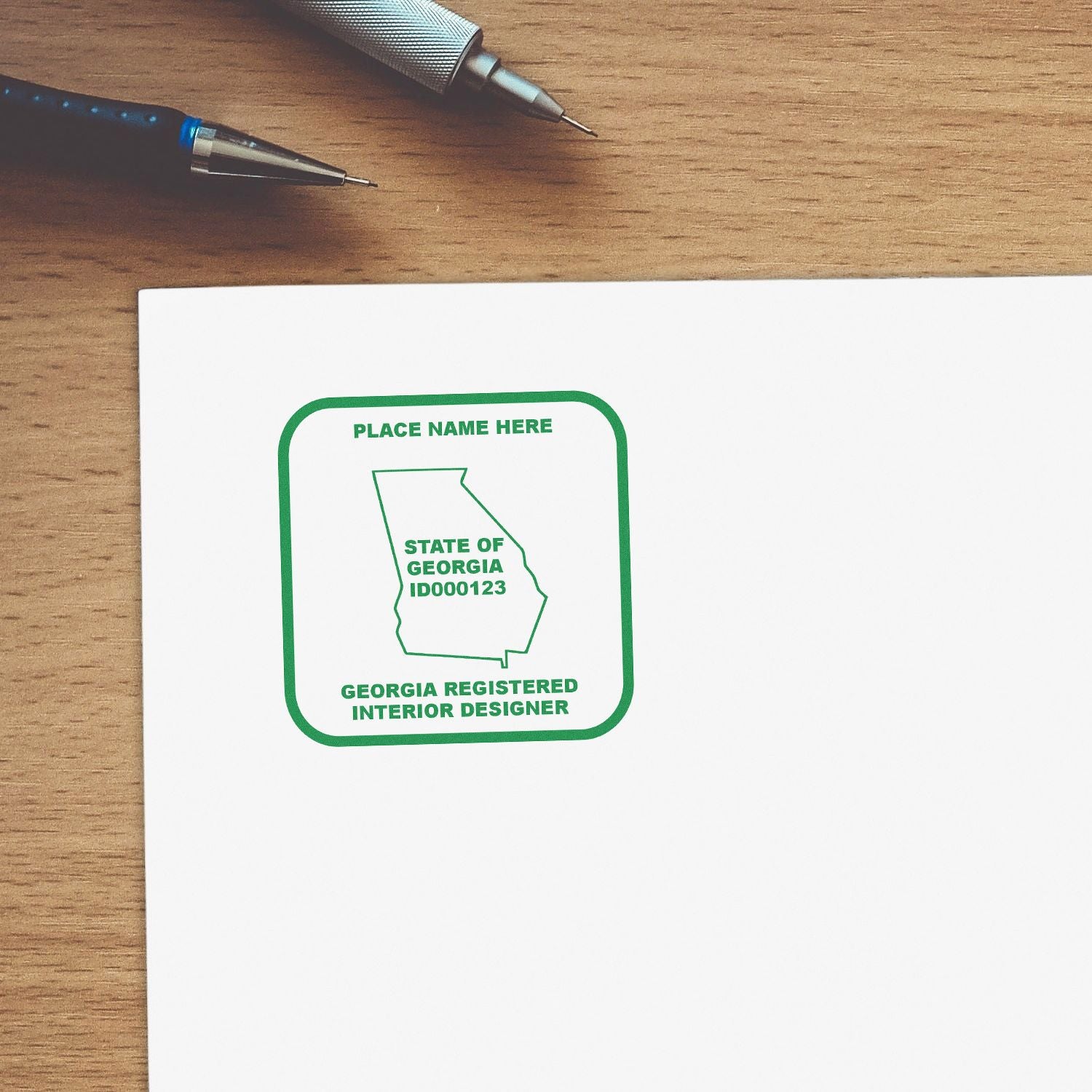
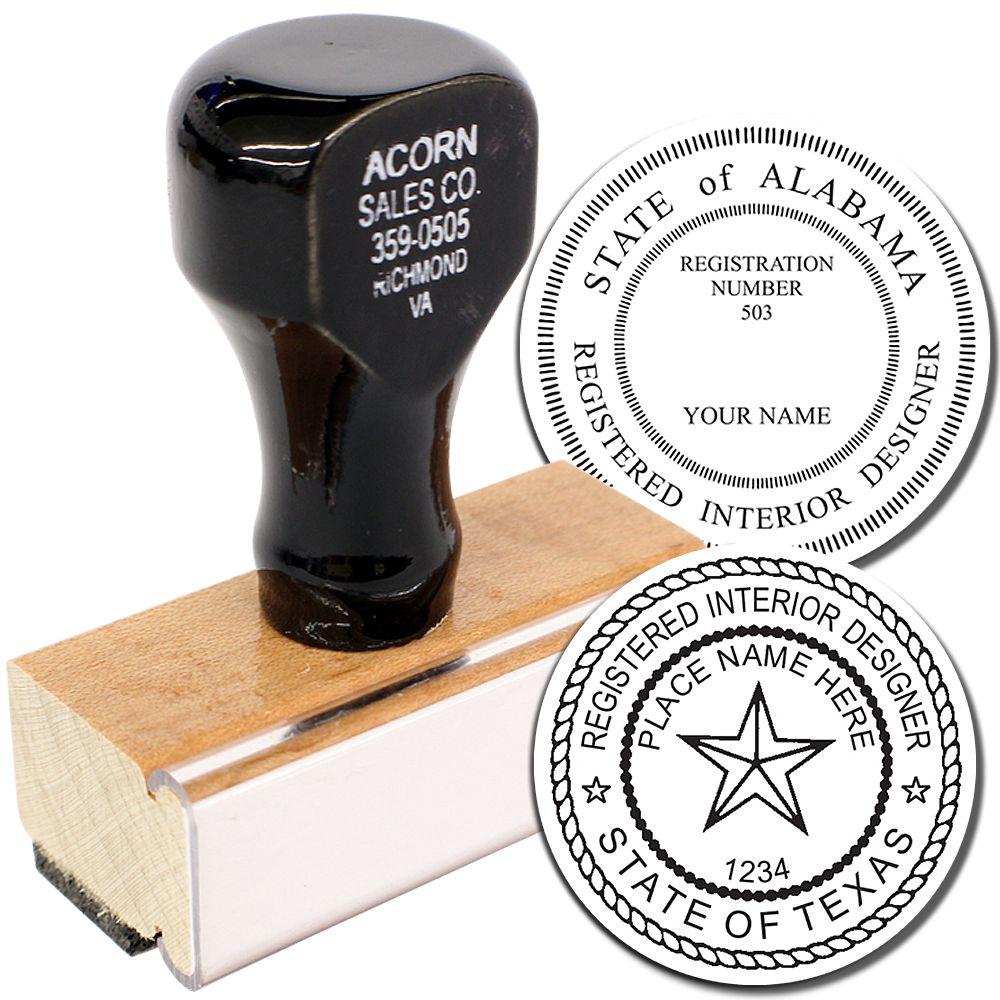
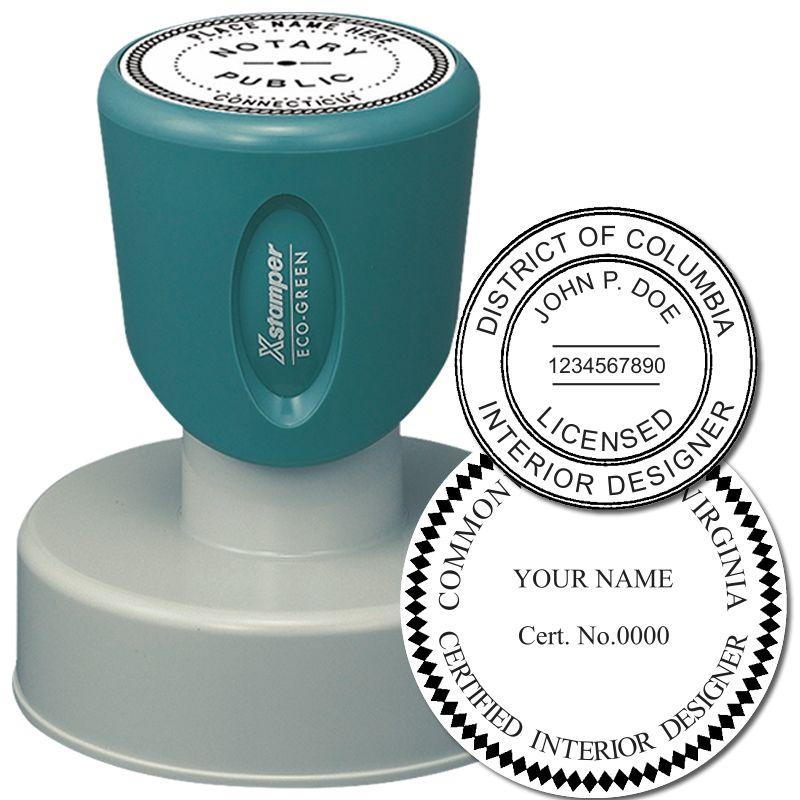
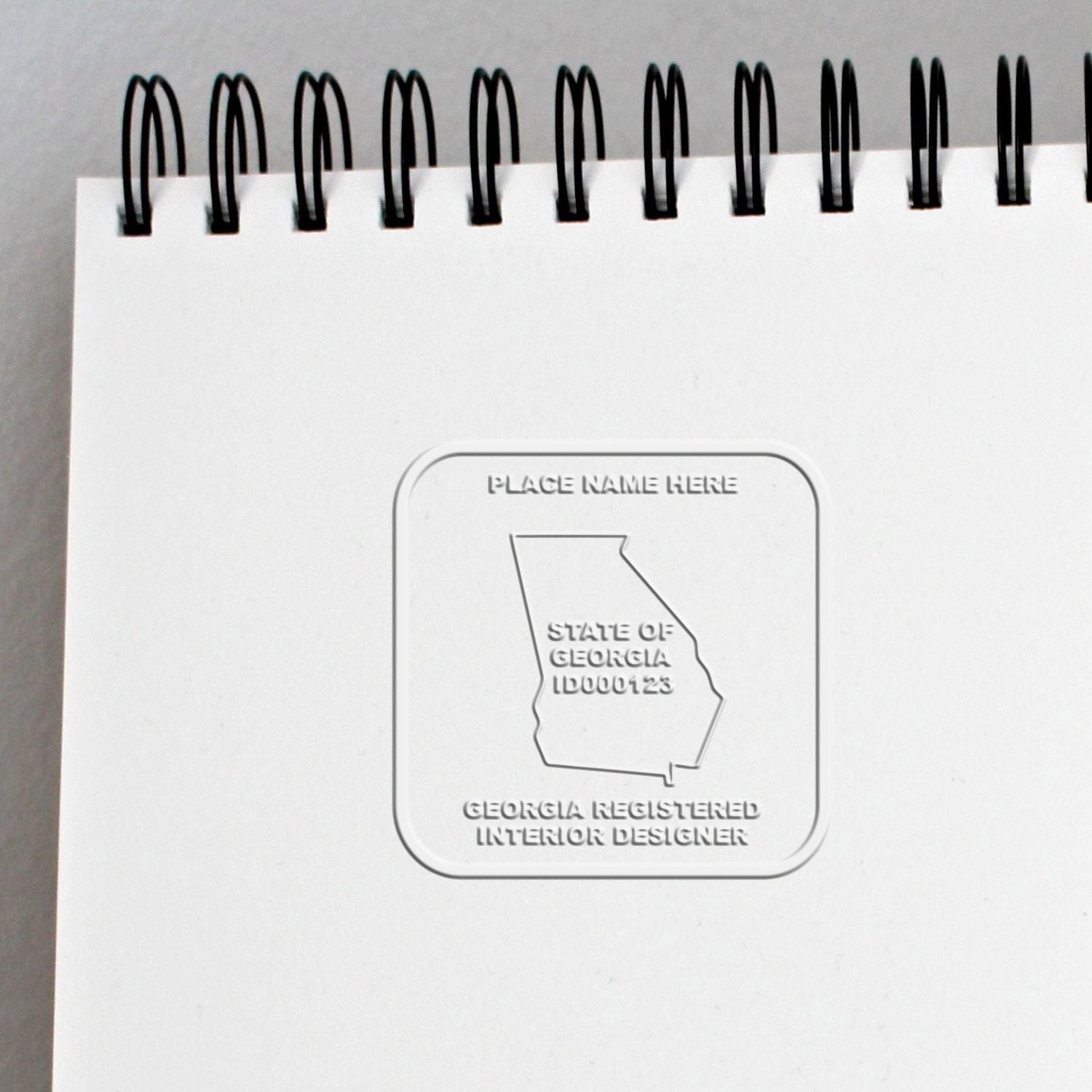
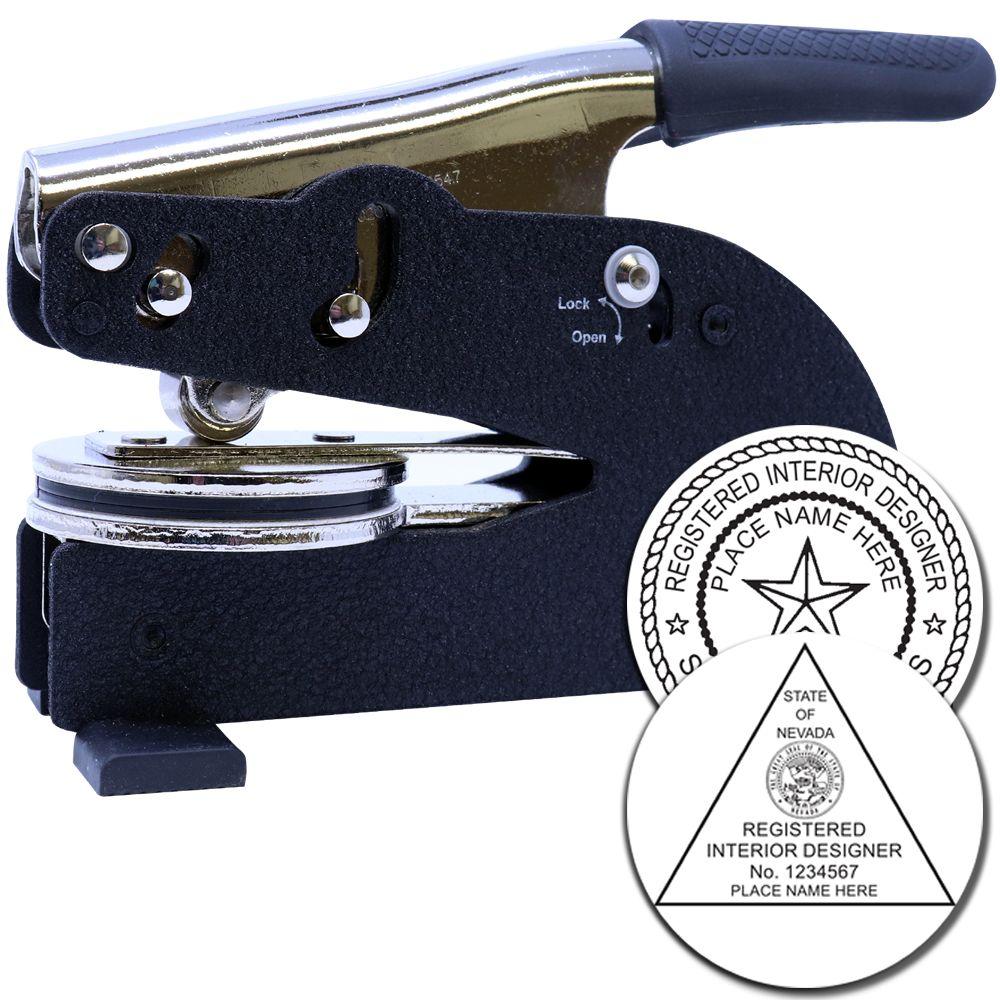
- The seal is a stamp or electronic image that features your name, license number, and the state’s prescribed design.
- You’ll typically apply it to technical drawings, specifications, or design documents that require your certified approval.
- Each sealed document confirms that you are the responsible interior designer, attesting to the professional standard of the work.
It’s easy to assume that once you hold a license, you can just stamp your name on anything. But here’s the thing, your seal is official. You want to be sure you fully meet the state’s expectations for every project you take on. The seal confirms you have demonstrated the necessary qualifications and are authorized to practice in Louisiana. It also reassures clients that they’re working with someone who adheres to professional guidelines and ethical norms.
Additionally, remember that seal requirements can evolve. It’s always wise to check updates from the state board so you never miss a regulation change. Laws vary among states, and what’s right for your Louisiana interior designer seal may not be identical in another region.


Licensing And Application Process
If you’re new to obtaining a professional interior design license in Louisiana, a clear path can make the task far less intimidating. While the exact administrative details may shift occasionally, here’s a typical sequence you can expect:
-
Complete Education And Experience
Most applicants will need to graduate from a program accredited by the Council for Interior Design Accreditation (CIDA) or a similar recognized body. After that, there’s usually a work-experience requirement, often under the supervision of a licensed interior designer or architect. Make sure to keep detailed logs of your work hours, as you may need to submit these for state review. -
Pass The National Exam
Many states, including Louisiana, require you to pass the NCIDQ (National Council for Interior Design Qualification) exam. This test covers design application, building systems and codes, professional practice, and more. Your passing certificate often becomes part of your license application package. -
Submit Your Application
Once you have your education and exam credentials in hand, it’s time to submit an official application to the relevant Louisiana board or agency. Be prepared to fill out forms, pay required fees, and provide proof of your qualifications. -
Await Approval And Issuance
After reviewing your materials, the board will let you know if more documentation is required or if your license is approved. At that point, you’ll be assigned a license number, which will appear on your seal.
In other words, the seal is the final step in a sequence of professional hurdles. It’s the visual validation that you hold the necessary qualifications. As soon as that license is in hand, your next step is to secure an official seal or stamp.
Proper Usage Of Your Seal
So, you’ve got your license, and you’ve put in an order for your newly minted Louisiana interior designer seal. Now comes the practical side: knowing precisely when and how to use it. You don’t want to stamp every last document, but you also don’t want to withhold it when it’s mandatory.

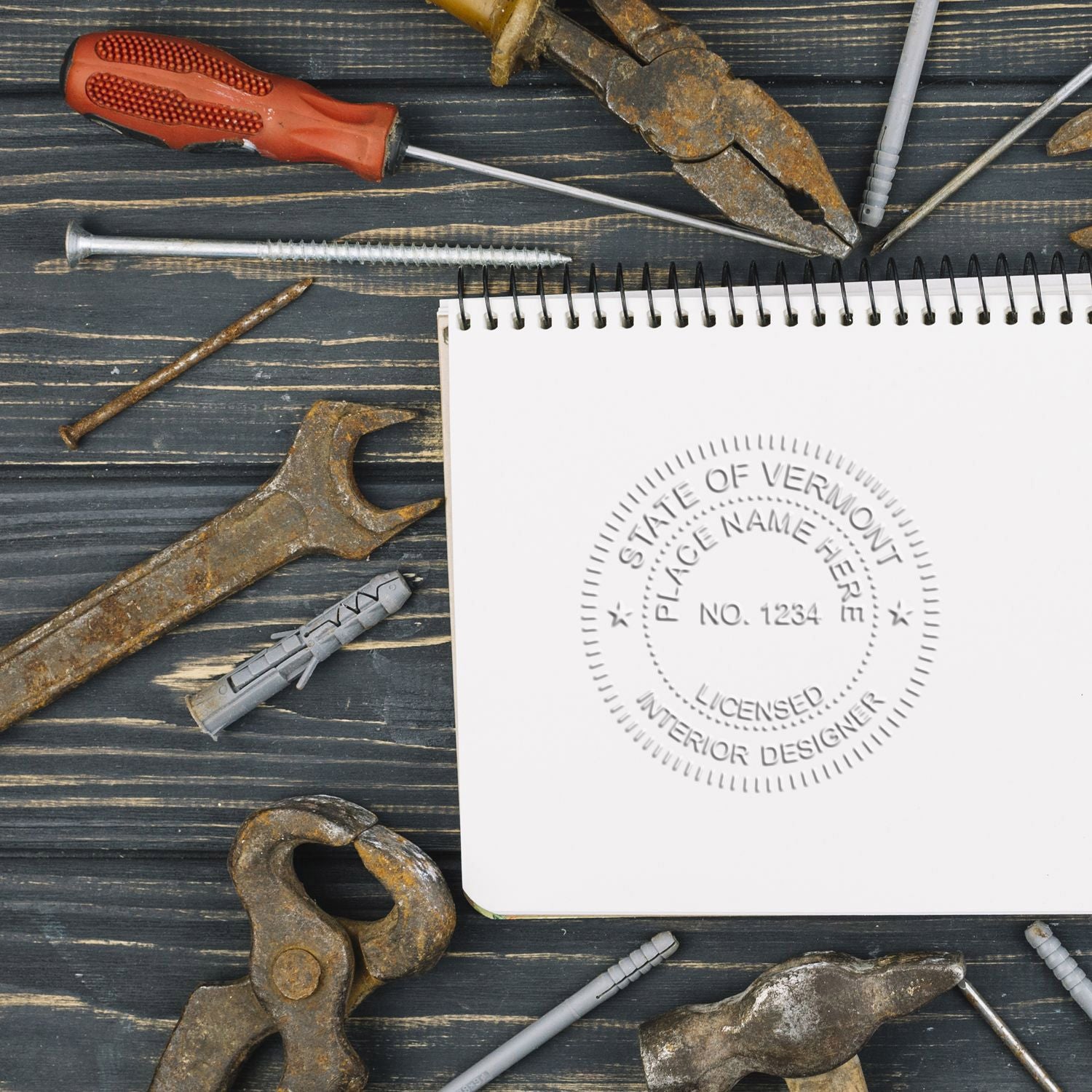

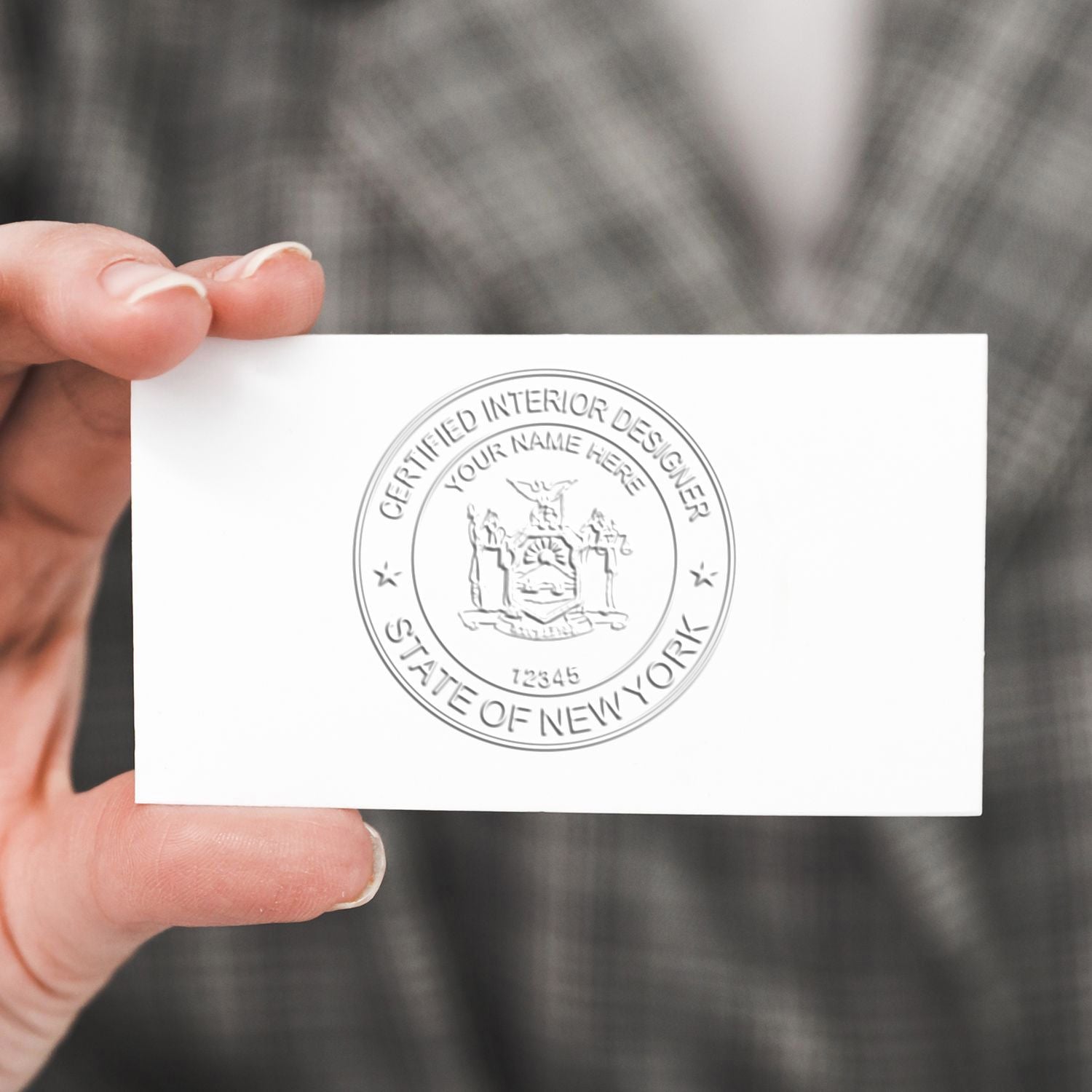
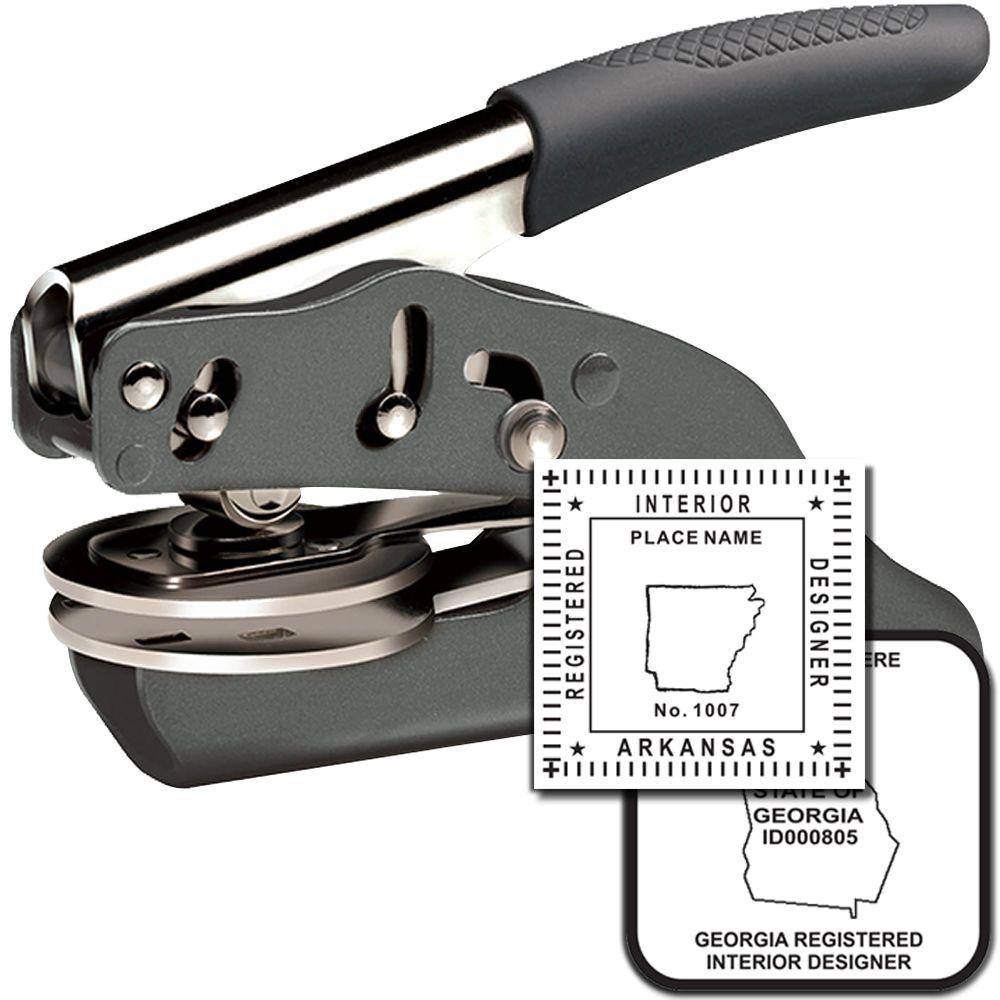
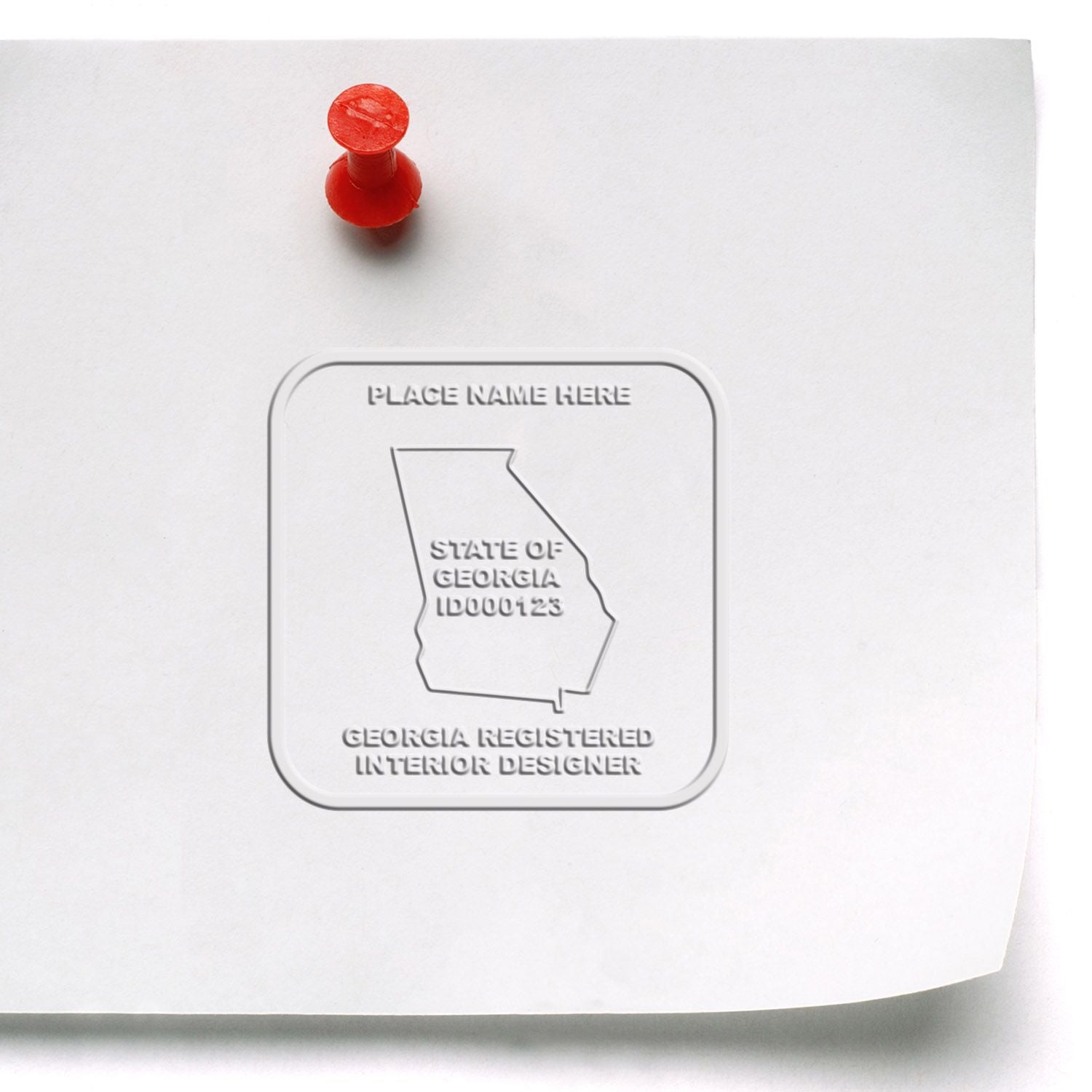
Typical Seal Applications
- Design Drawings: You’ll place your seal on technical drawings that relate to safety, accessibility, or code compliance. This shows others (including regulatory bodies) that you stand behind the design’s integrity.
- Project Specifications: Especially for projects that require municipal approvals or permitting, you might stamp project specs to confirm they’re consistent with professional standards.
- Contracts And Legal Agreements: In certain cases, your seal may be used to authenticate design-related documents that contractual parties rely on.
Situations To Avoid
- Personal Correspondence: General letters to clients or colleagues don’t typically require a seal, and using it can imply a level of formality that isn’t necessary.
- Unofficial Sketches: Those rough pencil drawings you do in your notebook or on a napkin at a coffee shop don’t need the state’s official imprint.
- Designs Out Of Your Scope: If you’re not sure whether you have the expertise or if you’re straying into another licensed profession’s territory (like architecture), do not place your seal on that work.
One more thing, be mindful of digital usage. If you transmit documents electronically, you may employ a digital seal rather than an ink stamp. Just be confident the digital file is secured, because a seal is like a signature that represents your reputation and qualifications.
Choosing A Louisiana Interior Designer Stamp
Whenever you use your official seal, you want it to look sharp and consistent. A high-quality tool helps you achieve that professional edge every time you mark up your documents. Here’s what to keep in mind as you search for a reliable source:
- Durability: If you stamp multiple sheets for a large project, you want a device that won’t jam or wear out quickly.
- Accuracy: The seal must be clear and legible, reflecting all required text, including your name and license number.
- Compliance: Confirm that the vendor offers stamps that align with Louisiana’s specific design standards, such as shape, border style, and any required wording.
For a dependable store, you can explore a company like Acorn Sales. They’ve specialized in professional stamps and seals since 1964, so they understand the ins and outs of design regulations. You’ll also receive a free electronic seal with every order, which can be a real time-saver if you’re sending your documents online. If you’re curious about options, check out the Louisiana interior designer stamp to see a layout that’s compliant with state guidelines.
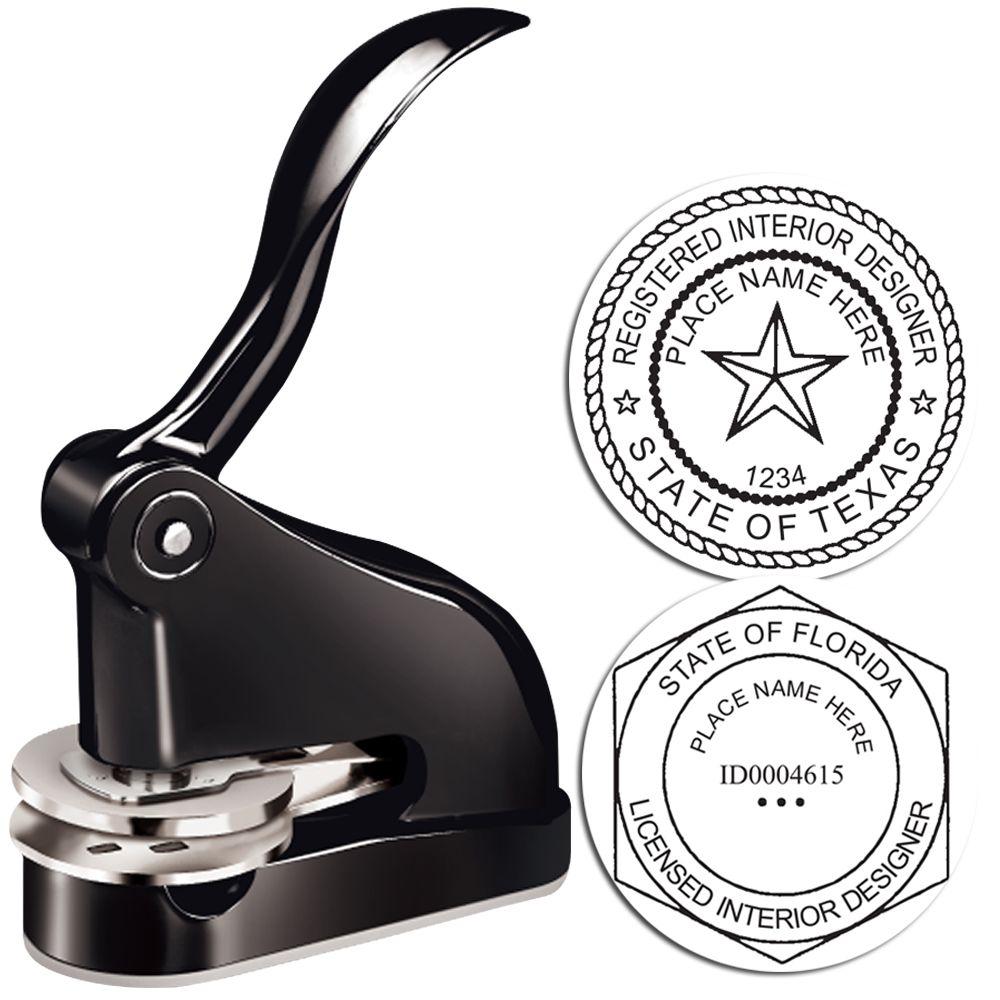

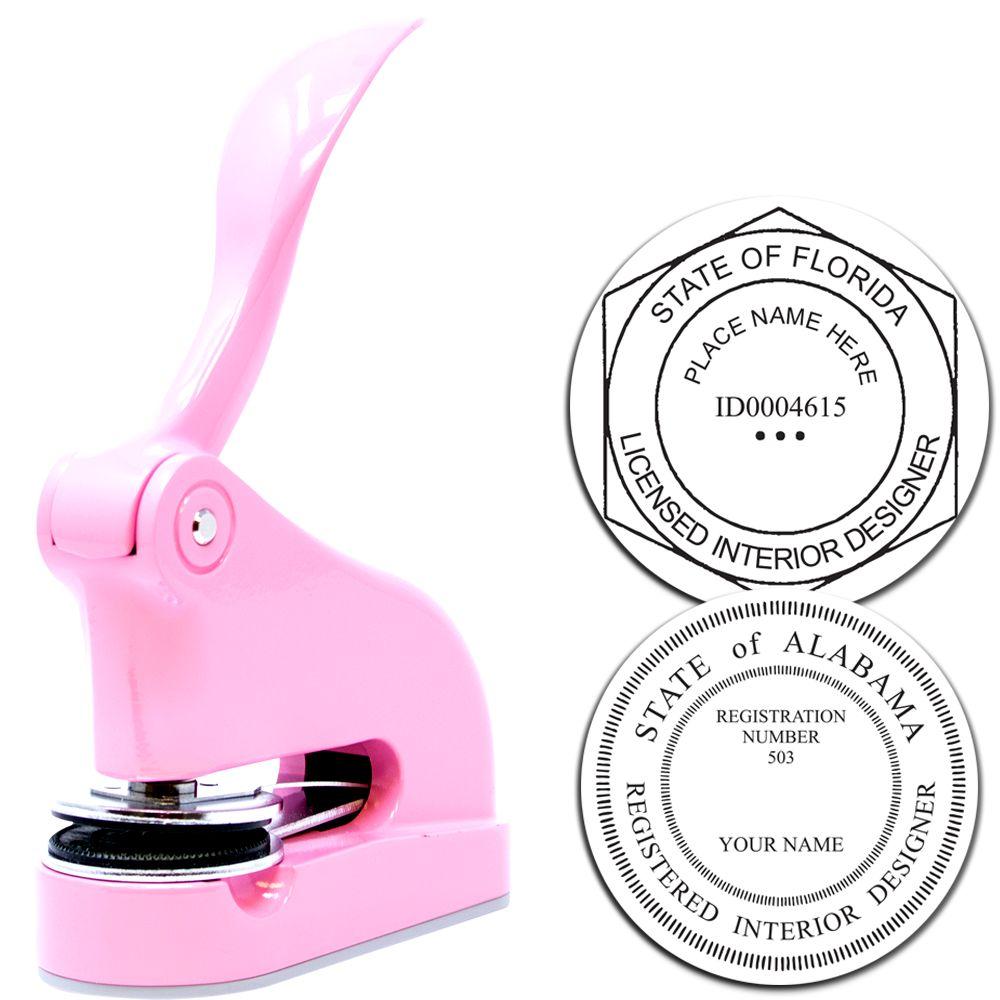
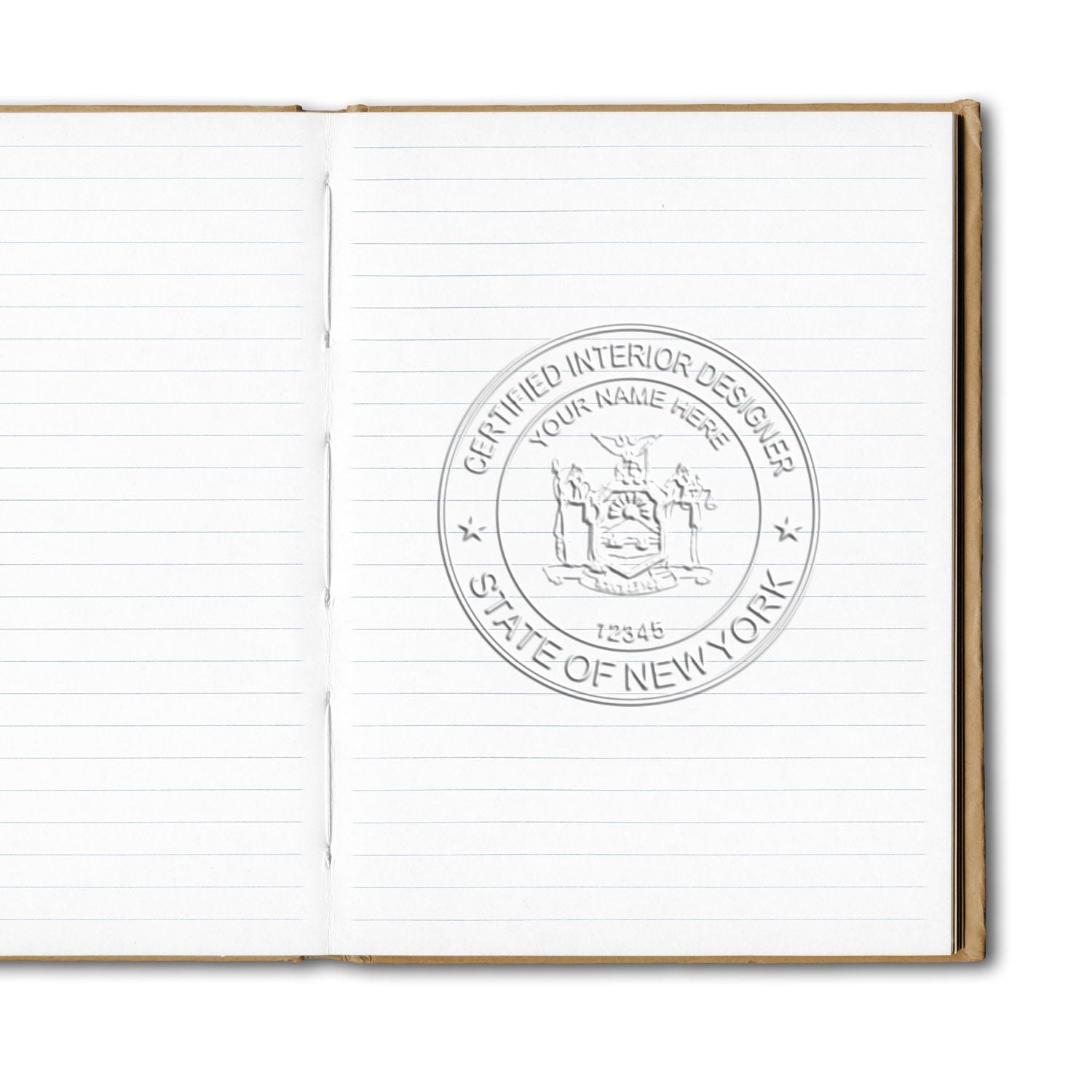
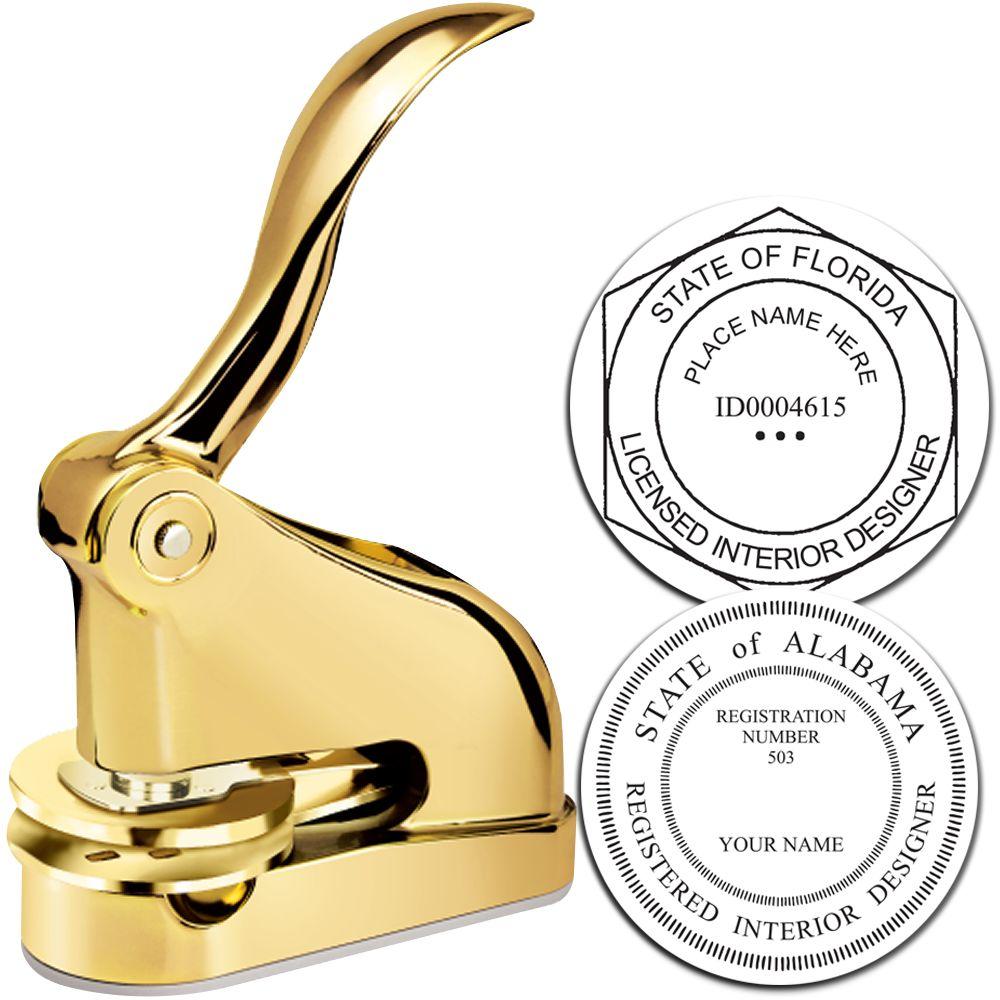

Acorn Sales. Your Trusted Partner
For purchasing an official seal, you want a supplier you can trust. At Acorn Sales, we understand how important accuracy is for your career. After all, your seal is more than a rubber stamp, it’s a symbol of your credibility.
- Established Expertise: We’ve been in business since 1964, partnering with countless professionals across various fields, including interior design, architecture, and engineering.
- Free Electronic Seal: Every order includes both a physical stamp and a digital version, saving you time and money when you need to apply your seal electronically.
- Attention To Detail: Because state laws can change, we stay updated on design requirements to help ensure your stamp meets official standards.
- Responsive Customer Support: If you ever run into questions about the ordering process or the layout of your stamp, we’re here to help.
Our goal is to equip you with a Louisiana interior designer seal that looks professional and aligns with state regulations, so you can spend more time focusing on your clients and less time worrying about compliance details.
Tips For Maintaining Professional Compliance
As an interior designer, you juggle creativity, project management, and a host of regulatory duties that can feel cumbersome. But following a few practical steps will help you keep things simple and avoid compliance headaches down the road:
-
Keep Documents Organized
Make a habit of labeling every final set of plans or specifications that you seal. Keep digital records in a secure folder, ideally with version dates, so you can track changes over time. -
Check For Licensing Updates
Requirements can shift as codes and statutes evolve. Mark your calendar to review state board announcements at least once a year to confirm your license and seal remain valid. -
Use Clear Electronic Processes
If you’re sending documents electronically, invest in software or apps that can embed your seal in PDF files without compromising security. This ensures your seal can’t be easily copied or misused. -
Know Your Scope
As you grow professionally, you might take on new or more complex projects. Before stamping any design, make sure it falls within your expertise. Sealing something outside your knowledge base can land you in hot water if disputes arise later. -
Keep Ethics Front And Center
The very reason states require seals is to uphold public protection. Acting ethically, double-checking accuracy, and ensuring honest client communication all tie into the integrity your seal represents.
By weaving these habits into your daily routine, you’ll stay on top of your obligations without letting them overshadow your passion for design.
Getting your Louisiana seal ordered
Securing your Louisiana interior designer seal doesn’t have to be a daunting process. As long as you follow the state’s rules, keep your license current, and invest in a quality seal, you’ll soon be ready to stamp or digitally apply your professional signature on the projects you’re most passionate about.
If you need a reliable partner who understands the nuances of interior design stamping requirements, consider Acorn Sales. The expertise we’ve gained since 1964 means you’ll have a smooth, efficient experience when purchasing your stamp. And since you’ll receive a free electronic seal with every order, you can handle digital design submissions just as effortlessly as the paper kind.
No matter what project you’re working on next, you can tackle it with confidence. Your seal proves you’ve met the state’s standards, which gives clients confidence in your work. Here’s to many successful, well-documented designs ahead!
Frequently Asked Questions
Do I Need A Separate Seal For Each Project?
Generally, you only purchase one physical stamp (and possibly a digital file) for your Louisiana interior designer seal. You’ll use that same seal for all the projects you undertake. Just ensure you’re stamping documents that relate only to your licensed scope of services.
Can I Share My Seal With My Colleagues?
No, your seal is unique to you, tied to your license number. Sharing it would violate professional standards and state regulations. If you collaborate with multiple licensed designers, each person should have their own seal.
How Often Should I Renew My Stamp?
The physical stamp itself doesn’t typically expire, but your license might. Whenever you renew your license, make sure you confirm the seal design is still valid. If the state updates its format requirements, you might need an upgraded stamp or electronic seal.
What If My Seal Is Lost Or Damaged?
If you lose or damage your official seal, it’s best to replace it promptly to avoid delays on pending projects. Consider contacting a trusted supplier like Acorn Sales, who can quickly provide you with a replacement that meets Louisiana’s guidelines.
Is A Digital Seal As Good As A Physical Stamp?
Yes, in many scenarios, a digital seal carries the same legal weight as a physical stamp. The important point is to ensure that your digital version is kept secure, so no one can copy or misuse it. Acorn Sales offers a free electronic seal with every order, making it easier to adapt to both paper and online requirements.








