
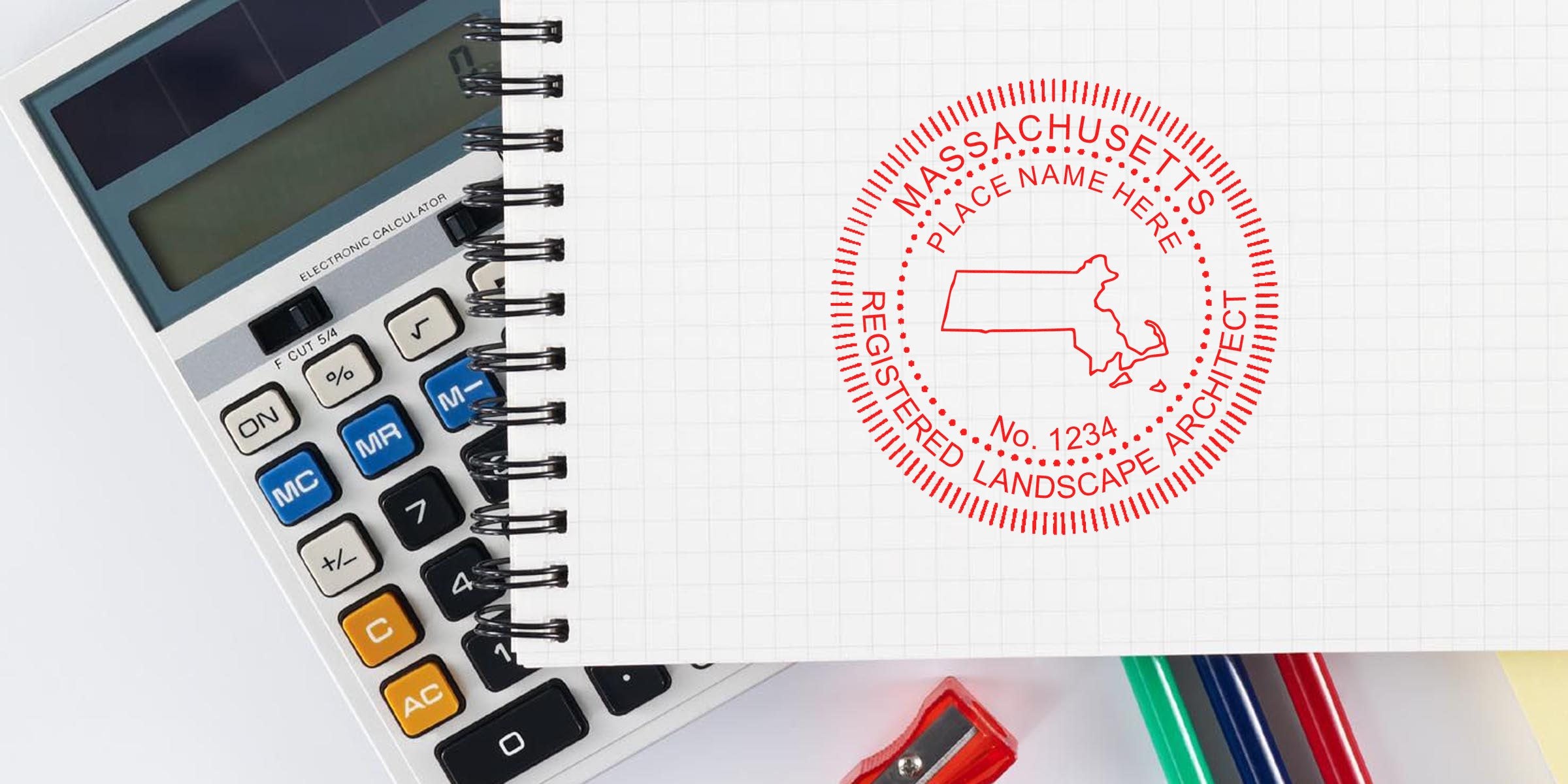
Understand the Seal’s Purpose
Securing your Massachusetts landscape architect seal counts for more than a formality.hows clients, regulatory bodies, and colleagues that your professional work meets the highest standards. Think of the seal like a stamp of credibility, demonstrating you’ve fulfilled state requirements and can practice landscape architecture responsibly.
But why do you really need it? In Massachusetts, the seal is your official mark on plans, drawings, and documents. It helps ensure that your designs have a traceable point of origin and that you’re accountable for the technical integrity of every plan you sign. It’s a visible reminder that you’re committed to maintaining professional standards and public safety.
Check Massachusetts Requirements
Before you look at the ordering process, it’s important to understand the state’s requirements. Massachusetts has specific rules for practicing landscape architecture. You’re usually expected to:
- Complete the required education from an accredited program.
- Pass the Landscape Architect Registration Examination (LARE).
- Comply with any ongoing continuing education or professional development mandates.
If you’re unsure whether you’ve met all the licensing conditions, take a moment to verify with the Massachusetts Board of Registration. Doing this upfront can save you from ordering a seal prematurely or, worse yet, stamping documents without the proper credentials. That’s a headache you really don’t need.
Gather Your Credentials
Once you confirm your qualifications, it’s time to assemble your materials. You’ll likely need:
- Your official Massachusetts landscape architect license number.
- Proof of passing the LARE or any other state-specific exam.
- Relevant personal details, such as your full legal name, which must appear exactly as noted on your license.
Why get so particular about naming conventions? Because your seal should match what the state has on record, letter for letter. No nicknames, no abbreviations unless the registry explicitly allows them. Keeping the information consistent helps ensure the validity of your seal, preventing reprints or explanations down the line.
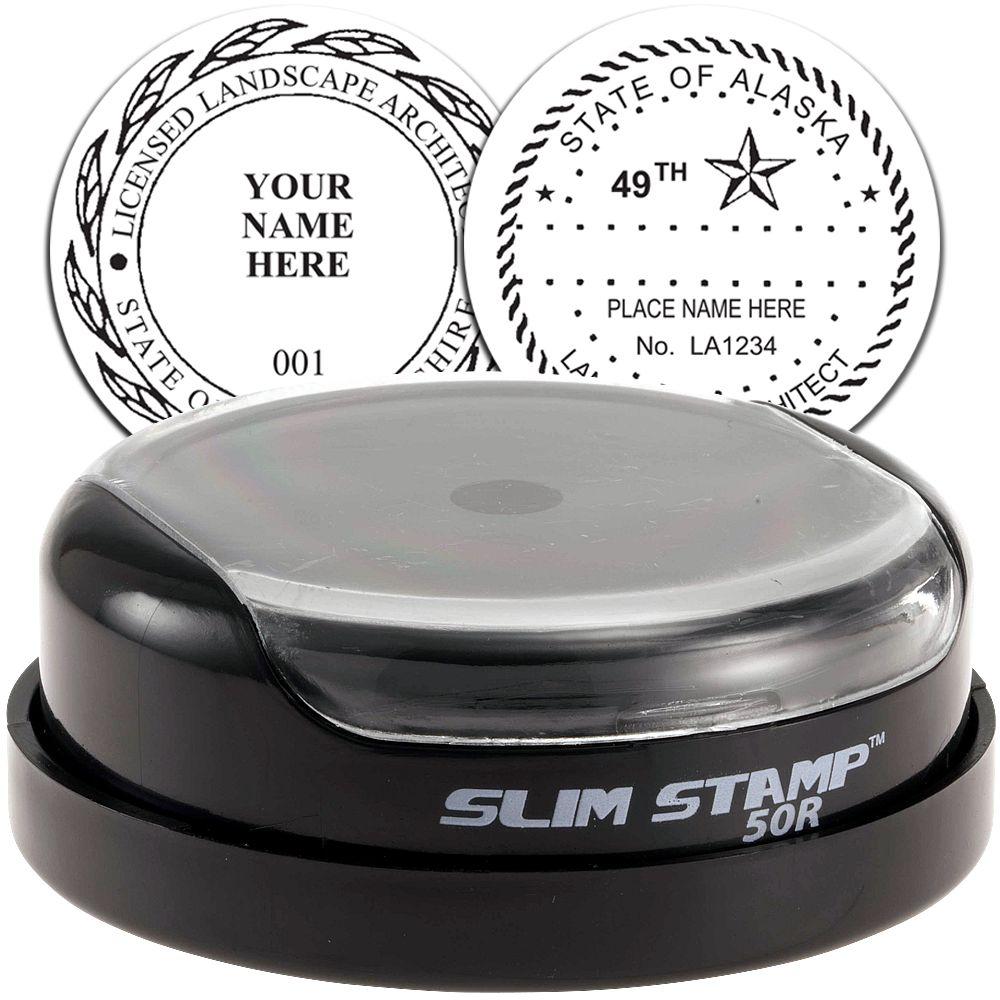

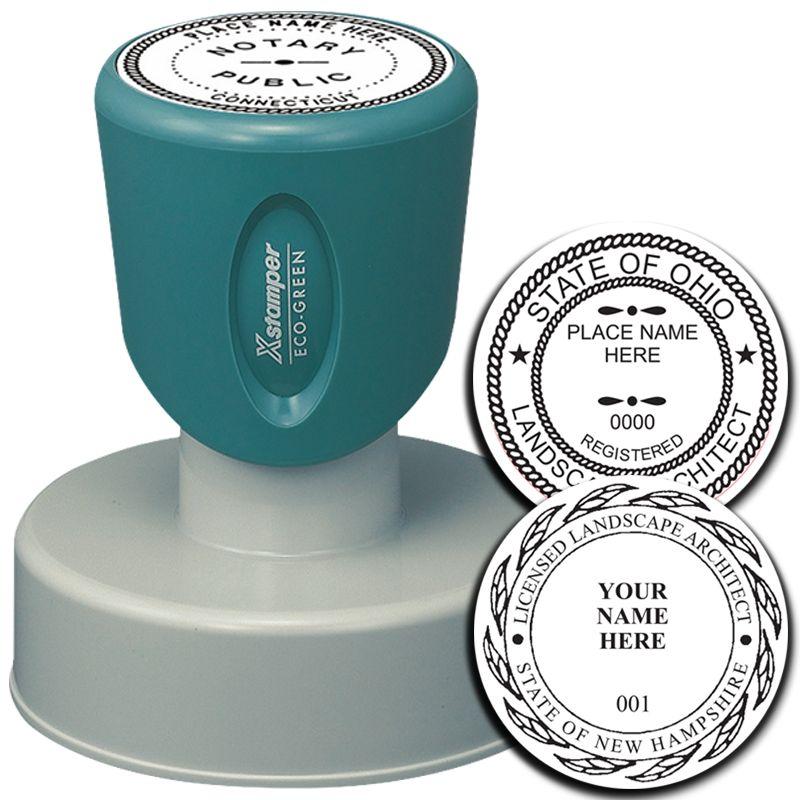



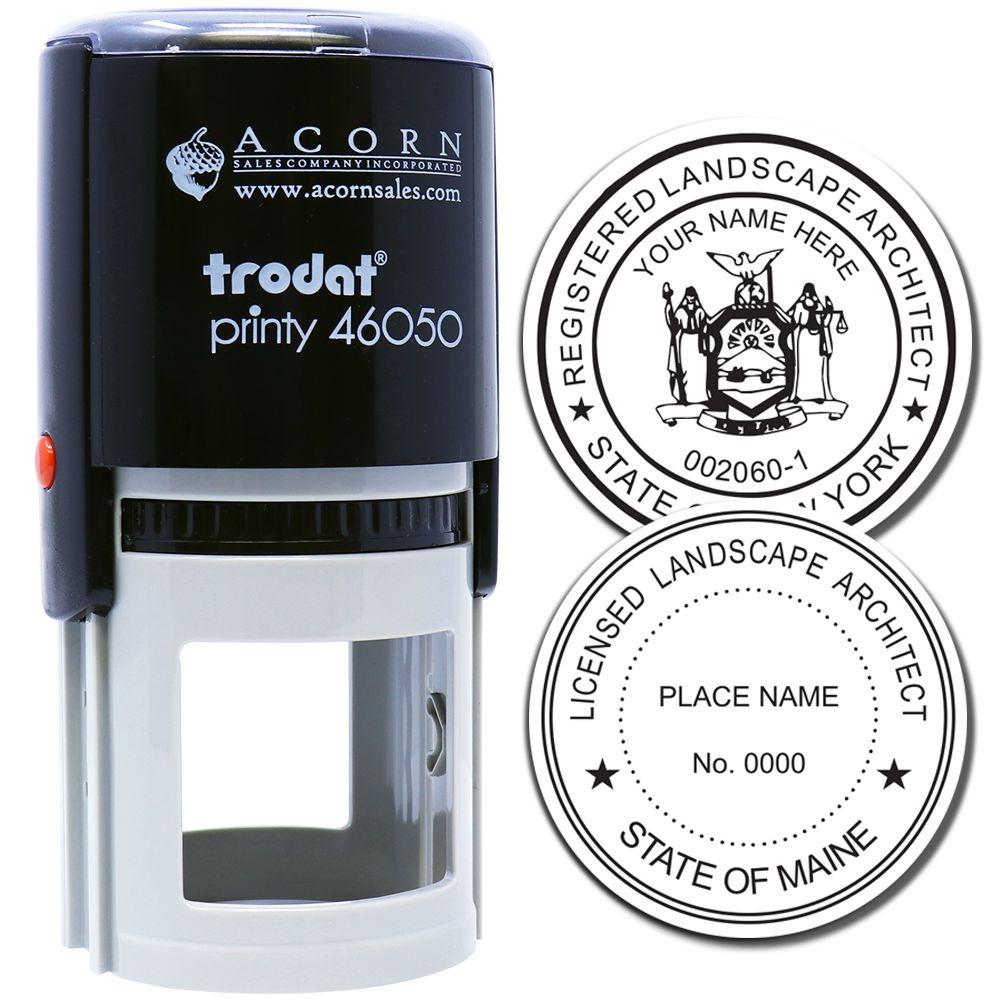

Acquire the Right Seal
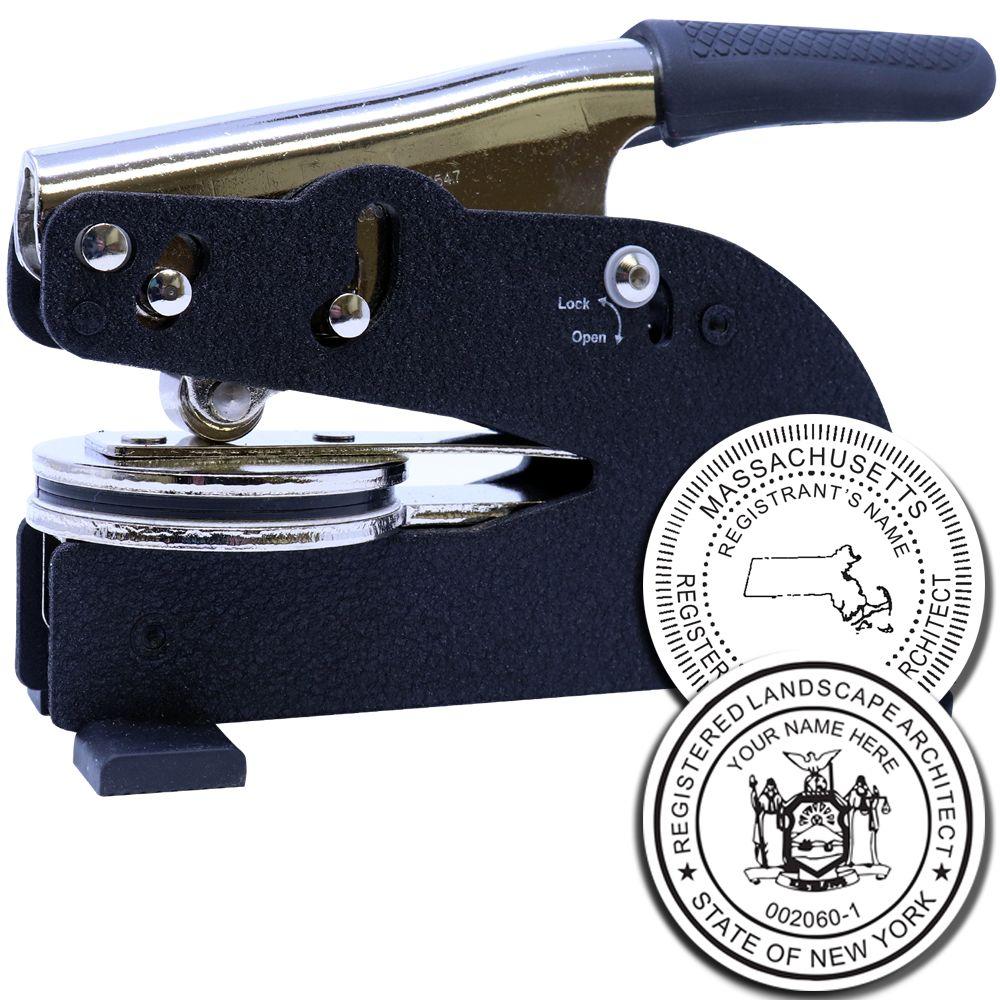
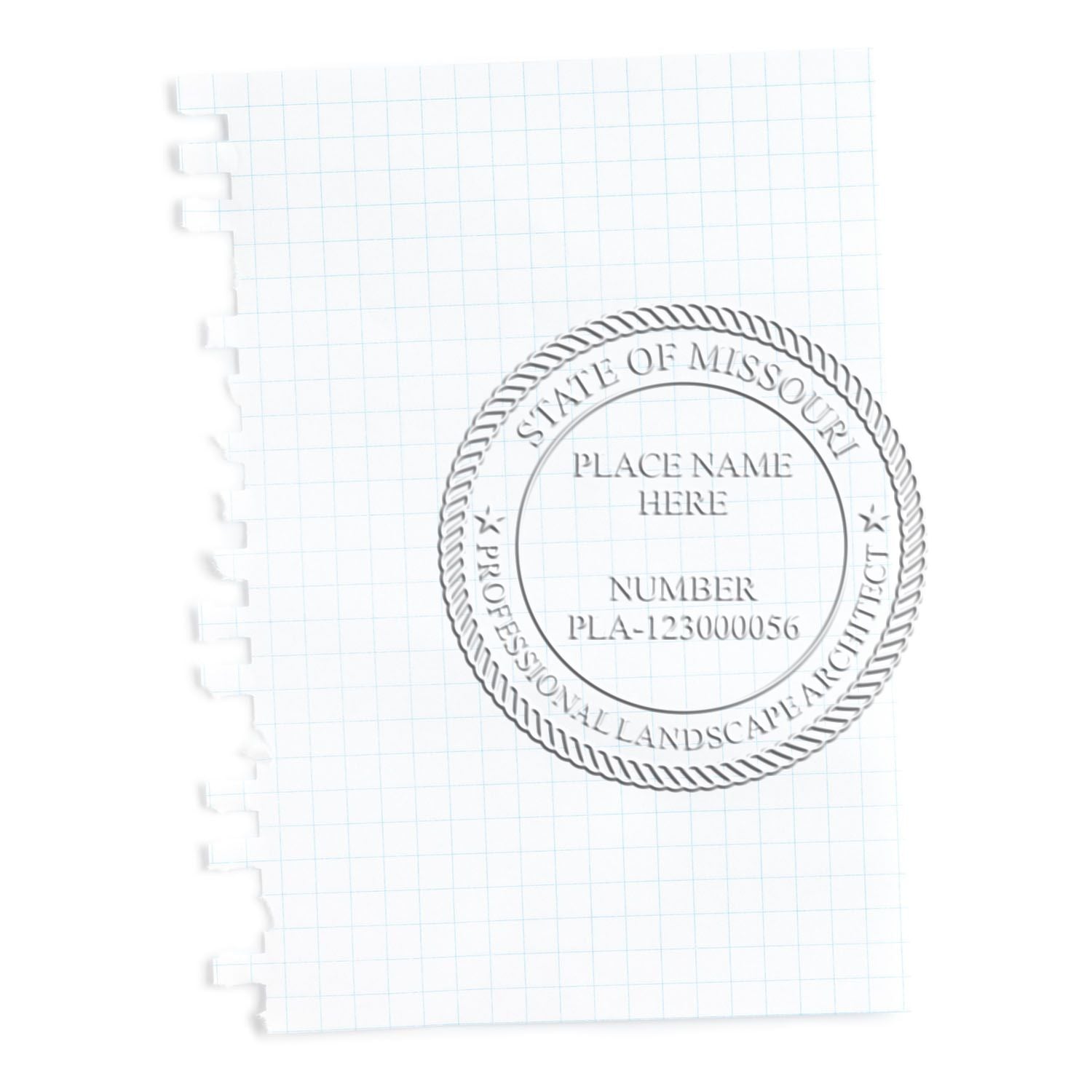
Not all seals are created equal. In Massachusetts, you can choose between a physical ink stamp, an embosser, or a digital version to affix to electronic documents. Each option has its advantages, so let’s break it down.
Physical vs. Digital Seals
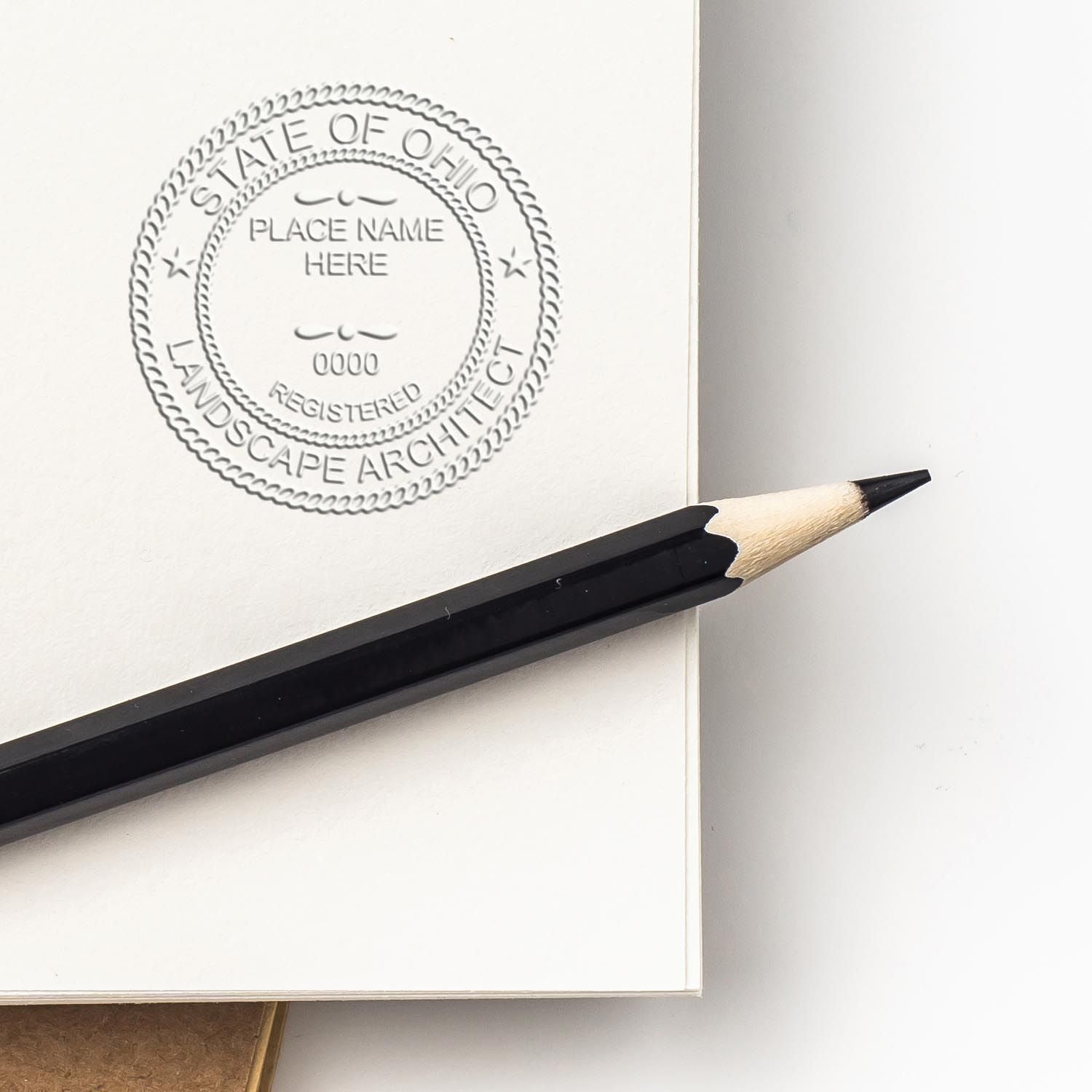
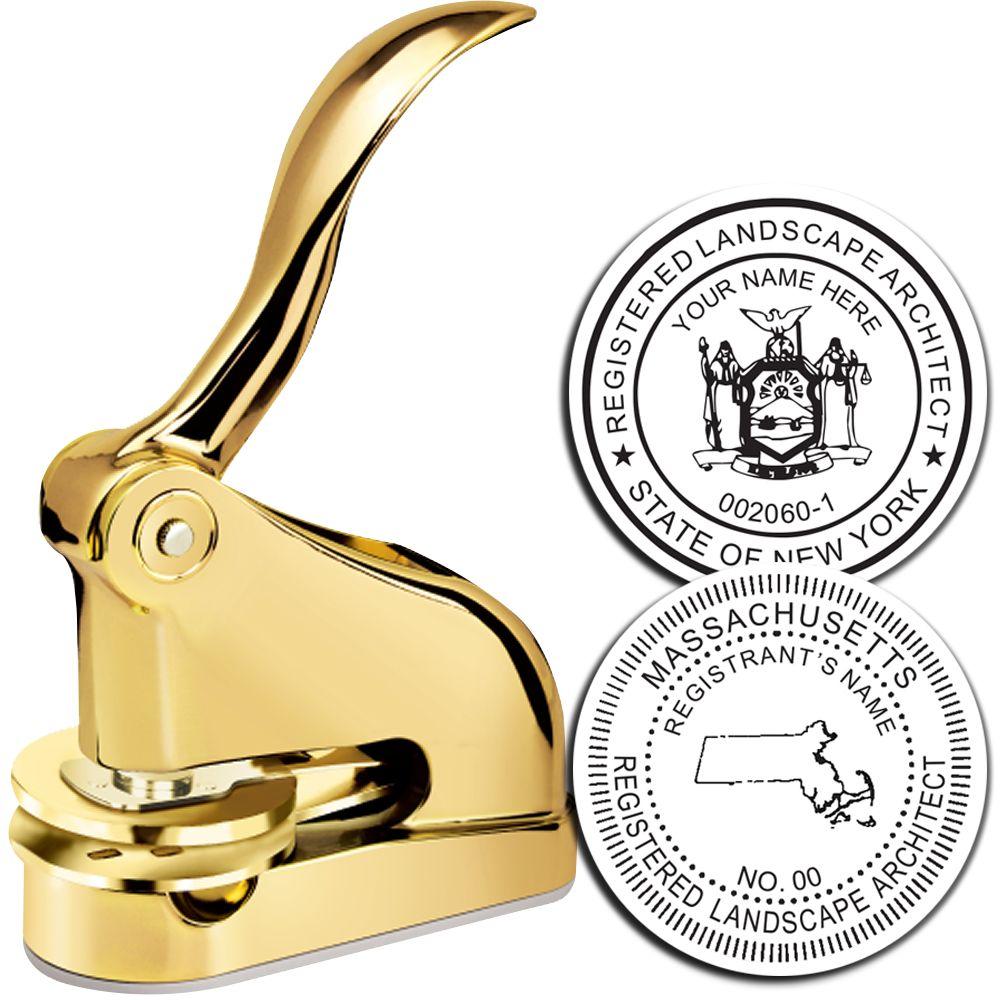
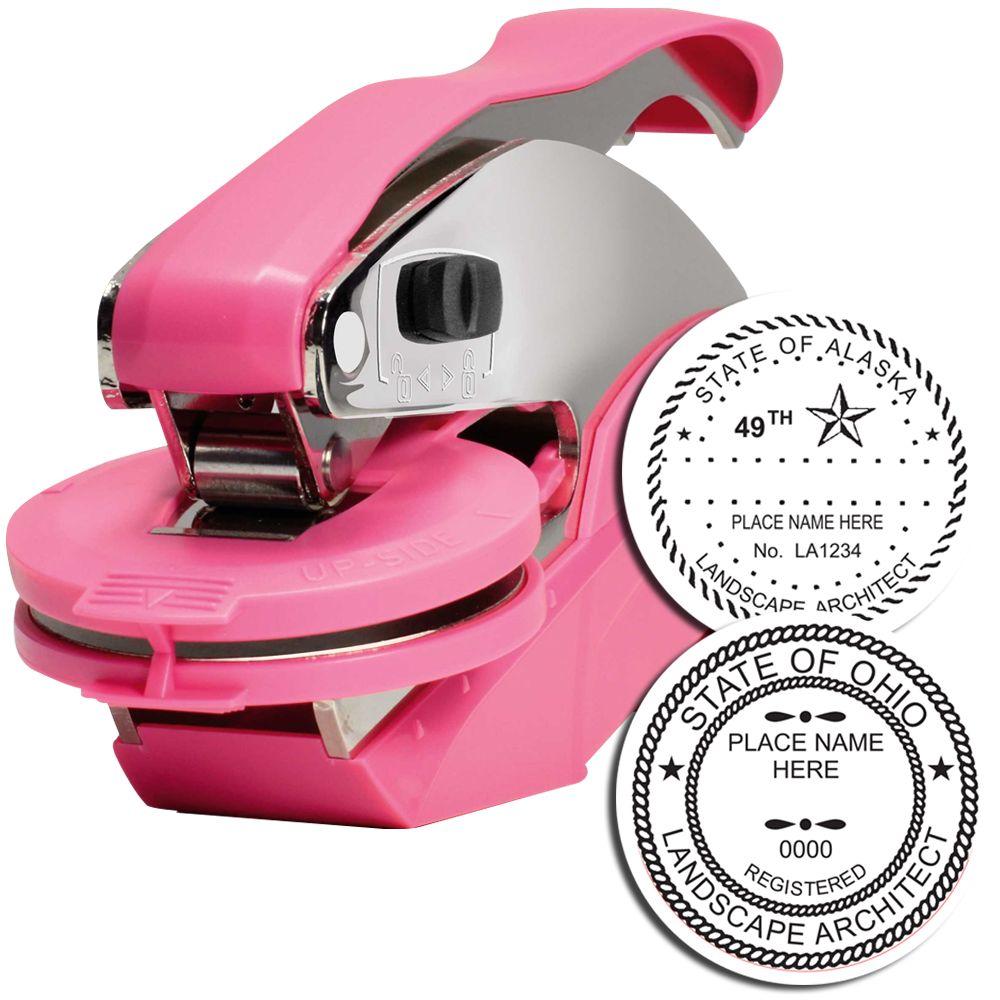
Using a physical seal, either an ink stamp or embosser, can feel more traditional and tangible. You press it onto paper, so there’s no mistaking whether your design is officially approved. If your typical workflow involves printed drawings and in-person client meetings, a physical seal might fit easily into your process.
On the other hand, a digital seal offers speed and convenience. With a quick drag-and-drop onto a PDF or other file type, you’re done. It also aligns well with remote work setups or eco-friendly offices that want to minimize paper use. For many modern landscape architects, going digital keeps presentations and approvals moving smoothly.
The good news? At Acorn Sales, a trusted supplier for stamps and seals since 1964, you can get a free digital seal when you purchase a physical one. That means you don’t have to choose. You can have both and use whichever best suits your current project’s needs.
Where to Purchase Your Seal
Reliable suppliers aren’t just handing you a random stamp. They format your name and license number according to Massachusetts guidelines, checking that your seal meets the state’s required dimensions. That’s critical: a noncompliant seal might land you in trouble if discovered during a document review.
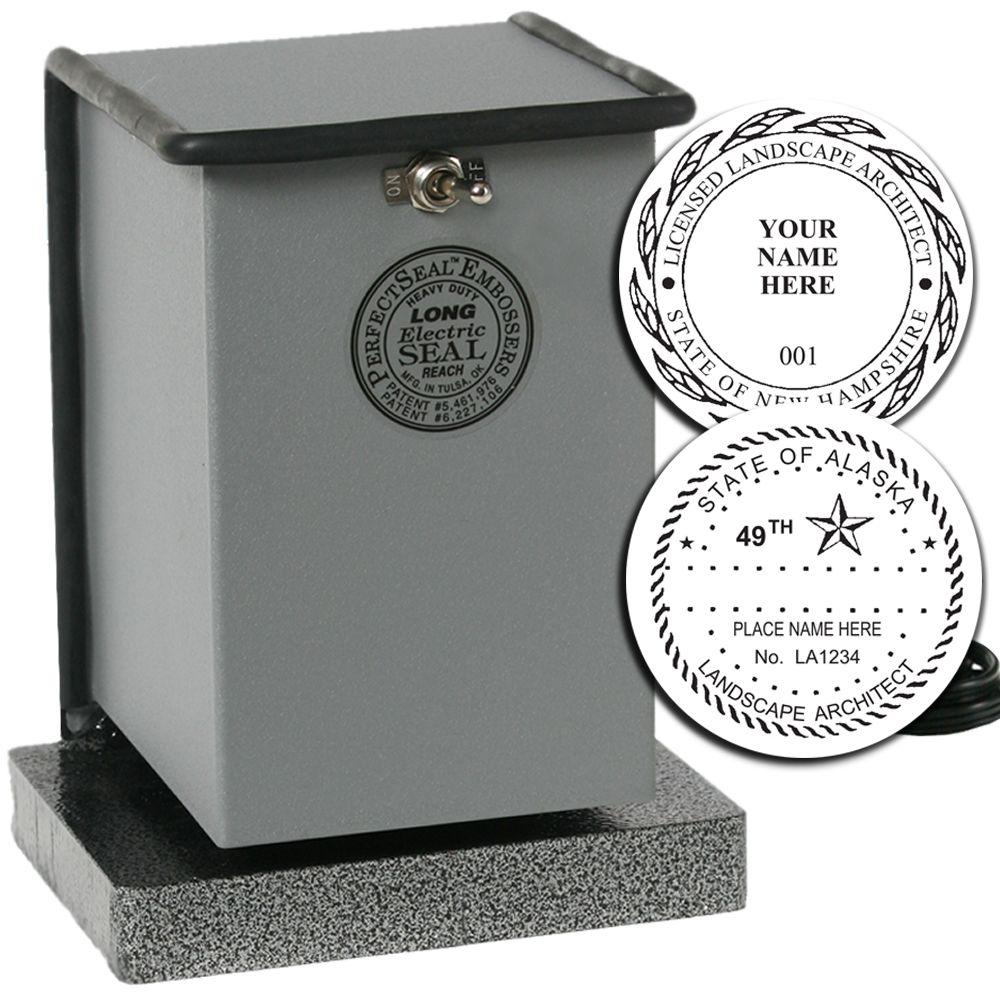
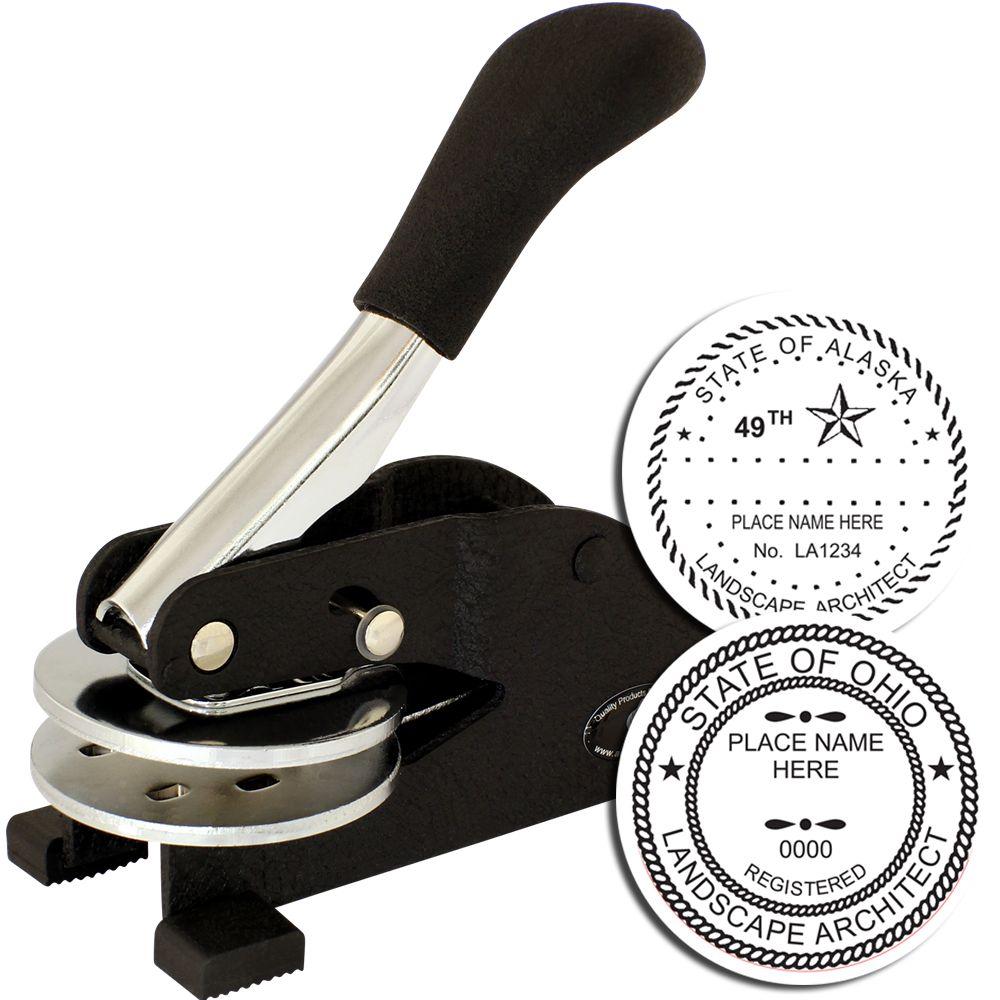
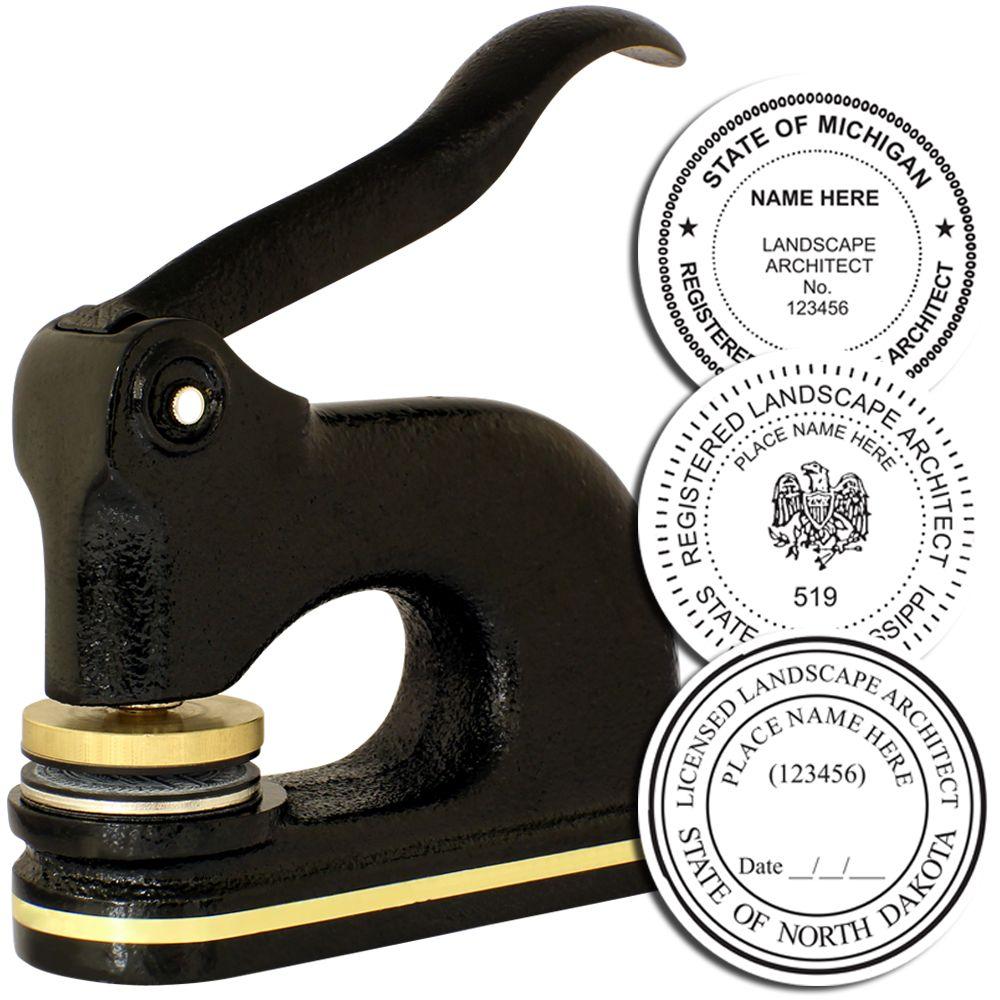
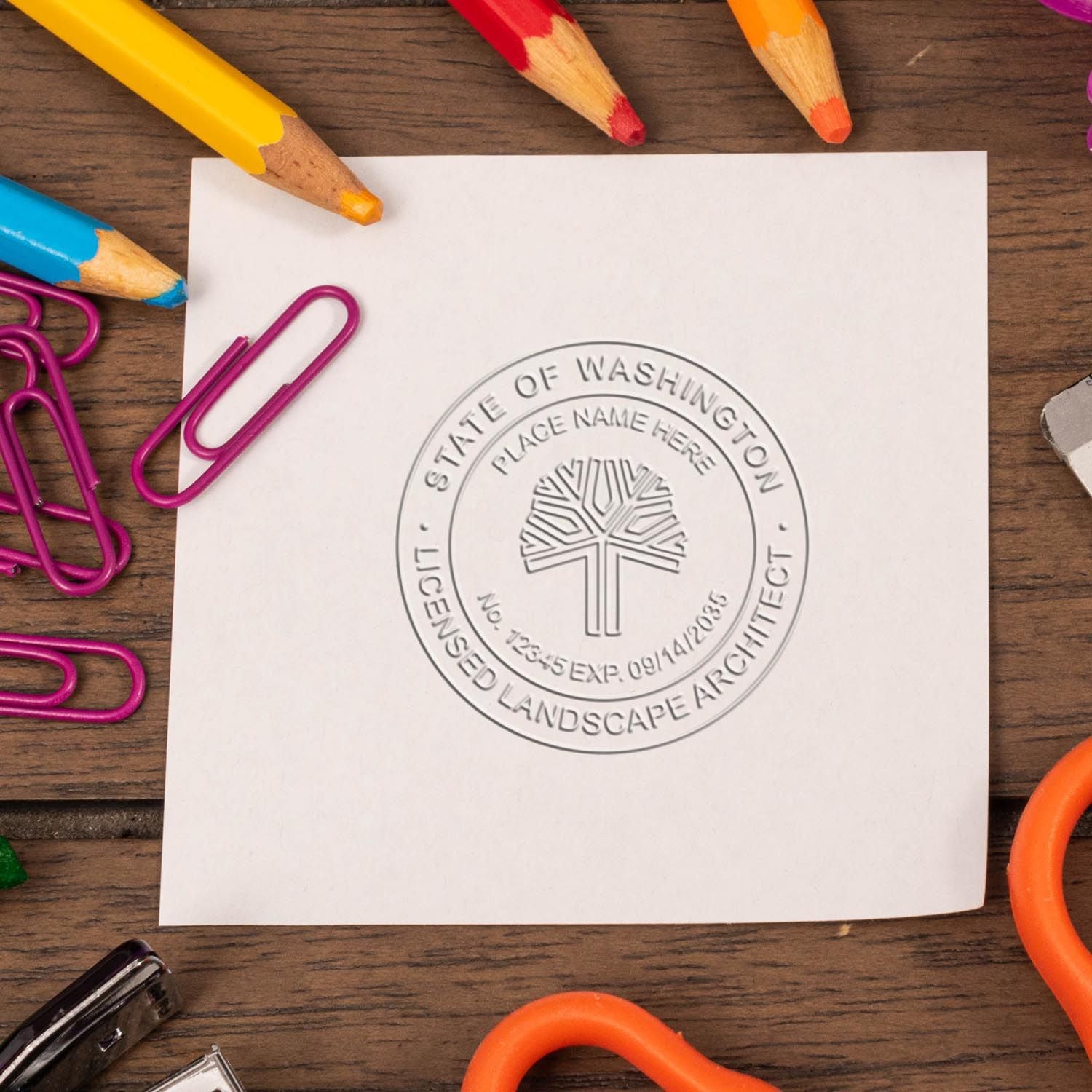
Acorn Sales specializes in this process and has been helping professionals since 1964. They offer a variety of Massachusetts landscape architect seal products, ensuring you’ll find something that fits your budget and design preferences. Plus, their customer service team can answer any lingering questions about your order. If you prefer an ink stamp, they’ve got you covered. If an embosser feels more formal, you can get that too. And don’t forget to check out their Massachusetts Landscape Architect Stamp options for quick selection.


Follow Proper Usage Rules
Getting the seal is just the first step. You also need to know how and when to use it. Massachusetts typically requires that you:
- Apply your seal only to drawings or documents you’ve created or supervised directly.
- Include your signature and date near or through the seal for authenticity.
- Avoid letting others use your seal without your oversight.
Your seal should never be a rubber-stamp approval of projects you haven’t personally overseen (pun intended). This ensures the integrity of your work and maintains the profession’s standards. Think of your seal as a handshake agreement with your clients, except it’s on official documents and legally binding. Taking that responsibility seriously protects both you and the public.
Handling Digital Documents
If you’re using a digital seal, remember to add an electronic signature and date as well. Some platforms even allow you to timestamp each time you seal a document. This offers an extra layer of verification. It’s like having a virtual chain of custody that shows exactly when you approved each blueprint or plan.
For those who juggle multiple projects simultaneously, digital sealing can be a timesaver. You can stamp a PDF or CAD file in seconds, store it securely on your computer, and forward it to clients without scanning paper copies. Just double-check that your software meets any cryptographic or security requirements set by Massachusetts, if applicable.
Maintain Your Registration Status
Your seal is valid as long as your license is active. If you let your registration lapse, you could face penalties, or worse, legal complications for using a seal that’s no longer authorized. Renewing your registration typically involves paying a fee and completing any required continuing education courses.
It’s wise to pop a yearly reminder in your calendar to confirm your standing. That might be as simple as a five-minute check online, or you might need to submit some detailed paperwork. Either way, the effort is small compared to the risk of practicing without a valid license.





Keep Up with Continuing Education
Landscape architecture, like most professions, evolves. New design software emerges, environmental standards shift, and best practices for eco-friendly landscapes continue to expand. Taking continuing education courses does more than keep your license current, it helps you stay competitive in an ever-changing field.
If you’re scanning your local or online course catalogs, focus on topics that not only satisfy state requirements but also interest you. Maybe you’re itching to learn about sustainable water management or advanced visualization software. Each new skill adds value to your practice and keeps you excited about what you do.
Simplify Your Record-Keeping
When you’re busy with clients, it’s easy to let administrative details slip through the cracks. But remember, a well-documented process can spare you a world of trouble if your seal is ever questioned. Keep a dedicated folder, digital or physical, where you store:
- Copies of significant sealed documents
- Proof of continuing education hours
- Registration renewal confirmations
- Any official correspondence with the state board
A quick rummage for a missing record can derail your schedule, so it’s best to stay organized. Consistency is your friend here. With simple file naming conventions or cloud backups, keep your system logical and easy to navigate. Over time, you’ll thank yourself for the hour or two you spent creating it.
Use a Checklist for Sealing
Ever worried you might forget a final step before sealing your documents? Creating a simple checklist can help you stay on track:
- Confirm your license is up to date.
- Verify all design details and specifications are complete.
- Apply your seal (physical or digital) correctly.
- Sign and date the document.
- Scan or store a copy with the rest of your records.
By following a checklist, you can handle the entire process like tossing keys on a hook, it becomes second nature and keeps you from making small but costly mistakes.
Balance Professionalism with Personality
Some professionals see the seal requirement as an administrative chore. But it’s also an opportunity to stand out. Incorporating your Massachusetts landscape architect seal on everything from project proposals to final plans shows your thoroughness and dedication. When you make it part of your brand, you tell clients, “I’m legit and excited to help shape your outdoor space.”
Here’s one quick tip: if you have a personal logo or design style, feel free to incorporate it into the aesthetic of your presentation. Just be sure your official seal stays prominent and fully compliant with state rules. Doing so makes your signature style shine without overshadowing the critical legal requirement.
Choose the Right Supplier
Having the correct seal does more than keep you within Massachusetts law. You want a stamp or embosser that leaves a crisp, readable impression. That’s where quality comes into play. Acorn Sales has been providing professionals with accurate, long-lasting seals since 1964, combining craftsmanship with modern efficiency.
They also have a friendly support team that can guide you if any questions come up about formatting and installation. If you’re still thinking over whether to choose an ink stamp or an embosser, they’ll talk it through with you. And because you can score a free digital seal with your purchase, you’ll have a comprehensive kit ready to tackle any client needs, whether they require digital or paper plans.
You can start using your seal as soon as you receive it and your license is confirmed as active. A quick step is to test the seal on a spare sheet of paper or a practice PDF. Just make sure everything looks clear and correct before you sign and date any important plans.
Getting your Massachusetts landscape architect seal might feel like a big milestone, and it is. It represents your professional credibility and ensures your designs meet regulatory standards. With a reliable supplier like Acorn Sales (in business since 1964), you can effortlessly secure both a physical and free digital seal. Before you know it, you’ll be stamping your project drawings with confidence, knowing you’re fully compliant and ready to bring stunning landscapes to life.
Frequently Asked Questions
Do I Need a Physical Seal?
It depends on how you typically present documents. While some Massachusetts landscape architects prefer a physical seal for formal submissions, others use digital seals for convenience. Many professionals find it helpful to own both, providing them with more flexibility.
Will My Seal Expire?
Your seal itself doesn’t expire, but your license does. If your registration lapses, the seal becomes invalid until you renew. Always check the status of your registration before sealing any official documents.
What If I Move to Another State?
If you relocate, you may need a new seal that complies with your new state’s guidelines. Some states have reciprocal agreements, but sealing policies often vary. Always read the local board’s rules to avoid confusion.








