

If you’re looking to practice interior design professionally in Puerto Rico, you’ll need an official way to authenticate your work. That’s where the Puerto Rico interior designer professional seal comes in. This seal verifies your standing, identifies you as a qualified professional, and ensures the documents you sign meet the island’s regulatory requirements. In this guide, you’ll learn how to obtain your seal, what paperwork to gather, and how to use it responsibly. These steps cover the same obligations for a designer just starting out and for an established design practice. Plus, you’ll discover tips on choosing a trusted supplier like Acorn Sales, which has been in the seal and stamp business since 1964 and even offers a free digital seal. Let’s dive right in.
Understanding Puerto Rico Interior Designer Seals
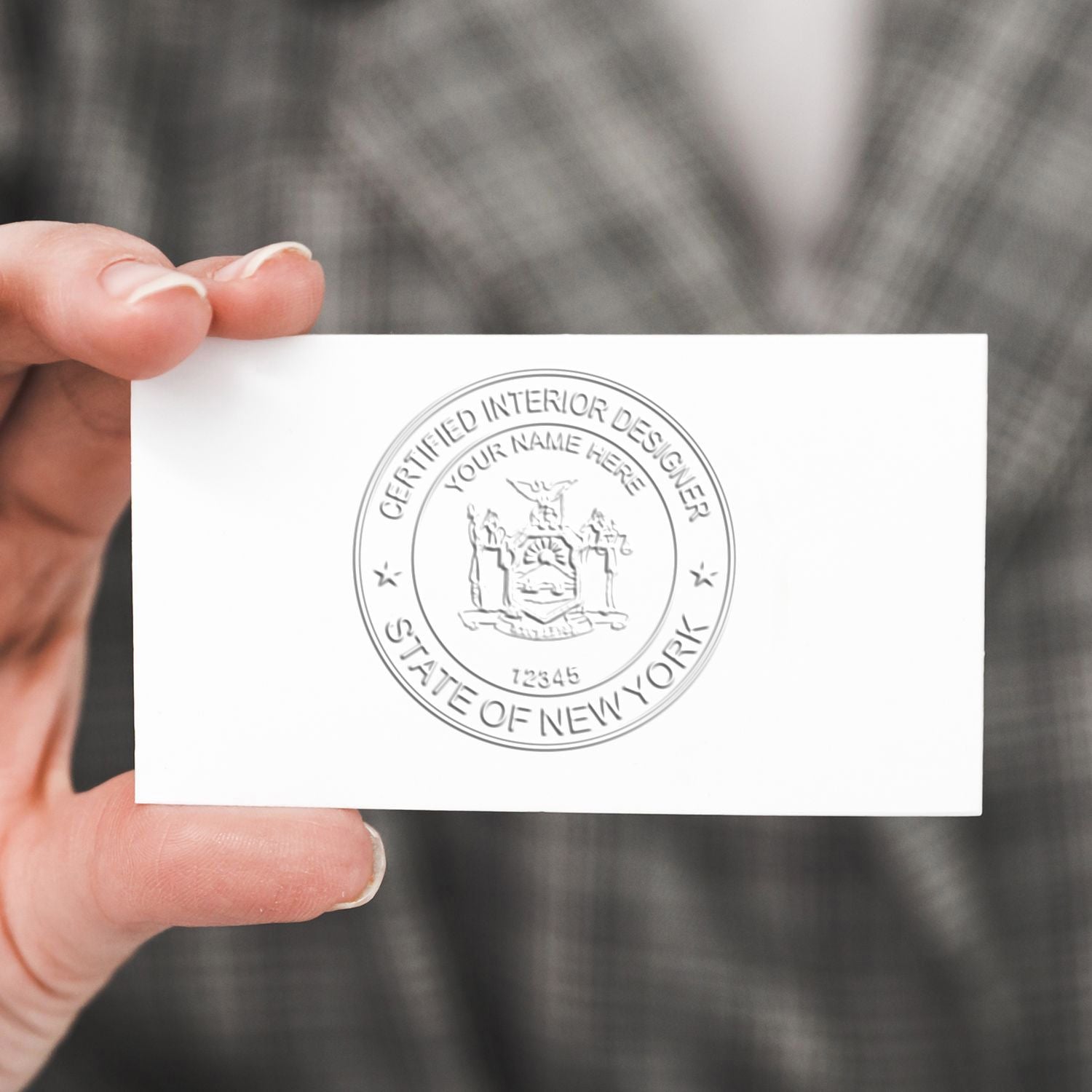
A professional seal is not merely a fancy stamp, it represents your credibility as an interior designer and confirms your plans or drawings are officially approved. Puerto Rico, like many jurisdictions, mandates that professionals affix a unique seal on documents such as plans, specifications, or reports. This extra layer of verification helps protect public health, safety, and welfare by showing that a qualified individual took responsibility for the work.
Stamp vs. Seal
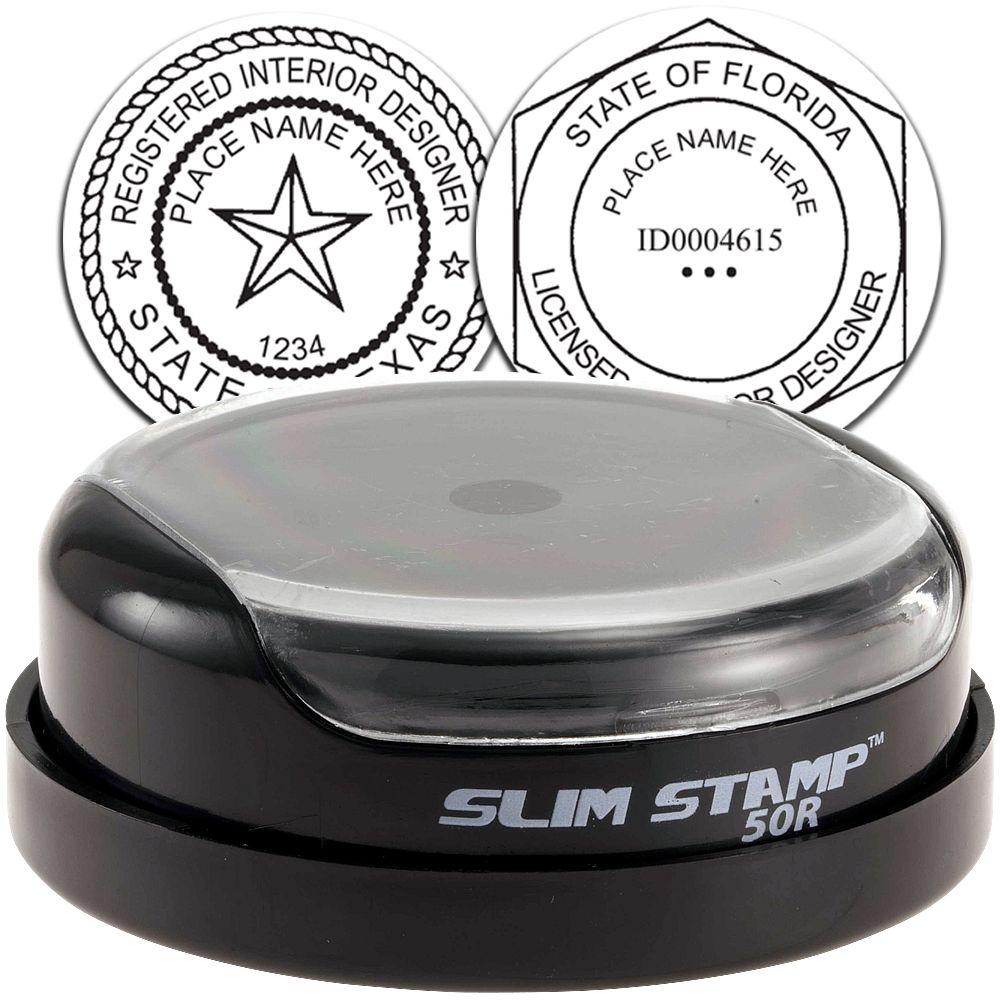
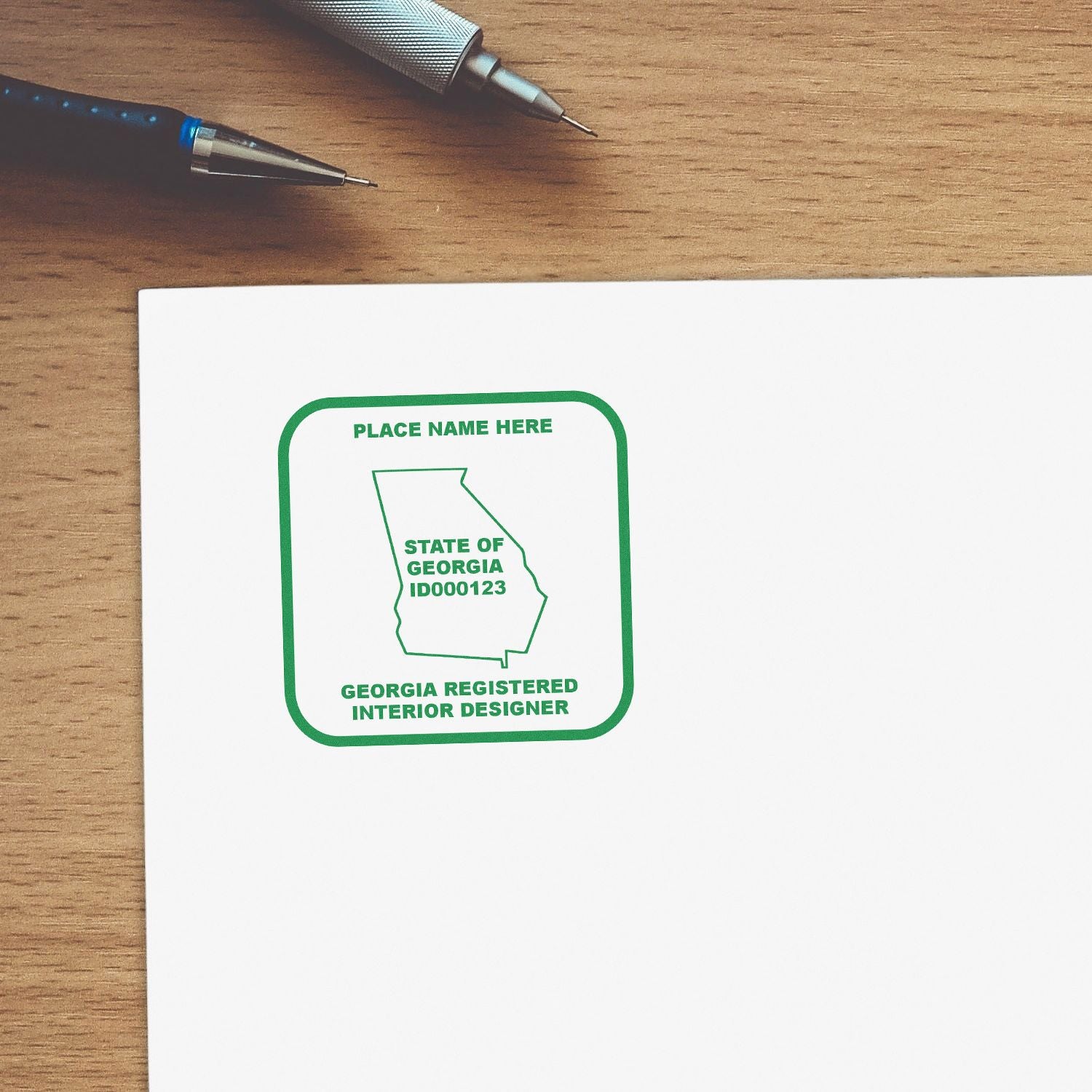
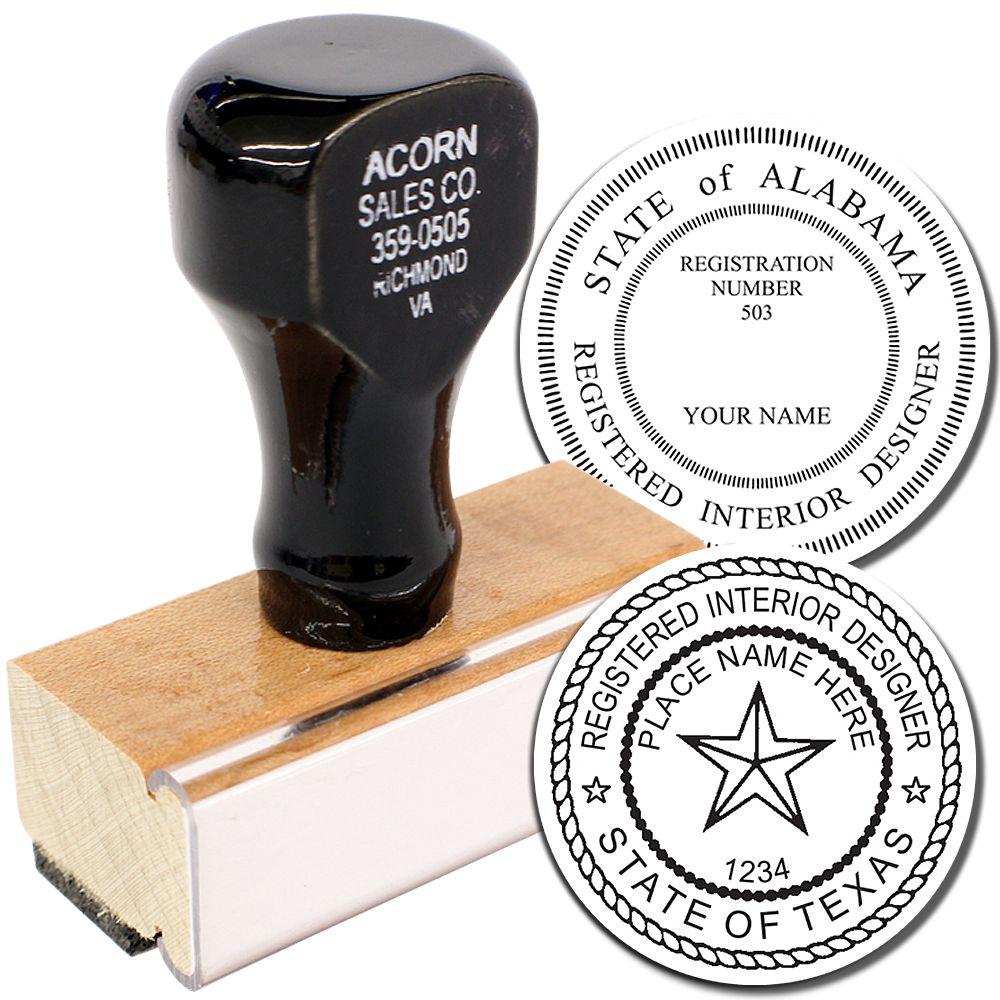
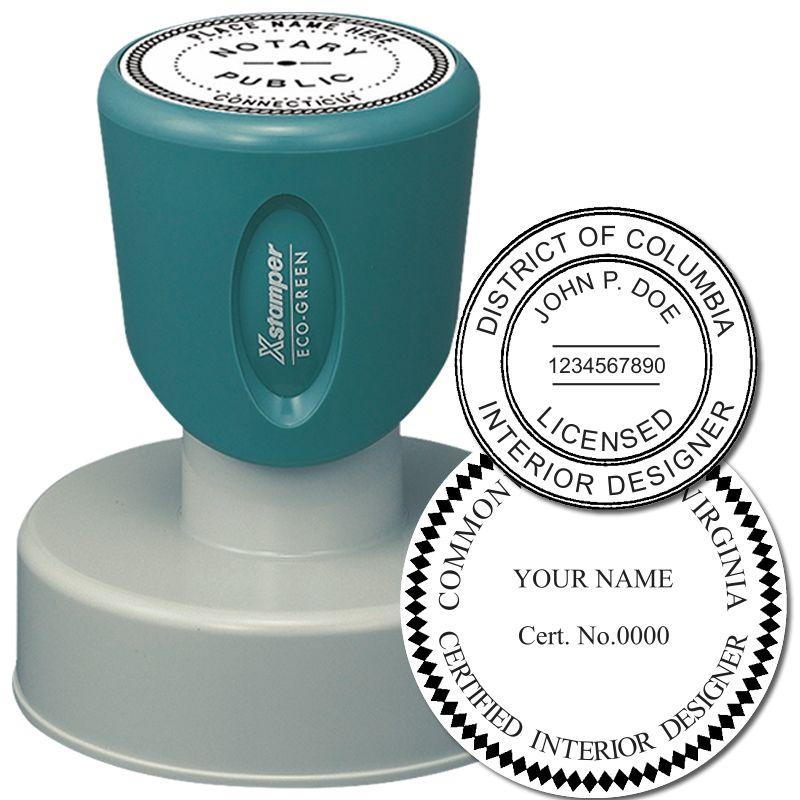
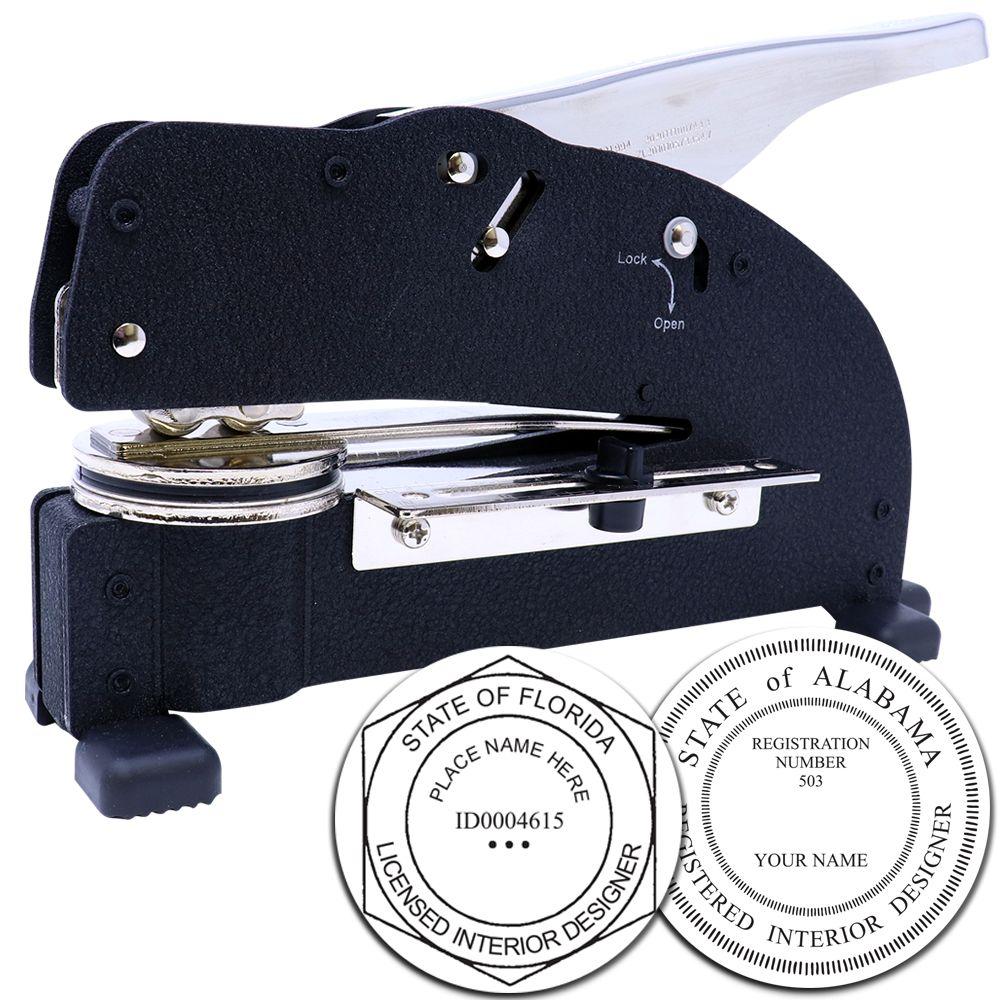
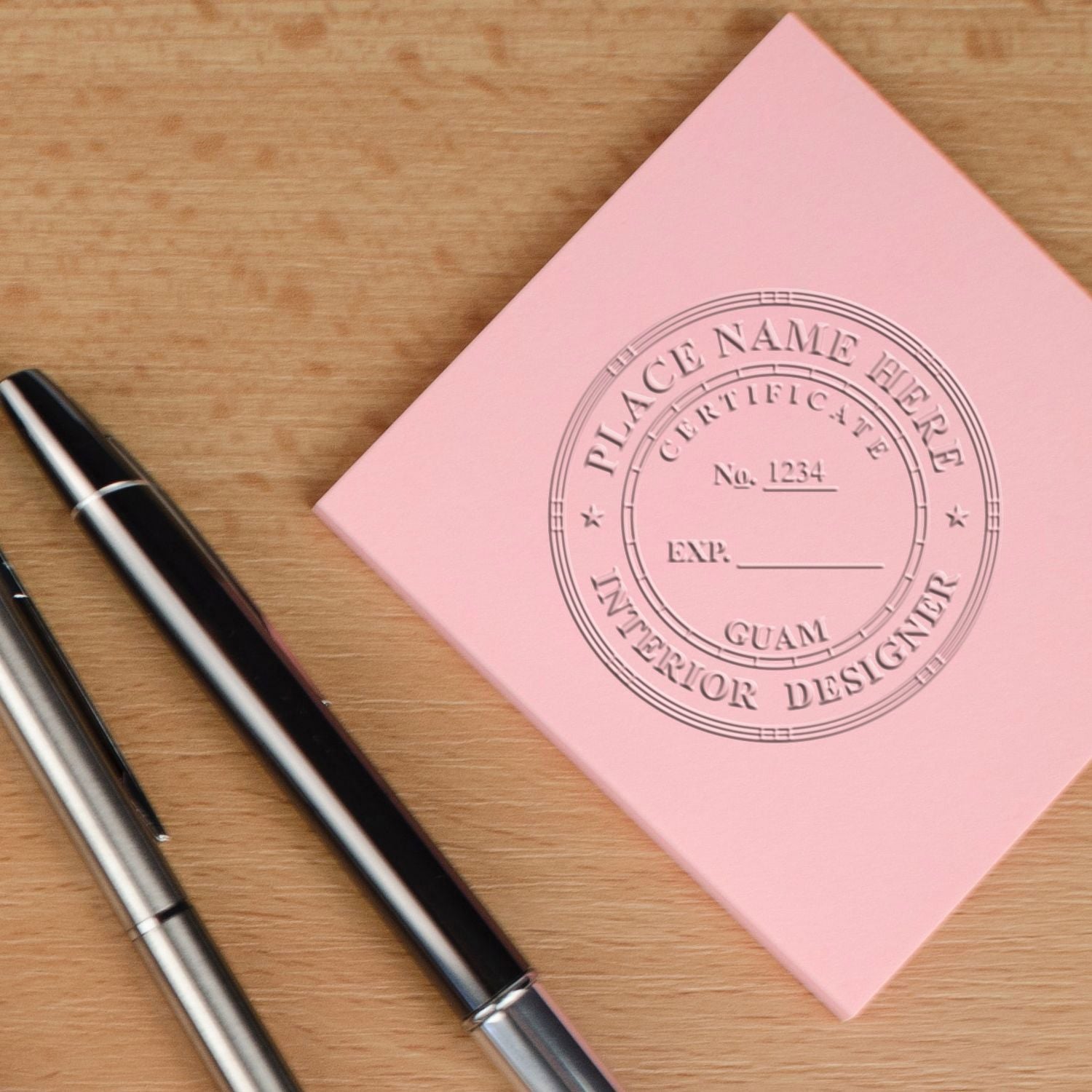
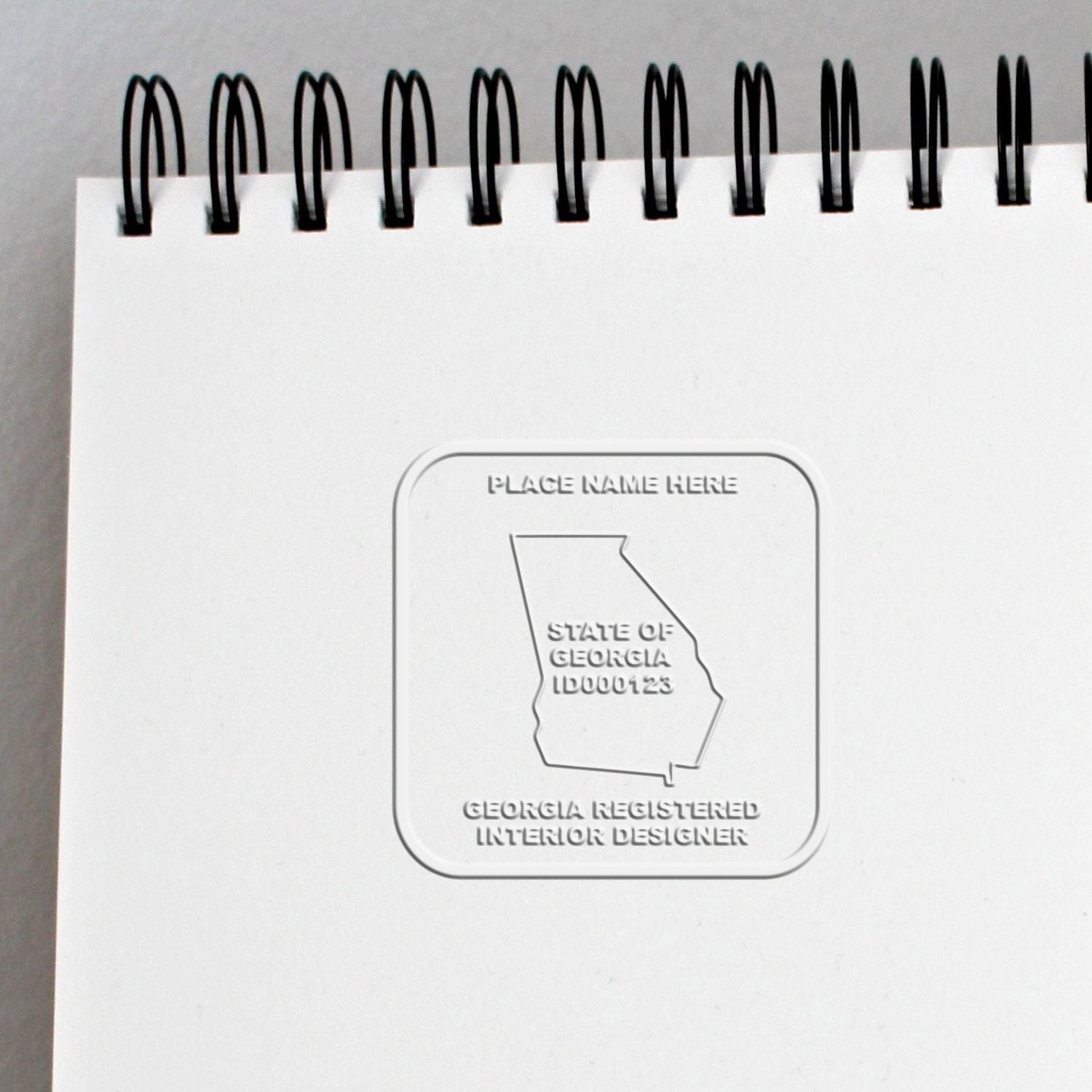
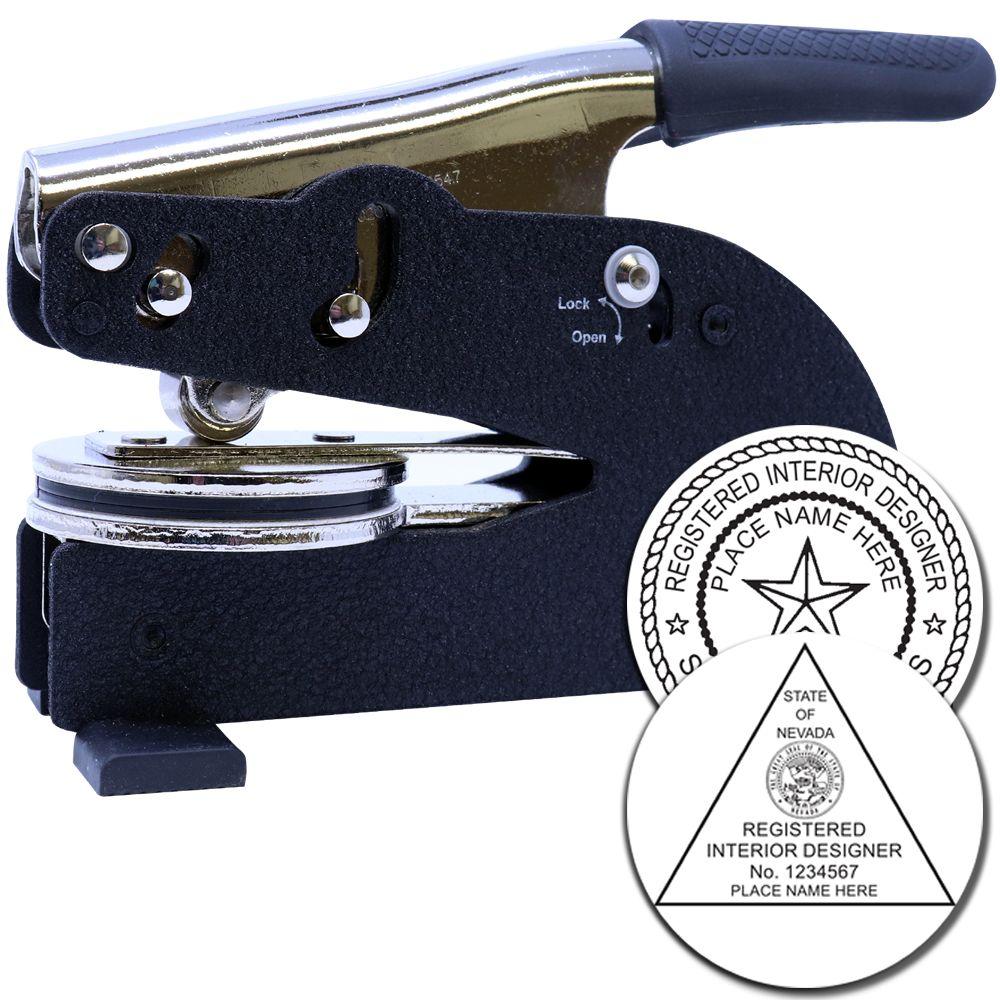
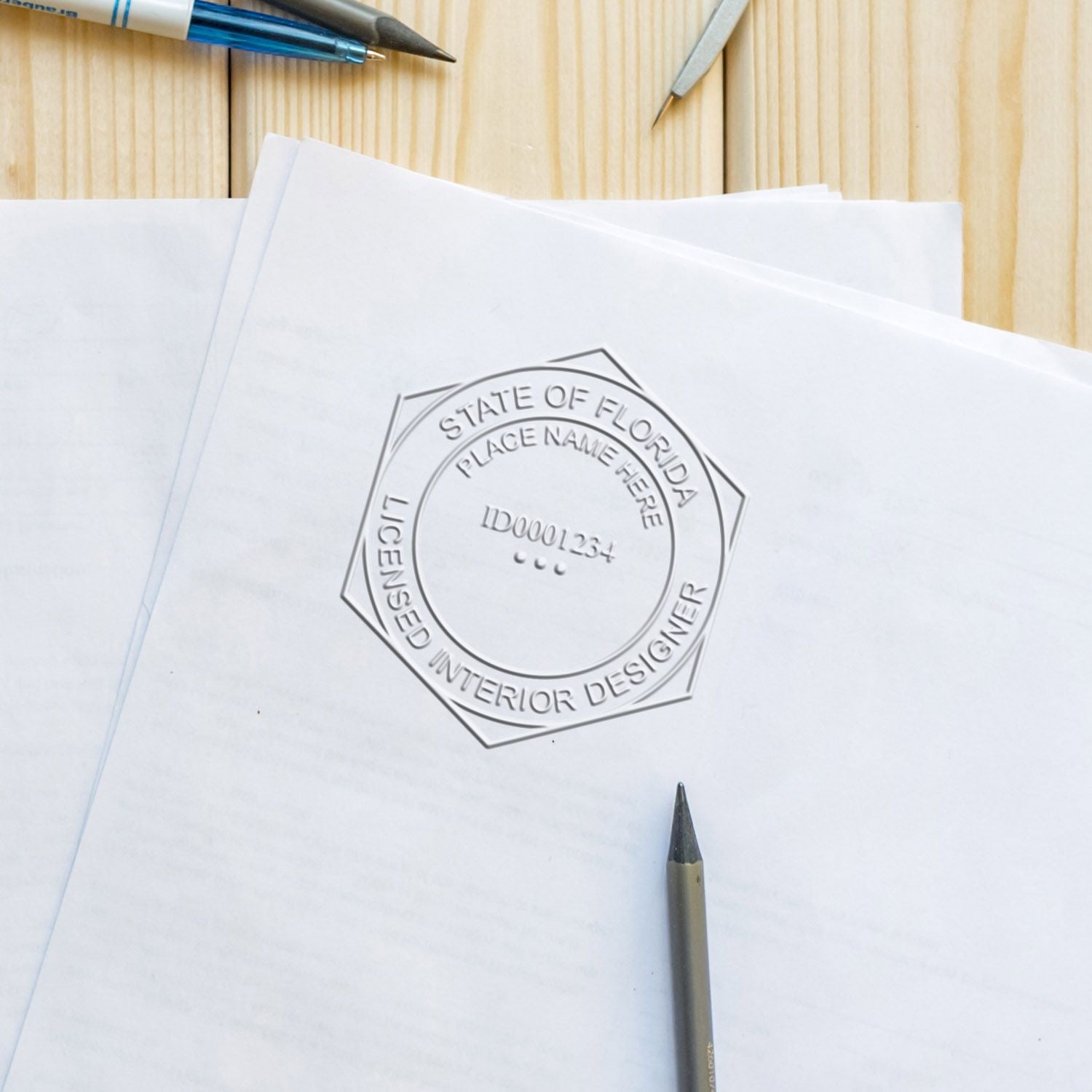
You might notice references to both “stamp” and “seal” for interior designers. Typically, “stamp” refers to the physical device that imprints or embosses your design onto paper. The “seal” is the official impression or digital equivalent that appears on the document itself. If you want more detail, you can also explore a Puerto Rico interior designer stamp here to see how it fits into the broader picture.
Why a Professional Seal Matters
- It’s a legal requirement in many locations, including Puerto Rico.
- It confirms your expertise and eligibility to work on interior design projects.
- It distinguishes your final work from unverified or incomplete plans.
- It can protect you by showing you followed the formal guidelines.
If you’re serious about practicing interior design, having a professional seal is non-negotiable. You’ll avoid administrative headaches down the road and give your clients confidence in your technical know-how.




Meeting Official Requirements
Before applying for your seal, you’ll want to ensure you meet all the specified requirements from local authorities. The island’s regulatory bodies have certain criteria about who can hold a seal, how it’s issued, and what you’re allowed to do with it once you have it.
State License or Certification
To qualify for a Puerto Rico interior designer professional seal, you likely need licensure through the appropriate board or government agency. Requirements vary by jurisdiction, but you generally must:
- Earn a degree or recognized credential in interior design or a related field.
- Complete any required work experience under a licensed professional.
- Pass an exam, if applicable (for instance, the NCIDQ exam in certain places).
- Maintain your license with continuing education units (CEUs) or similar activities.
Local Boards and Agencies
Puerto Rico’s interior design standards are overseen by institutions that confirm whether you meet the necessary prerequisites. These agencies look at your education, practical experience, and exam results. They’ll also specify how much it costs to apply for your license and the timeframe for renewal. It’s vital to keep these details on hand:
- Official transcripts, if required.
- Proof of passing the relevant licensing exams.
- Any official letters verifying your practical experience.
Save all these documents in a dedicated folder. Most boards prefer digital versions, but you might also need printed copies for in-person submissions.



Starting The Application Process
Now that you know the baseline requirements, it’s time to move on to the actual application. Think of this as a structured sequence you’ll follow to officially request your seal from the relevant authority.
Steps at a Glance
- Gather Required Documents
- Complete the Official Application
- Pay Fees, If Needed
- Submit and Await Confirmation
Here’s a quick-reference table that outlines each step:
| Step | Task | Notes |
|---|---|---|
| 1 | Gather Documents | Licensure proofs, transcripts, exam results |
| 2 | Complete Application | Fill out personal info, attach required forms |
| 3 | Pay Fees (If Applicable) | Use accepted payment methods (online or check) |
| 4 | Submit and Await Approval | Keep track of notification timelines |
Helpful Suggestions
- Double-check the official form to make sure you didn’t skip any section.
- Mark important deadlines in your calendar so you don’t miss renewal dates.
- Contact the licensing board if anything is unclear. They’re there to help.
You should receive a confirmation that your application is in review. Response times differ, but if it feels too slow, a polite follow-up call or email can offer peace of mind.
Completing Your Seal Purchase
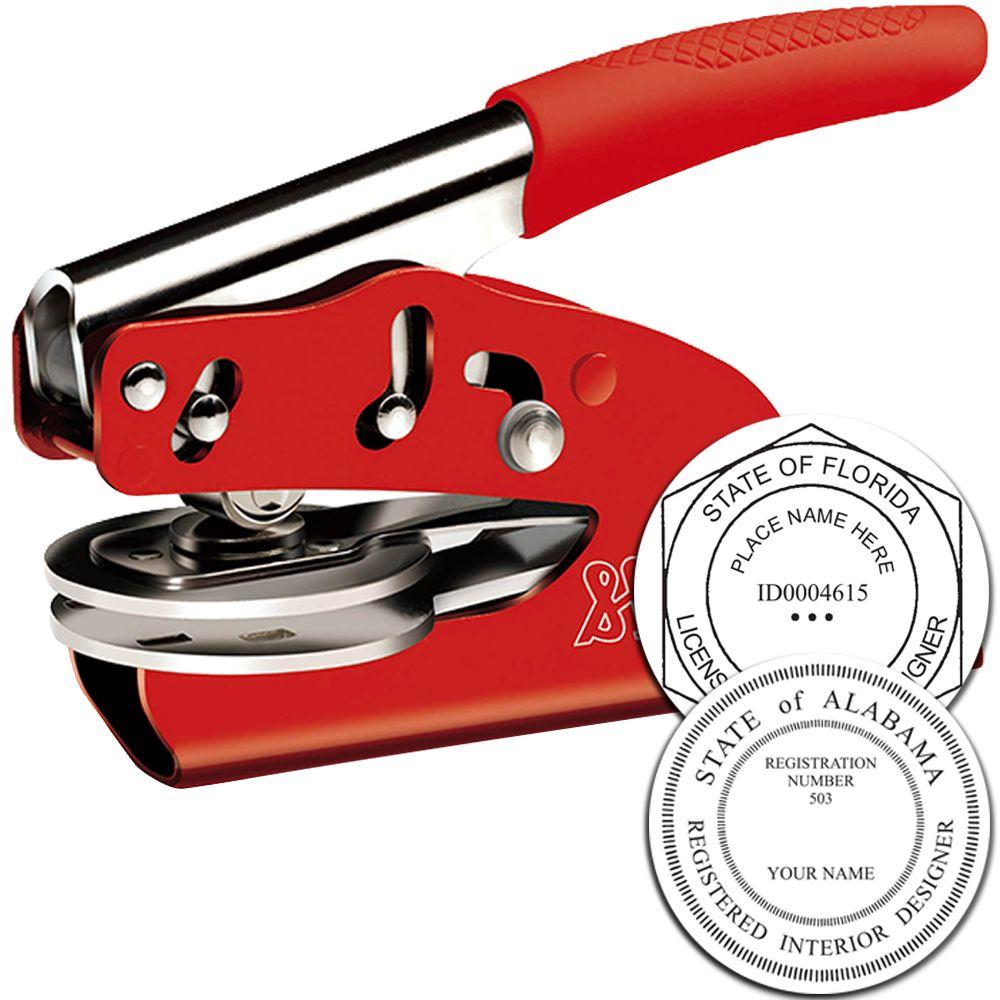
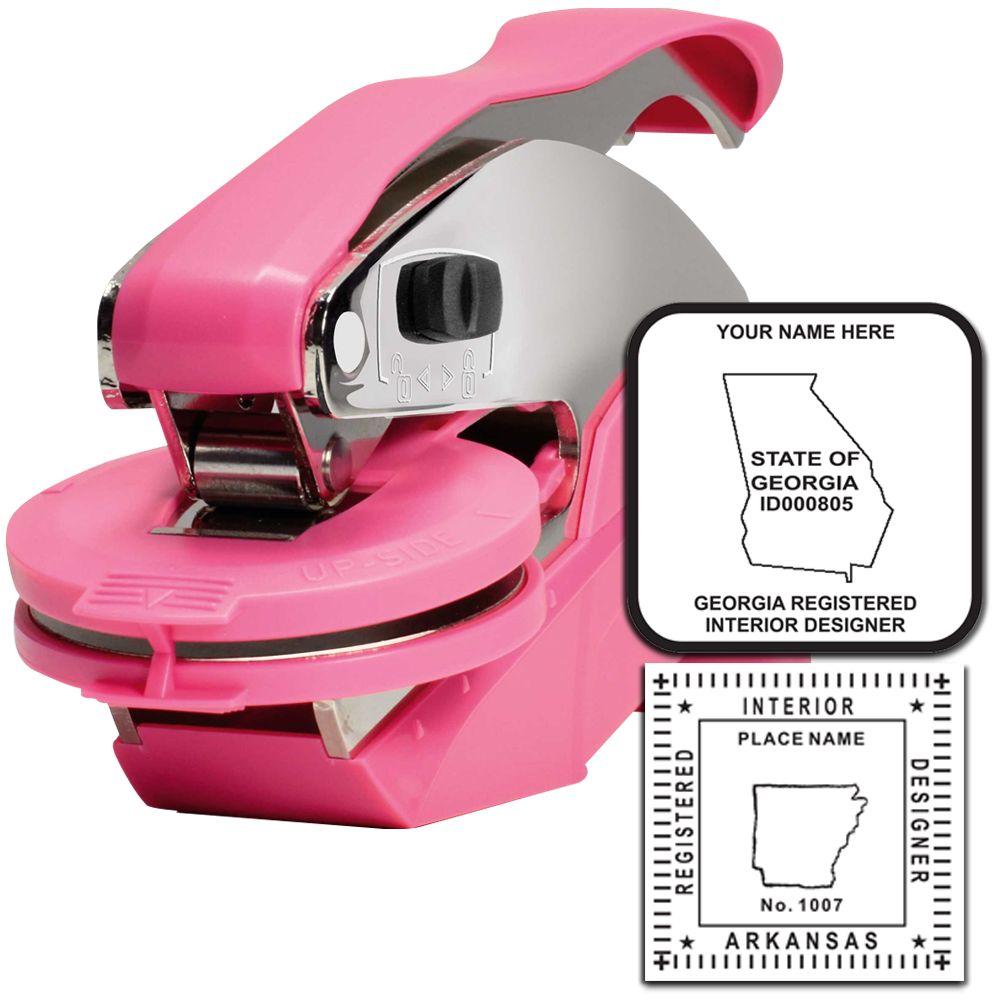
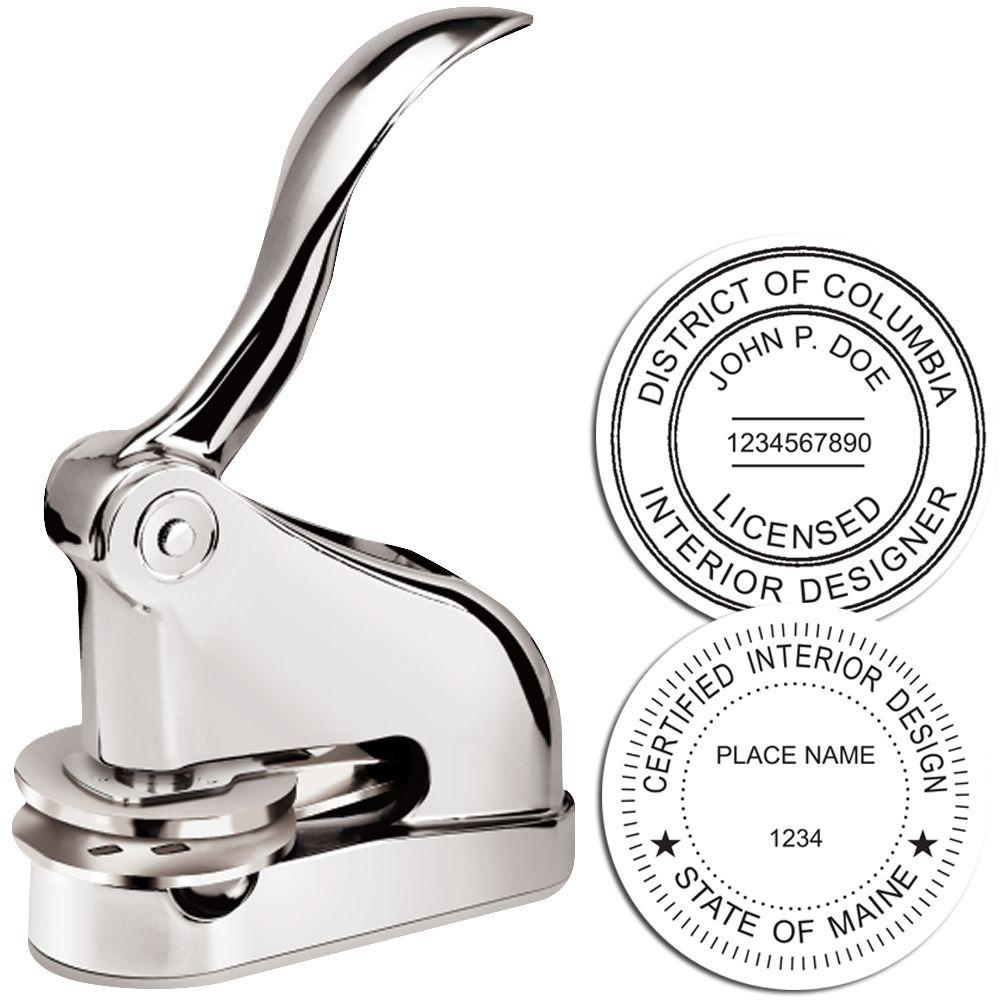
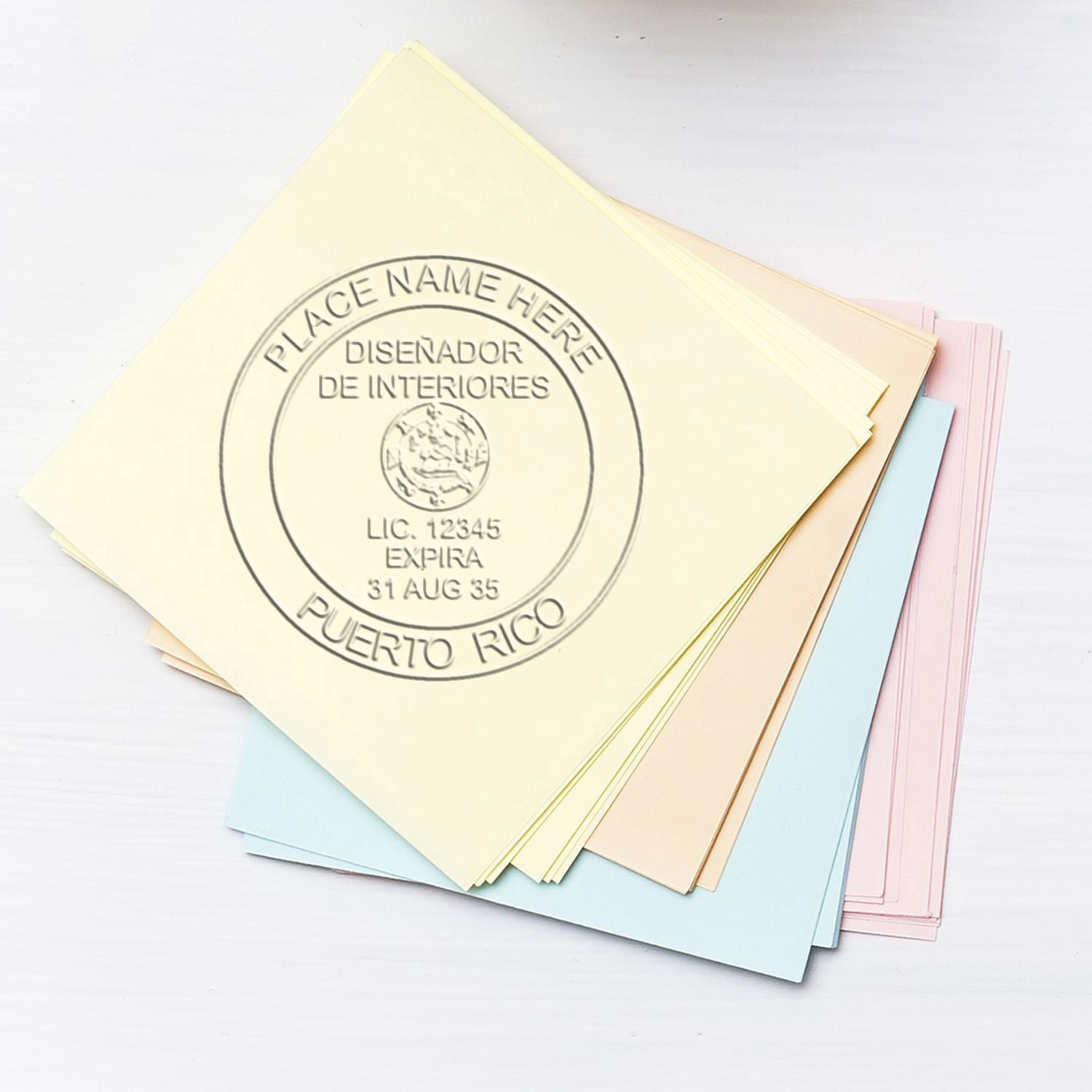
Once you’re approved, you’ll need to buy a physical seal (and possibly a digital version). Acorn Sales has been providing professional seals and stamps since 1964, earning a reputation for reliability in Puerto Rico and beyond. When you order your seal, you’ll likely choose from various formats:
- Embossing seals (which create a raised impression).
- Self-inking stamps (convenient for multiple documents).
- Pre-inked stamps (delivering crisp, consistent impressions).
Acorn Sales also provides a free digital seal bundled with many of its physical products, making it simple to authenticate electronic documents. This digital seal is especially handy if you frequently submit drawings or plans online.



Checking for Official Compliance
Different boards have precise guidelines about how your seal must appear. They might dictate:
- Diameter or dimensions of the circular seal.
- Specific wording, such as your name, license number, or the phrase “Licensed Interior Designer.”
- Layout and font size.
Make sure your final proof from the seal vendor meets these specifications. If there are any corrections, most reputable suppliers will fix them promptly. Buying from a specialized company ensures you aren’t stuck with a subpar or noncompliant product.
Using Your Seal Responsibly
Sealing your drawings, reports, or contracts is a foundational step in validating your interior design work. However, you must treat your seal with care to maintain its credibility. Here’s the thing: your seal represents your professional standing, so misuse could lead to disciplinary actions.
Where and When to Seal
- Official Documents: plan sets, final drawings, specifications, or reports intended for clients or regulatory authorities.
- Contractual Agreements: in some instances, you may need to seal documents that outline design responsibilities and liability.
- Addenda or Revisions: if you adjust plans, ensure you re-seal them, noting any new revision dates.
Storage and Security
- Keep your physical seal in a safe, locked area to prevent unauthorized use.
- Store digital seal files on a secure device, preferably with password-protected access.
- Include an up-to-date antivirus program on your computer so nobody can copy or tamper with your digital seal.
Potential Pitfalls
- Sealing documents you didn’t create or closely oversee.
- Allowing a colleague or friend to use your seal.
- Failing to renew your license on time and still using the seal afterward.
Steering clear of these pitfalls helps protect your professional reputation and preserves public trust in accredited interior designers.
Before you apply for your seal
Obtaining your Puerto Rico interior designer professional seal clears a bureaucratic hurdle and marks your professionalism and accountability. You’ll likely begin by confirming that you satisfy the island’s licensing requirements, gathering all relevant transcripts and references, then submitting a formal application. Once approved, you’ll choose a reputable supplier, such as Acorn Sales, to provide a compliant physical or digital seal. Their decades of industry experience guarantee you’re getting a durable, high-quality product that meets legal specifications.
After your seal arrives, make sure you handle it with caution. Seal only the documents you personally oversee or create, and never lend your seal to unlicensed colleagues or friends. Keep a careful record of every instance you use it, this not only demonstrates professionalism but also protects you from any potential legal issues in the future. Finally, remember to renew your license in time to keep your seal active.
If you’re ready to move forward, start by confirming your eligibility and organizing those forms. The next steps, applying, acquiring the seal, and putting it to proper use, are all manageable once you have a game plan. With your official seal in place, you can present your work to clients and municipalities. Good luck on your journey, and don’t hesitate to reach out if you need a trusted partner to guide you through the process.
Frequently Asked Questions
Do I need separate seals for different specialties?
Generally, a single seal linked to your interior design license is sufficient. If you also hold credentials in architecture or engineering, you’ll likely need separate seals for those fields.
What if I lose my physical seal?
Contact your board or professional association immediately. Many will require a written statement explaining that the original seal is lost. You may then purchase a replacement from an approvedvendor like Acorn Sales.
Is a digital seal acceptable for online submissions?
Yes, digital seals are widely recognized, especially if they meet security standards like encryption. Acorn Sales provides a free digital seal that complements its physical stamps, so you can conveniently finalize electronic documents.
How often do I need to renew my seal or license?
Each board sets its own interval, often every one to two years. Renewing your license keeps your seal valid. Double-check with your board to confirm the exact timeline and fees, if any.








