

Requirements for the Connecticut State Engineering Seal
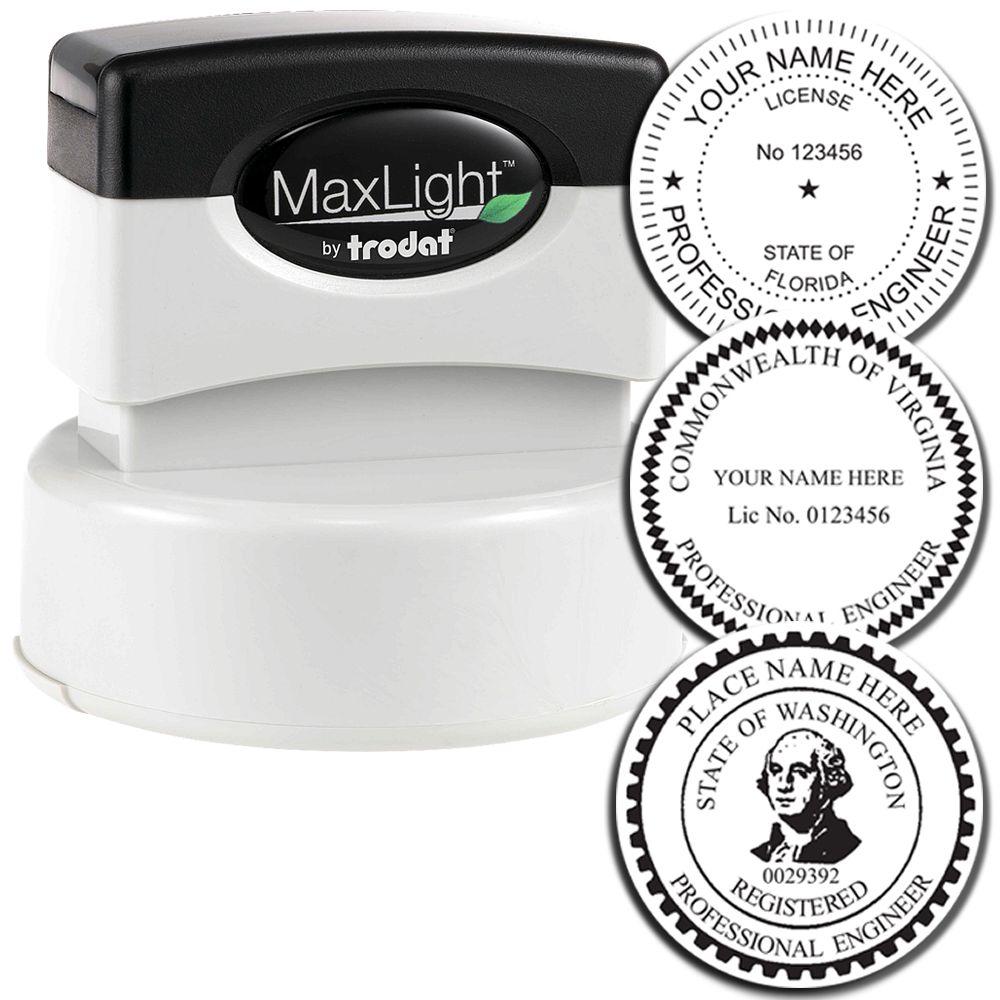
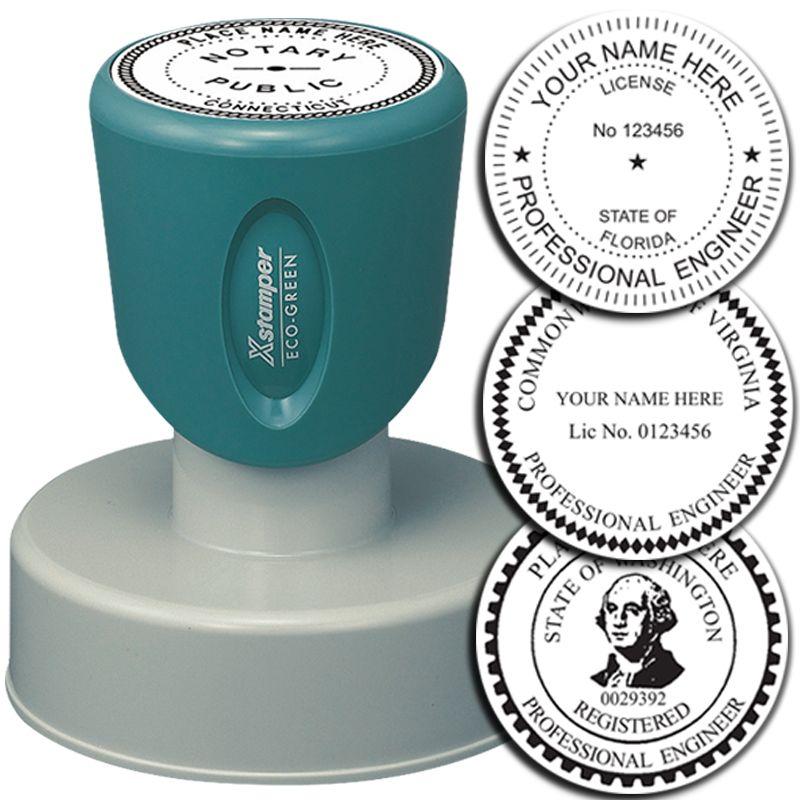
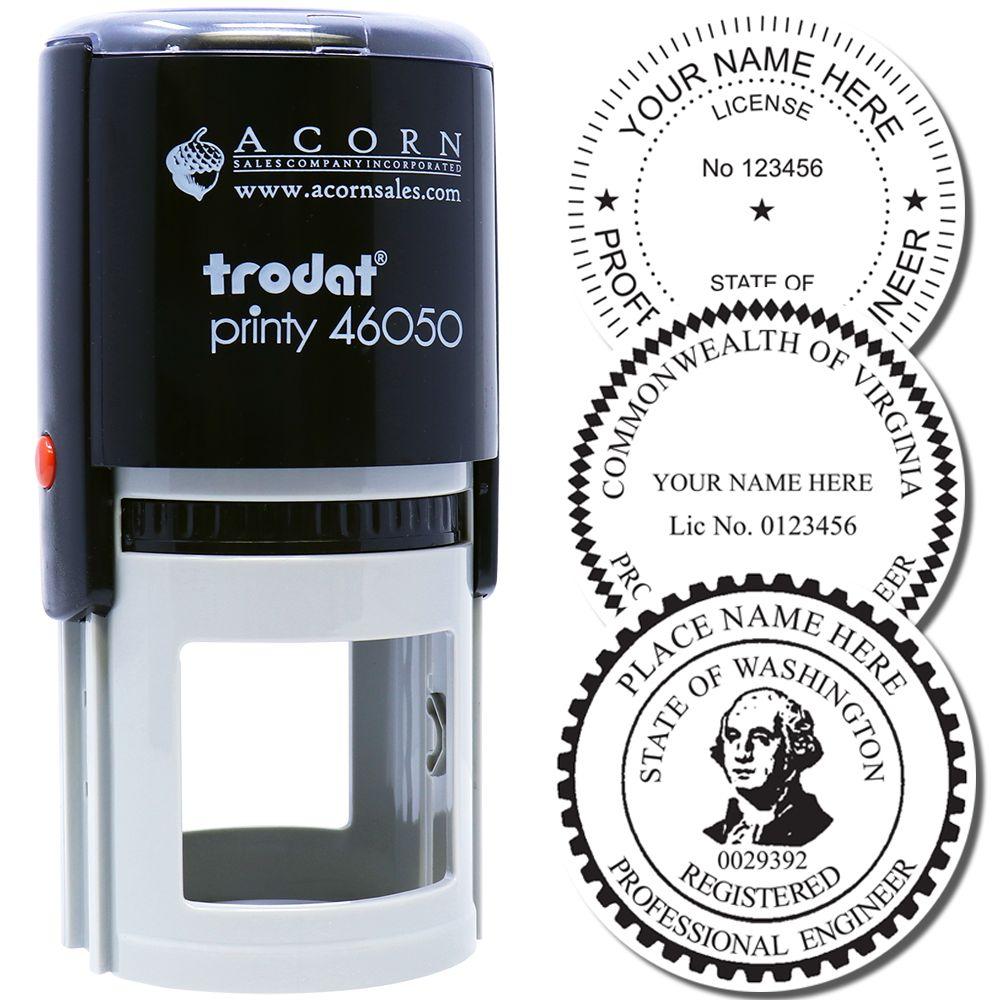
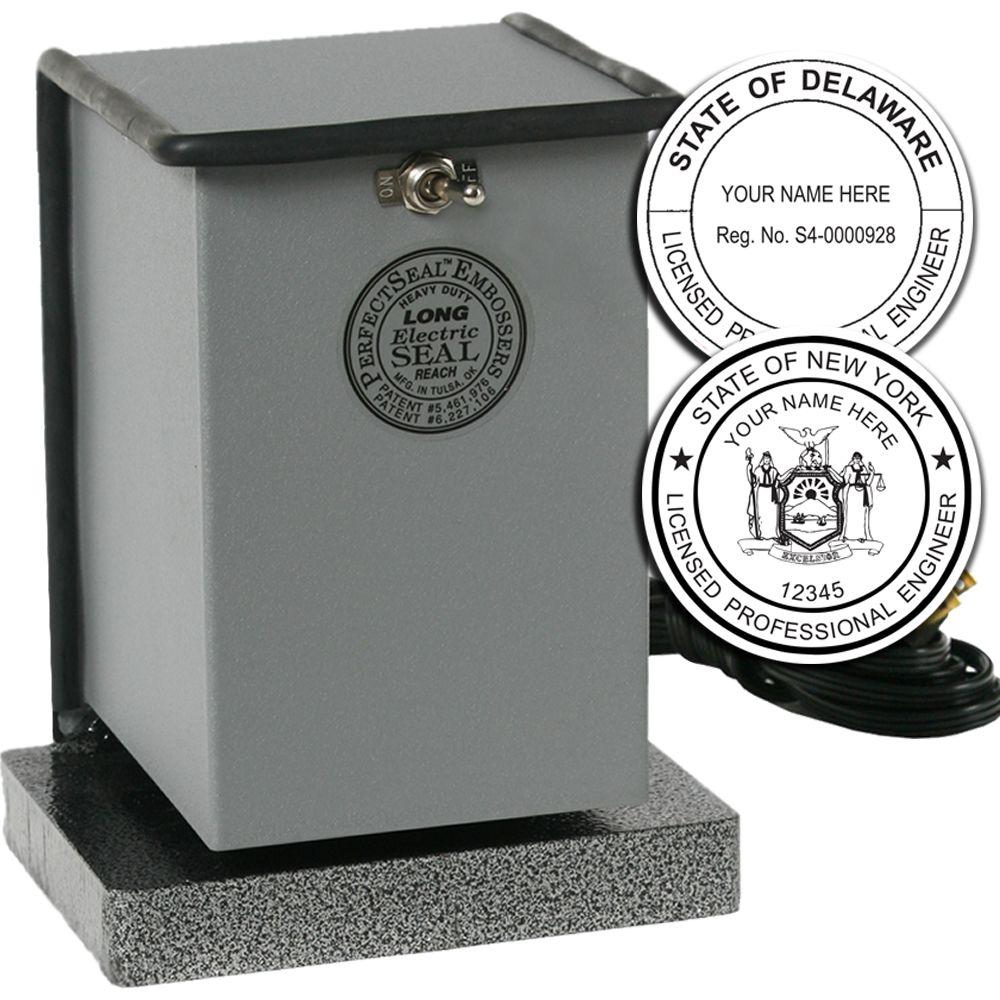
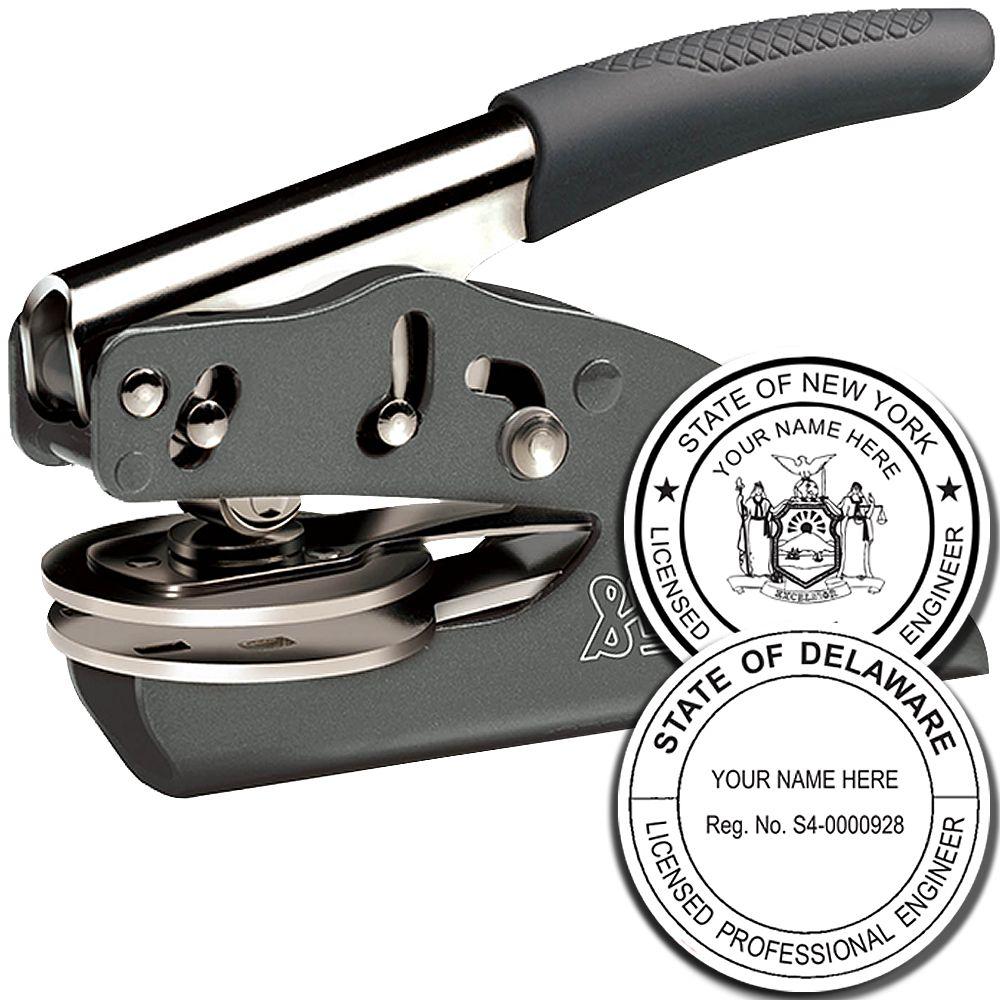
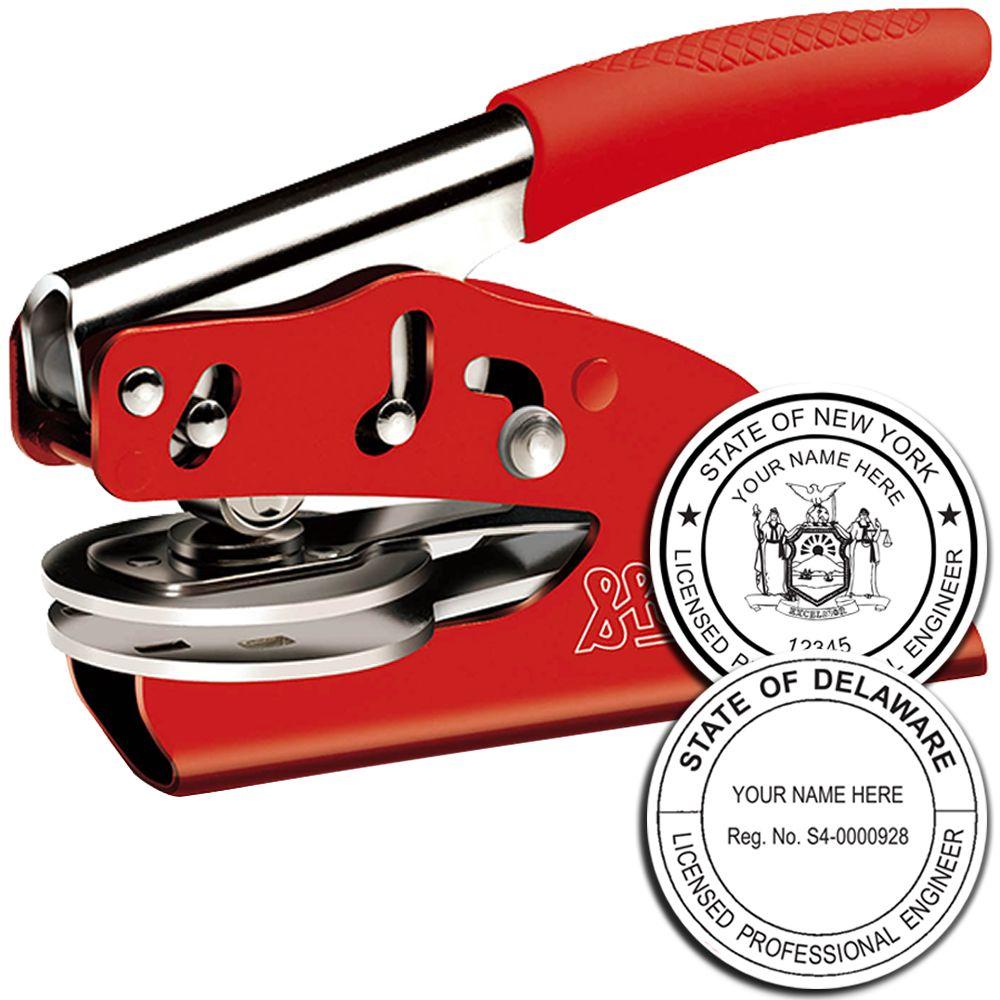
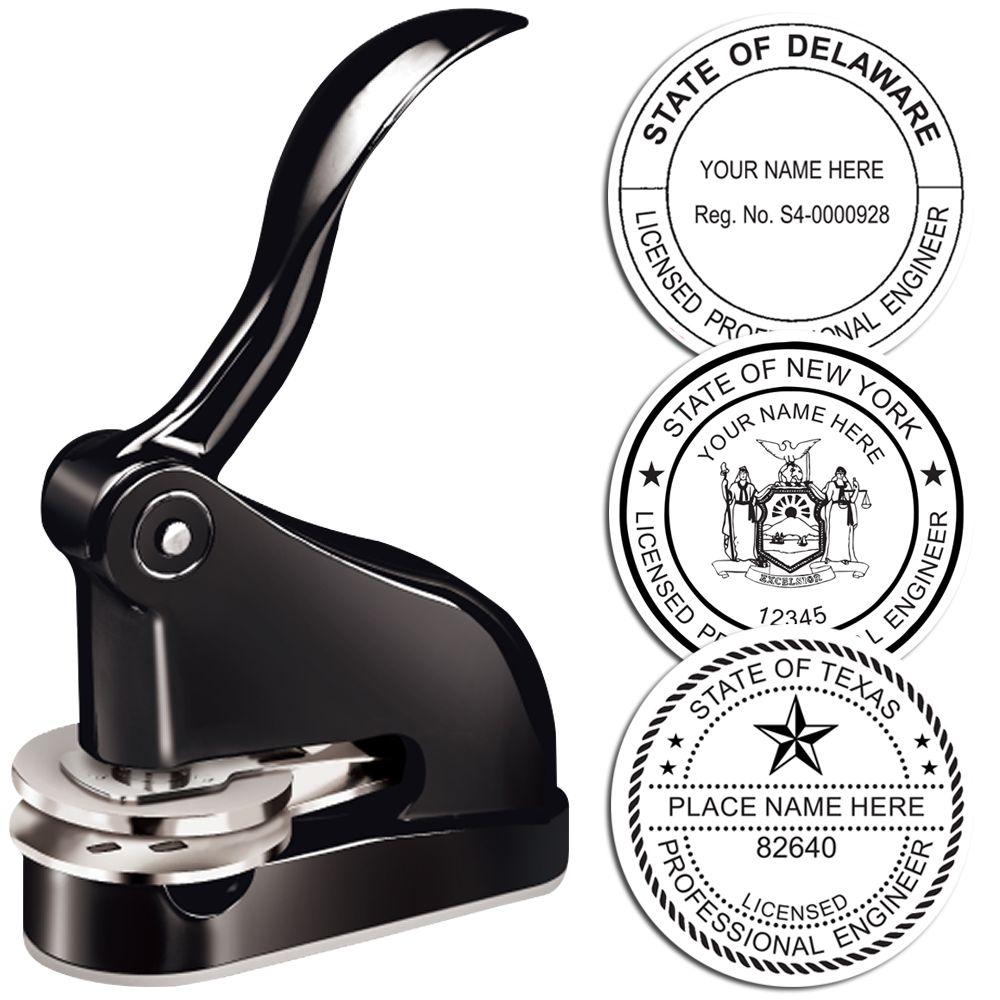
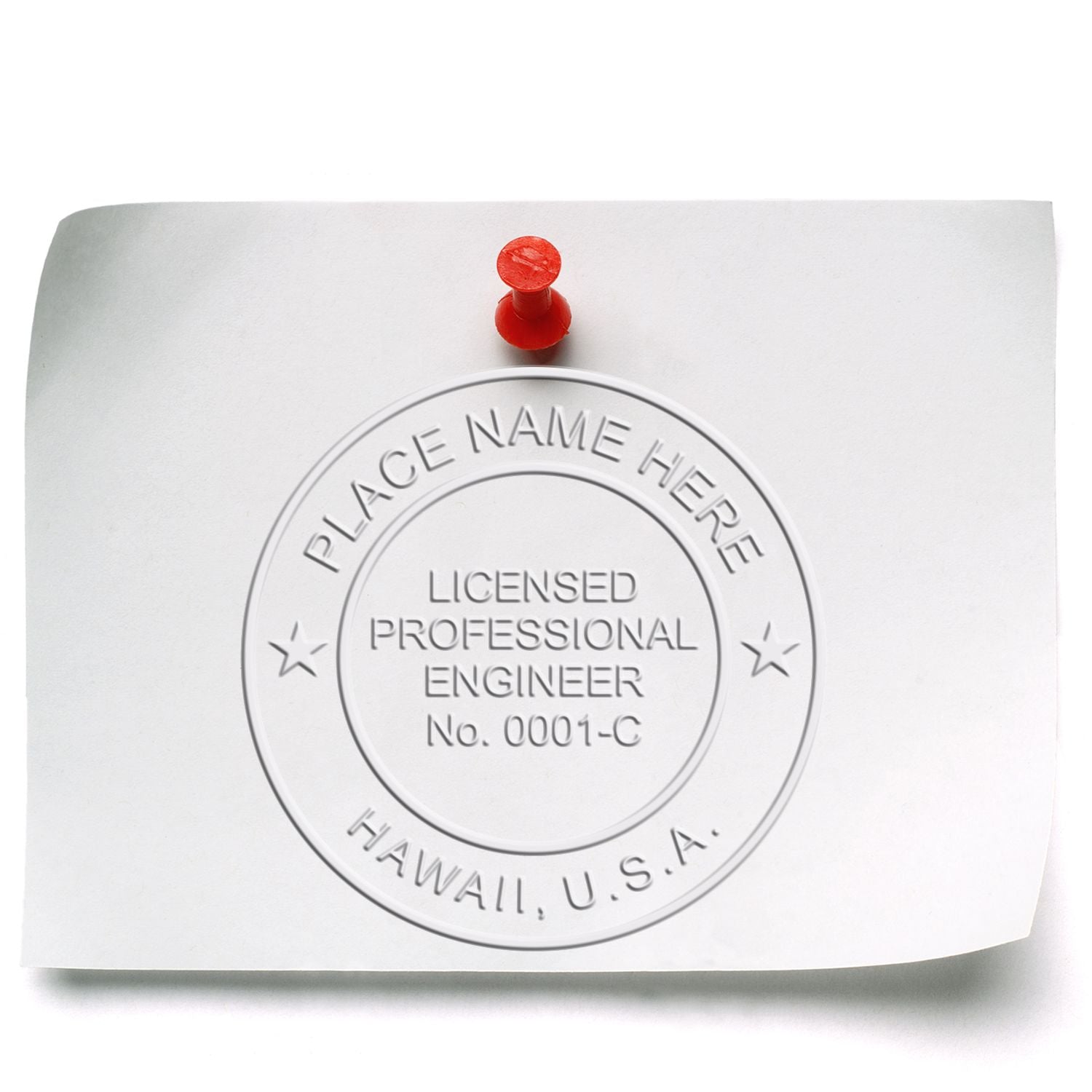
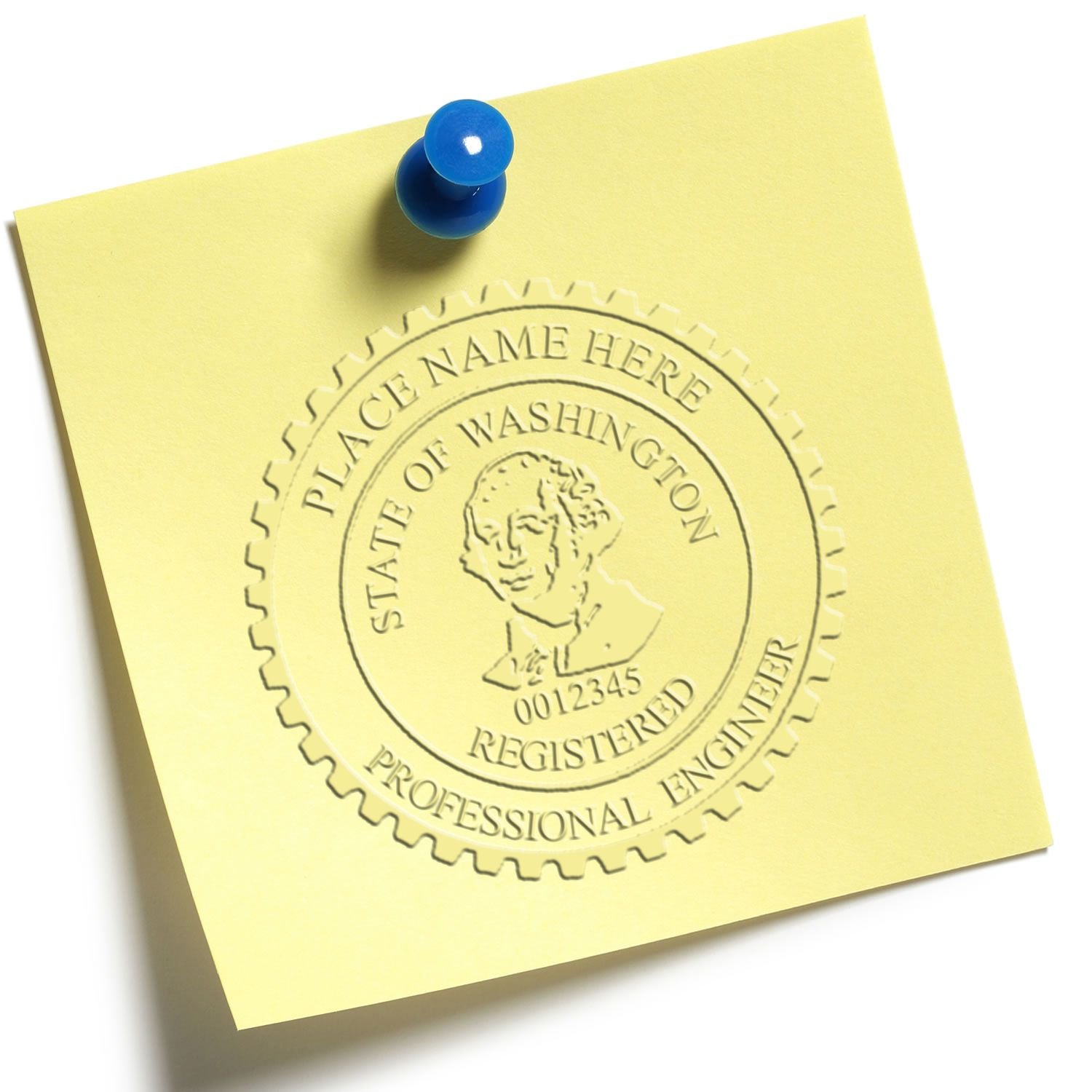
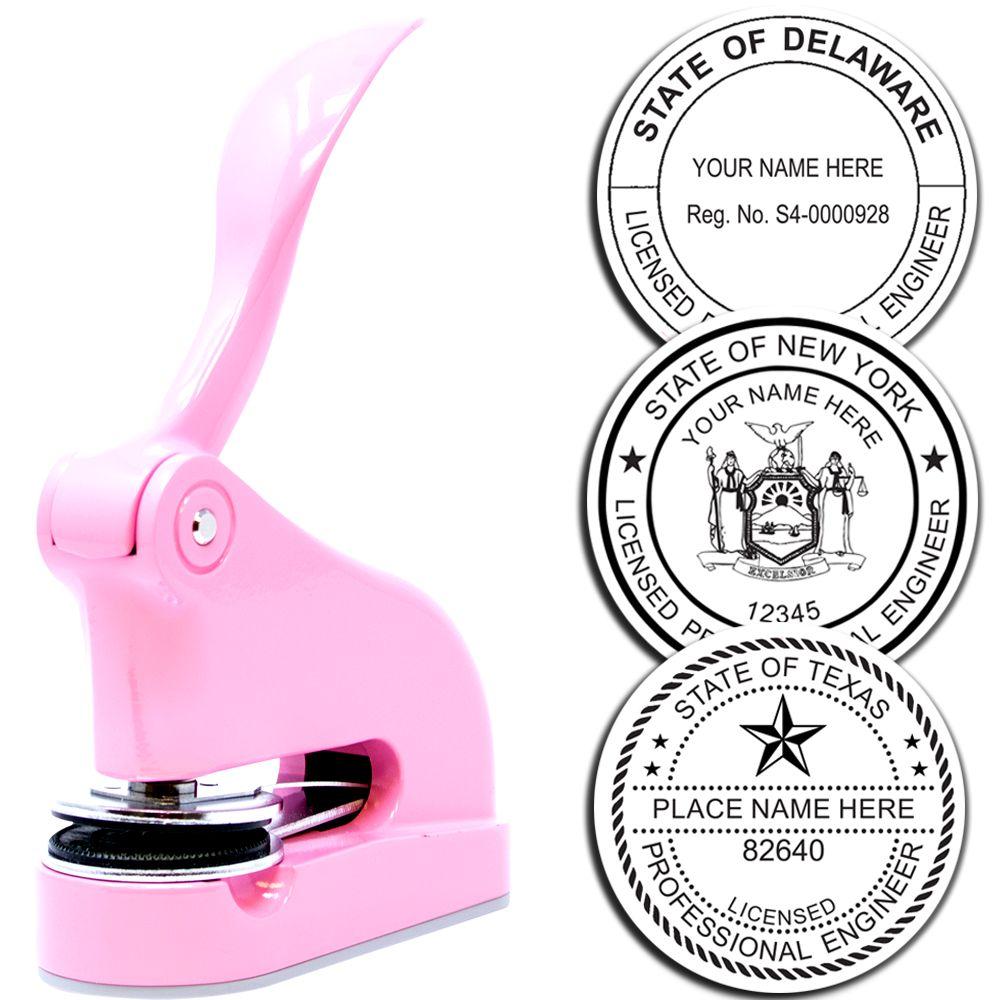
Once an engineer obtains their license in the state of Connecticut, they are required by the board to purchase a Connecticut engineer embossing seal. The seal may be a rubber stamp or an embossing seal, depending on which the licensee chooses. The diameter of seal must be 1 and ½ inches in size. If the licensee is a surveyor and an engineer, they much obtain two separate seals. One seal needs to be the Connecticut engineer embossing seal while the other needs to be a land surveyor seal.





Documents on Which to Affix Your Seal
The Connecticut engineer embossing seal needs to be affixed to the following types of documents:
- Plans
- Maps
- Surveys
- Sketches
- Drawings
In the case where a document has more than one page, a single seal on one sheet of paper is sufficient, unless the engineer is filing plans. In the case of filing for building permits or plans, the engineer needs to use the Connecticut engineer embossing seal on each sheet of the document.
Those who hold a Connecticut engineer embossing seal are responsible for sealing documents properly, as well as keeping track of their seal. If the seal or stamp has been lost, it needs to be reported to the board of examiners, as well as the department of consumer protection. The report should be filed immediately and no later after 15 days. If the lost seal or stamp is not reported within this time frame, the board may take disciplinary action against the licensee. Once the loss report is filed, the licensee may petition for a new license. Any abuse of the lost stamp or seal is considered the licensee’s responsibility until the loss has been reported.









The Responsibility of Using Your Seal
An engineer who uses the Connecticut engineer embossing seal on any document or report takes full responsibility for the contents of that document. The licensee should only affix the seal to reports and documents they have prepared personally, or employees under their supervision have prepared.
If the seal is applied to a document not prepared by the licensee or an employee under their supervision, a written evaluation needs to be completed. The evaluation needs to contain the project, sources of documents, and the people or organization the evaluation was completed for. The seal, along with the signature of the licensee, should be applied to the evaluation to make it complete.
Frequently Asked Questions
What are the Connecticut engineer embossing seal requirements?
In Connecticut, licensed engineers are required to use a seal that is either a rubber stamp or an embossing seal. The seal must be 1 1/2 inches in diameter and include the proper Connecticut engineering identification. If you are licensed as both an engineer and a surveyor, you must have two separate seals: one for engineering and one for land surveying.
What documents need the Connecticut PE embossing seal?
The Connecticut PE embossing seal should be affixed to plans, maps, surveys, sketches, and drawings. For documents with multiple pages, one seal may be enough unless the filing is for building permits or plans. In those cases, each sheet must be sealed individually to meet Connecticut requirements.
Can I use a Connecticut engineer stamp instead of an embossing seal?
Yes, Connecticut allows licensed engineers to use either a rubber stamp or an embossing seal, depending on their preference. Both options must meet the state’s requirements and be used properly on qualifying engineering documents. Many professionals choose based on document presentation, office workflow, and ease of recordkeeping.
What should I do if my Connecticut engineer seal is lost or stolen?
If your Connecticut engineer embossing seal or stamp is lost, you must report it immediately to the board of examiners and the Department of Consumer Protection. The report must be filed no later than 15 days after the loss. If you fail to report it on time, disciplinary action may be taken, and any misuse of the lost seal remains your responsibility until it is reported.
When am I responsible for a document I seal in Connecticut?
Once you affix your Connecticut engineer embossing seal to a document, you are taking responsibility for its contents. You should only seal documents that you personally prepared or that were prepared by employees working under your supervision. If the document was not prepared by you or your team, a written evaluation is required before sealing.
Do I need to seal every page of a Connecticut engineering plan set?
In most cases, one seal on a single page may be enough for a multi-page document. However, when submitting plans for building permits or plan filings, the Connecticut engineer embossing seal must be applied to each sheet. This helps ensure the full plan set meets state compliance requirements.








