
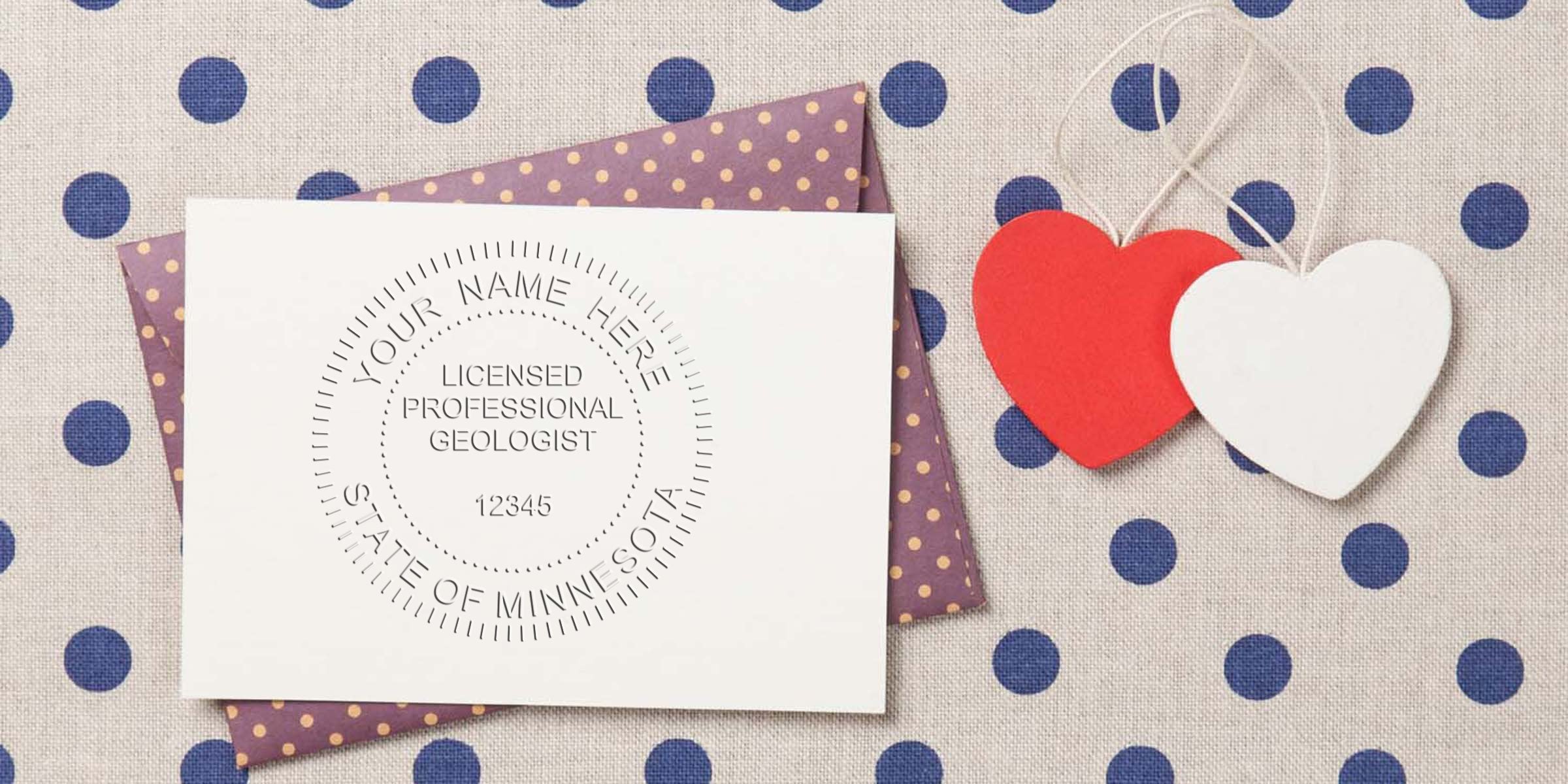
If you’re planning to purchase your Minnesota Geologist seal but feel overwhelmed by the process, you’re certainly not alone. Many geologists worry about selecting the right seal format, meeting board requirements, and figuring out which supplier to trust. The good news is, once you know the basics, the entire journey becomes much simpler. You just need a clear understanding of Minnesota’s licensing rules and a helpful guide on picking the best products. Let’s walk through each step so you can secure your official seal with total confidence and avoid any last-minute headaches.
Get Familiar With The Requirements
Before you buy your official seal, it’s vital to understand the guidelines set by the Minnesota licensing board. The term “seal” can refer to both a physical stamp (often self-inking or pre-inked) and an embosser (a device that presses the design into paper). Each option has to meet certain specifications, so you don’t accidentally end up with an invalid format.
- Check License Status. Make sure your geologist license is active in Minnesota. Only licensed professionals are permitted to use the seal.
- Know The Layout. The state generally requires that the seal include your name, “Licensed Professional Geologist,” “State of Minnesota,” and your license number. Always confirm you have the correct text and spacing before anything gets manufactured.
- Confirm Authority. Official seals typically reference the Minnesota Board of Architecture, Engineering, Land Surveying, Landscape Architecture, Geoscience, and Interior Design. Even if you don’t see the full board name printed, standards still come from them, so check their website if you need more info.
One common question is whether you need to incorporate a digital version of your seal. Many employers and clients now prefer electronic documents, so a digital seal can be a practical supplement to your physical stamp or embosser. Knowing your requirements up front will help you avoid any misprints, reduce delays, and save you money by getting the right product on your first try.
Decide On Your Seal Type
When it comes to official seals, you have a few popular formats. Each serves the same purpose in verifying your documents, but the experience can differ in terms of convenience, style, and cost.
Stamps And Embossers
- Pre-Inked Stamp. A pre-inked stamp comes with ink stored in the handle, so you don’t need a separate pad. It produces crisp, sharp impressions that dry quickly, making your workflow faster and tidier.
- Self-Inking Stamp. Similar to pre-inked, but it often has a built-in ink pad you can replace or refill. These stamps are slightly less expensive than pre-inked ones, but they still provide clear results.
- Traditional Rubber Stamp With Pad. This option requires a separate ink pad. While it can be cost-effective, you’ll need to keep an eye on ink levels and store the pad properly.
- Embosser. An embosser creates raised impressions on paper. It feels more formal and professional, but it can be slightly trickier if you work with thick paper or large documents. Still, many geologists love the classic look and secure feel an embosser provides.
Digital Seal
It’s becoming increasingly common for geologists to submit electronic reports. A digital seal (often provided as a high-resolution image file) covers this need by letting you “stamp” your documents electronically. Some suppliers, such as Acorn Sales, offer a free digital seal when you purchase your Minnesota Geologist seal in physical form, making it easy to handle both paper and digital versions of your official documentation.
The choice ultimately depends on your day-to-day tasks. If you print and sign many physical reports, a traditional stamp or embosser is a must. If you frequently send PDF documents or work remotely, a digital seal is extremely handy. Most professionals opt for a combination, ensuring they can handle any situation thrown their way.
Confirm Necessary Details
Once you’ve decided on a seal format, you’ll want to confirm the design and specifics that align with Minnesota’s rules. This step is all about preventing technical or legal snags.
- Spellings And License Number. You’d be surprised how often a small typo (like a missing middle initial) can cause trouble. Double-check the spelling of your name and confirm your license number.
- Layout Requirements. Minnesota typically follows a circular design for geologist seals. Make sure the diameter and wording match the board’s latest regulations. If you’re unsure which format is currently recognized, check with your state board or request a sample from your stamp supplier.
- Font And Size. Some boards specify text size, typeface, or whether it’s bold or simple. If you see any mention of required fonts, pass that info along to your supplier so they can incorporate it without guesswork.
- Digital Format (If Needed). For your electronic seal, ensure you get a high-quality file (usually PNG, JPEG, or TIFF) with sufficient resolution. You want clean edges, so your digital seal looks just as professional as your physical one.
It helps to keep a checklist or a short set of notes for your own reference. That way, if you order multiple stamps or need to provide details again, you have everything at your fingertips. Mistakes at this stage can be expensive—nobody wants to reorder a seal because of a minor oversight. So take a moment to verify everything is correct before moving forward.
Choose A Reputable Vendor
Selecting a reliable supplier can remove a lot of headaches. A dedicated stamp and seal company will guide you through the specifics, ensuring you meet Minnesota’s guidelines while receiving a durable product that stands the test of time. One popular choice for geologists is Acorn Sales.
Why Acorn Sales?
- Trusted Supplier Since 1964. With more than half a century of experience, Acorn Sales has earned a reputation for quality and knows how to navigate industry standards for Minnesota Geologists.
- Comprehensive Product Range. You’ll find multiple seal options, including pre-inked stamps, self-inking stamps, and embossers. This variety is perfect if you’re not sure which style suits you best.
- Free Digital Seal Included. When you purchase a physical seal, you also get a digital version at no additional cost. This is fantastic if your workflow mixes paper and electronic documents.
- Expertise In State Guidelines. If you’re still unsure about the correct specifications, you can ask their customer service team for guidance. They’ll help confirm that your design meets official requirements.
Of course, Acorn Sales isn’t the only supplier in the world, but you want someone with proven expertise in Minnesota Geologist stamps and seals. If you opt for a cheaper, lesser-known provider, you risk receiving a product that doesn’t fit official standards. This can lead to rejections of your professional documents, which is a headache no one wants. A reputable vendor will prioritize accuracy and ensure every detail is properly captured on your seal.
Look For Customer Feedback
Even if you have a recommended vendor in mind, reading online reviews or talking with colleagues can help reinforce your decision. Ask around in professional forums or see if your local geology community has suggestions. Word-of-mouth recommendations often reveal insights about shipping times, customer service quality, or any issues others encountered.
Finalize The Purchase Steps
Now that you’ve pinned down your seal format, finalized the details, and chosen a trustworthy vendor, it’s time to wrap up the purchase. This stage is fairly straightforward, but it’s a good idea to follow a clear routine so nothing slips through the cracks.
- Provide All Required Info. Your vendor will typically need your full name (as it appears on your license), your license number, and any official text required by Minnesota. Make sure it’s all accurate.
- Confirm The Design Proof. Request a proof (digital preview of your seal) before production. Most companies send you a PDF or image so you can verify details. Look closely for typos or spacing errors.
- Ask About Shipping Options. Some providers offer expedited shipping, while others stick to standard ground delivery. If you’re under a tight deadline, paying for faster shipping might save stress later.
- Inquire About Bulk Discounts. Do you need multiple seals or stamps? Some professionals prefer having duplicates in case of damage or simply to store in different locations. Check if you can get a better rate by ordering extras at once.
- Check Return Policies. In rare cases, you might need to correct an error or switch stamp types. A good vendor should have a reasonable return or exchange policy if the cause is on their end.
Once these steps are complete, you’re on the home stretch. The key is to stay organized so you can troubleshoot quickly if any issue pops up. Whenever possible, store all related emails, proofs, and documents in a dedicated folder on your computer so you can easily reference them.
Usage And Maintenance Tips
Owning a Minnesota Geologist seal isn’t just about buying it—it’s also about keeping it in top-notch condition. Whether you use a stamp or an embosser, regular care ensures your impressions stay clear and professional.
- Store Properly. Keep your seal away from direct sunlight or extreme temperatures, which can cause warping or ink issues. If you have a self-inking or pre-inked stamp, store it upright to avoid accidental leakage.
- Re-Ink As Needed. Pre-inked and self-inking models eventually dry out. Follow the manufacturer’s instructions to refill ink without damaging the stamp. Doing so extends its life and maintains consistent impressions.
- Keep It Clean. Dust and debris can collect in the grooves of a stamp or on the plates of an embosser. A quick wipe with a soft cloth can remove buildup. Avoid harsh chemicals that might erode the design.
- Practice On Scrap Paper. If you’re stamping or embossing a high-stakes document, it never hurts to test your seal on scratch paper first. This way, you can confirm proper alignment and ink levels before the final impression.
While it might sound basic, these small steps can preserve the life of your seal for years. Plus, you’ll maintain a professional appearance on every project. Don’t risk a smudged document simply because you forgot to refill your ink or clean your embosser.
Use Your Minnesota Geologist Stamp Confidently
With your official seal in hand, it’s time to integrate it into your daily workflow. Whether you’re reviewing geological surveys, signing off on environmental reports, or confirming compliance with state regulations, your stamp or embosser signals that you’ve consulted and verified the data as a licensed professional.
If you ever run into a scenario where multiple geologists are working on a single project, keep in mind that each licensed professional typically needs an individual seal. It’s not usually permissible to share a seal among multiple license-holders. Having your own seal is part of maintaining integrity and traceability in professional documents.
For those who handle a mix of physical and digital projects, remember that you likely have a free digital seal (especially if you purchased from a supplier like Acorn Sales). This digital version is incredibly useful for online submissions. You can embed the seal in your PDFs or other electronic files without needing to print everything out.
Link To A Minnesota Geologist Stamp
If you need more insight into the exact qualities of the stamp itself, you can check out this Minnesota Geologist Stamp for a closer look at product styles. You’ll find details on how the impression appears, sample layouts, and additional guidelines about usage. This link is particularly helpful if you’re still debating between a self-inking or a pre-inked model and want a clear visual reference.
By covering the essentials and considering your own workflow, you can feel completely at ease when the time comes to purchase your Minnesota Geologist seal. Whether you prefer a modern stamp, a timeless embosser, or a handy digital version, there’s a sure way to meet your needs without stress. With a reputable supplier like Acorn Sales—who’s been in business since 1964 and even throws in a free digital seal—you’ll soon have a fast, hassle-free experience and the peace of mind that your official documents are buttoned up, professional, and ready for any inspection.
Frequently Asked Questions
Do I Really Need A Minnesota Geologist Seal For My Documents?
If your work requires stamping final reports or official drawings under state regulations, the answer is yes. The seal is part of proving that a licensed geologist reviewed and certified the contents.
Can I Reuse The Seal If I Change My Name Or License Number?
Generally, no. Changing your personal or licensing information calls for a new seal to remain valid. You might think about just modifying your existing seal, but Minnesota typically treats any labeling changes as requiring a fresh seal.
How Soon Can I Get My Seal Delivered?
Delivery times can vary by vendor. Acorn Sales, for instance, strives to ship orders quickly and offers expedited options if needed. It’s always wise to check lead times during your proof approval phase so you can plan accordingly.
What If I Need To Order Multiple Seals?
You can usually get a discount for ordering in bulk. Some folks like having a stamp at the office, one at home, and an embosser for more formal documents. Just confirm details with your vendor to ensure you get the best deal and correct format for each item.








