
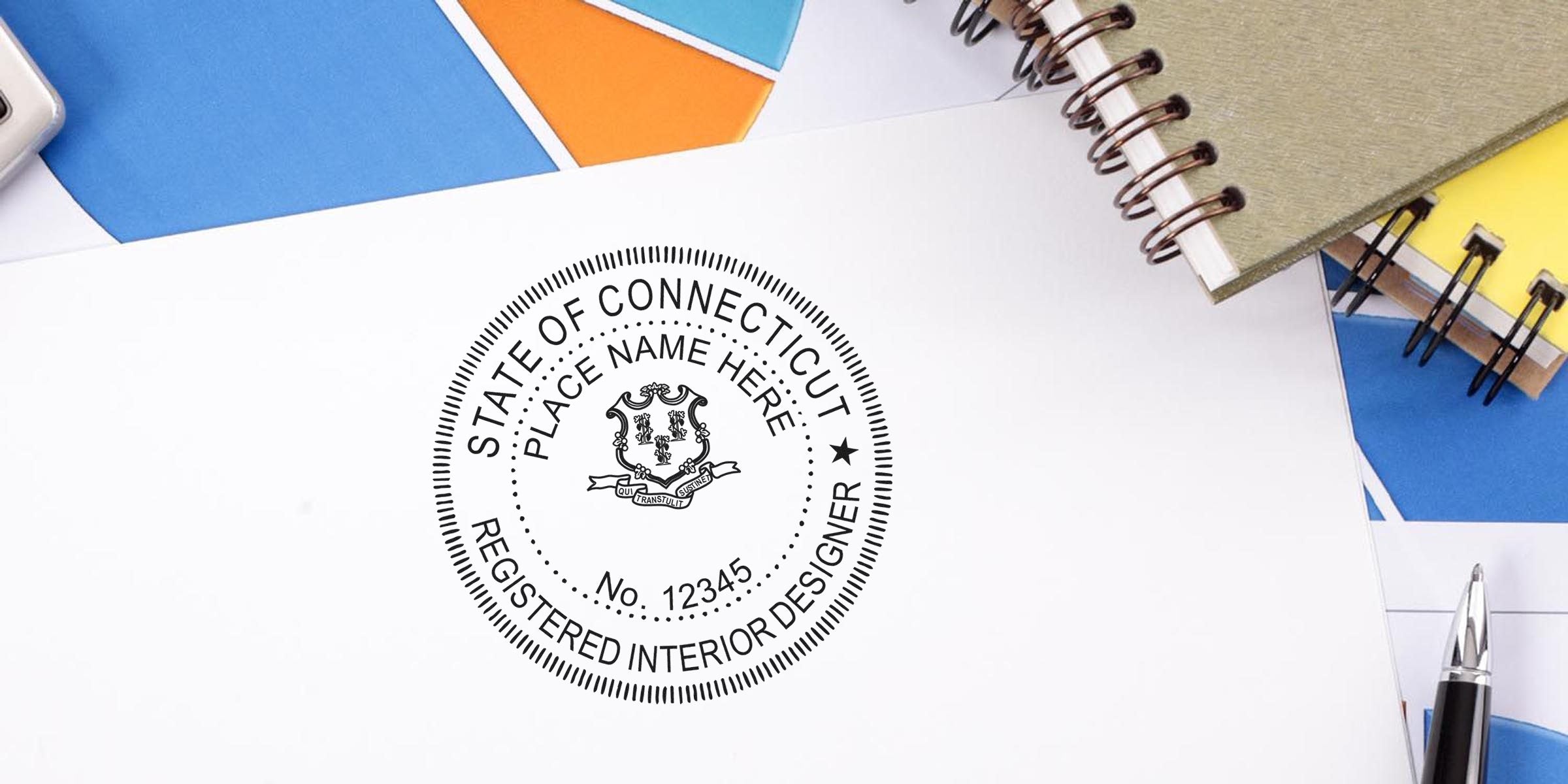
If you’ve ever wondered how to save on Connecticut interior designer stamp cost, you’re in the right place. Those official stamps and seals might feel like small details, but they can make a big difference in both your wallet and your professional reputation. In Connecticut, following the state’s design regulations isn’t just about meeting legal standards, it’s also about projecting the right image to clients. But the price tag for your required stamp and seal can vary, leaving you uncertain about how to keep expenses in check.
In this guide, you’ll learn practical ways to lower the overall cost of your Connecticut interior designer stamp and seal without sacrificing quality. We’ll also spotlight a trusted source, Acorn Sales, known for offering reliable stamps since 1964 (plus a free electronic stamp with your purchase, which can save you even more). Let’s jump in.
Understand the Purpose of the Stamp
Many new interior designers wonder why a small piece of metal or rubber can carry so much weight. The Connecticut interior designer stamp verifies that your designs comply with state standards, particularly regarding safety and building codes. It’s not just a formalities checkmark, it’s a legal necessity to protect you, your clients, and the public.
Why the State Requires a Stamp
- Accountability: When you place your stamp on a document, you’re stating that you took responsibility for the design’s accuracy and safety.
- Uniformity: Across Connecticut, having a standardized seal helps officials quickly confirm that a document follows necessary guidelines.
- Professional Standing: A Connecticut interior designer stamp assures clients you’re up to date with regulations and can confidently handle projects.
In short, your stamp isn’t just about following rules. It’s your badge of credibility in the interior design industry.
Recognize Factors That Affect Cost
The cost of procuring a Connecticut interior designer stamp isn’t set in stone. Different factors can raise or lower the final bill, and it helps to know what these factors are before you commit. While the exact price tag varies among suppliers, you can control a few elements to ensure you’re not overspending.
Types of Stamps and Seals
Not all stamps are created equal. Some designers prefer a traditional rubber stamp and ink pad, while others find a self-inking model more convenient. Additionally, embossing seals—which leave a raised impression—can be more expensive due to the mechanics involved. Overall, self-inking stamps may cost a bit more upfront, but they typically last longer and don’t require a separate ink pad.
Material Quality
Stamps in Connecticut must leave a clear and readable imprint, and that often depends on the quality of materials used.
- Metal Frames: Offer durability but can be a bit pricier.
- Plastic Frames: Cheaper but might wear out more quickly over extended use.
- Embossers: Built with metal plates and levers, making them sturdy (but more costly initially).
Special Designs or Customization
Some interior designers add personal touches or brand features to their stamps. If you want a logo or unique font included, be prepared to pay a bit extra. You want to balance personalization with budget concerns.
Supplier Pricing
Different suppliers set unique prices because they factor in overhead, brand reputation, production methods, and shipping costs. Buying from a dedicated, long-standing company like Acorn Sales often gives you peace of mind that you’re getting quality at a fair price. They’ve been in business since 1964, so they know how to keep costs reasonable for designers.
Explore Typical Price Ranges
Organizations and individuals often overpay for a stamp simply because they don’t realize what a fair range looks like. While there’s no one-size-fits-all price, this table offers a ballpark idea:
| Stamp Type | Price Range | Notes |
|---|---|---|
| Traditional Rubber Stamp | $20–$40 | Requires separate ink pad. |
| Self-Inking Stamp | $30–$55 | Fewer refills needed, more convenient. |
| Pocket Stamp | $25–$45 | Compact option, typically self-inking. |
| Embosser (Handheld) | $35–$60+ | Leaves a raised seal, more durable build. |
Some premium stamps and embossers might cost more if they use high-end materials or advanced mechanisms. However, basic models suitable for Connecticut interior designers often occupy the ranges shown above.
Remember, it’s not just the initial purchase that matters. Over time, a stamp might need replacement ink pads or re-inking supplies. Factor those into your estimated budget to get a complete picture of your Connecticut interior designer stamp cost.
Discover Ways to Save
Staying on budget can be easier than you think. When you look at the market carefully, you’ll realize that smart shopping techniques and brand choices can help you keep your total stamp cost comfortably in check.
1. Compare Multiple Suppliers
You wouldn’t buy a big-ticket item without shopping around first, so apply the same rule to your stamp. Check at least two or three suppliers to see if they offer bundle deals or price cuts for first-time customers. However, keep in mind that the cheapest option isn’t always best. Quality is essential to ensure your stamp lasts and meets official requirements.
2. Consider a Trusted Source
Turning to a well-known supplier like Acorn Sales can give you an edge. They’re recognized for reliable quality, they’ve been around since 1964, and they include a free electronic stamp with purchase. That bonus alone can save you money down the line, especially if you work on digital documents that also require interior designer sign-offs.
3. Take Advantage of Promo Periods
Look out for seasonal sales or supplier promotions. Big differences in price can arise around the start of the year or during holiday sales. Suppliers may offer discounts on large orders too, so team up with colleagues if you want to buy multiple stamps or other office essentials.
4. Opt for an All-in-One Package
Some suppliers bundle physical stamps, embossers, and electronic versions in one package. Even if it costs a bit more initially, you might pay less overall than purchasing each item separately. You’ll also save time and effort hunting down multiple components from different stores.
5. Maintain Your Stamp
Taking good care of your stamp helps extend its life and reduce how often you need to replace it. No matter which type you choose, store it properly, avoid leaving it in direct sunlight (which can discolor the rubber), and keep spare ink on hand to avoid damage from repeated dry impressions.
Use Connecticut Interior Designer Stamp Requirements
Curious about the specific rules you need to follow regarding your stamp or seal design and usage? You can check out Connecticut Interior Designer Stamp Requirements. This resource gives you the scoop on sizing, ink colors, and any text that the state requires. Doing your homework now reduces the margin of error (and thus costly replacements) later.
Handle Electronic and Physical Stamping
With more documents flowing digitally, it’s common to wonder how an electronic stamp can assume the same status as a physical one. Luckily, most states, including Connecticut, have provisions for certified electronic versions. If you choose a supplier like Acorn Sales, you’ll often receive a free electronic stamp file that mimics the exact look of your physical seal.
Combining Physical and Digital
- Physical Stamp: Perfect for on-site approvals, client-related paperwork, or official documentation that must carry a physical impression.
- Electronic Seal: Best for plans shared via email, online collaboration platforms, or official e-submission portals.
Using a digital stamp speeds up your workflow and can cut down on office supply costs (like ink pads), but always confirm that local regulations allow electronic stamping for the specific documents you’re filing.
Maintain Compliance Over Time
Your responsibilities don’t end once you buy a stamp. Over your career, you’ll need to keep up with any changes in Connecticut’s interior design regulations. A design that was fully compliant five years ago might need minor updates to remain valid today. Stay tuned to new guidelines so your stamp remains acceptable for official documents.
Renewing or Updating Your Stamp
If Connecticut updates its design mandates (like specifying new text or a changed format), don’t panic. You can simply order updated equipment. The cost typically mirrors a first-time purchase, but staying current ensures you won’t run into legal trouble or have to reprint important documents. Proactive action saves you both money and headaches in the long run.
Working With Expired Registrations
Let’s say your interior design registration status lapses. You’ll need to renew it before using your professional stamp again. Operating with an expired registration not only invalidates your stamp but can also lead to penalties or legal complications. Always confirm your registration is active to keep your projects running smoothly.
Reduce Overall Project Costs
While your Connecticut interior designer stamp cost is important, it’s far from the only thing you’ll spend money on in this profession. Big or small, expenses can pile up, so you’ll want to find creative ways to reduce project-wide costs and keep your business profitable.
1. Plan for Bulk Orders
Whether you’re restocking stamps or purchasing drafting supplies, bulk orders often come at a lower per-item cost. Team up with other interior designers or your firm’s colleagues, and place a single large order to get quantity discounts.
2. Invest in Reusable Tools
From laser measures to color swatch decks, reusable equipment might look expensive at first glance. But once you do the math, you’ll see repeated usage quickly offsets the upfront cost. A sturdy set of professional tools means you won’t continually purchase low-quality gear that breaks after minimal use.
3. Emphasize Efficiency
When you’re more organized, you’re less likely to waste supplies or reorder things you already have. Simple steps, like labeling storage bins or setting up an online system that tracks inventory, keep you from purchasing duplicate material.
4. Do It Right the First Time
Mistakes in design or documentation can set you back big time. Incorrect drawings mean another round of prints, stamps, and submission. Steady, thorough checks of dimensions and layout can save you hundreds, if not thousands, of dollars over your career.
Conclusion
Securing a professional, compliant stamp and seal is a key step in your interior design career. Yet, it doesn’t have to break the bank. By weighing different suppliers, types of stamps, ongoing promotions, and caretaking techniques, you can keep your Connecticut interior designer stamp cost reasonable and still maintain top-notch quality.
Don’t forget to bookmark Connecticut Interior Designer Stamp Requirements to stay updated on the rules that govern your profession. After all, meeting the official guidelines upfront prevents costly do-overs later. Whether you’re dealing with physical or electronic stamps, the main goal is to protect both your clients and your reputation.
Ready to get started? Plan your budget, compare your supplier options, and consider turning to a well-established company like Acorn Sales for reliable solutions. Once you’ve got your stamp in hand, you’ll be free to focus on what truly matters: bringing beautiful, functional designs to life for your clients. Happy stamping!
Frequently Asked Questions
How long does a stamp generally last?
A well-made stamp (especially a self-inking or pre-inked one) can last multiple years if cared for properly. Storing it away from extreme heat or direct sunlight and re-inking before it runs dry will help maintain clarity.
Do I need a physical and an electronic stamp?
You may. Many design firms now use a hybrid approach. While Connecticut recognizes a properly authorized electronic seal, some clients or agencies might still demand a physical impression. Having both covers all your bases.
Is an expensive embosser worth it?
It can be, depending on your preferences and aesthetic needs. Embossers create a raised impression that some clients find more professional. However, if budget is your chief concern, you can stick to a self-inking or traditional rubber stamp.
Can I reuse an old stamp if I reactivate my license?
Possibly. As long as the stamp’s design matches the current regulations, it remains valid. But if Connecticut has changed the design requirements or registration details since your stamp was made, you’ll need a new one.
Where can I buy a good-quality stamp?
You can explore several online suppliers, but Acorn Sales stands out. They’ve been trusted since 1964, provide a free electronic stamp, and have a sturdy product line that meets Connecticut’s rules for interior designers.








