

Understand Your Illinois Land Surveyor Seal Embosser
If you’re an Illinois land surveyor, your seal embosser is more than a simple tool. It represents your professional credibility and helps ensure that your surveys, plats, and related documents carry legal weight. Having an Illinois Land Surveyor Seal Embosser might feel a bit intimidating at first, but once you get the hang of it, you’ll discover it’s straightforward and helps prevent unauthorized alterations to your work.
Purpose and Importance
You already know that Illinois land surveyors have strict requirements for stamping and sealing official documents. But why does it matter so much? In short, your seal verifies your identity and indicates that the information on the page has been reviewed and approved by you. When a client or regulatory agency sees that crisp embossed impression, they trust that the measurements, boundaries, and data are accurate. This trust factor is important in property disputes, permit approvals, and any legal challenges where the surveyed information must be beyond question.
Compliance With Regulations
Meeting state regulations is not a suggestion; it’s a must. Illinois has specific guidelines about the appearance and use of your professional seal. If you’re unsure about the nitty-gritty details, you might like to read about the illinois land surveyor stamp requirements. This resource covers important items such as seal size, location on the document, and when to apply it. Staying compliant does more than help you avoid penalties. It also reinforces your commitment to professional standards and public safety.
Common Uses
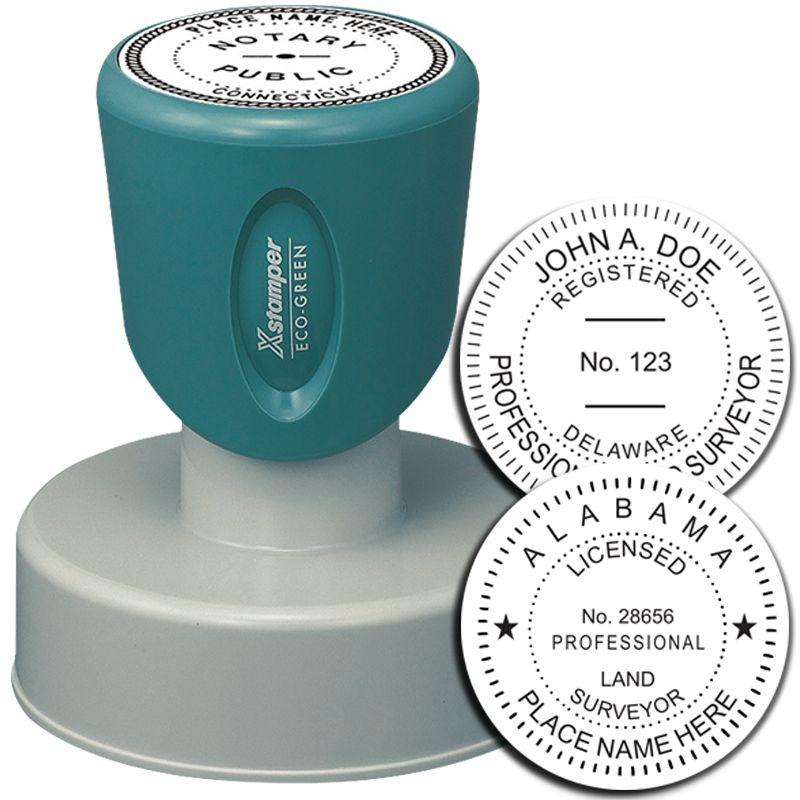
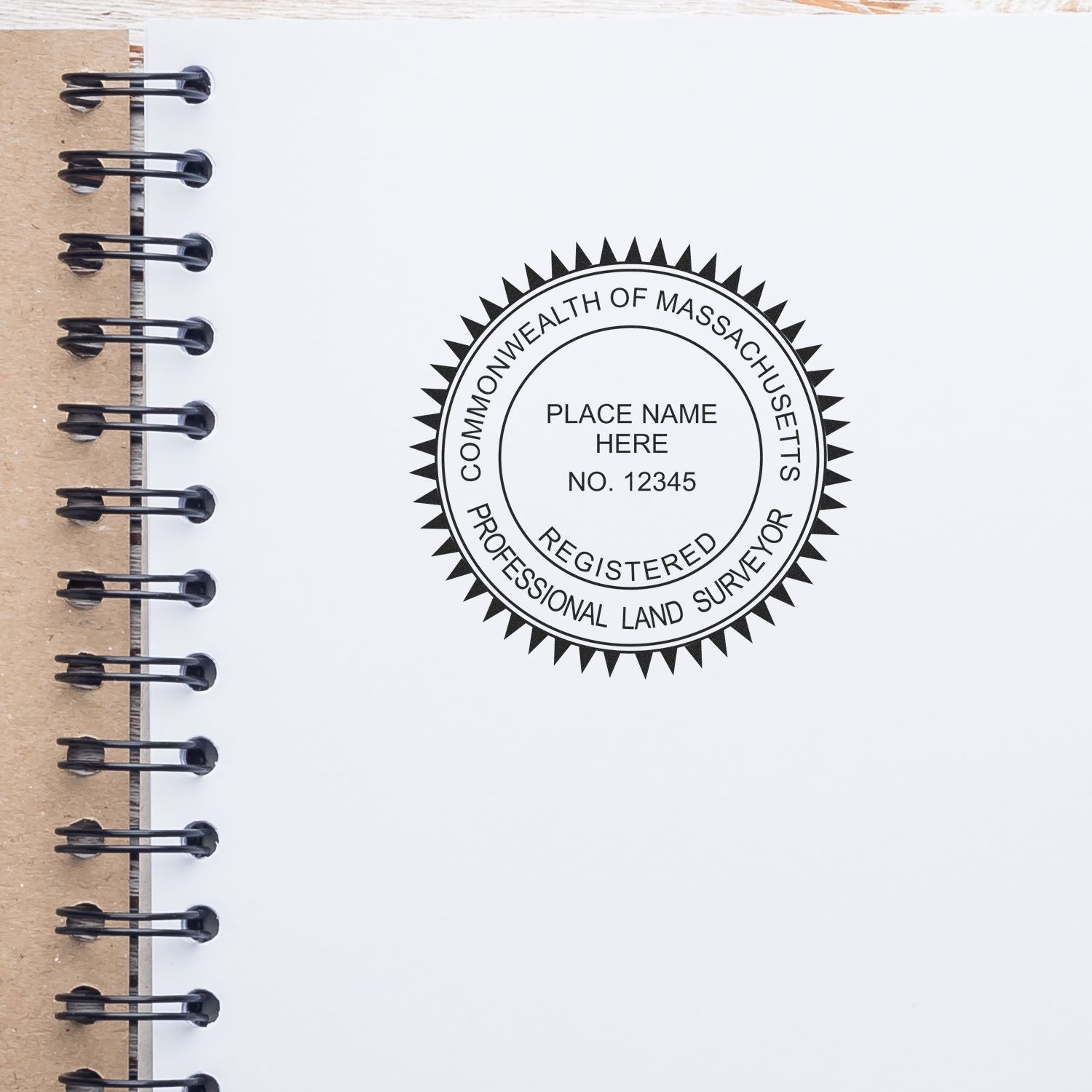
Your seal embosser comes into play whenever you need to authenticate important documents. Typical uses include:


- Property boundary plats
- Topographic survey reports
- Construction layout plans
- Subdivision maps or annexation documents
Each time you stamp, you’re signaling, “I’ve examined the data and I stand behind it.”
Prepare Your Documents for Embossing
Before you press that handle, make sure your documents are in the clear, both literally and figuratively. The condition and format of your pages influence how crisp and legible your seal impression will look.
Choose the Right Paper
High-quality paper helps preserve the embossing details. If you’re using paper that’s too thin or flimsy, your seal might tear the surface or look sloppy. On the other hand, glossy or coated papers can be slippery, which makes it harder for the seal to grip the fibers. Whenever possible, aim for standard or slightly heavier stock. The extra thickness keeps the embossed imprint sharp, which is important for official submissions.
Maintain Proper Alignment
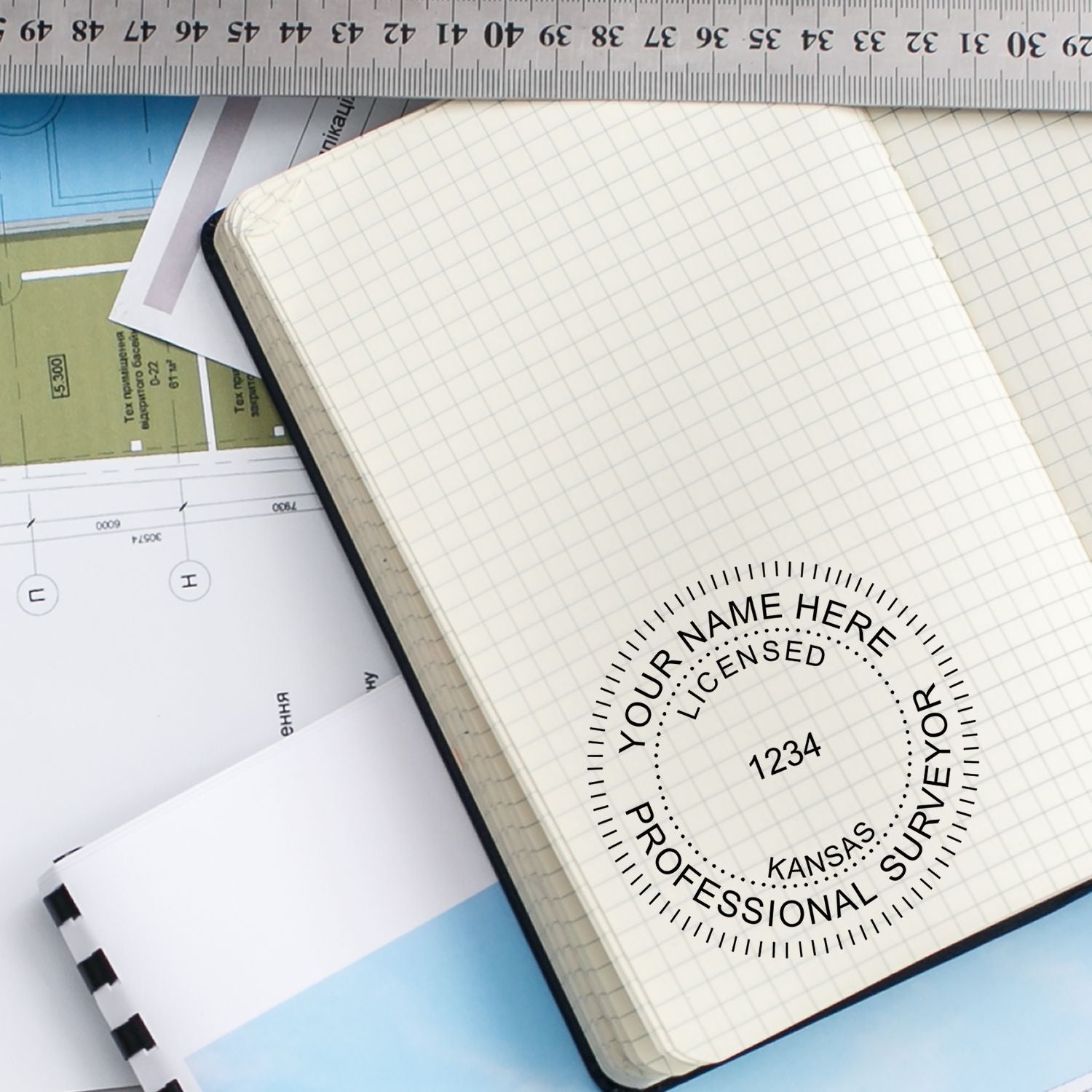
Ever see a seal impression that’s crooked or half-cut off at the edge of the page? That’s not a good look. To avoid that, gently mark where you want the seal to land. Consider a small pencil line or sticky note that reminds you of your target placement. That way, the final impression won’t crowd the text or appear off-balance.
Master the Embossing Technique
It might sound obvious, but there’s real skill involved in using your Illinois Land Surveyor Seal Embosser effectively. Practice on some scrap paper until you feel comfortable with the grip, pressure, and alignment.
Positioning the Embosser
Start by placing your page flat on a stable table or surface. Slipping a sturdy sheet of cardstock beneath your document can help steady it. Then, position the jaws of the embosser exactly where you want the raised seal to appear. Make sure you can see or feel that the edges of your seal are even with your guideline or margin. If you find yourself guessing the placement, it’s worth pausing to adjust. An accurate seal impression is worth that extra moment of effort.


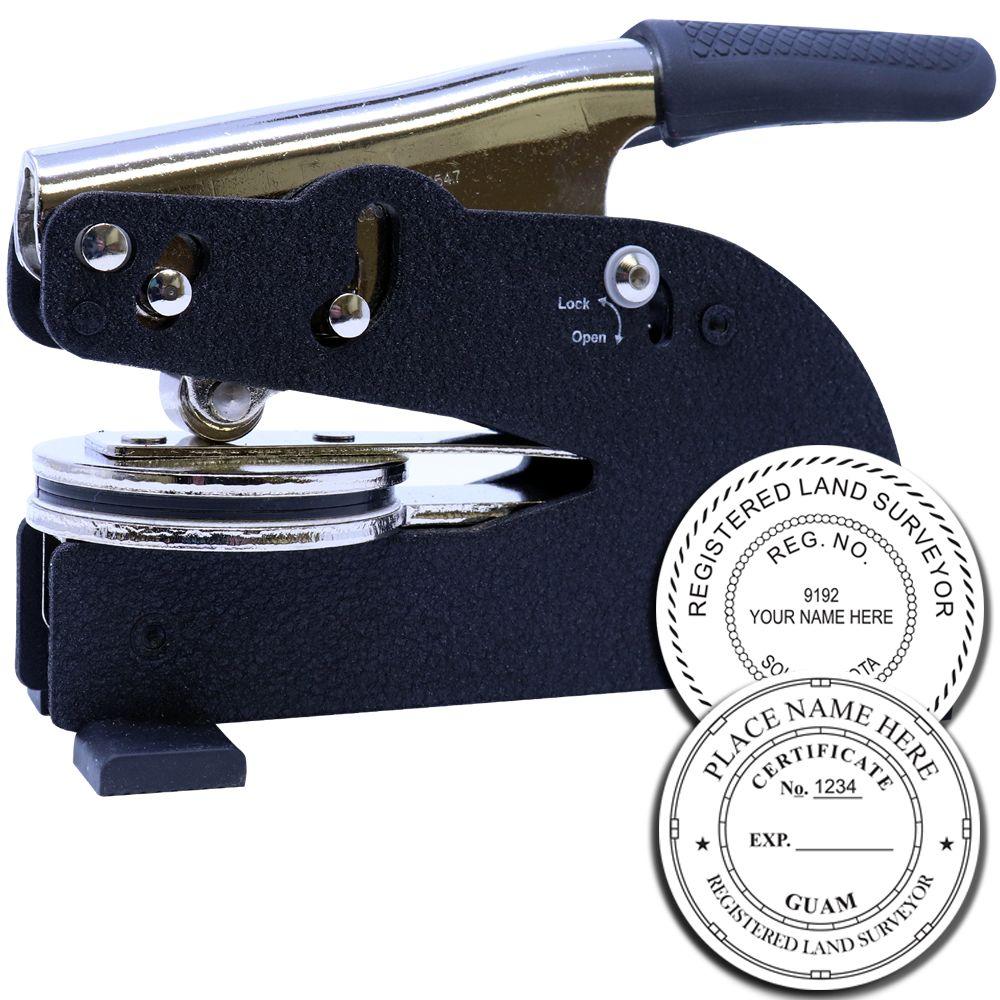

Applying the Right Pressure
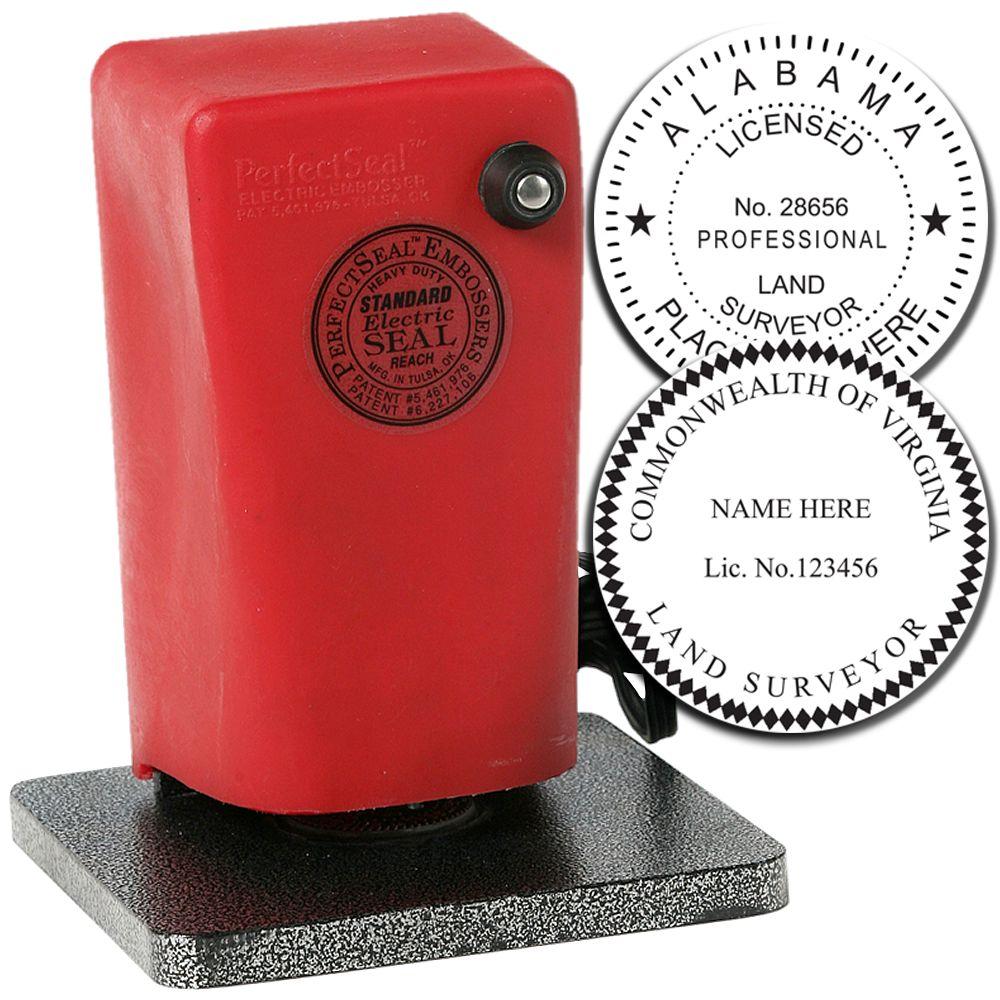
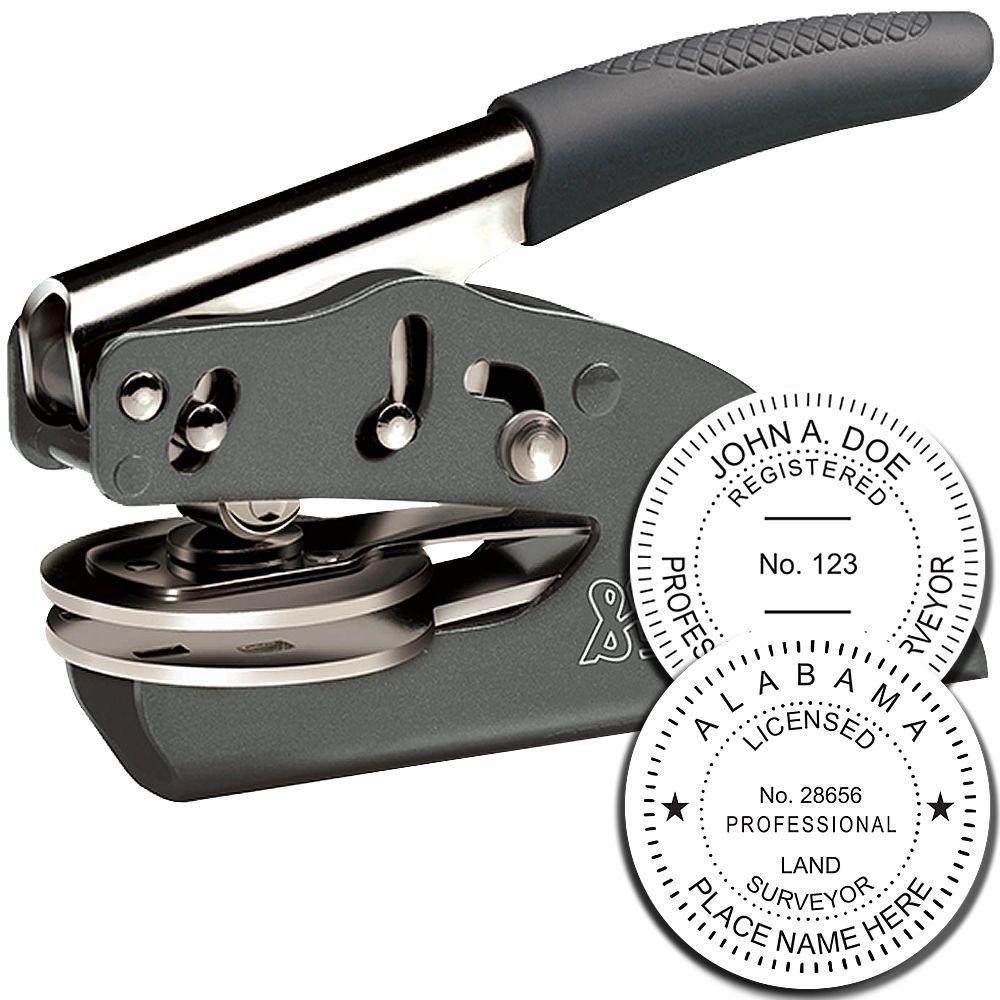
Embossers generally come with a handle that you squeeze to create the raised effect. The goal is to apply enough pressure so that the seal is clearly visible, yet not so much that the paper tears. If you’re pressing too lightly, the letters or border might look faint, making your documents appear unprofessional. Too much pressure, and you risk damaging the page entirely. Finding your sweet spot may take a few tries, so practice on a spare sheet first.
Ensuring Readable Imprints
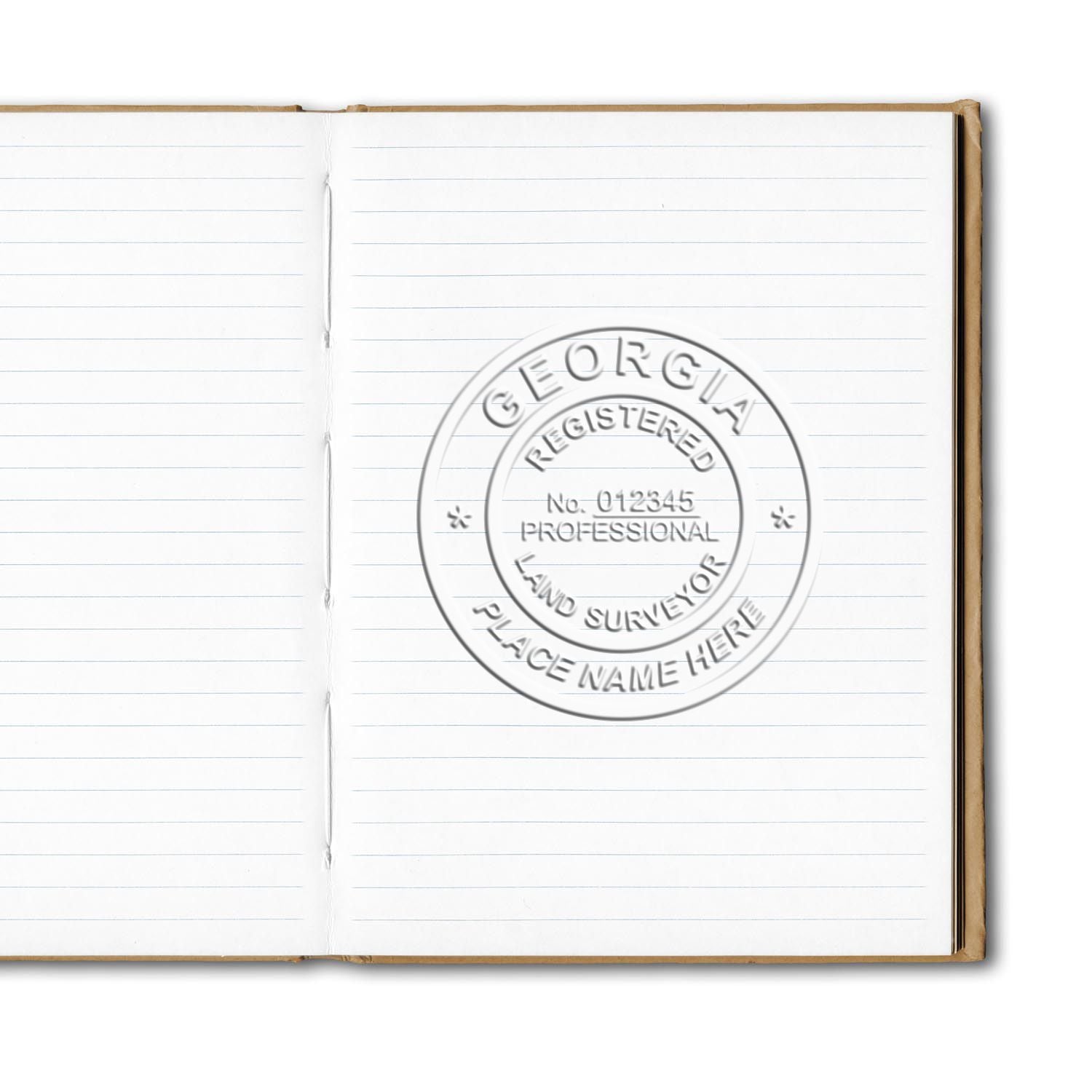
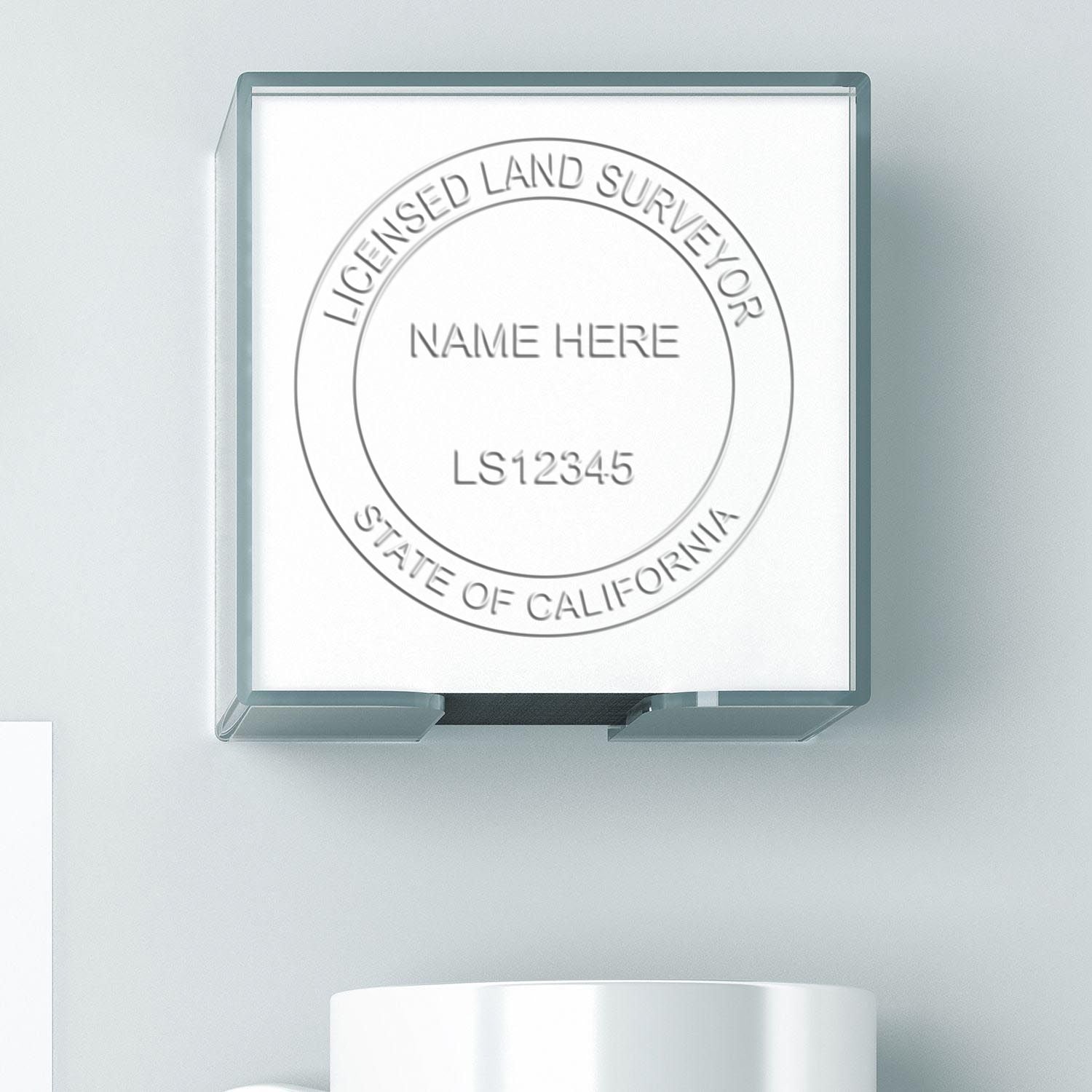
Take a glance at your freshly embossed seal and check the clarity. Can you read every letter? Are the lines crisp? A well-executed embossing typically shows even, precise text and edges capable of catching light. If the impression looks vague, adjust your pressure or change the paper thickness. Occasionally, you might need to swap out your embosser’s insert if it’s worn or damaged. After all, you want to present a seal that any reviewer can immediately recognize.
Use Useful Add-Ons and Tools
Sometimes you need more than a manual embosser. As you work on diverse projects, you may appreciate having digital or additional sealing options at your fingertips.
Free Digital Seal Options
Have you ever needed to send a document electronically in a hurry? Digital seals can step in. At Acorn Sales, we offer a free digital seal with many of our Illinois Land Surveyor Seal Embosser packages. This lets you attach a certified seal image right to your PDF or electronic plans. When you’re racing to meet a deadline, a digital seal removes the step of having to print, stamp, and scan your documents back in. It’s a major time-saver and helps maintain your professional look in the digital realm.

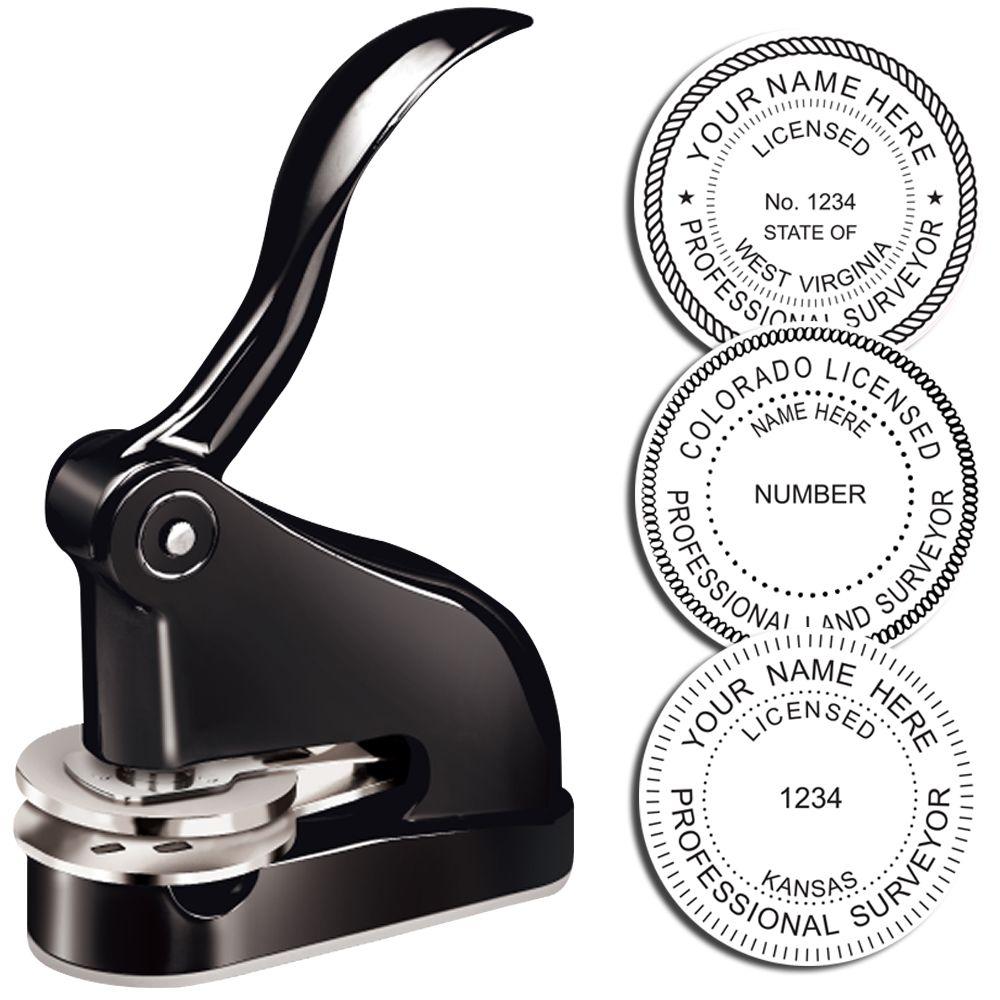

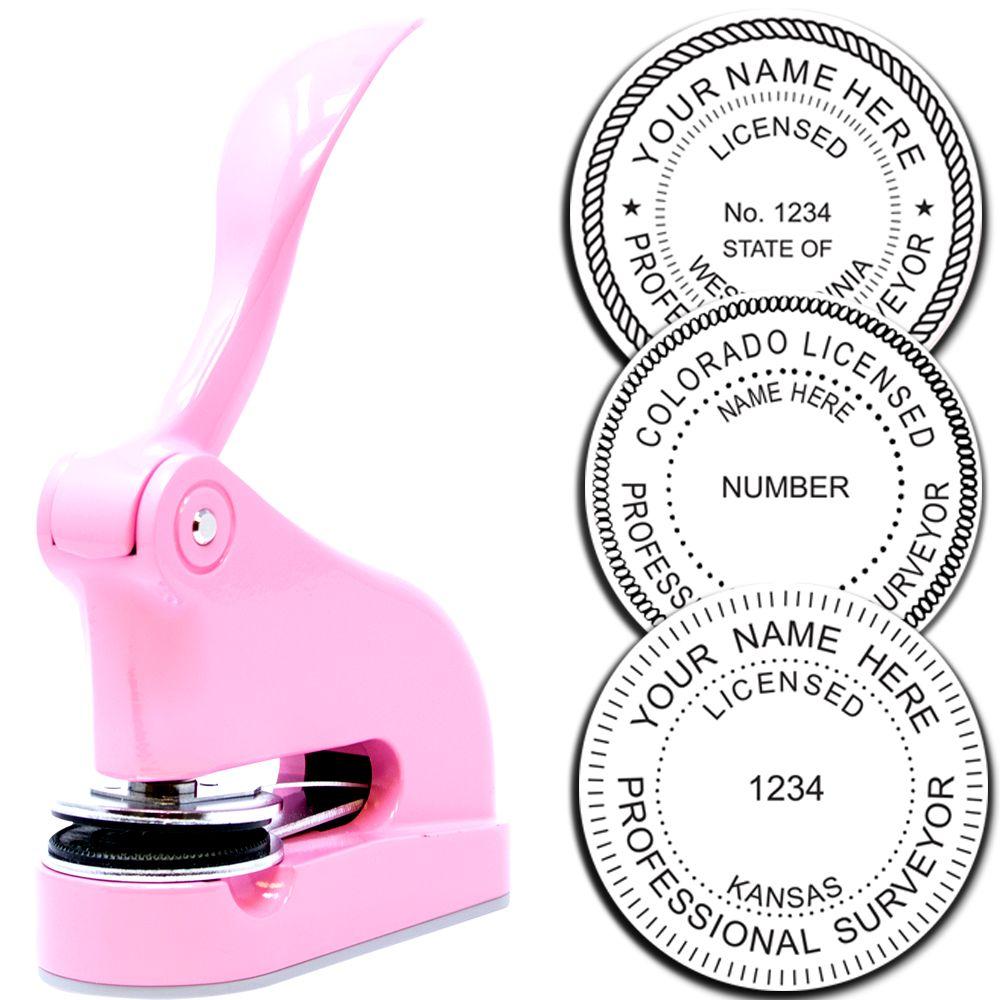
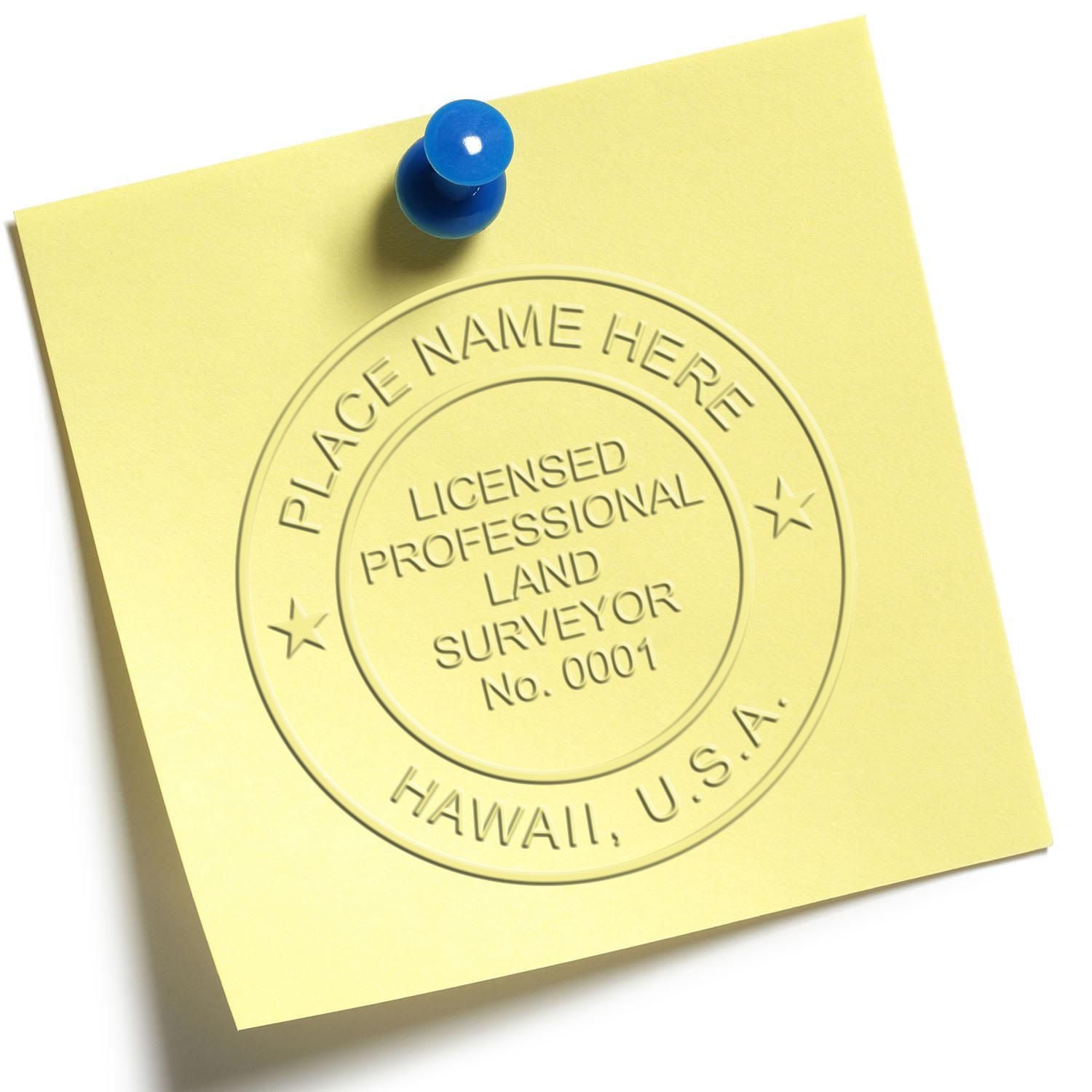
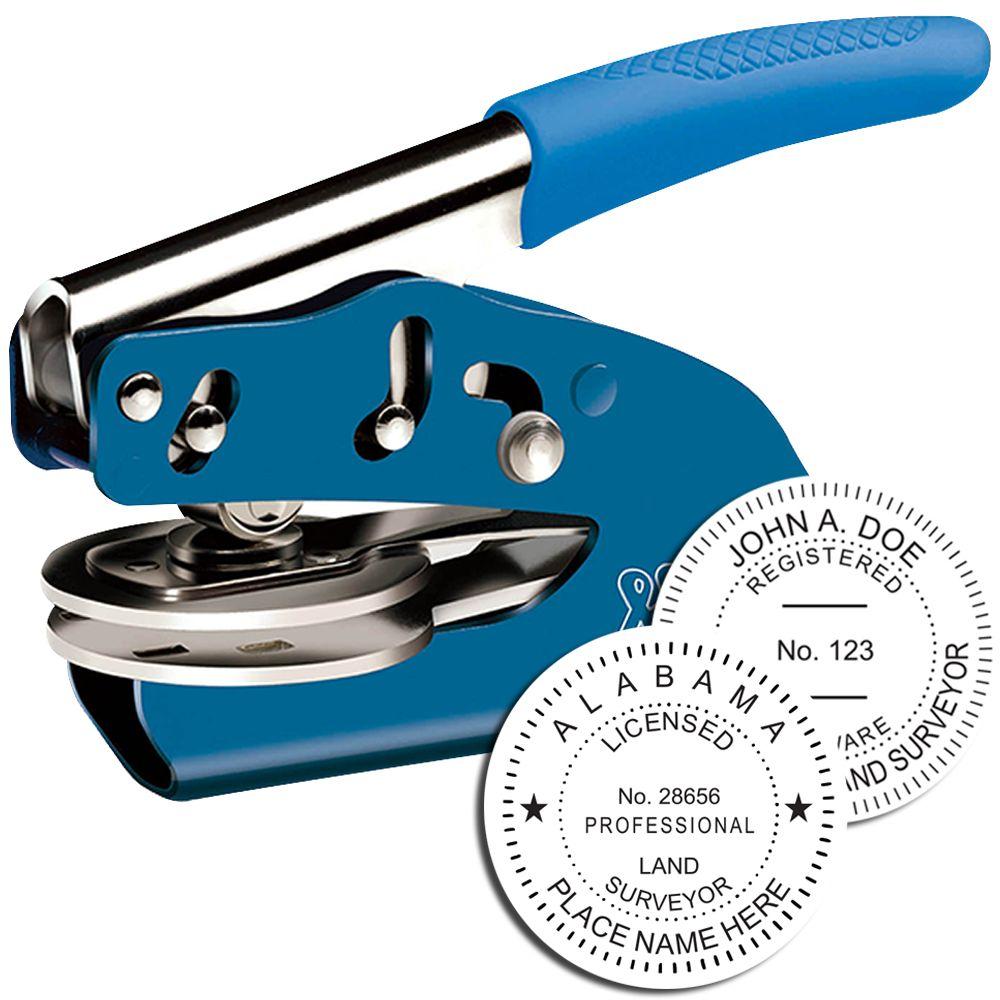

Additional Stamp Choices
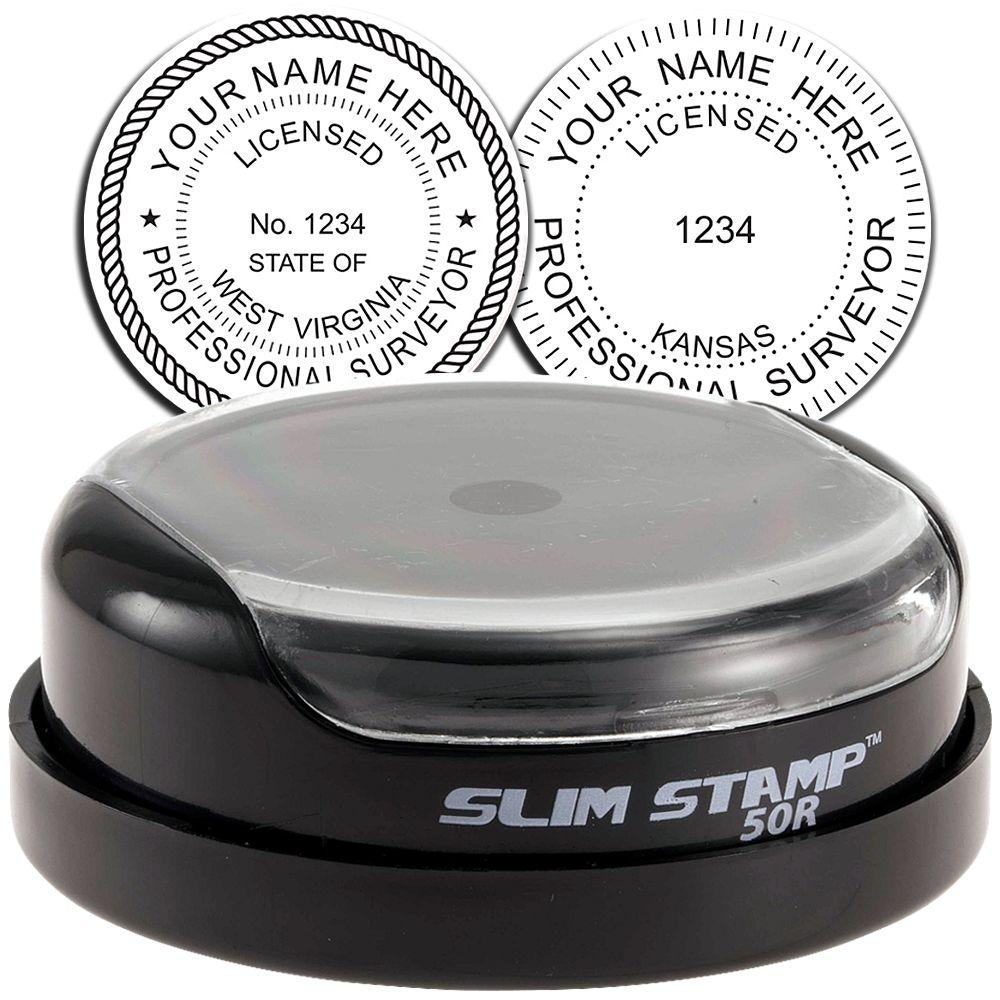
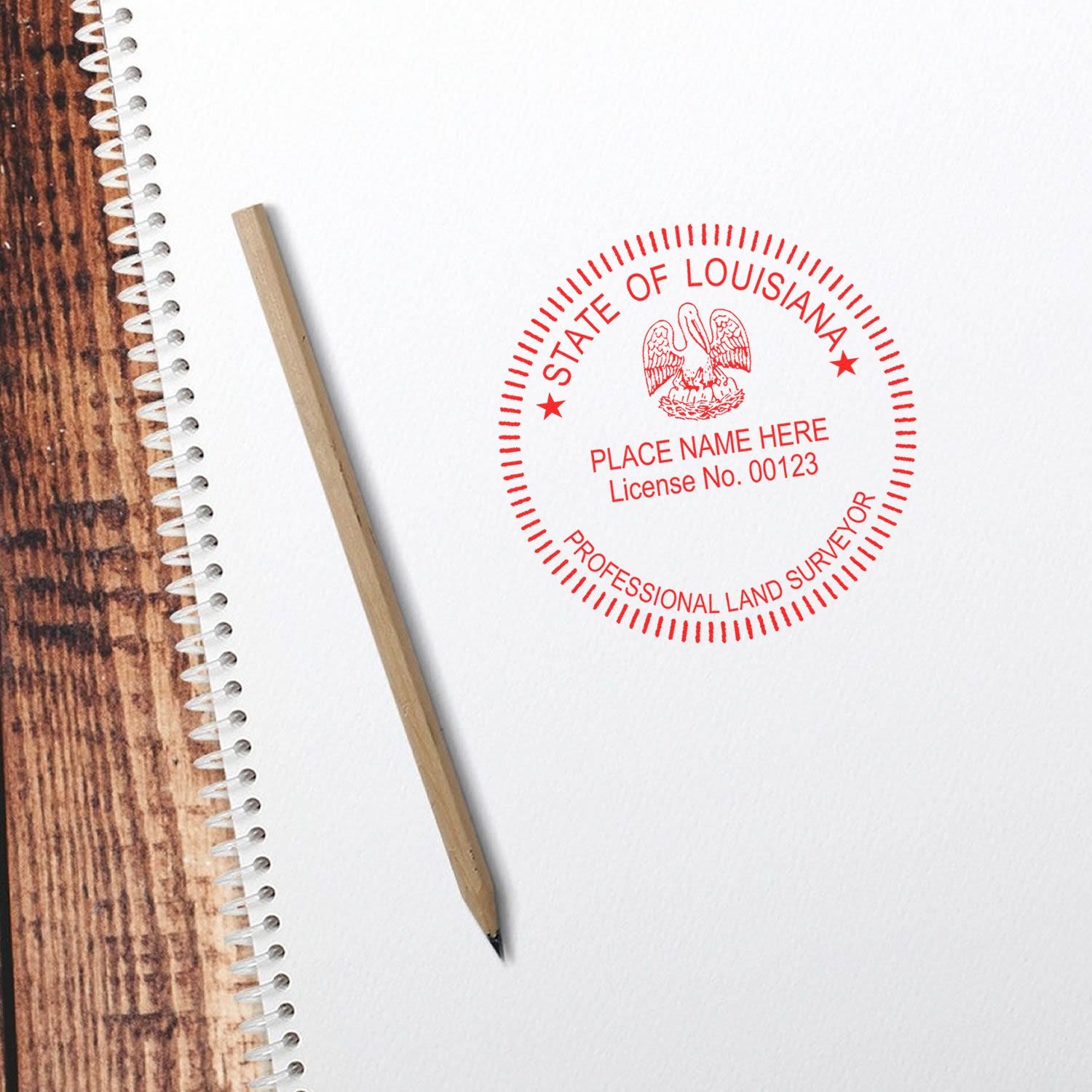
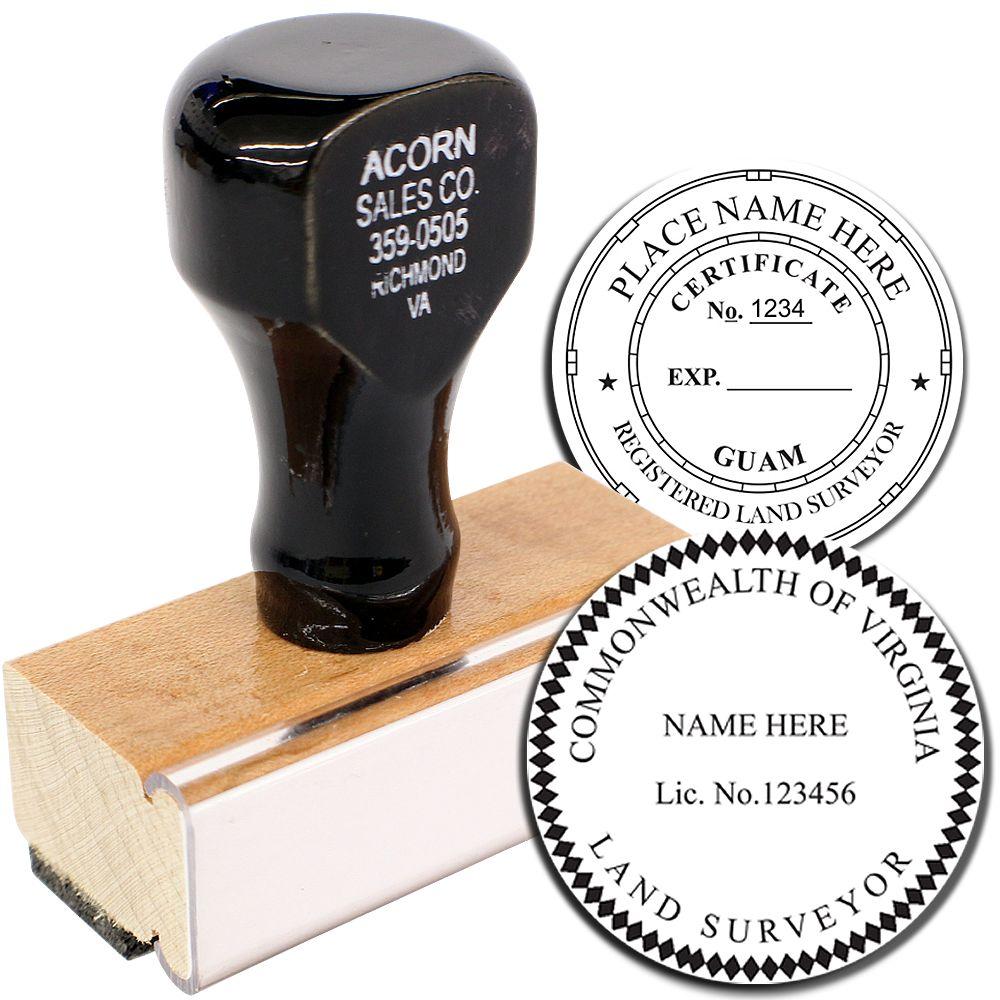
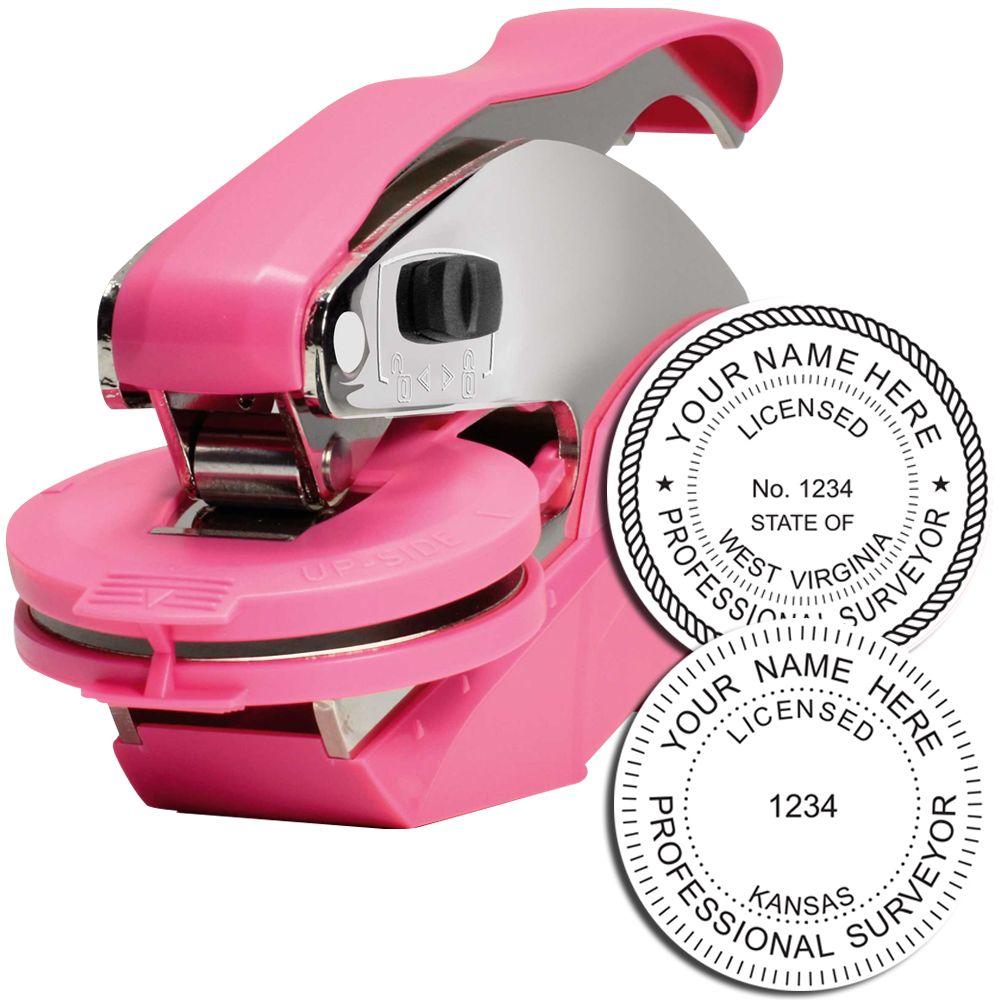
Embossers aren’t your only option. In some situations, you may prefer a rubber stamp or pre-inked seal that follows Illinois guidelines. For instance, you might want to use a stamp on documents that don’t require a raised impression, like proposals for an upcoming project. Having multiple tools in your arsenal ensures you’re always ready, whether the project calls for a crisp embosser or a quick-stamp seal.
Best Practices For Longevity
Your embosser is an investment, and like any piece of professional equipment, it needs some TLC to function at its peak. Simple steps can extend its lifespan for years.
Cleaning and Storage
Your embosser’s metal parts depend on being rust-free and neatly aligned. After repeated use, small bits of paper or dust can collect in the die area. Gently brush or wipe away residue after each big job. If you notice any sticky buildup, a cotton swab with a bit of rubbing alcohol can help. Once it’s clean, store your embosser in a dry area, away from extreme temperatures or direct sunlight. While it might seem like overkill, this extra care wards off corrosion and keeps the mechanics smooth.
Periodic Inspections
Take a quick look at your embosser every couple of months. Does the handle move easily? Are there any signs of wear on the die or the counter-die? If something feels off, it’s better to address it now than deal with a broken embosser mid-critical project. Sometimes, the best fix is to replace worn parts or consult a professional if alignment becomes an issue. Acorn Sales has been crafting stamps and seals for 60+ years, so we’re always happy to help if your tool needs an update.
Final Tips And Next Steps
Using your Illinois Land Surveyor Seal Embosser doesn’t have to be complicated. Start by choosing quality paper, align the seal carefully, and apply the right pressure. If you ever need to expedite a job, don’t forget that a digital seal solution can save the day. Above all, keep your embosser in good working condition. That way, every seal you create looks professional and meets the state’s standards.
Ready to set up your workspace or upgrade your current seal? Check out the varied options at Acorn Sales, where you’ll find not only embossers but also stamps and accessories sized for the exact needs of Illinois land surveyors. Our free digital seal offering is a bonus that can simplify your workflow, and our decades of experience in the industry give you peace of mind. If you have additional questions, keep reading below for some on-the-spot answers.
Feel free to reach out if you have more questions or need any extra tips. Remember, you’re not just stamping paper, you’re endorsing your professional integrity. By taking care of your embosser, aligning each seal carefully, and following Illinois rules, you’ll project confidence in every survey you produce. And if you’re looking for reliable embossers, stamps, and free digital seal options, Acorn Sales has your back. Here’s to your smooth stamping ahead!
Frequently Asked Questions
Is an embosser required by law for Illinois land surveyors?
Yes, state regulations do require you to have a professional seal. You can use an embosser or an approved stamp, but the embossed seal is often considered a more secure option because it’s harder to forge. For more specific details, see the illinois land surveyor stamp requirements.
Where is the best place to apply my seal on a document?
Typically, the bottom right corner or near the signature block is standard, as long as it’s clearly visible and doesn’t overlap critical text. Always verify if your firm or local jurisdiction has specific guidelines.
What if the embossed seal doesn’t look clear?
First, check your paper thickness and make sure you’re applying consistent pressure. If it still looks faint, inspect your embosser’s die. A worn or misaligned die may need servicing or replacement.
Should I invest in a digital seal as well?
It’s very handy for electronic submissions. With Acorn Sales, you often get a free digital seal included, so there’s no downside in having one, especially if you frequently email documents.
How do I store my embosser to make it last?
Keep it in a protective case or box in a cool, dry spot. Clean it occasionally to remove paper remnants. Proper upkeep prevents rust and ensures smooth operation for years to come.








