
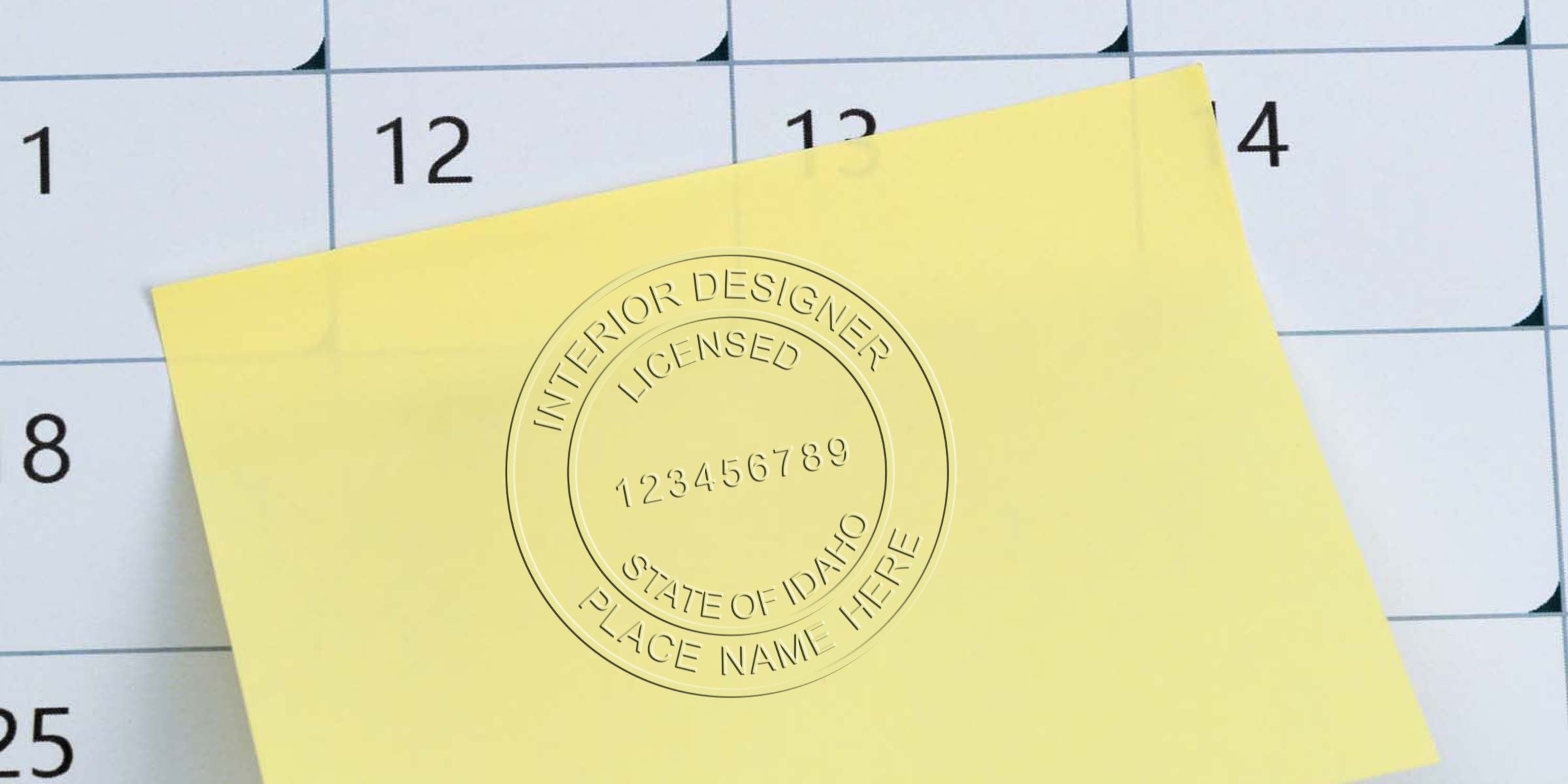
Understand Idaho Requirements
If you’re an interior designer working in the Gem State, chances are you’ve come across Idaho Interior Designer Seal Size Specifications. Before you invest in a new seal or stamp, it helps to know exactly what your state expects. After all, you want your documents to look professional and stay in compliance with Idaho regulations. But what does that really mean?
In Idaho, certain design disciplines require a seal or stamp for official documentation. Your seal acts like your personal signature on contract drawings, spec sheets, or official design proposals. It not only authenticates your work but also reassures your clients and colleagues that you’re following state guidelines. Complying with size requirements might feel like a small detail, yet even the slightest discrepancy can cause delays or raise questions during plan review. Your time is too valuable for that kind of holdup, right?
Why Seal Dimensions Matter
A state-approved seal is a straightforward way to confirm that a project meets legal and professional standards. However, a seal that’s too large can overwhelm your design layout, while one that’s too small could appear unclear or incomplete. Either way, the wrong dimensions undercut the core purpose of having a recognizable, legible official mark. In Idaho, many professionals aim for a final seal impression ranging from 1 ⅝ inches to 2 inches in diameter, but always confirm the exact rules to ensure you don’t end up reordering stamps or reprinting documents.
Double-Check Official Guidelines
Before you place an order, you’ll want to look into the latest regulations. There may be specific character height requirements or border details that Idaho needs to see in every official seal. These rules can change, so it’s always wise to stay up to date. You can also look over the idaho interior designer stamp requirements for a clear summary of what the state expects.
Follow the Sizing Guidelines
Meeting the size guidelines goes beyond ordering a standard seal off the shelf. Although many seals share common measurements, Idaho rules might include unique elements. A well-sized seal enhances clarity and readability, so let’s walk through the basics.
Common Diameter Ranges
Most official seals range from about 1 ½ inches to 2 inches in diameter, but Idaho commonly centers around 1 ⅝ or 2 inches. Why such variation? Some designers prefer compact seals to save space on smaller documents, while others choose a slightly larger diameter for maximum legibility. If you’re uncertain, check official state documentation or talk to a trusted stamp supplier with experience in Idaho regulations.
Evaluate Legibility
Clarity is crucial. Your name, license number, and the phrase “Interior Designer” usually need to be crisp and readable in the final imprint. If letters appear bunched or fuzzy, your seal might be too small. Conversely, if your seal dominates an entire corner of the page, you might want to think about scaling it down. It’s all about striking a balance between visibility and practicality.
Select the Right Stamp or Seal
Knowing the right size is just the start. You also have a few format and style choices, including self-inking stamps, pre-inked stamps, and embossers. Wondering which one will meet Idaho standards and your personal preferences?
Self-Inking vs. Pre-Inked
- Self-Inking Stamps: These are convenient if you anticipate using your seal multiple times a day. The built-in ink pad re-inks each time you press down, making it fast for quick stamping on batches of documents.
- Pre-Inked Stamps: Ideal for crisp imprints and more detailed designs. They typically allow for finer detail, which can be a big plus if your seal includes intricate borders or smaller text elements.
Embossers and Visual Appeal
Embossers create a raised impression. This can look classy on physical documents and might give your work an elevated, official appearance. However, ensure the raised edges are still distinct at your chosen diameter. An embosser that’s under-sized can end up illegible, all but defeating the reason for having a professional seal in the first place.
Ensure State Compliance Now
You might be asking, “What if I already have a stamp and just need to confirm it’s within state rules?” In that case, you’ll want to review both the physical size and the text layout. If you discover that your current seal is out of compliance, taking care of it immediately is a priority. Timing is key, because if your seal doesn’t meet guidelines, you risk having your documents flagged by state review boards or municipalities.
Check the Wording
Idaho typically requires specific wording like “Licensed Interior Designer,” and the seal often must display your name and license number. The exact phrasing varies, so be sure you’re using the current code or standard. Make sure the text is properly spelled and matches the official style. Even minor errors, like misplaced abbreviations, could cause confusion or require you to replace the seal entirely.
Watch for Date Changes
Sometimes states revise their rules or standards. If you haven’t reviewed Idaho regulations in a few years, it’s probably time for a quick refresh. Changes could include subtle alterations in design, text size, or border thickness. Keeping up with these updates not only saves you time and money but also demonstrates professionalism in your field.
Work With Trusted Suppliers
While you can buy a seal from countless places online, not all suppliers take the time to confirm you’re getting exactly what you need for your state. That’s why many interior designers turn to Acorn Sales. Our company has been in business since 1964, proudly serving design professionals across the nation. We understand how crucial it is to get the seal size and design features just right.
The Free Digital Seal Advantage
Did you know Acorn Sales also provides a free digital seal with many of our stamp or embosser orders? This perk lets you imprint an official seal on electronic documents. For designers who frequently email presentations or PDFs to clients, your digital seal can offer instant credibility. We’ll make sure the file dimensions align with Idaho’s sign-off standards, so you can electronically “stamp” your proposals with confidence.
Customized Guidance
If you’re still unsure about the final diameter for your imprint, chat with us. Whether you need a smaller mark for space-tight layouts or a bigger seal for maximum visibility, we can show you the different size options. We’ll also guide you on correct text placement. When you have a go-to partner that specializes in compliance, it’s easier to maintain that professional edge without second-guessing your seal every time you sign a document.
Final Thoughts
Navigating the rules for interior designer seals might feel like a lot, but once you nail the basics, the rest is straightforward. Confirm your size requirements, choose a high-quality seal or stamp, and rely on reputable suppliers that understand Idaho’s laws. Whether you prefer a sleek self-inking stamp or a crisp embosser, the key is balancing clarity with accuracy.
By taking time to comply with the latest guidelines, you’re putting your best foot forward in every project. Clients appreciate the details, and so do the approving authorities that review your documents. Now that you’ve explored the ins and outs of seal sizing, are you ready to make sure your seal truly represents your professional expertise? Good news, you’re already well on your way. If you need additional direction, talk with an experienced supplier like Acorn Sales and check out the idaho interior designer stamp requirements for in-depth insights.
It’s a small step with a big impact. By getting your seal just right, you’re building a solid foundation for your future projects in Idaho. Good luck, and remember that a properly sized mark is more than just ink on paper. It’s a statement of your credibility as a design professional.
Frequently Asked Questions
Do I need a specific shape for my Idaho interior designer seal?
Most regulations call for a circular shape, though some professionals prefer an embosser with a slightly different cut. Just make sure any alternative shape doesn’t violate the diameter or label rules set by the state.
What happens if my seal doesn’t meet size guidelines?
If your seal is too large or too small, you run the risk of state authorities rejecting your documents. This can lead to costly reprints or even project delays. It’s a smart idea to correct any seal-size issues before you finalize important plans or drawings.
Is there a difference between a stamp and an embosser in Idaho requirements?
They generally serve the same purpose, but each leaves a different type of mark on your paperwork. Stamps produce inked impressions, while embossers create raised imprints in the paper. Idaho’s key concern is readability, so pick whichever format best matches your style and remains legible at the required size.
Can I reuse a stamp design from another state I’ve worked in?
It’s safer to assume you need a new seal specifically designed for Idaho regulations. Even if your name and professional title remain the same, the state’s official border or text layout could be different. Always verify the exact guidelines before repurposing a seal.
Why choose Acorn Sales for Idaho stamps?
We’ve been a trusted supplier since 1964, so we know the ins and outs of state compliance. You also get a free digital seal, customized designs, and prompt service. If you ever run into issues or simply want advice, our team is ready to answer your questions and help you sail through the approval process.








