
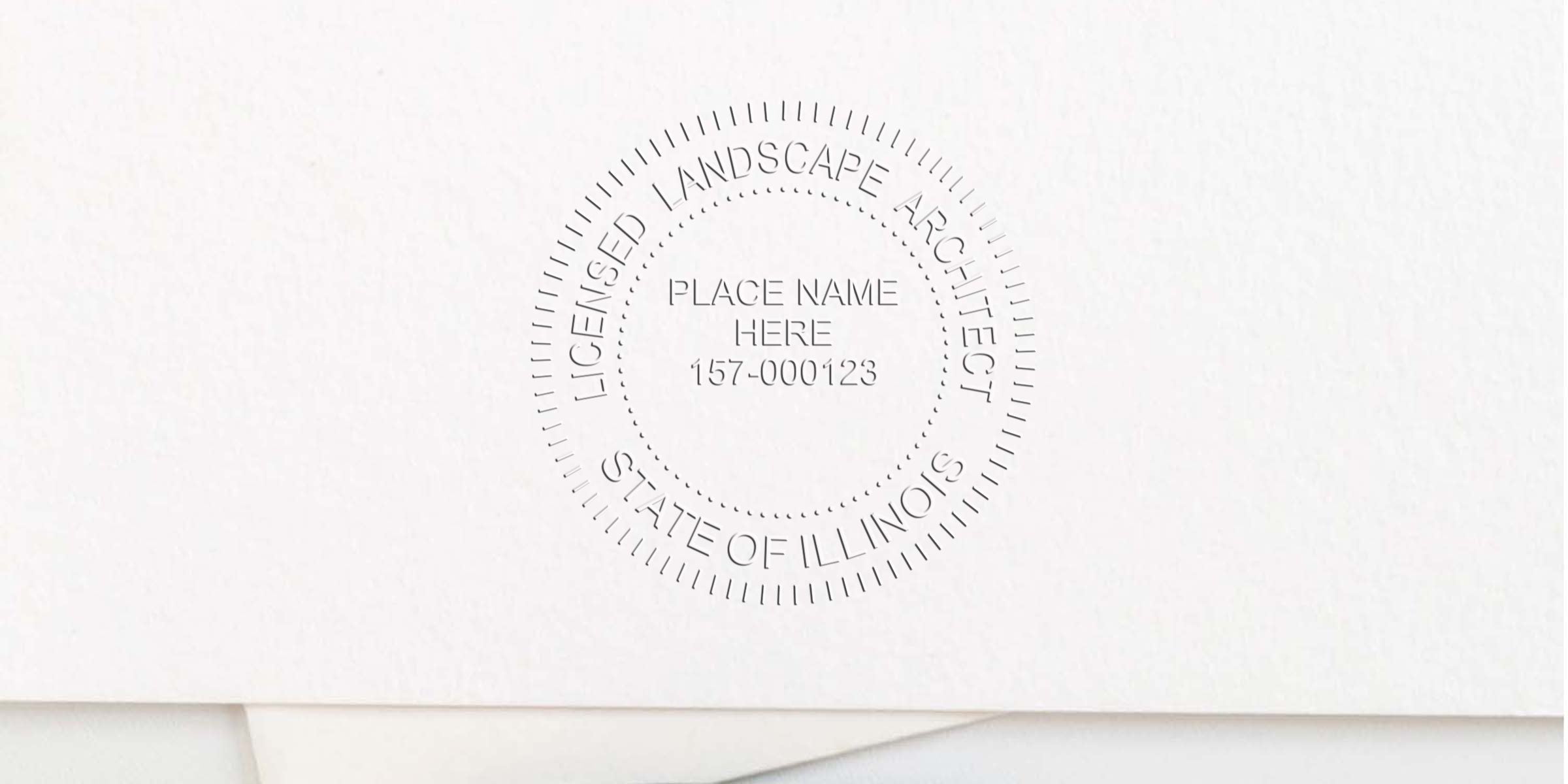
Have you wondered if Illinois Landscape Architect Seal Design needs to be flashy to be valid? You’re not alone. Many professionals assume they need an overly elaborate seal, or they simply go by hearsay about what is required in Illinois. In reality, the seal rules are more straightforward than you might think. If you’re aiming for compliance and professionalism, it’s worth taking the time to clarify each element of your design.
In this post, you’ll learn the core purpose of your seal, the state guidelines governing it, and the myths that often lead architects astray. By the end, you’ll know exactly which pitfalls to avoid and how to confidently use your seal in day-to-day practice.
Understand The Seal’s Purpose
Before you get into shapes, typography, or color, it helps to step back and think: why does your seal exist at all? Regulatory boards require a seal to confirm your credentials, show you’re licensed to practice, and signal that official documents carry legitimate weight.
For Illinois landscape architects, the seal is a quick way to assure clients and governing bodies that the undersigned plans or drawings come from a certified professional. When you affix your seal, you’re essentially saying, “Yes, I stand behind this project and I meet the state-mandated standards.”
Clarify State Requirements
Illinois, like most states, sets clear guidelines for professional licensing seals. You’ll want to follow specific rules about what text appears, how large the seal must be, and whether it can be digital or physical. If you want more details on the state’s official mandates, take a look at Illinois Landscape Architect Stamp Requirements.
The state typically specifies the required wording around the seal’s perimeter. You may see a circle format with “Illinois,” your professional title, and your license number. The font choice and clamping rings around the seal are usually standardized. While these rules aren’t difficult, it’s crucial to stay precise. Even a minor mistake, like forgetting a middle initial or slightly misplacing the license number, can cause compliance headaches.
Debunk Common Misconceptions
You might hear all sorts of “facts” about the illinois landscape architect seal design floating around in professional circles. Here are the big ones to keep in mind and the truth behind them:
-
“It Must Be Elaborate for Legitimacy.”
- Reality: The state doesn’t expect fancy scrollwork or unusual fonts. As long as you meet the size and text requirements, you’re good. A minimal, clearly readable design is often the best choice.
-
“The Seal Only Matters on Paper.”
- Reality: Seals can also apply to digital documents, as many projects are now submitted electronically. Illinois rules generally allow for digital seals if you follow the correct protocol. Check what format your board or municipality prefers, and make sure your digital version meets the mandatory details.
-
“I Can Use My Firm’s Logo Instead.”
- Reality: A corporate logo is not an approved substitute for a professional seal. While your firm’s branding is important, the seal is about verifying your licensure. It must contain your name, license number, and the specific text required by Illinois.
-
“All Seals in Different States Are Alike.”
- Reality: Different states have different regulations. Even if you’re already licensed elsewhere, don’t assume your seal is portable. Adapting to each state’s standards can help you avoid legal or professional issues down the road.
Explore Design Best Practices
Even though the requirements are fairly standard, there’s room to enhance your seal’s clarity and overall look. Here are a few pointers:
- Use Contrasting Colors: If your seal is displayed on a dark background, choose black or a bold color for clear visibility. On lighter backgrounds, a crisp dark shade ensures legibility.
- Keep Fonts Basic: A clean, readable typeface prevents confusion, especially if you’re scanning or photocopying documents.
- Test Different Sizes: Check how your seal appears in various dimensions. A seal that’s too tiny may lose detail, while an oversized seal can overpower the document.
Focus on Seal Legibility
Readability is probably the most important factor, especially for official documents. If your seal looks cramped or the text is too small, the entire design could appear unprofessional. Make sure the lettering is bold enough to be recognized at a glance.
Know Where To Use It
Plenty of professionals have asked: “Do I really need to seal everything?” The short answer is no, but the decision depends on the nature of the document. Typically, official plans, final drawings, and certified reports require your seal. Sketches, concept diagrams, or proposals don’t always need that level of official sign-off.
If you’re unsure, it’s wise to consult guidelines for what the state board or your local jurisdiction deems essential. Keep in mind that the seal signals a completed, professional analysis of the project, so consider waiting until you reach the final version before stamping.
Choose A Reliable Supplier
Once you know the design requirements and how you’ll use your seal, the next step is picking a high-quality stamp or embosser. That’s where Acorn Sales fits in. We’ve been in business since 1964, supplying landscape architects like you with professional stamps and seals that meet Illinois standards.
When you order from Acorn Sales, you also get:
- A Free Digital Seal: Perfect for electronic submissions and digital archiving.
- Quality Assurance: Each seal is crafted with precision to ensure crisp impressions.
- Your License Details: We customize the seal with your name and license number so you’re fully compliant.
And if you have questions about which product is right for you, our support team is here to help. From self-inking stamps for quick use to sturdy embossers for impressing thick stock, you’ll find an option that fits your workflow.
Final Thoughts
Designing and using an Illinois landscape architect seal may seem complicated, but once you’re clear on the state regulations, it becomes part of your standard professional toolkit. The main thing is accuracy—both in how you craft the seal and where you choose to apply it.
With the right supplier and a focus on clarity, you can sidestep the common misconceptions that often trip up new (and even seasoned) professionals. It’s all about demonstrating your legitimacy, staying compliant, and making every project stand out as officially yours. Feel free to reach out to Acorn Sales if you need any assistance choosing or designing your seal. We’re here to support your next steps in practice, one crisp stamp at a time.
Frequently Asked Questions
Do I Need To Renew My Seal?
Technically, the physical seal itself doesn’t expire, but keep an eye on your license renewal date. In most cases, you reuse the same stamp design as long as your name and license number remain valid.
Can I Use Multiple Seals for the Same Project?
Yes, but it’s not necessarily more authoritative. Multiple seals might appear on collaborative projects, especially where you’re working with engineers or architects. Each professional uses a seal that matches their discipline and licensure in order to verify their part of the work.
Are Digital Seals Accepted Everywhere?
Many jurisdictions now accept digital seals, especially for online submissions. However, confirm your local rules before sending a purely digital file. Some agencies require a physical impression on at least one printed set.
What Happens If I Use the Wrong Size or Layout?
In minor cases, you might be asked to revise your documents simply by restamping them with a corrected seal. Serious repeated infractions could result in an investigation by the licensing board. It’s best to ensure you follow guidelines from the start.








