
Written by Acorn Sales Company, manufacturing stamps and seals since 1964 · Reviewed by Holly R, VP of Sales and Marketing at Acorn Sales, against the Kansas State Board of Technical Professions (which does not license this profession) and Kan. Stat. Ann. § 74-7003(w) on 21 September 2026 · Updated 21 September 2026
Kansas does not license, register or certify interior designers, so there is no Kansas interior design seal to comply with. K.S.A. 74-7003(w) sets out what the Kansas State Board of Technical Professions actually regulates: “Technical professions includes the professions of architecture, landscape architecture, professional engineering, professional geology and professional surveying.” Interior design is not on that list, no other Kansas statute creates an interior design credential, and the board’s own description of its work names the same five professions and no sixth.
That is better news than it sounds. Because Kansas prescribes nothing, Kansas restricts nothing. There is no required diameter, no required legend, no approved artwork to match and no board imprint to file. Your stamp stops being a compliance item and becomes a design decision, which is the one part of this you get to control. Acorn will cut it to whatever you want on it: your own name, your firm name, a monogram, your logo, or a credential you actually hold such as NCIDQ.
One line to hold to. Put your own name, your firm name, and any credential you actually hold, such as NCIDQ. Leave off “Licensed” and “Registered” and any state-issued title unless the state issued you one, because that is the part some states do restrict.
Kansas interior designer seal requirements at a glance
| Requirement | Kansas rule | Source |
|---|---|---|
| Seal required | Not licensed here | Kan. Stat. Ann. § 74-7003(w) |
| Required elements | Not applicable: Kansas issues no interior design seal | Kan. Stat. Ann. § 74-7003(w) (no interior design credential) |
| Size and shape | Not applicable. | Kan. Stat. Ann. § 74-7003(w) |
| Device allowed | Not applicable. | Kan. Admin. Regs. 66-6-1(a) |
| Signature and date | Not applicable. | Kan. Admin. Regs. 66-6-1(b)(1) |
| What must be sealed | Not applicable to an interior designer. | Kan. Admin. Regs. 66-6-1(c) |
| Electronic seal | Not applicable. | Kan. Admin. Regs. 66-6-1(b)(3) |
| Renewal and lapse | Not applicable. | Kan. Stat. Ann. § 74-7003(w) (no interior design credential to renew) |
| Firm requirements | Not applicable. | Kan. Stat. Ann. § 74-7036 |
| Regulator | The Kansas State Board of Technical Professions (which does not license this profession) | Kan. Stat. Ann. §§ 74-7003(w), 74-7023, 74-7031, 74-7033 and 74-7036, from the Kansas Office of Revisor of Statutes, with Kan. Admin. Regs. 66-6-1 and the Kansas State Board of Technical Professions statement of the professions it regulates. Kansas licenses no interior designers. |




Is a seal required in Kansas?
Kansas does not license, register or certify interior designers, and therefore issues no interior design seal. K.S.A. 74-7003(w) defines the professions the Kansas State Board of Technical Professions regulates: “Technical professions includes the professions of architecture, landscape architecture, professional engineering, professional geology and professional surveying.” Interior design is not on that list, and no other Kansas statute creates an interior design credential. The board’s own published description of its work names the same five professions and no sixth.
What must appear on the seal
- Not applicable: Kansas issues no interior design seal
There is no Kansas interior design seal to specify, because there is no Kansas interior design credential. An interior designer working in Kansas who wants a title or a stamp has two honest routes. The first is a private credential such as the NCIDQ certificate, which is not a Kansas license and must never be presented on a document in a way that suggests state licensure. The second is registration in a state that does license or certify interior designers, which authorizes a seal for that state and not for Kansas. Work in Kansas that crosses into architecture or engineering has to be sealed by a Kansas licensed architect or professional engineer under K.A.R. 66-6-1, whatever the interior designer’s own qualifications.
Size and shape
Not applicable. No Kansas statute or regulation prescribes an interior design seal, because none exists. Checked K.S.A. 74-7003, the Kansas State Board of Technical Professions statutes at K.S.A. 74-7001 through 74-7042a, and K.A.R. 66-6-1, which names only the five licensed technical professions.



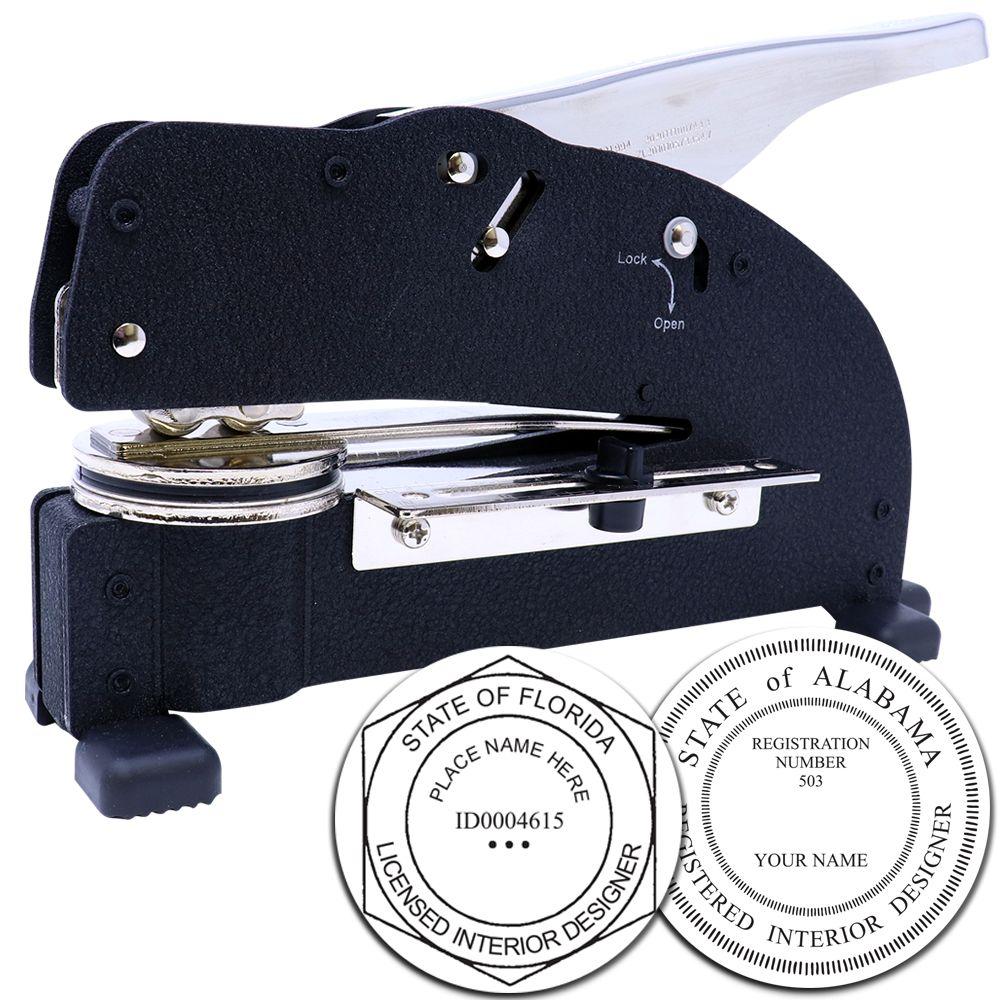
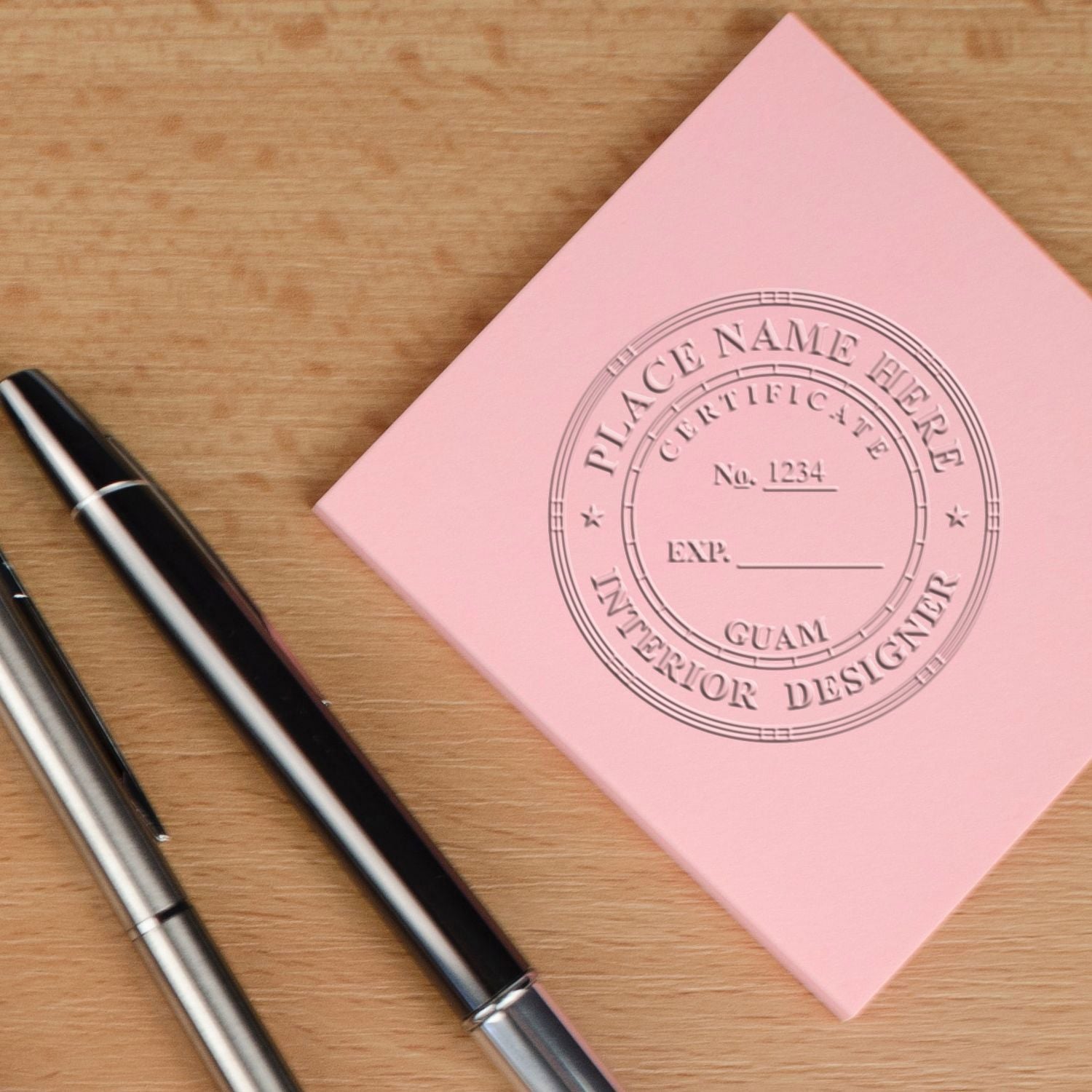
Embosser, rubber stamp or digital
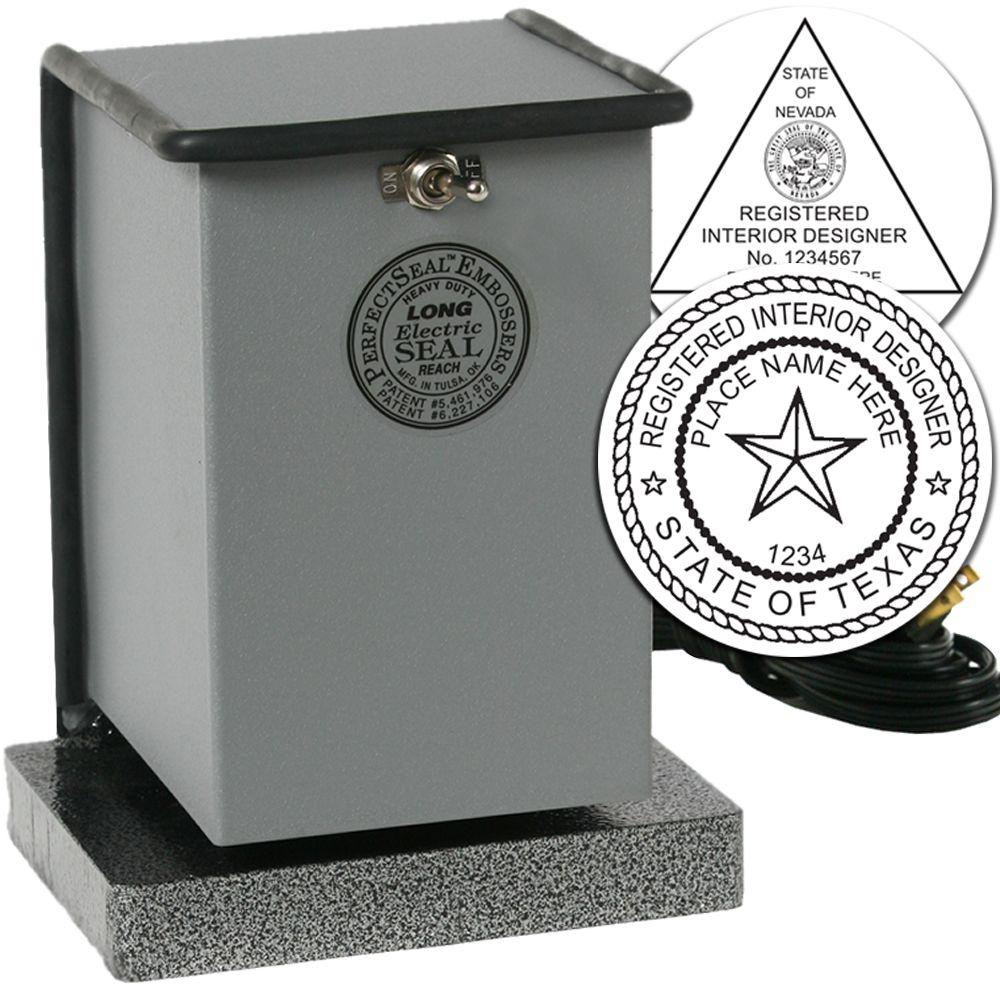
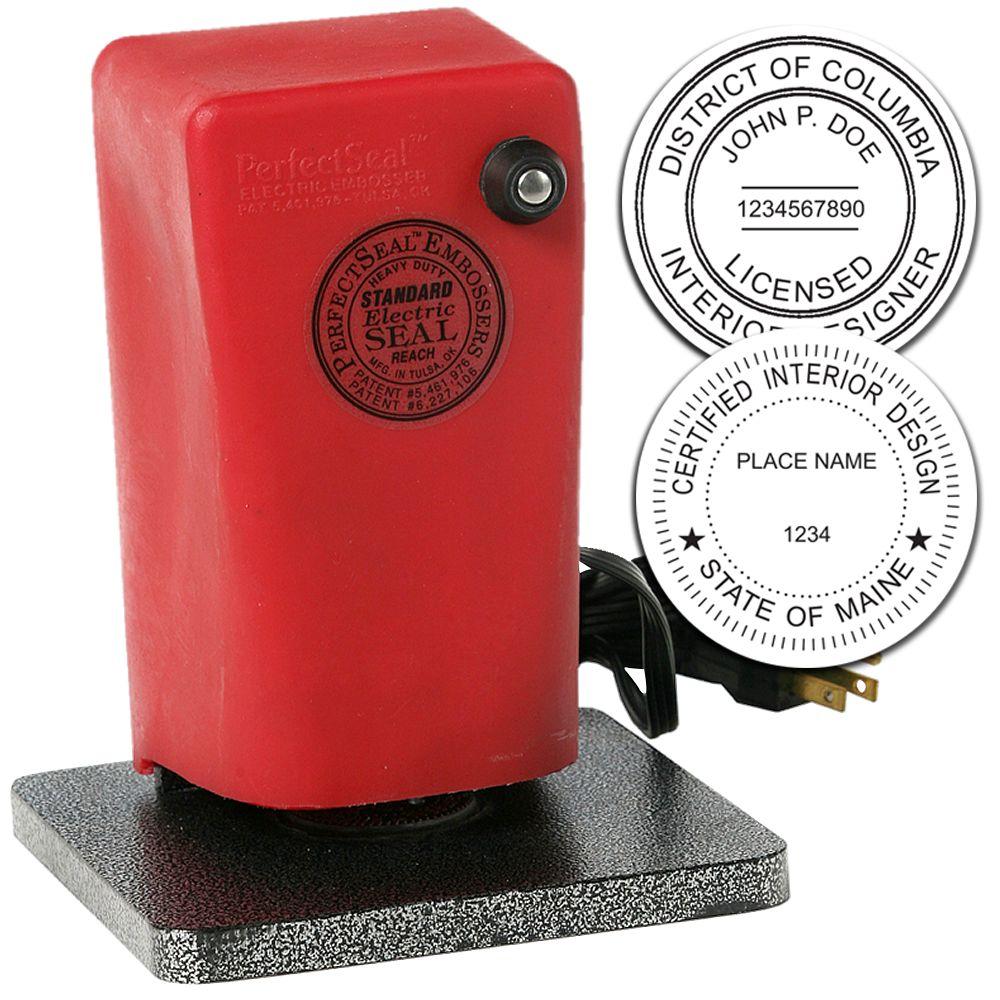
Not applicable. Kansas authorizes rubber stamp, embossed and digital seals at K.A.R. 66-6-1(a), but only for architects, professional engineers, landscape architects, professional surveyors and professional geologists. No device is authorized for an interior designer because no credential exists to put on one.
Signing and dating
Not applicable. K.A.R. 66-6-1(b)(1) requires a signature and date across the seal, but only for holders of the five Kansas technical profession licenses. An interior designer in Kansas signs as an unlicensed professional and should not add any legend or number that implies a state credential.
There is no Kansas interior design stamp, and buying one is the risk
Kansas regulates five technical professions and interior design is not among them. K.S.A. 74-7003(w) is explicit: architecture, landscape architecture, professional engineering, professional geology and professional surveying. No Kansas board issues an interior design license, certificate or registration, so there is no authorized seal design, no prescribed diameter and no legend.
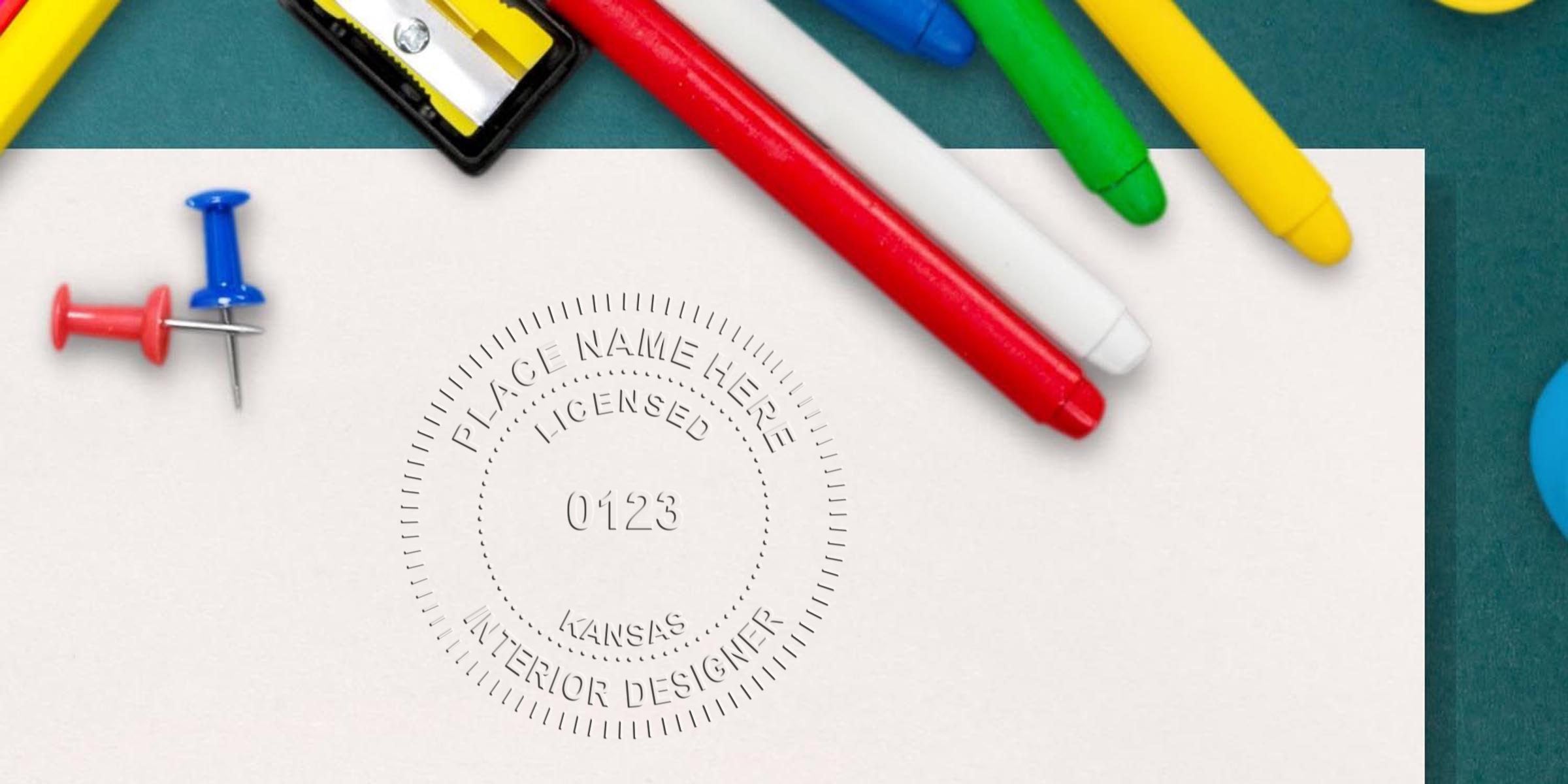
The practical trap is a private credential dressed as a public one. Suppliers will happily cut a round die reading INTERIOR DESIGNER, STATE OF KANSAS with a number in the middle, because nothing stops them from cutting it. Using it on a document does not give it legal force and it does create exposure: K.S.A. 74-7023 and the board’s prohibited-acts provisions exist precisely to stop impressions that suggest a Kansas license nobody holds.
If you hold the NCIDQ certificate, name it as what it is, an examination credential from the Council for Interior Design Qualification, in a text block rather than in a circular seal. If your work in Kansas reaches into architecture or engineering, the document needs a Kansas licensed architect or professional engineer to seal it under K.A.R. 66-6-1, and no interior design credential from any source substitutes for that.
Which documents must be sealed
Not applicable to an interior designer. What matters in Kansas is the opposite question: which interior work needs someone else’s seal. Construction documents that amount to the practice of architecture or professional engineering must be sealed by a Kansas licensed architect or engineer under K.A.R. 66-6-1(c), subject to the practice exemptions in K.S.A. 74-7031 and 74-7033. An interior designer can prepare and issue work that falls inside those exemptions without any seal at all.
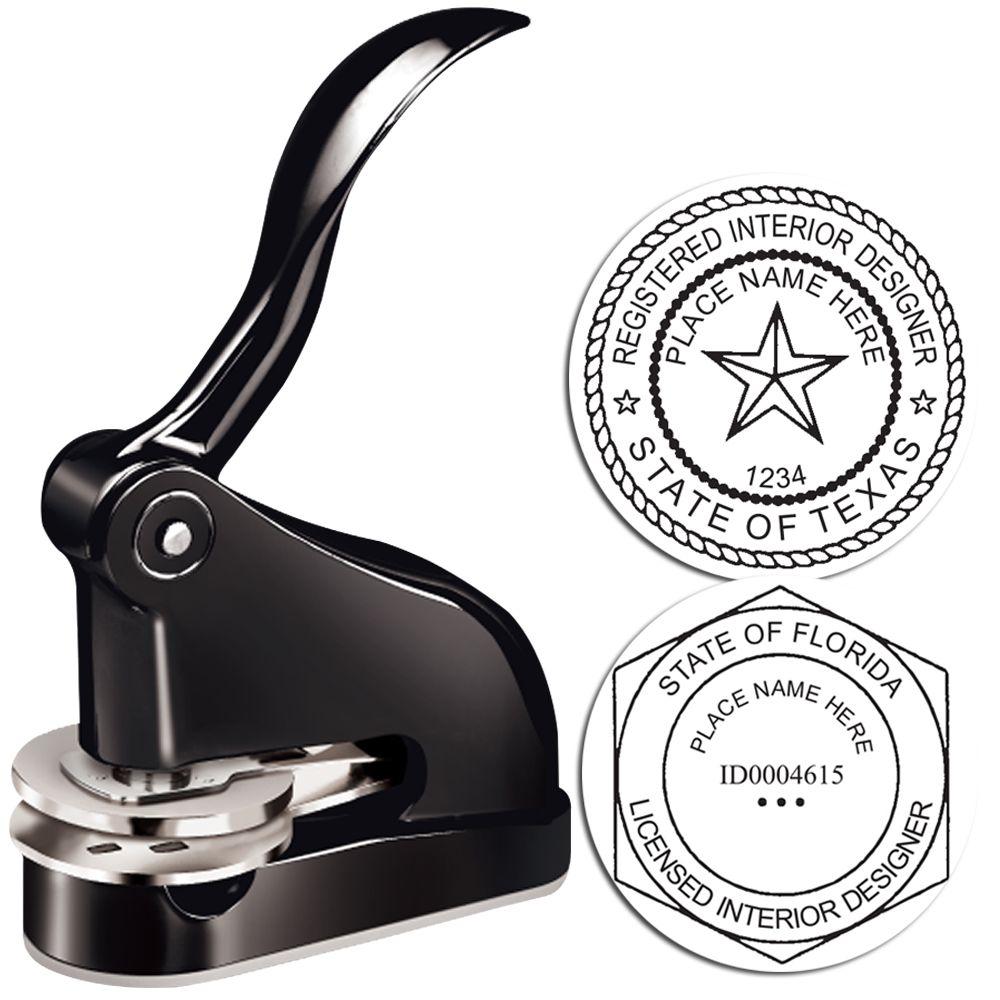

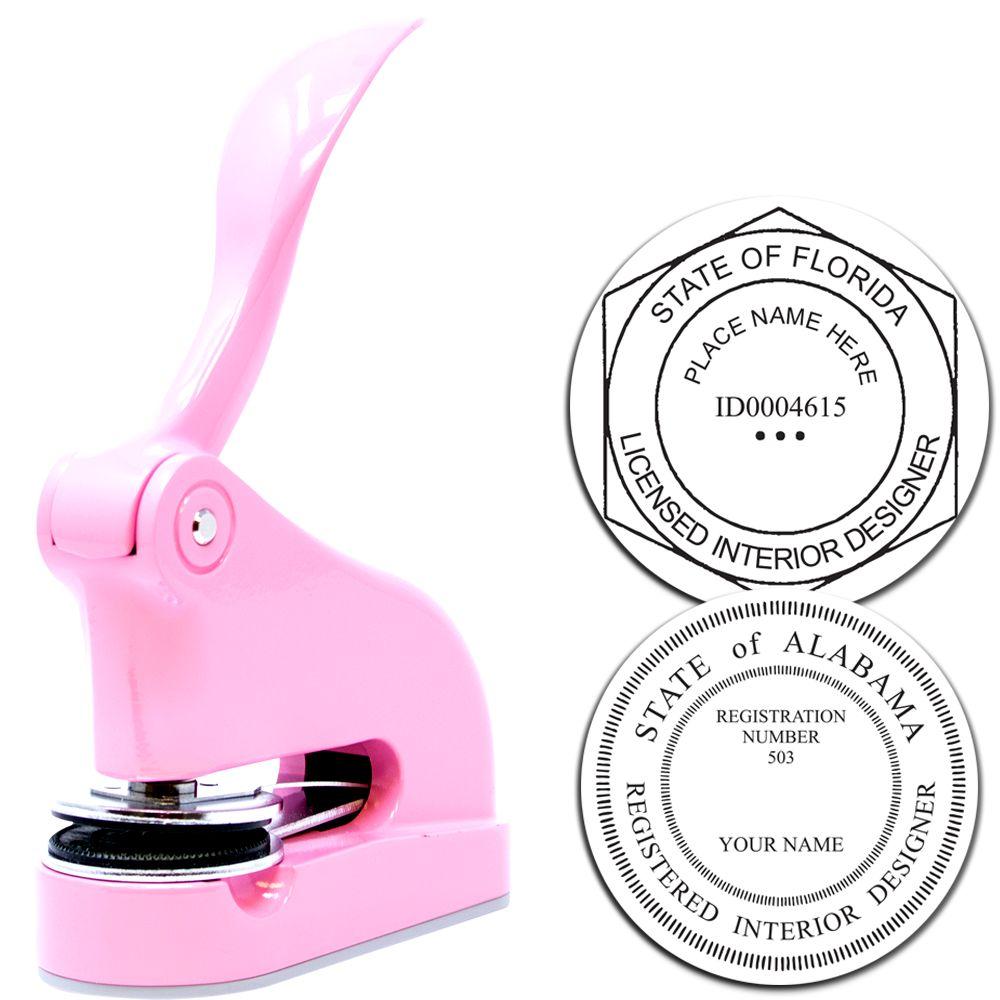
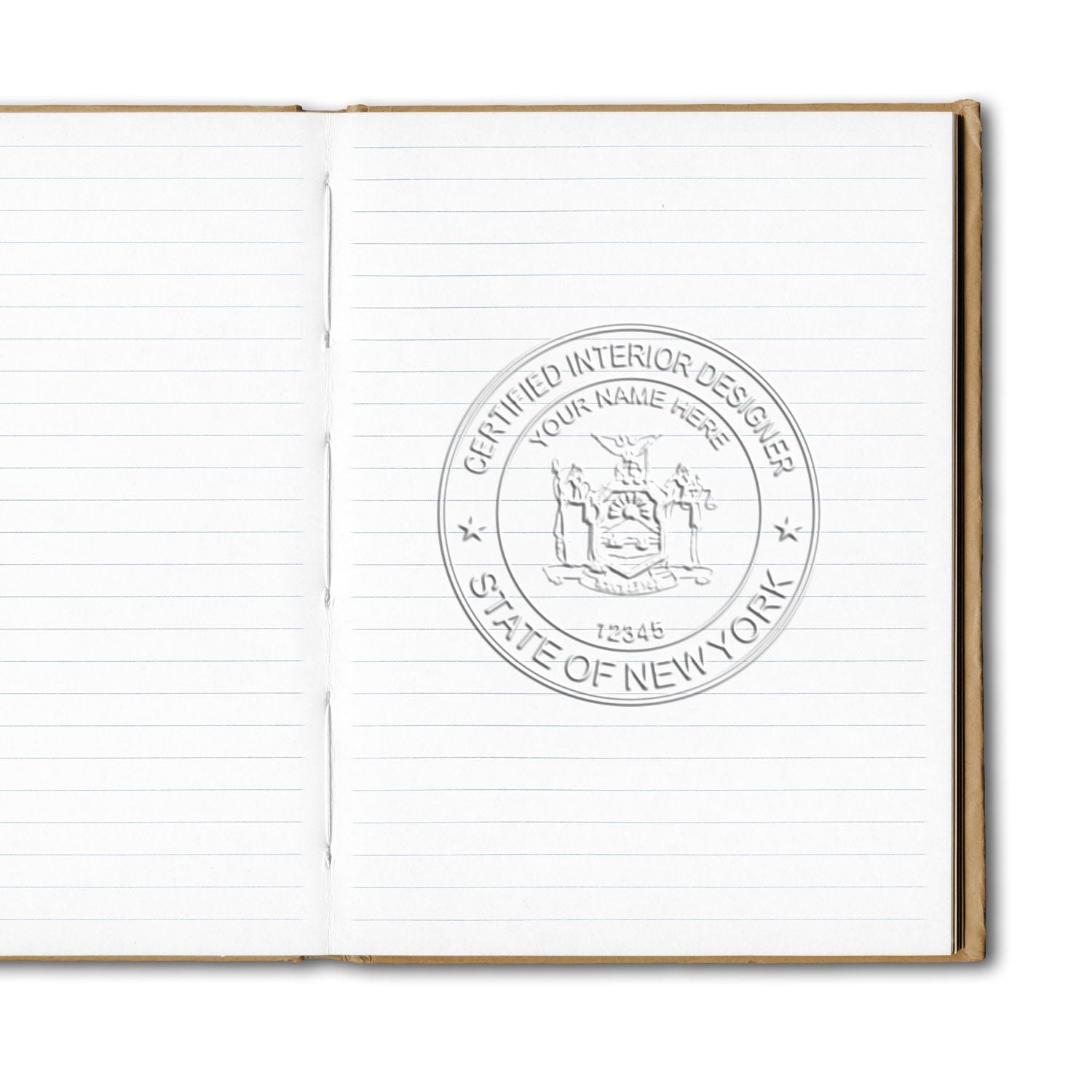
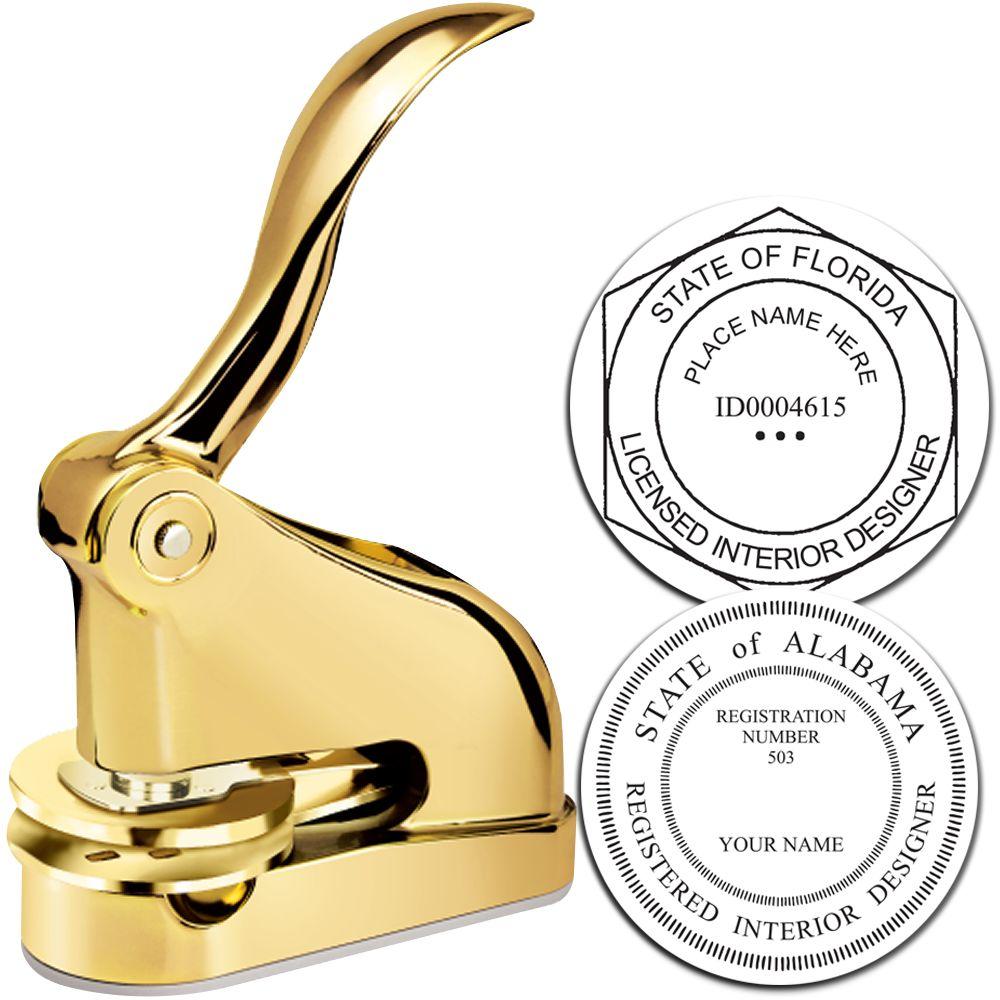
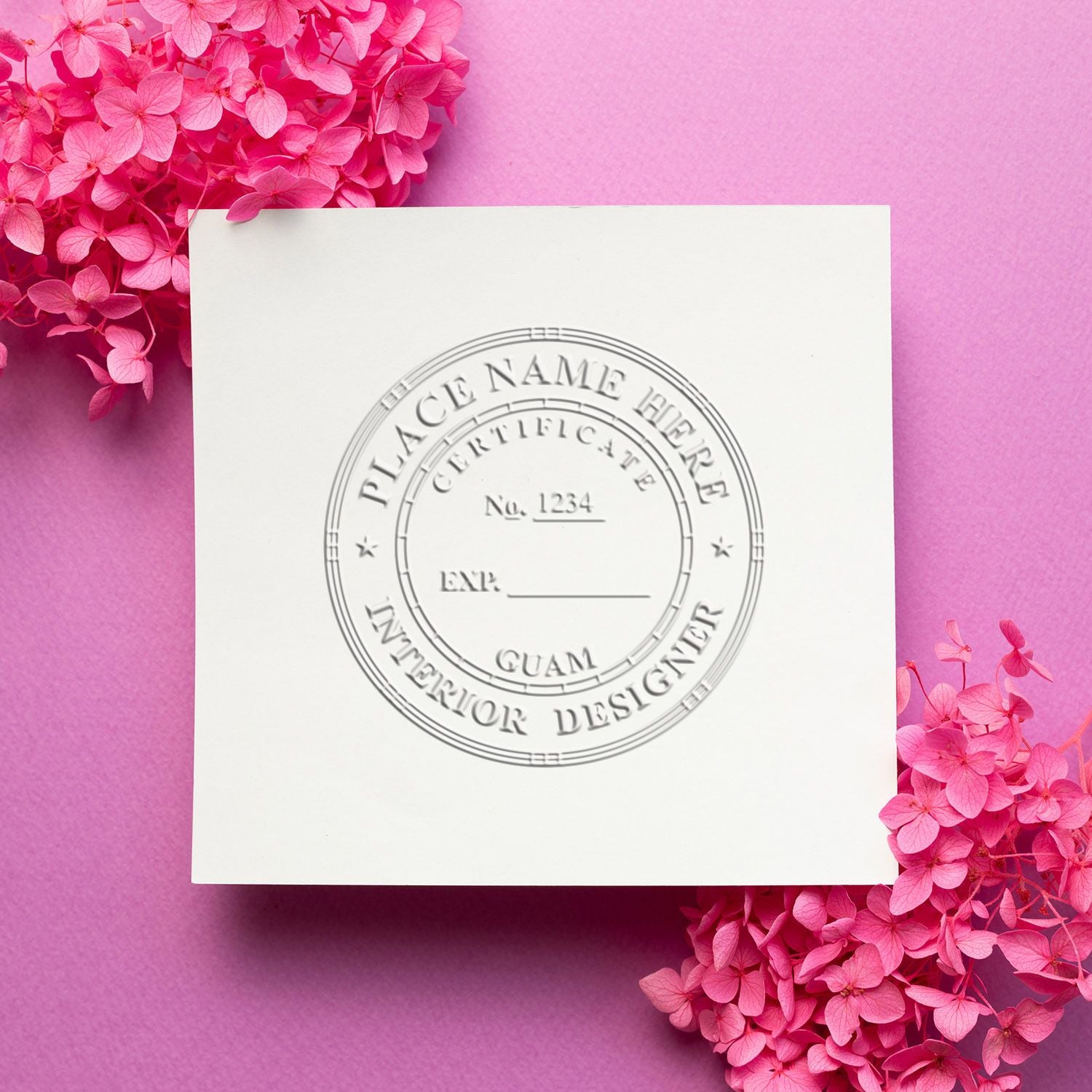


Electronic and digital seals
Not applicable. The digital signature criteria in K.A.R. 66-6-1(b)(3) attach to a licensed technical professional’s seal. Kansas sets no electronic signing standard for interior designers because it sets no signing standard for them at all.
Renewal, lapse and retirement
Not applicable. There is no Kansas interior design license to renew, lapse, reinstate or revoke, and no number that could change. A private certification such as NCIDQ is governed by the issuing organization, not by Kansas.
Firm requirements
Not applicable. The certificate of authorization in K.S.A. 74-7036 applies to a business entity organized for the practice of one or more of the technical professions, which does not include interior design. An interior design firm in Kansas needs no board certificate. If the firm also offers architecture or engineering, that practice triggers the certificate requirement on its own terms.
What to check before you order
Do not order a Kansas interior design seal, because there is no Kansas credential for one to represent. If you want a professional identifier for your drawings, ask for a rectangular text block carrying your name, your firm and the exact name of any private certification you hold, with no circle, no state name and no number formatted to look like a license number. If a supplier offers to cut you a round INTERIOR DESIGNER seal with KANSAS on it, decline it. When your Kansas project needs a sealed document, the seal has to come from a Kansas licensed architect or professional engineer working to K.A.R. 66-6-1.
Browse interior designer stamps and seals.
Frequently asked questions
Does Kansas require an interior designer to have a seal?
No, and it could not, because it issues no credential to put on one. K.S.A. 74-7003(w) names the five technical professions the Kansas State Board of Technical Professions regulates, and interior design is absent from that definition. The board’s sealing rule, K.A.R. 66-6-1, authorizes a seal only for architects, professional engineers, landscape architects, professional surveyors and professional geologists. No Kansas rule requires, prohibits or describes an interior designer’s stamp.
Is there a Kansas interior design license or registration?
There is not. The board’s enabling statutes run from K.S.A. 74-7001 through 74-7042a and create five credentials. Interior design is not among them and no other Kansas agency issues one. Practicing interior design in Kansas does not require a state credential, which is why there is no number for a seal to carry.
What can I put on an interior designer stamp in Kansas?
Whatever is true of you. Your name as you use it professionally, your firm name, a monogram, your logo, contact details, and the exact name of any private certification you hold. The NCIDQ certificate is an examination credential from the Council for Interior Design Qualification, and naming it that way is accurate. Since no Kansas rule prescribes a layout, a rectangular text block, an oval, a square or a round die are all equally acceptable, and the choice is yours to make on looks and legibility.
What should I leave off a Kansas interior designer stamp?
Anything that reads as a Kansas credential. Keep off the words “Licensed” and “Registered” standing alone, keep off STATE OF KANSAS set in a ring, and keep off a bare number formatted the way a license number is formatted. A die reading INTERIOR DESIGNER, STATE OF KANSAS with a number in the middle asserts something Kansas does not issue, and K.S.A. 74-7023 and the board’s prohibited-acts provisions exist to address impressions that suggest a Kansas license nobody holds. Naming NCIDQ in plain words is a different thing entirely and is fine.
What size and shape should a Kansas interior designer seal be?
Any size and any shape. No Kansas statute or regulation prescribes an interior design seal because none exists. K.S.A. 74-7003, the board statutes at K.S.A. 74-7001 through 74-7042a and K.A.R. 66-6-1 are all silent on the profession. Most people who order one land somewhere between 1-1/2 and 2 inches for a round die, or a rectangular block about 2-1/2 by 1 inch for a name and firm line, purely because those read well on a drawing sheet.
Rubber stamp or embosser for an interior designer in Kansas?
Your call. K.A.R. 66-6-1(a) authorizes rubber stamp, embossed and digital seals, but only for the five licensed technical professions, so it neither permits nor forbids anything for you. In practice an inked rubber stamp is the more useful object, because it survives scanning and copying while a blind emboss disappears. An embosser is the better choice if you want something that feels ceremonial on a letterhead or a presentation binding.
Who seals an interior project in Kansas that needs a permit?
The Kansas licensed architect or professional engineer in responsible charge. K.A.R. 66-6-1(c) puts the sealing duty on construction documents that amount to the practice of architecture or professional engineering, subject to the practice exemptions in K.S.A. 74-7031 and 74-7033. Interior work that falls inside those exemptions can be prepared and issued without any seal at all. No interior design credential from any source substitutes for an architect’s or engineer’s seal where one is required.
Does my NCIDQ certificate give me sealing authority in Kansas?
No, and it does not claim to. NCIDQ is a private examination credential, not a state license, and Kansas grants no practice authority on the strength of it. What it does give you is something true to put on a stamp or in a title block. Name it precisely, as the NCIDQ certificate from the Council for Interior Design Qualification, rather than compressing it into a circular device that could be mistaken for a state seal.
Does an interior design firm in Kansas need a certificate of authorization?
No. K.S.A. 74-7036 requires a certificate of authorization from a business entity organized for the practice of one or more of the technical professions, and interior design is not one of them. An interior design firm in Kansas holds no board certificate and no firm seal. A firm that also offers architecture or engineering triggers the certificate requirement through that practice, on its own terms.
Can I sign Kansas interior design documents electronically?
Nothing in the board’s rules stops you, and nothing in them applies to you. The digital signature criteria at K.A.R. 66-6-1(b)(3), like the signature-and-date-across-the-seal requirement at K.A.R. 66-6-1(b)(1), attach to a licensed technical professional’s seal. Kansas sets no electronic signing standard for interior designers because it sets no signing standard for them at all. A stamp image dropped into a PDF alongside your signature is a business practice here, not a regulated one.
If I am registered as an interior designer in another state, can I use that seal in Kansas?
A credential from another state authorizes a seal for that state. It says nothing about Kansas, because Kansas has no interior design credential for it to correspond to. Using an out-of-state registered interior designer seal on Kansas work risks reading as a claim to Kansas standing. If you want your out-of-state registration visible, name the issuing state expressly in the wording rather than leaving the state off and the number on.








