
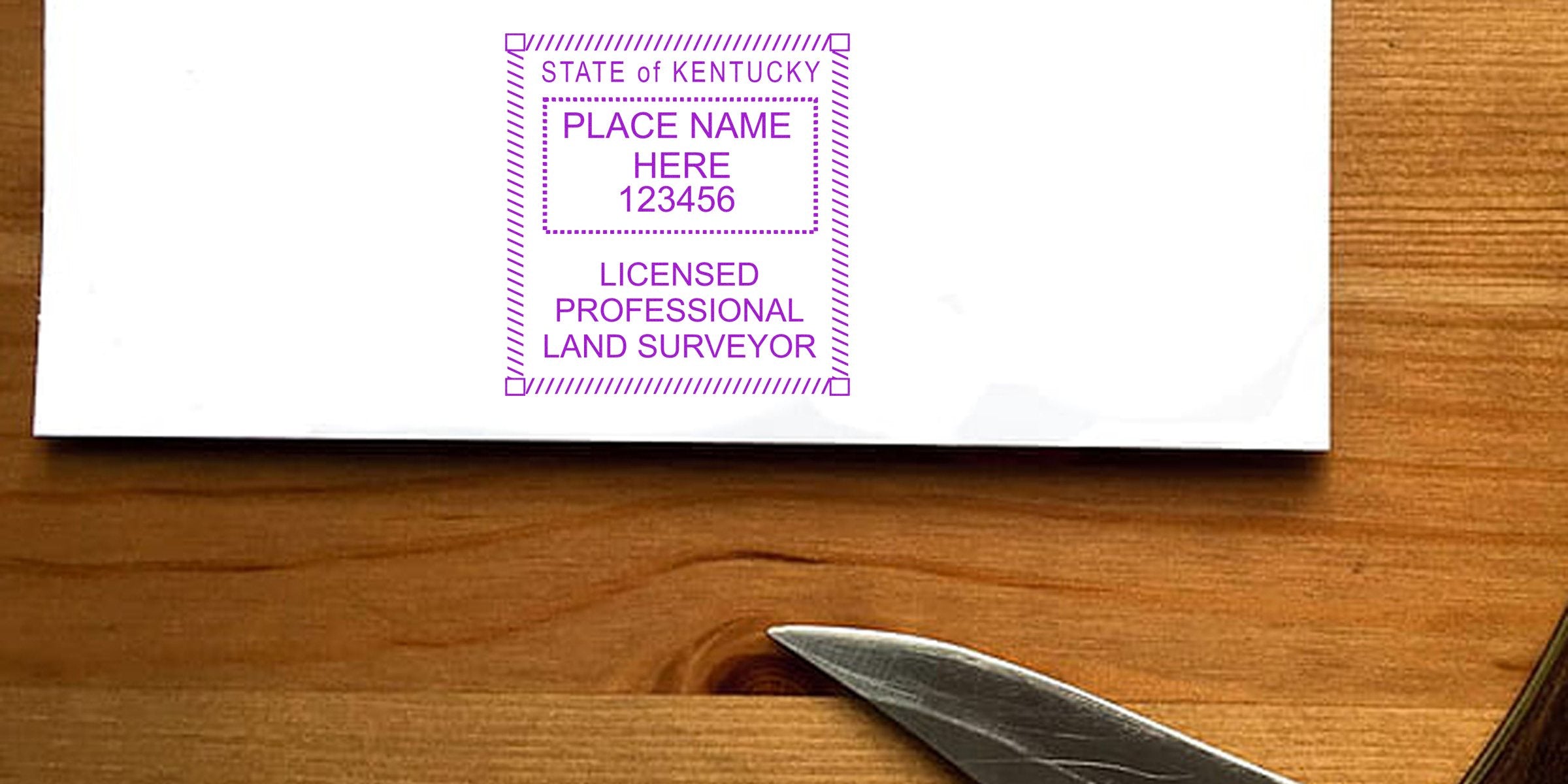
Grasp Kentucky Land Surveyor Stamp Laws
You probably know that land surveying in Kentucky requires precise documentation, including a properly formatted stamp or seal. Still, the actual rules can feel confusing sometimes. Kentucky land surveyor stamp laws spell out who needs a seal, what it should look like, and how you should use it. Let’s walk through the most important details to help you feel confident about meeting these legal requirements.
Before we dive in, here’s your one-sentence promise of value: By the time you finish reading, you’ll have a clear picture of how to obey Kentucky’s land surveyor stamp laws in a practical, straightforward way.
Clarify The Role Of Your Stamp
The land surveyor stamp’s main job is to officially mark the documents you produce. This mark shows that a licensed professional takes responsibility for the boundaries and measurements you present. Customers, contractors, and various government agencies also rely on it to confirm your professional status.
- In Kentucky, you’re required to have a seal or stamp that verifies you’re a licensed land surveyor.
- The seal includes your name, license number, and the words identifying you as a Kentucky Land Surveyor.
- When you mark a document with your stamp, you’re essentially saying, “I stand behind these results.”
Your stamp or seal is basically the finishing touch on your project. That tiny imprint can help prevent confusion or disputes that might cost you or your client loads of time and money down the road.
Review The Basic Requirements
While Kentucky land surveyor stamp laws don’t usually demand complicated hoops, you do need to be aware of the core requirements. These guidelines keep your stamp consistent with state codes and reassure clients about your credibility.
-
Identify The Essentials
- Your full name as registered with the licensing board.
- Your license number, positioned in an easily readable spot.
- Designation as a “Licensed Professional Land Surveyor” or a similar approved phrase.
-
Check The Format
- Kentucky typically asks for a circular or rectangular design.
- The diameter for a circular seal often goes around 1¾ to 2 inches.
- No frilly designs or extra flourishes. Keep it clean and professional.
-
Inspect Placement
- Place your stamp close to the signature line on official surveys.
- Make sure it’s clearly visible and not cut off by margins.
If you’d like more specifics about shapes, borders, or text style, you can visit kentucky land surveyor stamp requirements to see the official guidelines.
Stay Aligned With Legal Protocols
Kentucky land surveyor stamp laws aim to ensure that every licensed land surveyor follows standard procedures. These protocols protect everyone involved in property transactions, from banks and title companies to individual homeowners.
For instance, you might wonder if every page in your survey packet needs a stamp. Generally, Kentucky law states that final reports, drawings, and related legal documents should carry your seal and signature. However, it’s good practice to include the stamp whenever you want to clarify that the information you’re presenting is official.
- Double-check project-specific guidelines, like if a county or city office requires special instructions.
- Use an ink color that stands out. Some land surveyors prefer a crisp black or dark blue so the seal reads clearly even on photocopies.
- Keep your license current. If your license lapses, the stamp is no longer valid, and you could face legal issues for stamping documents.
Pick Your Kentucky Stamp Or Seal
A stamp or seal might sound straightforward, but certain details can influence your choice. A traditional rubber stamp, a self-inking stamp, and a metal embossing seal each have pros and cons. Here’s a quick table to break it down:
| Type | Pros | Cons |
|---|---|---|
| Self-Inking Stamp | Quick, clean impressions, portable | Pad dries out over time, needs replacing |
| Traditional Rubber | Easily replace the pad, flexible sizing | Requires separate pad, can smudge |
| Metal Embossing Seal | Classic, raised impression, secure | Harder to scan or copy, takes more force |
The best choice depends on how you prefer to work. If you handle a high volume of documents, you may want a self-inking stamp for speed. If you care more about a tamper-evident impression, an embossing seal could be the way to go. Some land surveyors own both, just in case.
Use Proper Stamp Techniques
Once you decide on the perfect stamp method, it’s time to put it into practice. While stamping a piece of paper might not sound complicated, a few technique tips can make your life easier:
-
Test On Scrap Paper
- Always give new stamps or ink pads a trial run on a spare sheet. This helps you figure out the right pressure and angles.
- Look for gaps or smudges, adjusting your grip as needed.
-
Position Carefully
- Align your stamp with your page margins, so it doesn’t overlap your drawing border.
- If possible, leave white space around the seal for clarity.
-
Sign Near The Stamp
- Kentucky requires your signature in close proximity to the seal. Usually, you’ll sign just below or above the stamped mark.
- Make sure the signature is clear and readable.
-
Store It Right
- Keep stamps and seals in a dry, dust-free spot.
- Avoid leaving them under direct sunlight, which can degrade rubber and ink faster.
Manage Renewal And Recordkeeping
One of the less exciting, yet crucial, aspects of Kentucky land surveyor stamp laws is staying on top of renewals and document retention. If you let your license expire, you can’t legally apply your seal. And if you fail to archive your final documents, you can run into compliance trouble.
Mark Your Calendar
Renew your license by the state’s deadline.
Note any continuing education hours you need.
Archive Your Projects
-
Hang on to final drawings, notes, and stamped documents for as long as Kentucky rules require.
Digital copies are handy, but confirm they’re acceptable if you’re planning to rely on them exclusively.
Monitor The Law
Regulations can shift over time. Keep an eye on updates from your state board.
Small changes in language or formatting might require you to update your seal.
Trust Acorn Sales For Quality
With your obligations growing every day, it’s nice to have a reliable partner for your official supplies. That’s where Acorn Sales comes in. We’ve been in business since 1964, offering professional stamps and seals you can count on. We understand Kentucky’s rules, and we’re also committed to giving you a smooth experience.
Summary And Next Steps
By now, you’ve learned that complying with Kentucky land surveyor stamp laws isn’t as daunting as it sounds. Your seal is a vital part of your professional toolkit, confirming your qualifications and providing a layer of security against disputes. Inky or embossed, your stamp can establish trust in the eyes of clients and government offices alike.
If questions pop up, keep these points in mind:
- Check you have the correct design, including the required text and license number.
- Always stamp and sign final drawings, then store them responsibly.
- Mind your renewal dates so you stay in good standing.
- Pick the stamp or seal style that fits your workflow, from self-inking stamps to metal embossers.
- A reliable supplier, like Acorn Sales, can take the guesswork out of staying legal.
Remember, if you want more direct instructions on design specifics, check out kentucky land surveyor stamp requirements. You can then contact Acorn Sales to pick out the right seal, grab a free digital option, and go back to doing what you do best—producing accurate, trustworthy land surveys. Have any bright ideas or personal tips to share? Let us know. We’d love to hear from you!
Frequently Asked Questions
Expert Guidance: Unsure which stamp meets Kentucky’s exact specs?
We’ll point you in the right direction.
What Is The Basic Scope Of Kentucky Land Surveyor Stamp Laws?
Kentucky land surveyor stamp laws require any licensed surveyor to place an official seal on final survey drawings and related documents. This seal includes your name, license number, and professional designation, and verifies the accuracy of the work. You also need to sign near the stamp, confirming your legal responsibility for the data.
Should I Use A Stamp Or An Embosser In Kentucky?
Either is allowed, as long as it meets size and information requirements. A stamp might be more convenient if you produce many documents, since it’s quick to apply. An embosser creates a raised impression, which is sometimes considered more secure. Some surveyors keep both on hand, especially if they like a raised seal for official presentations but want the speed of a stamp for day-to-day jobs.
When Should I Renew My Seal Or License?
Your license renewal timeline is set by the Kentucky Board responsible for professional land surveyors. Follow their schedule closely, because if your license isn’t active, you can’t legally stamp or sign your documents. As soon as you renew, double-check your seal’s details. If your address, name, or other info changed, you may need a new or updated seal.
How Do I Get A Free Digital Seal?
Acorn Sales offers a free digital seal with the purchase of a physical stamp or seal. It’s straightforward: once you’ve settled on the type of seal you want, just let us know you’d like the digital version too. This can help streamline your digital documentation and ensure you’re still meeting Kentucky’s guidelines in an online format.
Why Choose Acorn Sales For My Kentucky Stamp Needs?
We’ve been around since 1964, making sure professionals like you have top-tier stamps and seals. Our experience means we’re familiar with Kentucky land surveyor stamp requirements, and we continuously update our products to line up with any regulatory changes. We also prioritize customer service, so you won’t be left guessing if your seal meets the state’s standards.








