
Written by Acorn Sales Company, manufacturing stamps and seals since 1964 · Reviewed by Holly R, VP of Sales and Marketing at Acorn Sales, against no board: West Virginia does not license or register interior designers and W. Va. Code ch. 30 article list on 21 September 2026 · Updated 21 September 2026
Chapter 30 of the West Virginia Code contains forty-three articles and none of them is interior design. Architects are article 12, land surveyors article 13A and landscape architects article 22. Landscape architecture being regulated here is worth noting, because the two professions are often assumed to share a regulatory fate and in West Virginia they do not: landscape architects have a statutory seal legend and a certificate of authorization for firms, and interior design has no article, no board and no seal.
Which means nothing is prescribed for your device and nothing about it is restricted. No element list, no diameter, no legend and nothing to file. Acorn will make it to whatever you want on it: your own name, your firm name, a monogram, your logo, or a credential you actually hold such as NCIDQ.
One legend to avoid, and it is not the architect one. A die reading Professional Interior Designer, State of West Virginia copies the statutory landscape architect legend at W. Va. Code § 30-22-18(a), and there is no West Virginia interior design credential behind it. Put your own name, your firm name, and any credential you actually hold, such as NCIDQ. Leave off “Licensed” and “Registered” and any state-issued title unless the state issued you one, because that is the part some states do restrict.
West Virginia interior designer seal requirements at a glance
| Requirement | West Virginia rule | Source |
|---|---|---|
| Seal required | Not licensed here | W. Va. Code ch. 30 article list |
| Required elements | Not applicable: West Virginia issues no interior design credential and prescribes no interior designer seal | W. Va. Code ch. 30 article list |
| Size and shape | Not applicable. | W. Va. Code ch. 30 article list |
| Device allowed | Not applicable. | W. Va. Code ch. 30 article list |
| Signature and date | Not applicable. | W. Va. Code ch. 30 article list |
| What must be sealed | No West Virginia document requires an interior designer’s seal. | W. Va. Code § 30-12-7(b) |
| Electronic seal | Not applicable. | W. Va. Code ch. 30 article list |
| Renewal and lapse | Not applicable. | W. Va. Code ch. 30 article list |
| Firm requirements | Not applicable. | W. Va. Code §§ 30-22-19, 30-13A-20 |
| Regulator | No board: West Virginia does not license or register interior designers | W. Va. Code ch. 30, Professions and Occupations, full article list read from the West Virginia Legislature’s code site, which contains articles 12 (Architects), 13A (Land Surveyors) and 22 (Landscape Architects) and no interior design article |



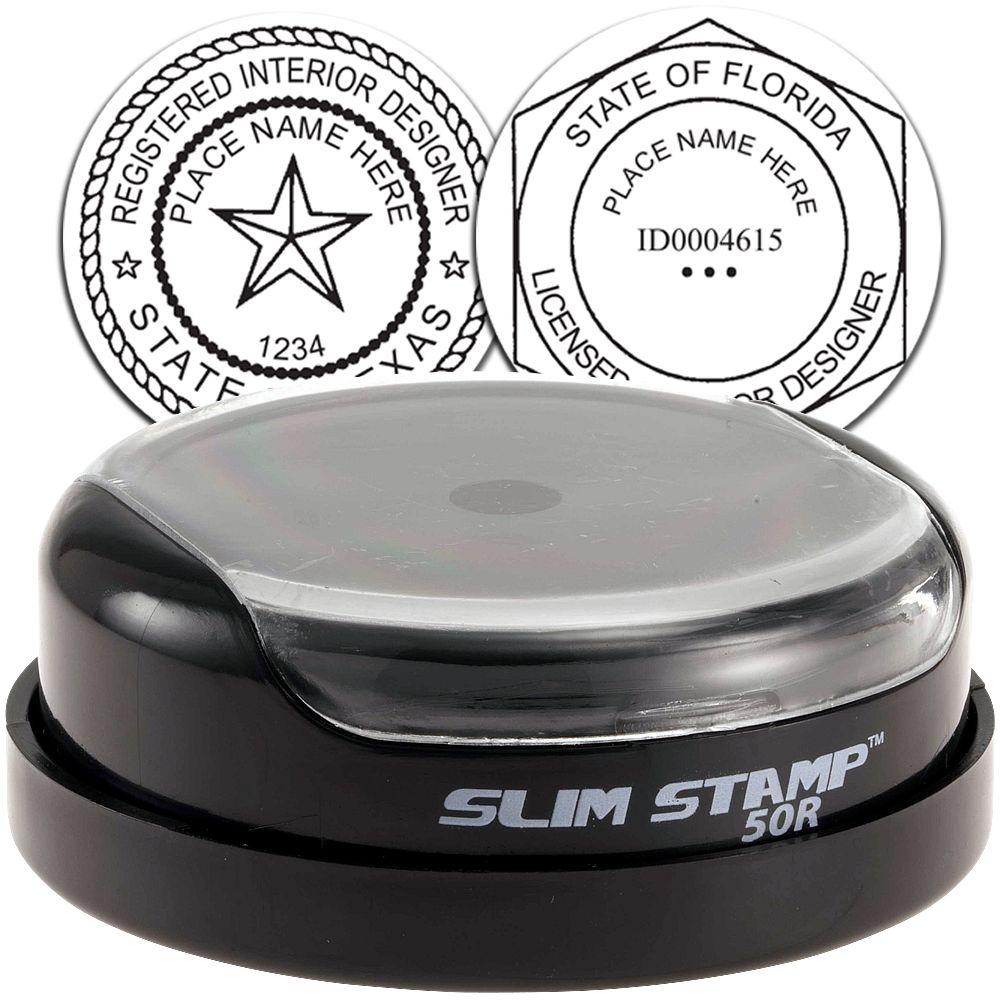
Is a seal required in West Virginia?
West Virginia does not license, register or certify interior designers, and no West Virginia agency issues an interior designer’s seal. Chapter 30 of the West Virginia Code, Professions and Occupations, contains forty-three articles and no interior design article; the design professions that appear are architects at article 12, land surveyors at article 13A and landscape architects at article 22. There is no credential to seal with.
What must appear on the seal
- Not applicable: West Virginia issues no interior design credential and prescribes no interior designer seal
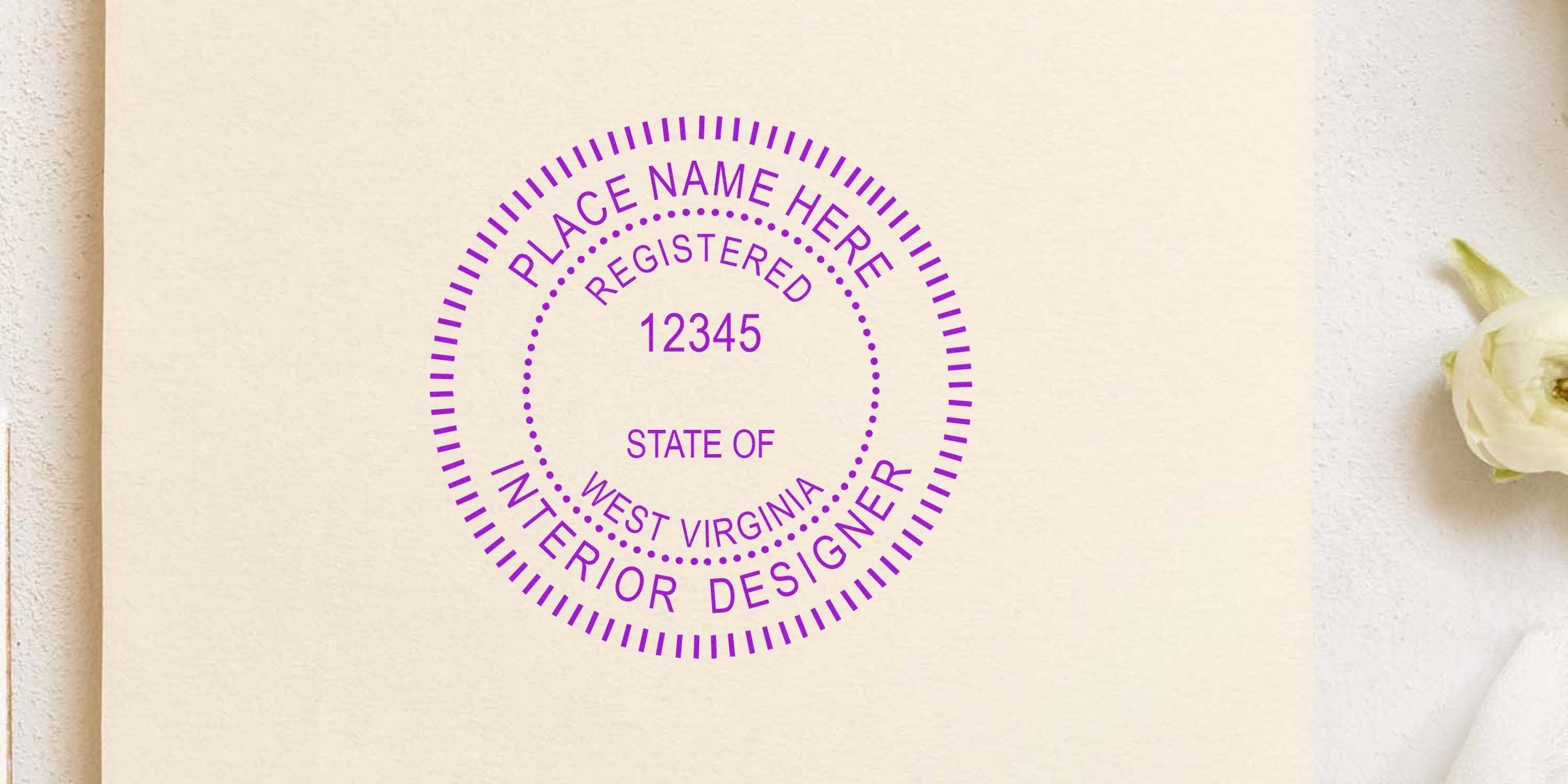
Nothing is prescribed because nothing is regulated. An interior designer working in West Virginia may use a firm stamp or a logo device, and no West Virginia element list governs it. Avoid a die reading Professional Interior Designer, State of West Virginia: that construction copies the statutory landscape architect legend at W. Va. Code § 30-22-18(a) and would assert a credential the state does not grant.
Size and shape
Not applicable. West Virginia prescribes no interior designer seal and therefore no dimension. The sources here are the chapter 30 article list.
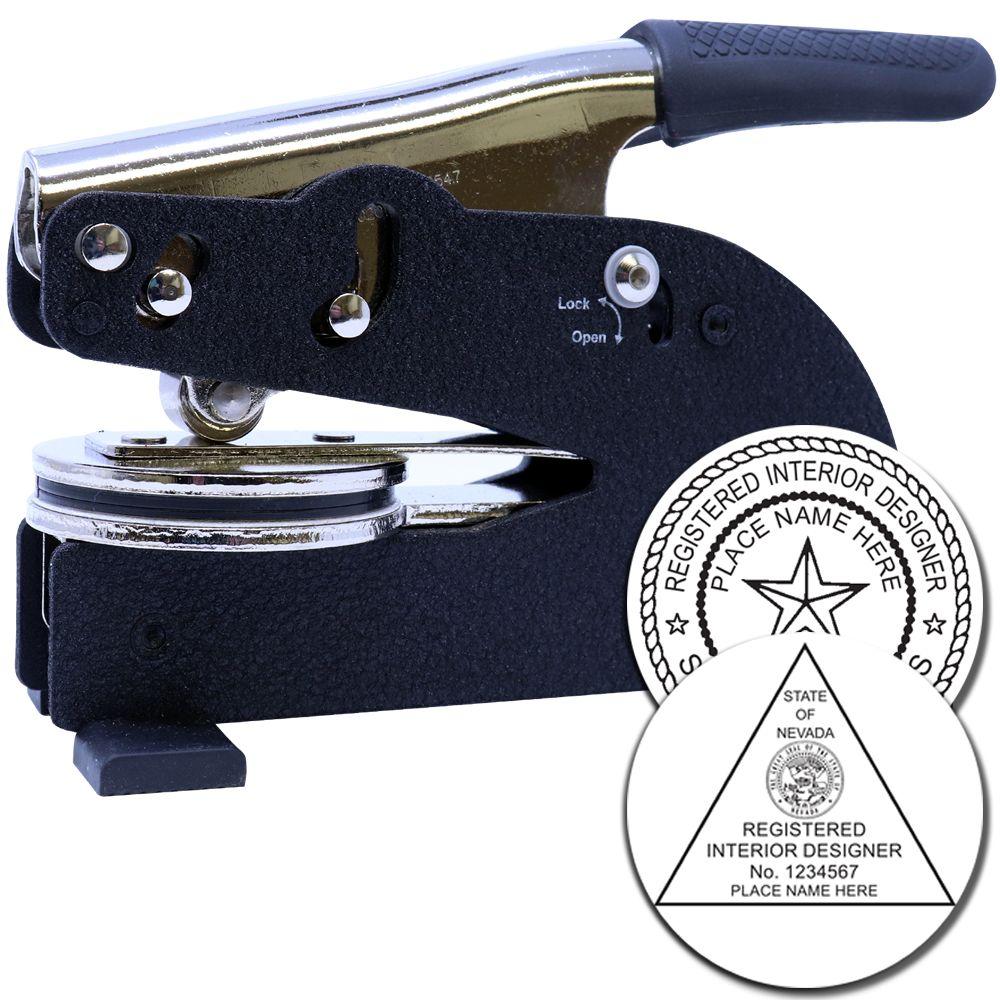



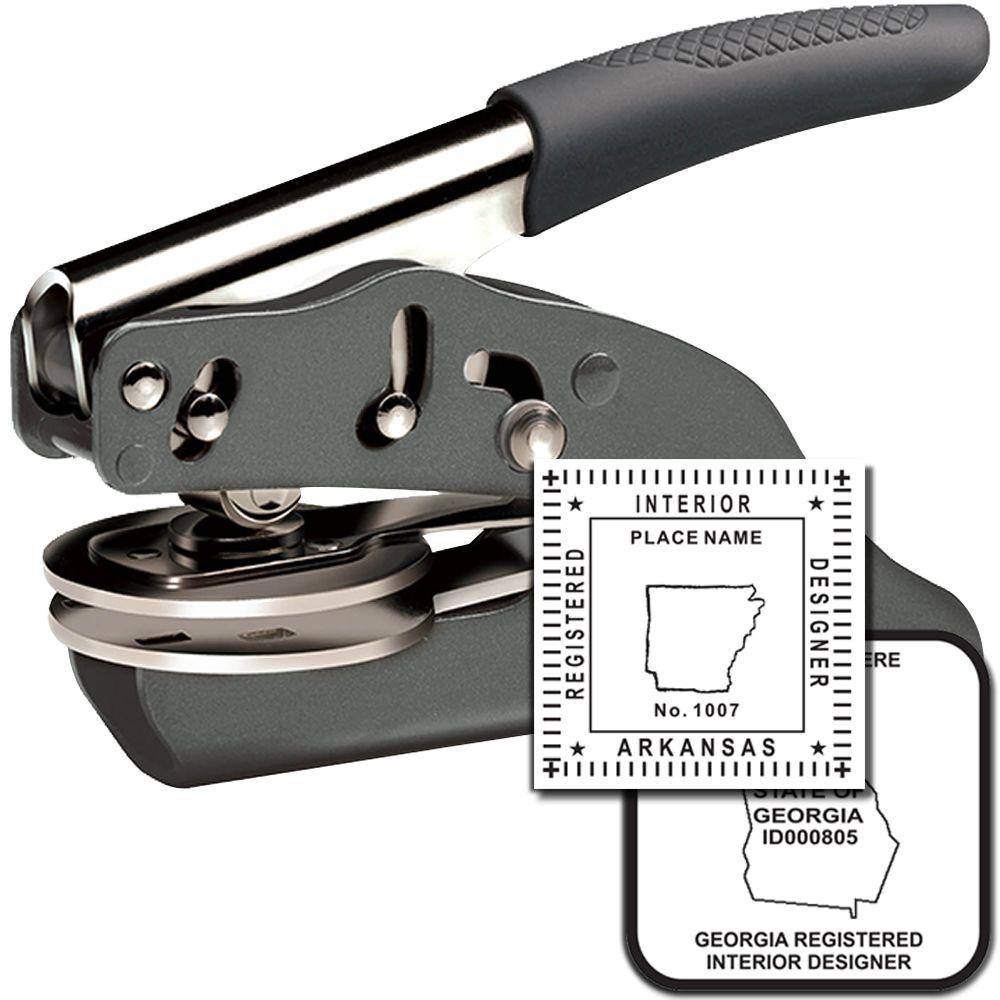

Embosser, rubber stamp or digital
Not applicable. With no West Virginia interior design credential there is no required instrument. Where interior work forms part of a West Virginia permit submittal, the seal on it is the architect’s under W. Va. Code § 30-12-7 and CSR § 2-1-9.6.
Signing and dating
Not applicable. No West Virginia rule prescribes a signature or date for an interior designer, because no West Virginia rule prescribes an interior designer seal.
Forty-three articles in chapter 30, and interior design is not one of them
West Virginia regulates a long list of occupations in chapter 30 of its code. Architects are article 12, land surveyors article 13A, landscape architects article 22. Interior design has no article, no board and no seal. It is worth noting that landscape architecture is regulated here, with a statutory seal legend and a certificate of authorization for firms, because the two professions are often assumed to share a regulatory fate and in West Virginia they do not.
Which documents must be sealed
No West Virginia document requires an interior designer’s seal. Interior design content reaching a permit submittal travels under an architect’s seal, and that seal carries real consequences here: W. Va. Code § 30-12-7(b) bars municipal building inspectors from accepting technical submissions involving the practice of architecture unless sealed, and provides that a building permit issued on non-conforming submissions is invalid.

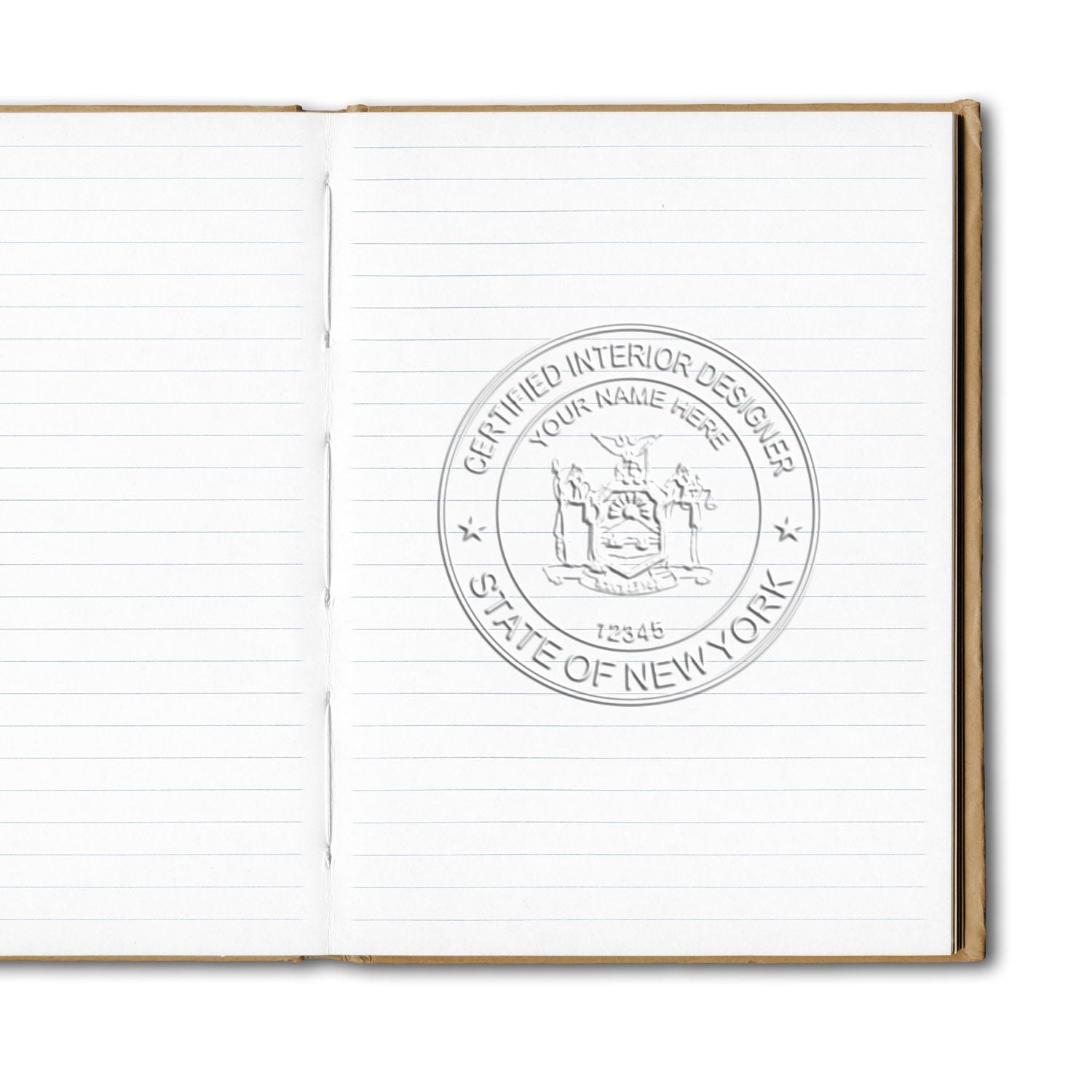
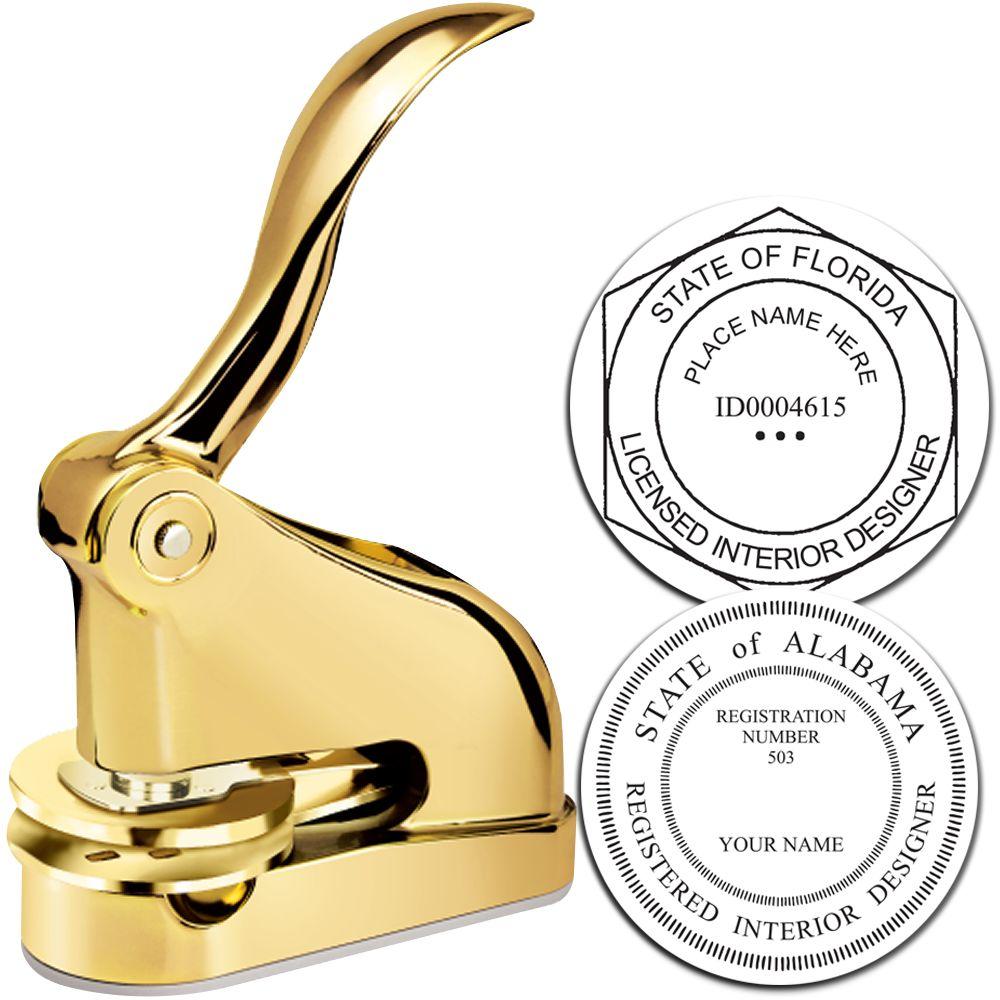
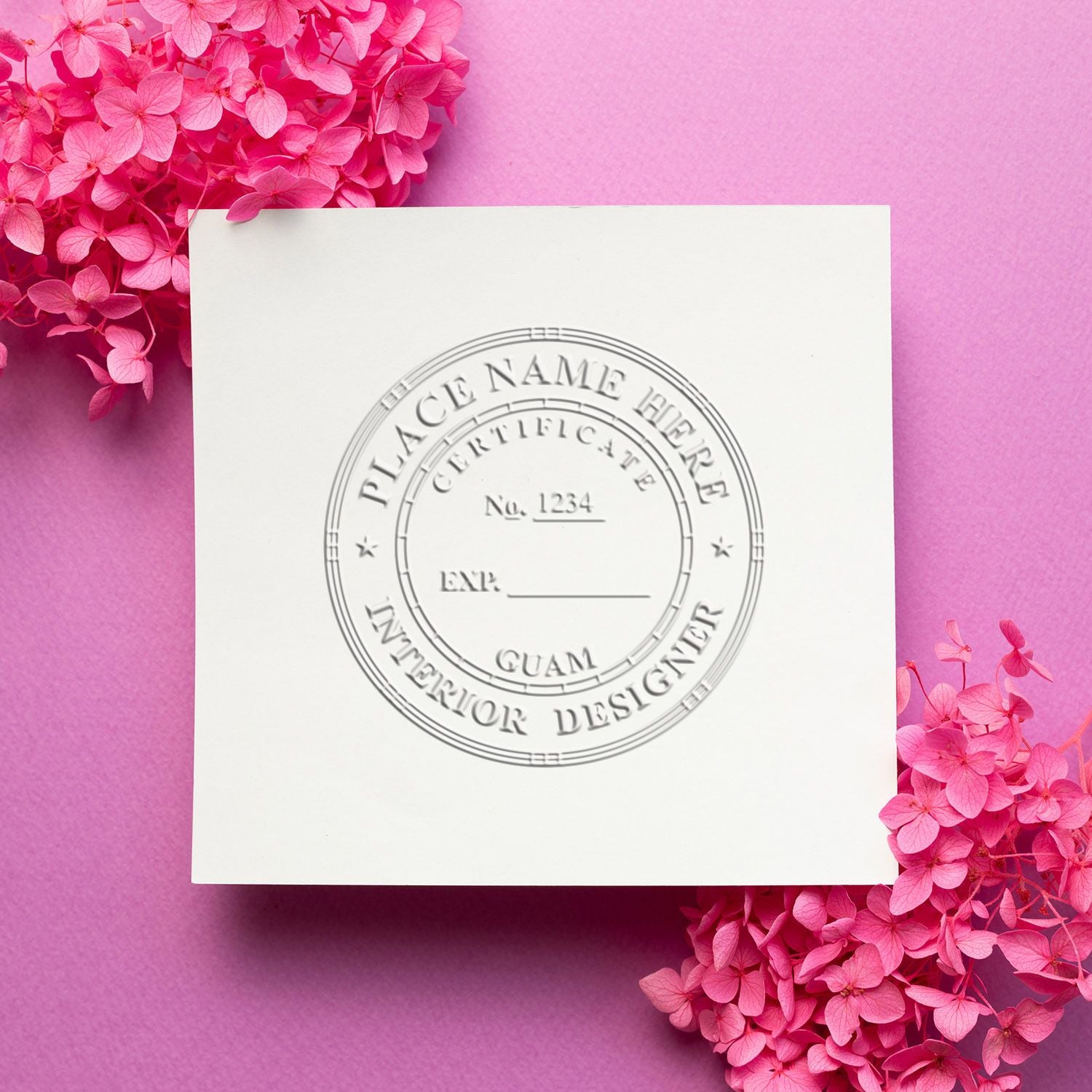


Electronic and digital seals
Not applicable. No electronic seal standard exists for a profession the state does not regulate.
Renewal, lapse and retirement
Not applicable. There is no West Virginia interior design credential to renew, lapse, retire or revoke.
Firm requirements
Not applicable. West Virginia issues no certificate of authorization for interior design services. It does issue them for landscape architecture at W. Va. Code § 30-22-19 and for surveying at § 30-13A-20, and notably not for architecture, so the state’s pattern of firm regulation is uneven rather than absent.
What to check before you order
There is nothing for a West Virginia interior designer stamp to comply with, because the state issues no interior design credential. Do not order a device reading Professional Interior Designer, State of West Virginia; that copies the statutory landscape architect legend and asserts a credential West Virginia does not grant. A firm name plate or a logo device raises none of those questions. If you hold an interior design credential from a state that does issue one, order that state’s device to its own specification and use it only for work there.
Browse interior designer stamps and seals.
Frequently asked questions
Does West Virginia license interior designers?
No. The chapter 30 article list carries articles 12, 13A and 22 for architects, land surveyors and landscape architects, and no interior design article. There is no board and no credential to seal with.
Is an interior designer seal required in West Virginia?
No. With no credential there is no required instrument and no document that calls for one. Any device you carry is a firm stamp or a logo device.
What can I put on a West Virginia interior designer stamp?
Your name, your firm name, a logo, contact details, or the exact name of a private certification such as the NCIDQ certificate from the Council for Interior Design Qualification. No West Virginia element list governs it.
What legend should I avoid in West Virginia?
Professional Interior Designer, State of West Virginia. That construction copies the statutory landscape architect legend at W. Va. Code § 30-22-18(a) and would assert a credential the state does not grant.
What size should a West Virginia interior designer stamp be?
Any size. West Virginia prescribes no interior designer seal and therefore no dimension.
Who seals a West Virginia permit submittal?
The architect, under W. Va. Code § 30-12-7 and CSR § 2-1-9.6, and the consequences are unusually sharp. Section 30-12-7(b) bars municipal building inspectors from accepting technical submissions involving the practice of architecture unless sealed, and provides that a building permit issued on non-conforming submissions is invalid. An unsealed interior sheet in the set is not a paperwork problem.
Does West Virginia prescribe a signature or date for an interior designer?
No, because it prescribes no interior designer seal. How you sign your own interior design documents is a business matter rather than a regulated act.
Is there an electronic sealing standard for West Virginia interior designers?
No electronic seal standard exists for a profession the state does not regulate.
What if I hold an interior design credential from another state?
Order that state’s device to its own specification and use it only for work there. None of them describes anything West Virginia issues.
Does a West Virginia interior design firm get a certificate of authorization?
No. West Virginia does issue them for landscape architecture at W. Va. Code § 30-22-19 and for surveying at § 30-13A-20, and notably not for architecture, so the state’s pattern of firm regulation is uneven rather than absent. Interior design has none.








