
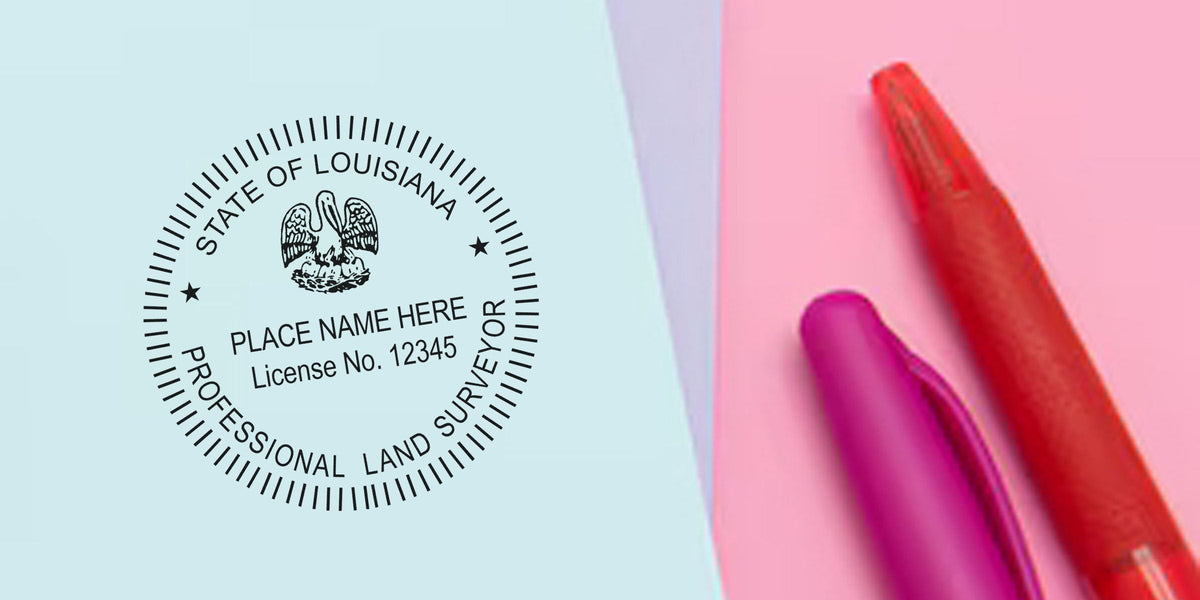
If you’re stepping into the landscape of Louisiana land surveyor stamp embossing for the first time, you might feel a bit overwhelmed by all the rules and practical steps. After all, your stamp or seal is no formality; it’s a tangible mark of authenticity on official documents. Whether you’ve just earned your license or simply want to refresh your current stamping routine, having a confident grasp on best practices is important.
Below, you’ll find a friendly guide covering everything from foundational basics to important state regulations and helpful tips for picking the right stamp. By the end, you’ll know exactly how to ensure your seal meets Louisiana’s legal requirements and reflects the high standards of your work.
Understand The Basics
Louisiana requires licensed land surveyors to authenticate surveys and related documents with a unique stamp or seal. An embossed stamp raises the paper surface, creating a three-dimensional impression that’s difficult to counterfeit. This helps protect both you and your clients from potential disputes regarding accidental modifications or forged copies.
But what’s the big deal about embossing? Unlike inked stamps, an Seal Embosser can leave a raised seal even without ink. Many professionals choose to include ink for clarity, but the raised design alone can be proof that the document is indeed genuine. Embossing helps:
- Provide a tactile seal that’s challenging to replicate.
- Create a long-lasting imprint that won’t fade or smudge with time.
- Add a polished, official look to completed survey documents.
Some prefer a handheld embosser, while others use a desktop or heavy-duty press. Regardless of which style you pick, what really matters is how legible and consistent the final impression is on official paperwork.
Follow State Regulations
Every state has its own set of guidelines for land surveyors, and Louisiana is no exception. You’ll want to study the specific formatting, size, and text requirements that apply to your seal. If you need more detailed guidance, check out our resource on Louisiana land surveyor stamp requirements. Staying compliant does more than follow the law; it also ensures you’re providing the highest quality assurance to your clients.
Here’s a quick rundown of what Louisiana might call for:
- Proper identification: Your full name and license number should be clearly visible on the stamp or seal.
- Official title: The words “Licensed Land Surveyor” or a similar designation must be part of your seal text.
- Legibility and size: Embossing must be large enough to read easily, but still fit comfortably on your project documents.
Of course, keep in mind that regulations can occasionally change. It’s wise to regularly check with Louisiana’s professional licensing board for any updates on stamp designs, requirements, or acceptable stamping methods.
Choose The Right Tools
The next step is deciding what kind of stamp or seal gadget fits your daily workflow. Some land surveyors lean toward a desktop embosser, while others love the lightweight convenience of a pocket-style device. Here’s a quick comparison:
| Embosser Type | Best For | Pros | Cons |
|---|---|---|---|
| Desktop Embosser | High-volume stamping | Strong use, sturdy feel | Bulkier, not as portable |
| Handheld Embosser | On-the-go tasks or small documents | Lightweight, easy to carry | Requires steady hand pressure |
When comparing embossers, be sure to ask yourself:
- Will I mostly be stamping out in the field, or at my desk?
- How many documents will I sign and stamp per week?
- Do I mind carrying a heavier tool if it delivers crisp impressions?
You’ll also need to consider durability, because an embosser should last you for years. Many brands offer interchangeable seals, so if your license info changes, you can update the metal die without buying an entirely new device.
Apply Proper Techniques
Once you’ve got your tool, let’s talk about technique. Louisiana land surveyor stamp embossing demands more than pressing down on paper. You’ll want a clear, readable imprint every time. Here’s how to get it right:
-
Position Correctly
Place the edge of your document far enough into the embosser so the impression isn’t too near the paper’s border. The official seal should be completely on the page, not straddling an edge. -
Apply Steady Pressure
If you’re using a handheld embosser, grip it firmly, but don’t force it to the point where the paper tears. The goal is to create a distinct raised impression without damaging the page. -
Check Legibility
Inspect each embossing for clear, sharp lines. If the text or license number looks fuzzy, adjust your pressure or positioning. Over time, you’ll build muscle memory. -
Add Optional Ink
Some surveyors also use an ink pad to apply color over the raised area. This way, your details pop visually and can be easily scanned or photocopied. However, ink is not always required, be sure you know whether or not your documents must feature an inked imprint.
If you’re new to embossing, do a few test runs on scrap paper. It’s better to perfect your stamp technique there rather than risk messing up an official document.
Ensure Ongoing Compliance
Staying on top of your stamping game doesn’t end after the first few impressions. You’ll want to revisit your seals and official documentation from time to time to confirm you’re always meeting requirements.
- Refresh your seal if state regulations ever update their guidelines for text size or design.
- Renew your license in a timely manner, and if the license number or status changes, update your seal accordingly.
- Store your embossing device securely. Losing it can lead to unauthorized usage of your seal.
- Keep an eye on the physical quality of your embosser, worn dies can produce less legible impressions.
This diligence helps maintain the trust you’ve built with clients, colleagues, and regulatory bodies. It also ensures your name and professional reputation stay in good standing.
Why Choose Acorn Sales?
If you’re looking for a hassle-free way to get the right seal or stamp, Acorn Sales is a trusted supplier that specializes in Louisiana land surveyor stamps and seals. We’ve been in business since 1964, which means we’ve spent decades perfecting our product line and streamlining our ordering process.
What can you expect from Acorn Sales?
- Free Digital Seal: We offer a digital version of your seal at no additional cost, so you can quickly add it to electronic documents when needed.
- Customizable Solutions: Whether you want a handheld embosser or a heavy-duty model for your desk, we provide a range of designs suited to different budgets and workloads.
- Quick Shipping Options: We know you don’t want to wait around, so we aim to get products to you as soon as possible.
- Helpful Customer Support: Not sure which embosser is right for you? Our knowledgeable team can guide you toward the perfect choice for your stamping style.
Plus, we understand the nuances of Louisiana land surveyor seal regulations. That means you can shop with confidence, knowing your product meets the state’s legal requirements. Our long history in the stamping business has taught us the ins and outs of what professionals like you need to stay compliant.
Not usually. Land surveyors have their own set of professional responsibilities, and the seal itself is a sign of licensure and expertise. That said, if you’re dealing with real estate documents, you might need a notary for other aspects of the documentation. Double-check with your client or local regulatory office for clarity on each type of form.
To recap, having the right approach to Louisiana land surveyor stamp embossing can boost your credibility and ensure your paperwork remains in good standing. By picking the best embosser for your workflow, following Louisiana’s guidelines, and keeping your seal updated, you’ll show your clients and state regulators that you take your profession seriously.
If you have any questions about embossers, compliance, or custom options, feel free to reach out. Your next well-embossed document might be just one smooth press away. And if you’re ready to upgrade your stamping game, Acorn Sales is here to help, complete with a free digital seal for flexible, modern documentation. Happy stamping!
Frequently Asked Questions
How Often Should I Replace My Embossing Device?
There’s no fixed timeline, but it’s good to check your embosser’s printing quality each year. If you notice faint or uneven impressions, it may be time to replace the die or the entire device. Steady usage can wear down the metal parts over time.
Can I Use Ink Instead Of Embossing?
Ink stamps can complement an embossed seal, but they don’t replace it. In certain cases, you might use an ink-only stamp for drafts or internal use. However, many official documents in Louisiana still require a raised impression for authenticity. You should confirm Louisiana’s current guidelines to see if ink-only stamping is legally acceptable.
Do I Need A Separate Seal For Digital Documents?
Louisiana may allow digital seals or electronic signatures for certain filings, but you’ll want to verify which documents must contain the embossed mark. At Acorn Sales, we offer a free digital seal so you can manage electronic paperwork easily. But remember, if physically embossing is mandatory, a digital file alone won’t suffice.
What If My License Number Or Name Changes?
Acorn Sales suggests checking your embosser whenever your license number, professional name, or other official details change. An outdated seal can cause confusion and may lead to compliance concerns.
A seal is cut for the details it carries, so when those details change the seal is remade rather than updated.








