
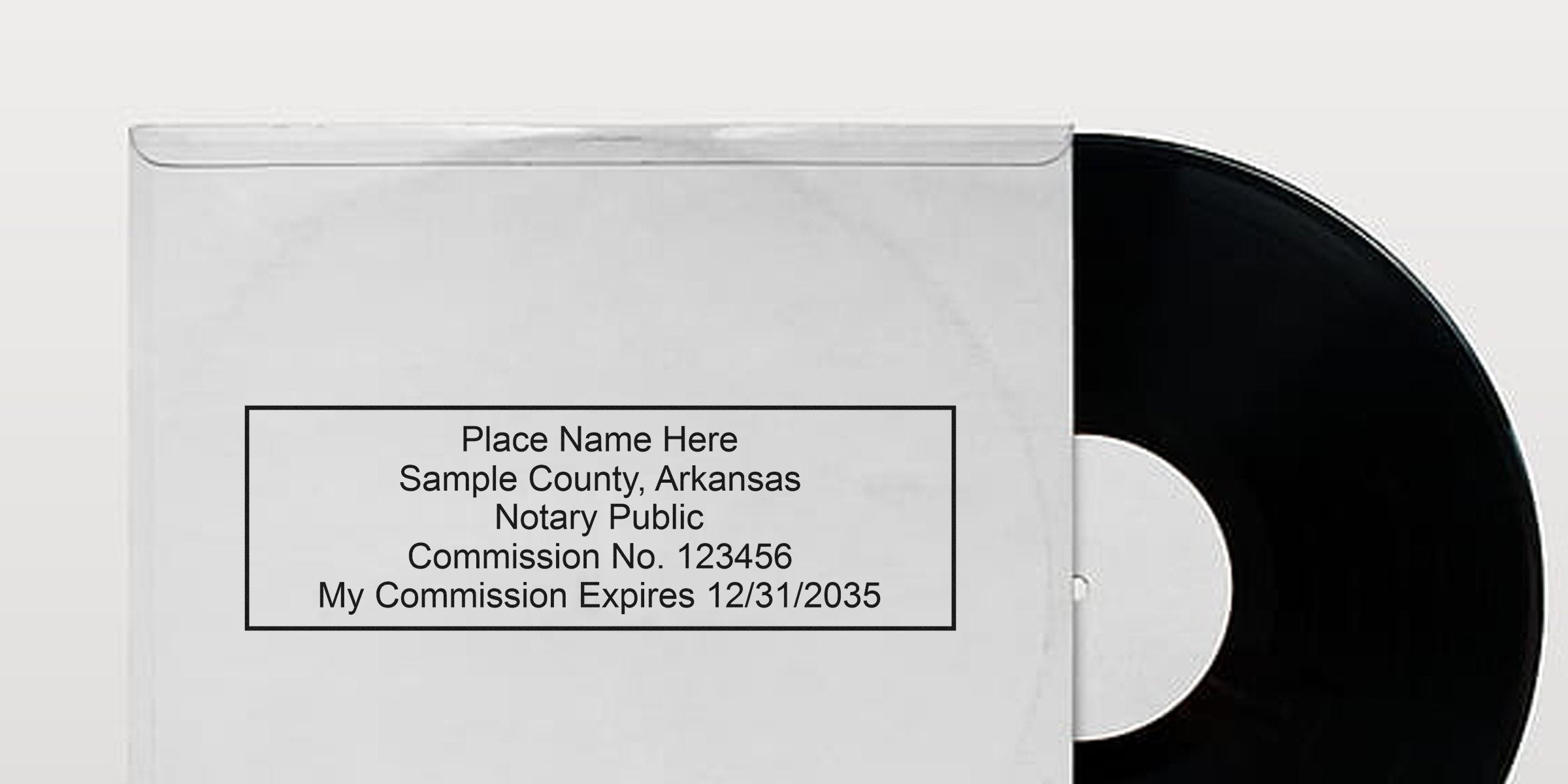
Are you ready to make an impression with your Arkansas notary seal and stamp? Whether you’re brand new to the notary process in Arkansas or you’ve been around the block a few times, having the right seal and stamp is critical for doing your job correctly and professionally. In this post, you’ll discover why these tools matter, how to choose the best ones, and where you can find reliable options that meet all Arkansas requirements. Let’s dive in.
Discover the notary seal purpose
Your notary seal isn’t just a formality. In Arkansas, it’s a clear visual marker that authenticates the documents you notarize. The seal proves your authority and ensures the public trusts the certification you provide. Think of it like a quality-assurance stamp in a factory. If you see that seal, you instantly know the product (or document) has passed inspection.
Most official seals in Arkansas include essential information, such as your name, your title (Notary Public), and the state where you’re commissioned. This helps anyone looking at the document confirm that it was properly notarized. When your seal is crisp and easy to read, it shows you value quality. Plus, it’s a visible sign of the care you take to do your job right.
What makes a seal valid
Arkansas requires some specific details for a valid seal. You must include your commission name and the words “Notary Public” and “State of Arkansas.” The seal must be either an inked rubber stamp or an embossed imprint, and it should be consistently clear. If someone ever questions your notarization, a legible seal goes a long way toward validating your role.
Why clarity matters
Have you ever tried to read a smudged stamp or partial imprint? It can be frustrating, and it doesn’t look professional. Your seal’s clarity helps avoid confusion and potential disputes. Plus, when you deliver an official service, you want your stamp to look as trustworthy as you are. A clean seal also speeds up paperwork. People see it and immediately know you carried out your notarial duty.
Meet Arkansas notary stamp rules
Like many states, Arkansas has specific rules for notary stamps. Understanding these guidelines helps you avoid hassles down the line, such as rejected documents or complaints. Let’s be honest, no one wants a time-consuming fix when a simple heads-up can prevent it.
Mandatory vs. optional elements
Every Arkansas notary stamp must show key details:
- Your exact name as listed on your commission
- The words “Notary Public”
- The words “State of Arkansas”
Although some stamps add optional info, like your commission number or commission expiration date, these details aren’t mandated by law. They can be useful, but keep an eye on spacing. You don’t want your design to be cluttered, which would make it difficult to read.
Ink colors and impressions
Arkansas doesn’t dictate a specific ink color for notary stamps, but many professionals prefer black or blue for clarity. These colors typically scan well and stand out on most types of paper. If you choose an embosser instead of an ink stamp, just be sure the raised impression is sharp and easily visible. Some people place a tiny piece of paper or use an inker over an embossed seal to make it more readable in photocopies.
Legal significance
If you skip any required elements or your stamp is difficult to read, you might face legal challenges. For instance, if an Arkansas county clerk or another entity rejects your document because of an unreadable stamp, you’ll have to redo the notarial act. This could inconvenience you and your client. The simple solution is choosing a stamp that meets all Arkansas laws and guidelines right out of the gate.
Compare stamp and embosser options
When it’s time to finalize your notary tool, you can go for a traditional rubber stamp or an embosser. Each choice has its strengths and quirks, so a quick comparison can help you figure out which route makes the most sense for your day-to-day notary tasks.
Stamp basics
A notary stamp is usually a self-inking or pre-inked device. You press it on your document, and the information is instantly transferred in ink. Stamps are:
- Quick and straightforward.
- Low-profile and easy to carry.
- Great for producing consistent impressions.
If you’re notarizing documents at a busy office or traveling to client locations, a self-inking stamp might be your go-to because it’s portable and leaves a crisp impression every time.
Embosser basics
An embosser physically raises the paper, leaving a relief of your seal. This method looks classy and official, but it can be trickier to photocopy. Many embossers also require a bit of hand strength, since you squeeze the device to create the impression. On the plus side, an embossed seal is tough to falsify. And some notaries prefer the old-school elegance of an embossed imprint.
Which one to choose
Your pick often boils down to personal preference or your typical notary tasks. If you handle thick stacks of documents and want speed, go for a stamp. If you’re in a field that places a high value on professional appearance (say, legal services or historical documentation), an embosser could be the perfect finishing touch. Some Arkansas notaries keep both on hand, especially if they’re moving between office environments and formal events.
Select the best seal design
Whether you lean toward stamps or embossers, the design matters. A well-thought-out layout maximizes space, stays clear, and prioritizes readability. With notary work, you want zero guesswork for the person examining your documents.
Layout considerations
- Balanced spacing: Crowded text can be hard to decipher.
- Bold lettering: Opt for legible fonts.
- Circular or rectangular design: Arkansas doesn’t lock you into one shape, so choose what feels right for you.
Remember to focus on your official name and the term “Notary Public.” The state name, “Arkansas,” should be equally prominent. If you add extras like a commission number, do so in a way that doesn’t push the required elements into tiny, cramped text.
Style and flair
Some notaries like to showcase a bit of style—maybe you prefer a unique border or a decorative edge. That’s fine, as long as you keep the official elements intact and easily readable. If you’re not quite sure which design best represents you, consider chatting with a seal provider that offers multiple style templates. You can explore different shapes, font sizes, and borders until you find something that fits your personality while remaining 100% compliant with state guidelines.
Printing and durability
If you go with a rubber or self-inking stamp, choose a quality device capable of producing thousands of sharp, smear-free impressions. The same applies to embossers: sturdier models made from metal will outlast cheaper plastic versions. Over time, a flimsy device can produce shallow or uneven imprints, leading to confusion or rejections.
Work with a trusted supplier
Finding that perfect notary seal can be overwhelming if you’re not sure where to start. The best approach is to choose a reliable supplier that focuses on professionalism, state compliance, and quick turnaround.
Acorn Sales advantage
At Acorn Sales, we’ve been producing top-quality notary seals and stamps for more than 60 years. We understand Arkansas regulations and craft each seal or stamp to meet those exact standards. Here’s the thing: not all suppliers have that specialized experience. Going with a team that’s seen it all ensures you don’t end up with a design that’s missing something critical. Plus, you can request a custom look if you want to add optional commission details.
Quick turnaround and compliance
Need your seal fast? Working with a supplier that values efficient service can make a difference. When you’re ready to finalize your purchase, you want your seal in hand as soon as possible. Quick shipping is key if you’re on a timeline or have pending documents waiting for your notarial seal. Look for confirmations that the product meets Arkansas standards. A solid supplier will note compliance details up front and make it easy to see you’re receiving a legit product.
Full range of notary supplies
If you need more than just a stamp, a dedicated supplier usually carries additional notary essentials as well. That might include journals, notarial record books, ink refills, and protective storage cases. One reputable option is arkansas notary supplies, where you’ll find everything needed to keep your notary practice running smoothly.
Maintain your tools long-term
Once you have your shiny new stamp or embosser, you’ll want it working well for as long as possible. A little maintenance goes a long way. It also helps you avoid embarrassing moments when your stamp won’t produce a clean image in front of a client.
Storage tips
- Keep your stamp in a cool, dry place. Moisture can degrade the ink pad or corrode metal parts.
- If you have an embosser, store it in a protective pouch or box to prevent bending or damage.
- Avoid tossing your seal loosely into a bag. The friction might cause unwanted impressions that fade your pad or scuff your device.
Cleaning recommendations
Stamps can get gunked up, especially if you leave them uncapped or drop them on dusty surfaces. A quick wipe with a lint-free cloth every so often will keep the surface clean. If you notice the impressions are getting spotty, you might need a fresh ink pad or a new ink cartridge. For embossers, check for debris on the die, and gently remove any buildup with a soft brush.
Re-inking or replacements
Pre-inked stamps eventually run low. Most come with a refill option, so be sure to follow the supplier’s instructions. Trying to force the wrong ink into your stamp can ruin it. If you notice your embosser’s design plate is wearing out and producing partial images, it may be time for a replacement. Having a backup stamp or embosser ensures you aren’t stuck during a busy notarization day.
Avoid common notary mistakes
Let’s be honest, mistakes happen. But when your job is to validate important documents, slip-ups can have legal or financial repercussions. Keeping an eye out for these pitfalls will help you stay on track.
Mixing up your commission name
Always use your name exactly as it appears on your commission certificate. If you originally entered your middle initial, you can’t suddenly drop it. That mismatch can cause confusion with official records. Check your notary commission to confirm how your name should appear on your seal.
Over-stamping
Proper stamp placement is crucial. If you stamp over text or put your seal too close to a signature line, you risk an illegible mark or partial coverage. Some documents also require a specific location for your notary seal. A little attention to spacing ensures your seal stands out the way it should.
Neglecting record-keeping
Arkansas doesn’t mandate a notary journal for each act, but many experts strongly recommend keeping one. Without proper records, you can’t easily prove you performed a legitimate notarization if a dispute arises. A journal also helps you recall specific details about each transaction, which can be a lifesaver if you need to provide additional evidence in the future.
Boost your notary confidence
Part of succeeding as a notary is projecting confidence and authority. A crisp seal or stamp goes a long way, but so does knowing you’re compliant with Arkansas law and that you’ve got the skills to handle each signing.
Stay informed
The more you know about occasional changes in notary regulations, the smoother your practice will run. Arkansas might update guidelines, so it helps to subscribe to relevant blogs or newsletters. If you keep an eye on the Secretary of State’s website, you can spot new rules about required seal designs or technology changes (like electronic notarizations).
Invest in professional growth
There’s more to being a notary than owning a stamp. You might pursue training courses to sharpen your skills, join local networking groups, or keep track of best practices for tricky documents. When you’re well-informed, you do a better job, and your clients will trust the service you offer.
Encourage a stress-free process
Don’t forget to keep your notarial environment calm, efficient, and well-organized. If you’re rummaging through drawers for your stamp in front of a client, it doesn’t inspire confidence. Establish a routine: have your supplies stored neatly, maintain your logs, and stay prepared for each signing. The result is a fluid, professional process that protects you and your client.
If you’re gearing up for notary service in Arkansas, picking the right seal or stamp is a must. A crisp, official imprint helps protect you, your clients, and your documents. By following Arkansas guidelines, choosing a high-quality device, and keeping it well maintained, you’ll be set for success in your notary role. And if you’re looking for top-notch products with dependable compliance, consider Acorn Sales, where 60-plus years of expertise ensure you’ll hit the ground running. Take your time to select the seal that suits your style, maintain it carefully, and approach each notarization with confidence. Good luck on making your mark!
Frequently Asked Questions
Is it mandatory in Arkansas to use a notary seal?
Yes. Arkansas law requires notaries to authenticate documents using a seal, which can be an ink stamp or an embosser. Either way, it must clearly display your name, the words “Notary Public,” and “State of Arkansas.”
Can I choose any design or shape for my Arkansas notary seal and stamp?
You have flexibility with shape (circular or rectangular) and design style as long as the required text is present and legible. That means your name, “Notary Public,” and “State of Arkansas” must stand out. You can add extras like your commission number if you want a personalized look, but don’t let optional elements crowd out the essentials.
How often do I need to replace my notary stamp?
This depends on how heavily you use it. A self-inking stamp can last for thousands of impressions. Eventually, you’ll need to replace the ink pad or purchase a new stamp once the imprint fades. For embossers, check for wear on the embossing plates. If the details become too shallow or difficult to read, consider a replacement or a fresh set of plates.
How do I verify that my seal is Arkansas-compliant?
The easiest way is to buy your seal or stamp from a reputable supplier who explicitly states they follow Arkansas rules. At Acorn Sales, each design meets state requirements for wording and layout. You can also reach out to the Secretary of State’s office to confirm current regulations.
Do I need a different seal if I renew my commission with a new name?
Yes. If your commission name changes (for example, you got married and changed your last name), you’ll need a new seal reflecting the correct name. Using an old seal that doesn’t match your current commission details can lead to document rejection and potential legal concerns.
Am I allowed to have more than one Arkansas notary seal or stamp?
Absolutely. Many notaries keep backups in case one stamp runs dry or an embosser malfunctions. Some also have both an embosser and an ink stamp, especially if they handle diverse document types. Just make sure every seal you use has the correct name and meets Arkansas standards.








