
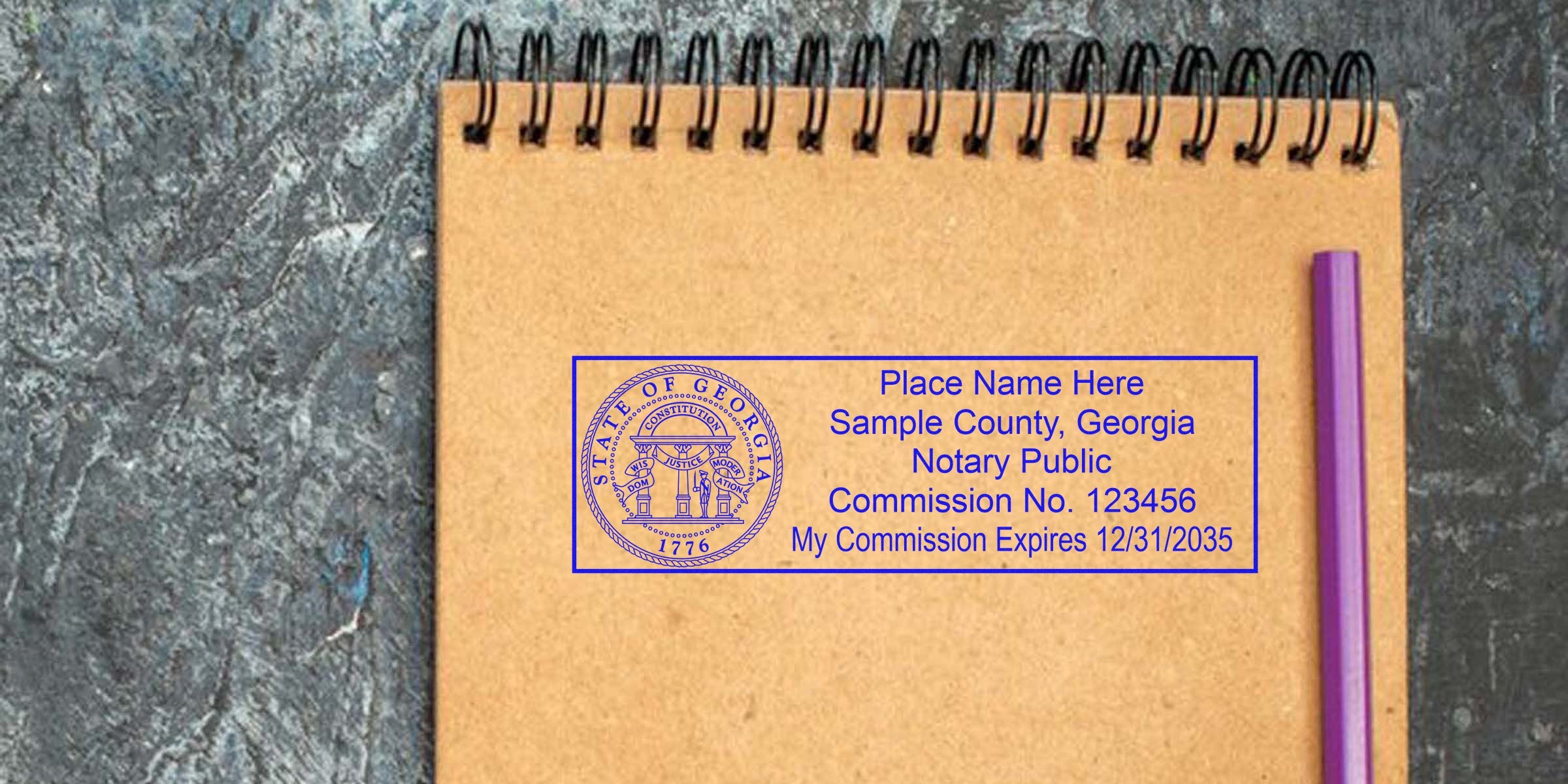
If you’re getting ready to take on notarial duties, having a reliable Georgia notary stamp and seal is essential. After all, these tools help you validate important documents, showcase your professionalism, and stay compliant with state regulations. In this quick guide, you’ll find tips for picking the right notary essentials so you can stamp and seal with confidence.
Understand the basics
A notary stamp and seal verify your authority to witness signatures and administer oaths. You’re acting as an impartial party to confirm that a document is authentic and that all signers are who they say they are. With a proper stamp or seal, your role becomes official, plus it streamlines your daily workflow.
Why a stamp and seal matter
- Provide clear proof of your notarial authority
- Help prevent fraudulent document alterations
- Keep records consistent and easy to review
When you prioritize quality notary supplies, you can count on crisp impressions and durability, so you’re not replacing your stamp every few months.
Choose the right notary products
Before you shop, it’s good to know what sets a solid notary stamp or seal apart. From the impression size to the handle shape, all these factors influence how easily and accurately you can mark documents.
Key features to look for
- Ergonomic design: Pick a stamp that feels comfortable in your hand
- Clear imprints: Details like your name and commission number should be legible
- Durable materials: Look for rubber or metal options that stand up to repeated use
- Portable size: If you travel for notary duties, go for a compact design
You can also explore georgia notary supplies to find items that complement your stamp, such as embossers, ink refills, and journals for record-keeping.
Keep compliance in mind
Each state has its own rules about stamp layout, required info, and usage guidelines, and Georgia is no exception. Securing a compliant seal helps you avoid headaches if you’re ever audited or if someone questions a notarized document.
Quick Georgia requirements
- Include your name exactly as on your commission
- Must display “Notary Public” and “Georgia”
- Keep your stamp or seal up to date with your current commission
It’s best to double-check the Georgia Secretary of State website for the latest guidelines. That way, you won’t risk having an out-of-date seal that causes confusion or rejection of your important documents.
Choose a reliable partner
When you’re placing an order, you want a trusted name that gets it right the first time. Acorn Sales has been making high-quality notary stamps, seals, and related products for more than 60 years. You’ll find:
- Quick turnaround times, so you stay on schedule
- Compliant seals that meet Georgia’s design and text requirements
- Top-notch materials, ensuring crisp, clear impressions every time
You’ll also appreciate the friendly customer support team, ready to help you pick the best tools for your specific needs.
When you’re equipped with a proper Georgia notary stamp and seal, you’re set to make your mark confidently every time. With high-quality supplies in your toolkit, you’ll be prepared for any document that comes your way.
Frequently Asked Questions
How long does a Georgia notary stamp last?
Your notary commission in Georgia typically lasts four years. Your stamp or seal can last that entire duration if you choose a durable product and store it properly.
Can I use an embosser instead of a stamp?
Yes. Georgia allows both stamps and embossers for official notarial acts, but ensure it includes the required information in a clear, legible manner.
Where should I store my notary stamp?
Keep your stamp in a secure location, such as a locked drawer or cabinet, to prevent unauthorized use. This protects your commission and maintains the integrity of notarized documents.
Do I need to replace my seal when I renew my commission?
Yes, you should order a new seal that reflects your updated commission dates to stay compliant with Georgia’s regulations.
Are pre-inked or self-inking stamps better?
It depends on your preference and frequency of use. Pre-inked stamps often provide sharper impressions, while self-inking stamps are convenient for repeated, rapid stamping.








