

Written by Acorn Sales Company, manufacturing stamps and seals since 1964 · Reviewed by Holly R, VP of Sales and Marketing at Acorn Sales, against the Maryland State Board of Architects and Md. Code Ann., Bus. Occ. & Prof. § 3-501 on 21 September 2026 · Updated 21 September 2026
The Great Seal of Maryland belongs to the engineer and the certified interior designer, not to you. COMAR 09.23.01.03 puts the pictorial device of the Great Seal at the center of the professional engineer seal, and COMAR 09.18.02.06C does the same for certified interior designers. COMAR 09.21, the architects subtitle, contains no equivalent provision. Its five chapters cover general regulations, the code of ethics, hearings, fees and continuing professional competency, and its only sealing regulation, 09.21.02.03, addresses who may seal and what counts as a signature. An architect who orders a Maryland seal with the Great Seal in the middle has bought a device the architects subtitle does not describe.
No diameter appears anywhere in COMAR 09.21, and Md. Code Ann., Bus. Occ. & Prof. § 3-501 states none either. Do not import the two inch figure that COMAR 09.18.02.06D gives Maryland certified interior designers. Size the die to sit beside your titleblock.
The requirement architects carry and frequently miss is the certification text. COMAR 09.21.02.04E requires the titleblock to contain: “Professional Certification. I certify that these documents were prepared or approved by me, and that I am a duly licensed architect under the laws of the State of Maryland, license number ------, expiration date -------.” The titleblock, certification, seal and signature must appear in close proximity to each other. That expiration date is what goes stale, on the sheet rather than on the die.
Maryland architect seal requirements at a glance
| Requirement | Maryland rule | Source |
|---|---|---|
| Seal required | Yes | Md. Code Ann., Bus. Occ. & Prof. § 3-501 |
| Required elements | Your name as licensed, Your license number and The Board approved architect seal design | Md. Code Ann., Bus. Occ. & Prof. § 3-501 |
| Size and shape | Not addressed. No diameter appears anywhere in COMAR 09.21. The sources here are the chapter list for the subtitle and the regulation lists for 09.21.01, General Regulations, regulations.01 through.07, and 09.21.02. | COMAR 09.21 (silent as to size) |
| Device allowed | Not specified by device type. | COMAR 09.21.02.03F |
| Signature and date | Sign, seal and date, with signature defined in the regulation. | Md. Code Ann., Bus. Occ. & Prof. § 3-501 |
| What must be sealed | Final architectural documents issued to a client or submitted to a public authority, under § 3-501, with the public authority acceptance bar in the same section and the exceptions at § 3-103. | Md. Code Ann., Bus. Occ. & Prof. §§ 3-103, 3-501 |
| Electronic seal | Maryland folds the digital case into the definition of signature rather than running a separate electronic seal rule. | COMAR 09.21.02.03E, F |
| Renewal and lapse | Md. Code Ann., Bus. Occ. & Prof. § 3-501 reserves the endorsement to a licensed architect. | COMAR 09.21.02.04E, 09.21.05 |
| Firm requirements | Yes, and it lands in the titleblock rather than on the seal. | COMAR 09.21.02.04A, B, C, D |
| Regulator | The Maryland State Board of Architects | Md. Code Ann., Bus. Occ. & Prof. §§ 3-103 and 3-501, read from the Maryland General Assembly |





Is a seal required in Maryland?
The statute states the duty and the Code of Ethics regulation states the conditions. Md. Code Ann., Bus. Occ. & Prof. § 3-501 requires a licensed architect to sign, seal and date final architectural documents before issuing them to a client or submitting them to a public authority, and generally bars a public authority from accepting such documents unless they are so endorsed, subject to the exceptions in § 3-103. COMAR 09.21.02.03A then permits a licensee to sign or seal only where the licensee is competent in the subject matter by education or experience or both, and either personally prepared the documents or approved them.
What must appear on the seal
- Your name as licensed
- Your license number
- The Board approved architect seal design
The Great Seal of Maryland is not part of this device. COMAR 09.23.01.03 puts the pictorial device of the Great Seal of Maryland at the center of the professional engineer seal, and COMAR 09.18.02.06C does the same for the certified interior designer seal. COMAR 09.21, the architects subtitle, contains no equivalent provision. The sources here are the chapter list for COMAR 09.21, which is chapter 01 General Regulations, chapter 02 Code of Ethics, chapter 03 Hearing Regulations, chapter 04 Fees and chapter 05 Continuing Professional Competency Requirements, and the regulation list for 09.21.01 and 09.21.02, and the only sealing regulation is 09.21.02.03, which addresses who may seal and how a signature is made rather than what the face depicts.
Size and shape
Not addressed. No diameter appears anywhere in COMAR 09.21. The sources here are the chapter list for the subtitle and the regulation lists for 09.21.01, General Regulations, regulations.01 through.07, and 09.21.02, Code of Ethics, regulations.01 through.04, and read 09.21.02.03 and.04 in full. Md. Code Ann., Bus. Occ. & Prof. § 3-501 states none either. Do not import the two inch figure that COMAR 09.18.02.06D gives Maryland certified interior designers.


Embosser, rubber stamp or digital
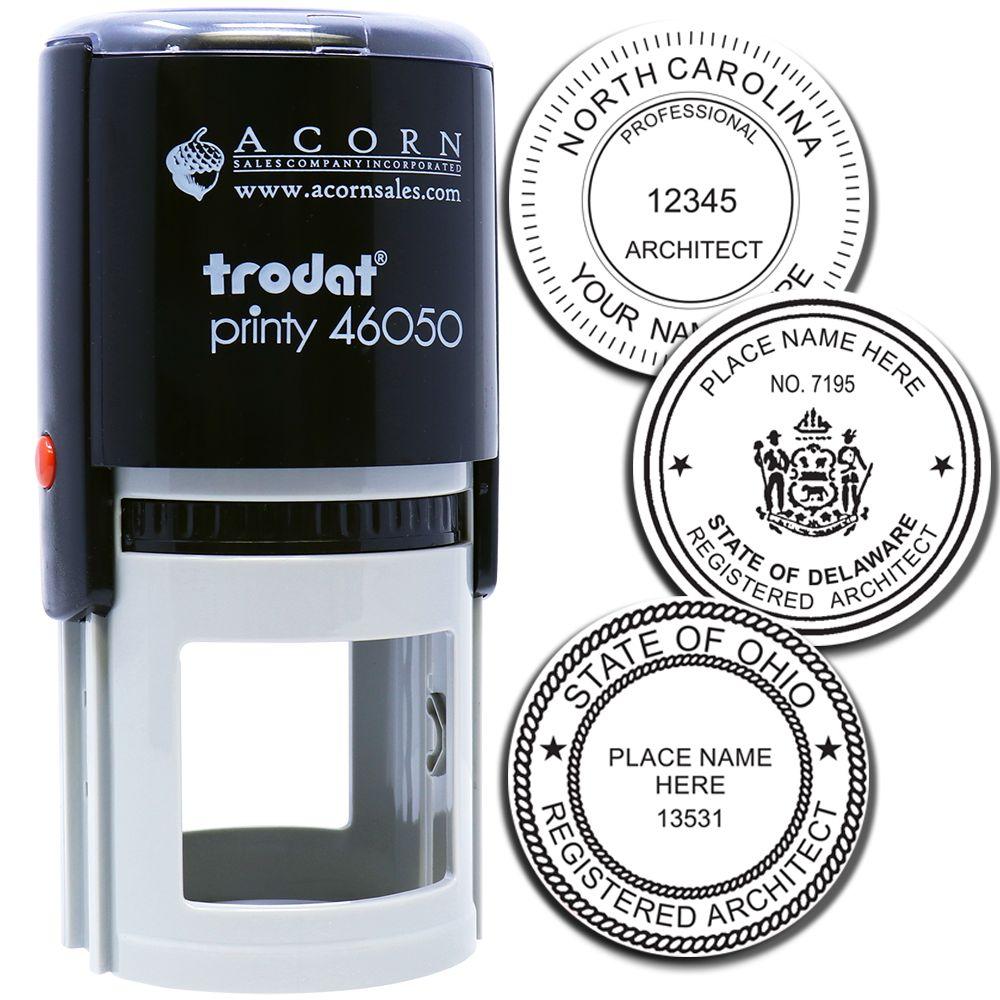
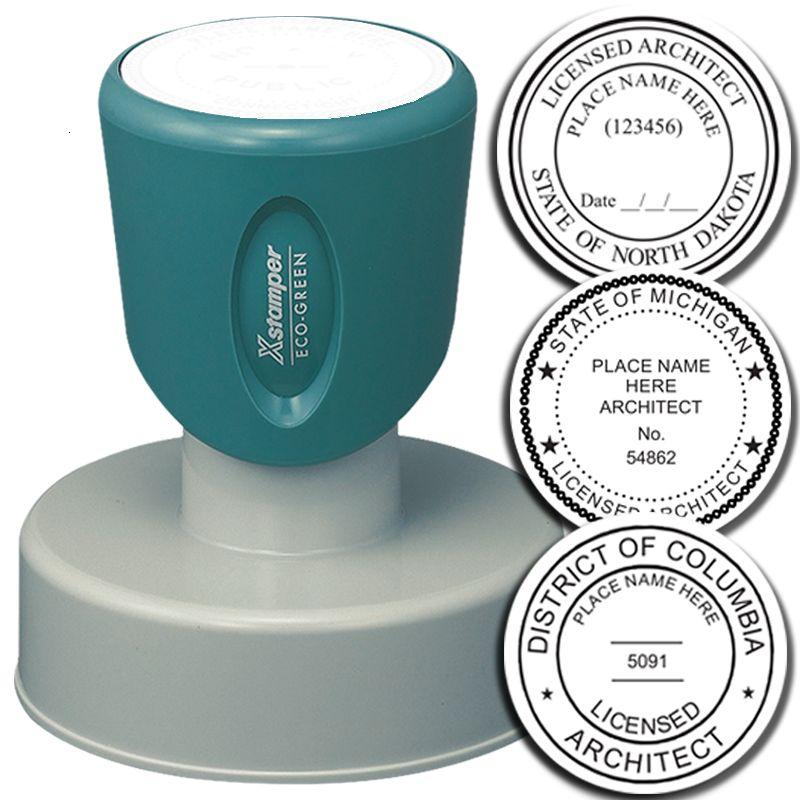
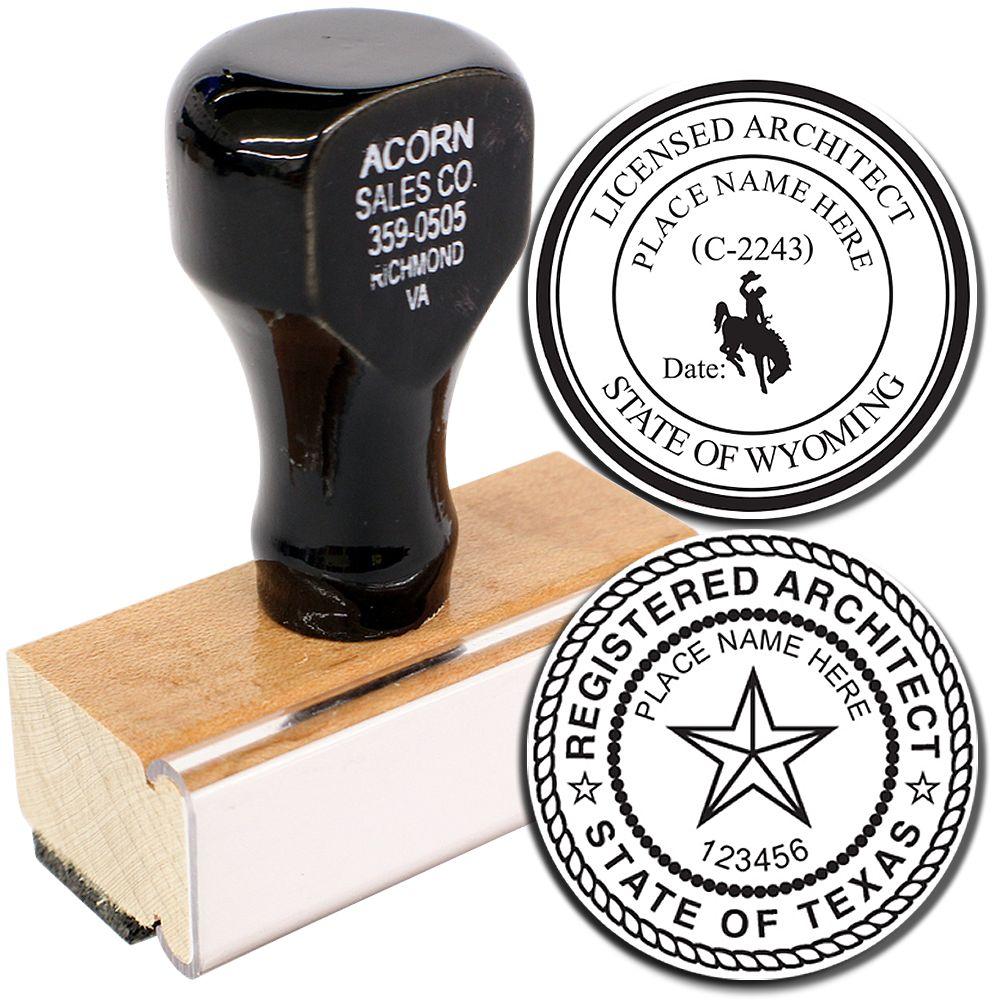
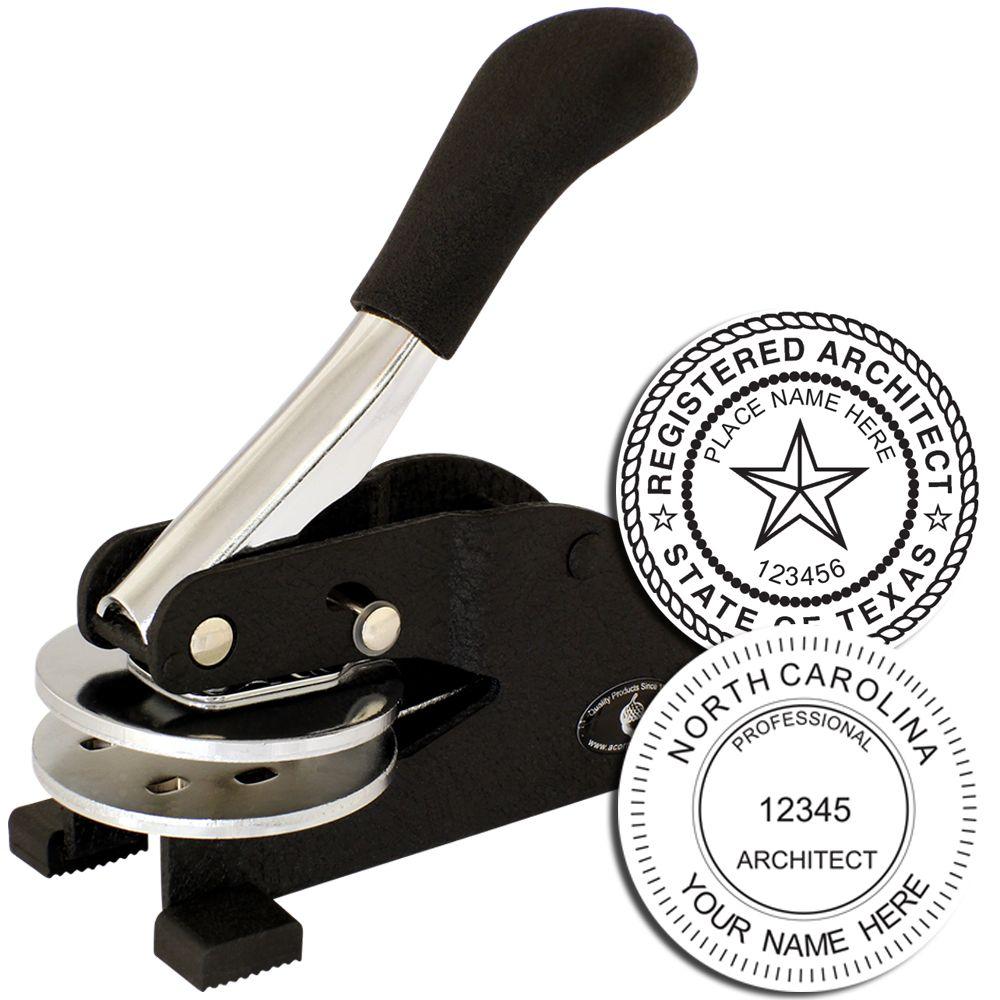
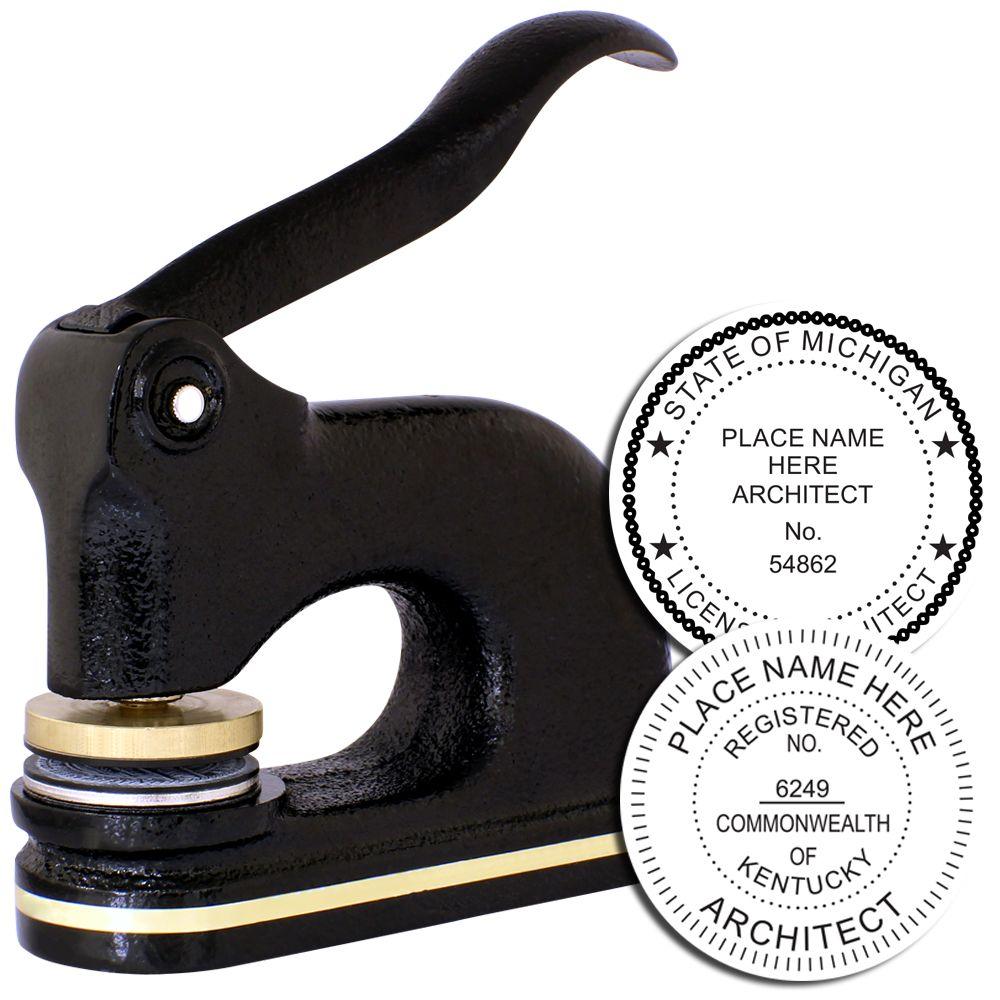
Not specified by device type. COMAR 09.21.02.03 does not name an impression seal, a rubber stamp or an electronic seal, which is unlike the engineers subtitle at COMAR 09.23.01.03A, which requires an impression seal or a rubber stamp facsimile, and unlike the landscape architects rule at COMAR 09.28.01.05, which is headed Embossing Seals and Rubber Stamp Facsimiles. What COMAR 09.21.02.03F does address is the electronic case: once a digital signature is applied, the document shall be available in a View Format only if it is to be transmitted electronically. A rubber stamp facsimile is the practical buy, because Maryland architectural documents carry a printed titleblock and certification block that the seal has to sit beside.
Signing and dating
Sign, seal and date, with signature defined in the regulation. Md. Code Ann., Bus. Occ. & Prof. § 3-501 requires all three before the document is issued to a client or submitted to a public authority. COMAR 09.21.02.03E(1) defines signature as either “A handwritten signature in permanent ink containing the name of the person who applied it” or, for electronic or digital documents, an electronic authentication process attached to or logically associated with the document. COMAR 09.21.02.03E(2) requires a digital signature to contain an identification unique to the licensee, be under that licensee’s exclusive control, be verifiable, and be linked to the document so that any subsequent modification results in the document no longer being considered prepared or approved by the licensee. The permanent ink requirement is express.
The Great Seal of Maryland is the engineer’s and the interior designer’s, not yours
Maryland is famous among stamp buyers for putting the pictorial device of the Great Seal of Maryland at the center of the professional engineer seal, under COMAR 09.23.01.03. It does the same for certified interior designers at COMAR 09.18.02.06C. It does not do it for architects. COMAR 09.21, the architects subtitle, has five chapters and its only sealing regulation, 09.21.02.03, addresses who may seal and what counts as a signature. There is no pictorial requirement and no diameter. An architect who orders a Maryland seal with the Great Seal in the middle because a supplier said Maryland always has one has bought a device the architects subtitle does not describe.
Which documents must be sealed
Final architectural documents issued to a client or submitted to a public authority, under § 3-501, with the public authority acceptance bar in the same section and the exceptions at § 3-103. COMAR 09.21.02.03B defines approval to mean direct knowledge and responsible control over the content of technical submissions during their preparation, plus substantive review and authority to make revisions. COMAR 09.21.02.03C permits a licensee, after review and inspection, to sign or seal portions of the work not required by Title 3 to be prepared or approved by an architect where the architect reviewed and adopted them, coordinated their preparation and integrated them into the project, and to sign or seal prototype standard drawings prepared by an out of State architect licensed in any United States jurisdiction in connection with the design of a commercial chain establishment. COMAR 09.21.02.03D makes the signer the architect of record.






Electronic and digital seals
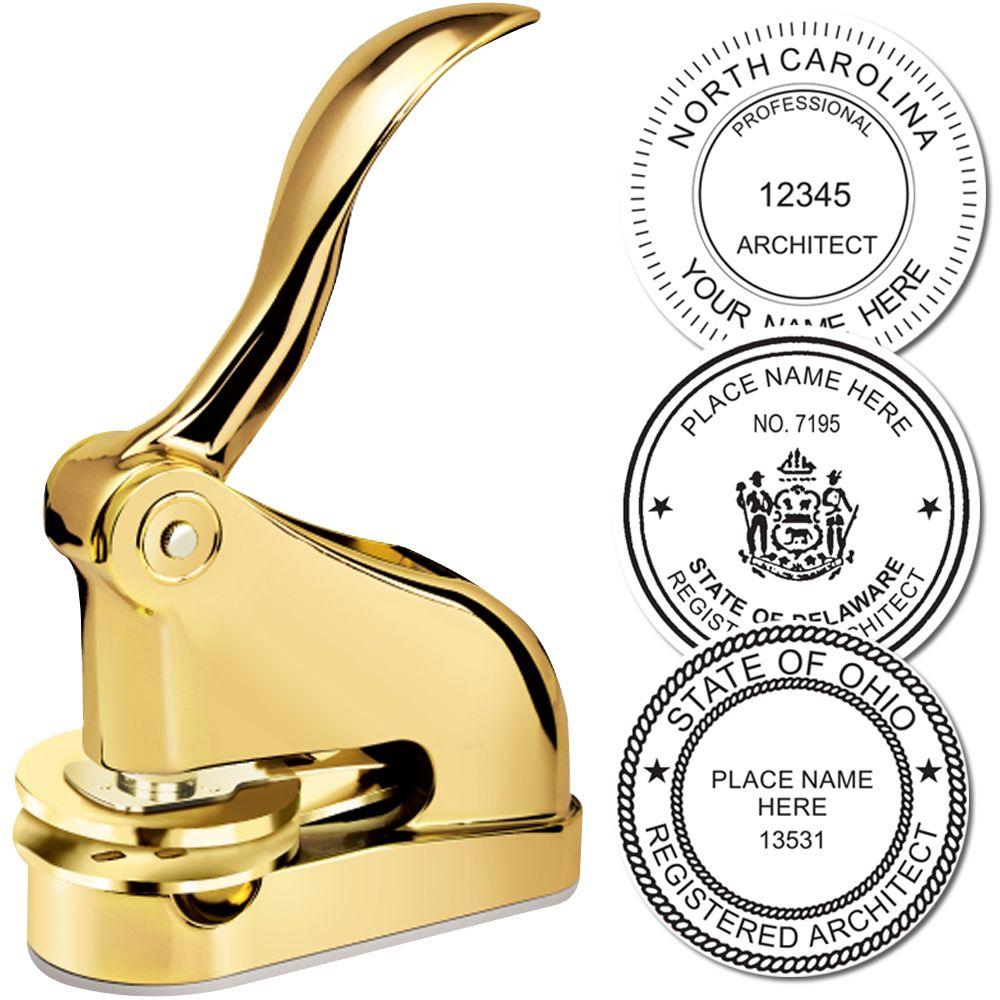
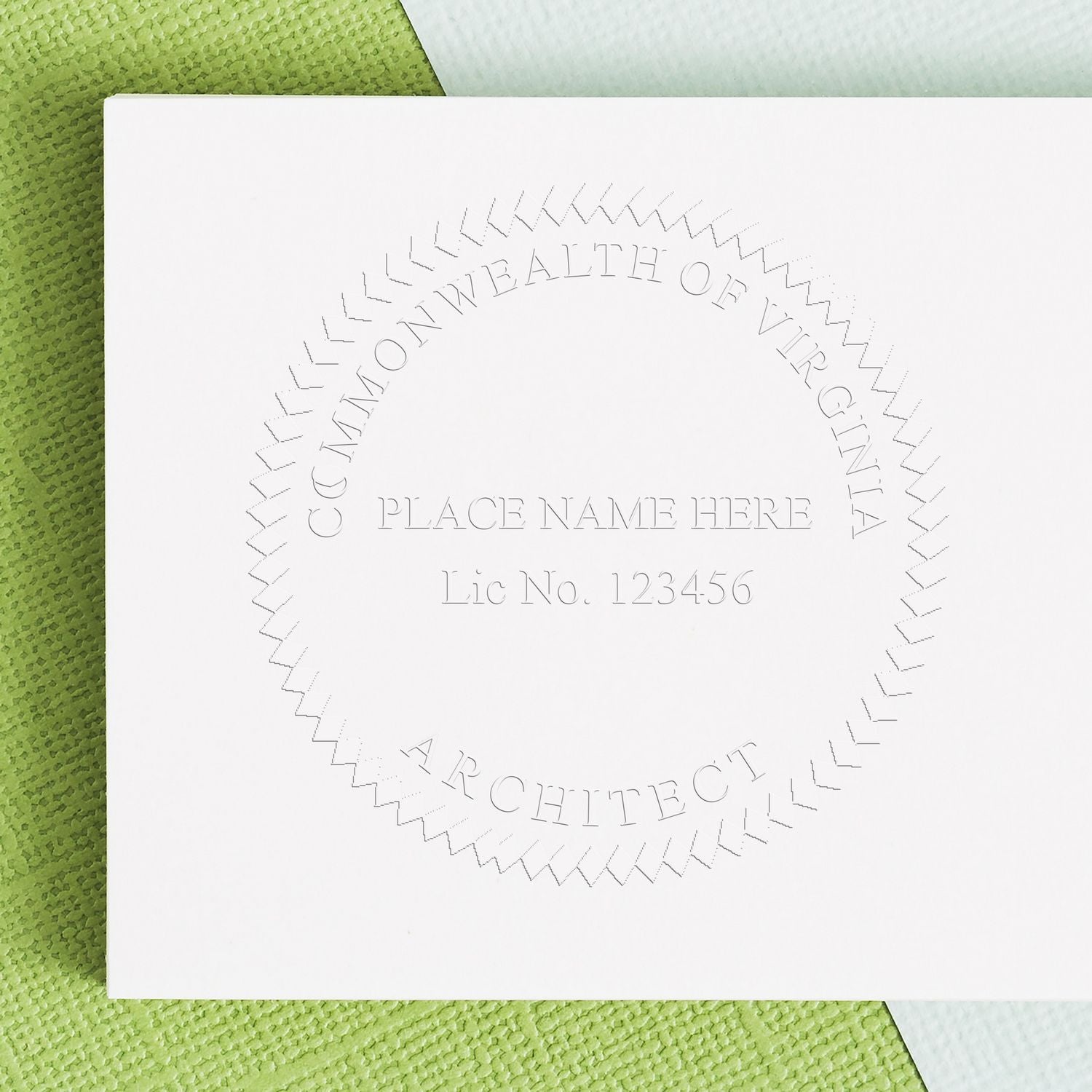
Maryland folds the digital case into the definition of signature rather than running a separate electronic seal rule. COMAR 09.21.02.03E(1)(b) accepts, for electronic or digital documents, an electronic authentication process attached to or logically associated with the document, and E(2) requires it to be unique to the licensee, under exclusive control, verifiable, and linked so that subsequent modification breaks the attribution. COMAR 09.21.02.03F adds a transmission rule: “Once the digital signature is applied to the document, the document shall be available in a View Format only if the document is to be transmitted electronically.” No certificate authority, algorithm or product is named.
Renewal, lapse and retirement
Md. Code Ann., Bus. Occ. & Prof. § 3-501 reserves the endorsement to a licensed architect. The practical enforcement is on the face of the document rather than on the face of the seal: COMAR 09.21.02.04E requires the titleblock certification to carry the license number and the expiration date, so an out of date expiration date is visible on every sheet even though no expiration date belongs on the seal itself. Because the expiration date is not a seal element, renewal does not require a new seal, and the license number does not change. Continuing professional competency requirements sit in COMAR 09.21.05.
Firm requirements
Yes, and it lands in the titleblock rather than on the seal. COMAR 09.21.02.04A requires an architectural entity to incorporate a titleblock on all drawings and other documents required to be signed and sealed under § 3-501, and 09.21.02.04B forbids removing a titleblock from any print or reproduction. COMAR 09.21.02.04C requires the entity name in the titleblock, as a partnership, corporation, limited liability company or other appropriate entity, together with a date, printed name, signature and seal of one of the directors, general partners or members who prepared or approved the documents. COMAR 09.21.02.04D allows those principals to designate another employee licensed in the State who prepared or approved the documents for a particular project.
What to check before you order
Order a rubber stamp facsimile carrying your name as licensed, your license number and the Board approved architect design. Do not put the Great Seal of Maryland at the center: that pictorial device belongs to the Maryland professional engineer seal at COMAR 09.23.01.03 and the Maryland certified interior designer seal at COMAR 09.18.02.06, and the architects subtitle prescribes no such element. Maryland states no diameter for architects, so size the die to sit beside your titleblock. Leave the expiration date off the seal, because it belongs in the certification text in the titleblock under COMAR 09.21.02.04E, together with your license number. Sign in permanent ink beside the seal, or use a conforming digital signature.
Browse architect stamps and seals.
Frequently asked questions
Is an architect seal required in Maryland?
Yes. Md. Code Ann., Bus. Occ. & Prof. § 3-501 requires a licensed architect to sign, seal and date final architectural documents before issuing them to a client or submitting them to a public authority, and generally bars a public authority from accepting such documents unless they are so endorsed, subject to the exceptions in § 3-103. COMAR 09.21.02.03A permits a licensee to sign or seal only where the licensee is competent in the subject matter by education or experience or both, and either personally prepared the documents or approved them.
What has to appear on a Maryland architect seal?
Your name as licensed, your license number and the Board approved architect design. What does not belong is the Great Seal of Maryland pictorial device, which the architects subtitle never mentions, and the expiration date, which goes in the titleblock certification instead.
What size is a Maryland architect seal?
No diameter appears anywhere in COMAR 09.21. The subtitle chapter list, the regulation lists for 09.21.01 and 09.21.02, and regulations 09.21.02.03 and.04 in full all state none, and § 3-501 states none either. The two inch figure in circulation for Maryland comes from COMAR 09.18.02.06D and belongs to certified interior designers.
Can I use an embosser in Maryland?
COMAR 09.21.02.03 does not name an impression seal, a rubber stamp or an electronic seal at all. That is unlike the engineers subtitle at COMAR 09.23.01.03A, which requires an impression seal or a rubber stamp facsimile, and unlike the landscape architects rule at COMAR 09.28.01.05, which is headed Embossing Seals and Rubber Stamp Facsimiles. A rubber stamp facsimile is the practical buy, because Maryland architectural documents carry a printed titleblock and certification block that the seal has to sit beside.
How does Maryland define a signature?
COMAR 09.21.02.03E(1) gives two forms: “A handwritten signature in permanent ink containing the name of the person who applied it,” or, for electronic or digital documents, an electronic authentication process attached to or logically associated with the document. The permanent ink requirement is express, so pencil and non permanent marker are out.
What does Maryland require of a digital signature?
COMAR 09.21.02.03E(2) requires it to contain an identification unique to the licensee, be under that licensee’s exclusive control, be verifiable, and be linked to the document so that any subsequent modification results in the document no longer being considered prepared or approved by the licensee. Subsection F adds a transmission rule: “Once the digital signature is applied to the document, the document shall be available in a View Format only if the document is to be transmitted electronically.” No certificate authority, algorithm or product is named.
Which documents have to be sealed in Maryland?
Final architectural documents issued to a client or submitted to a public authority, under § 3-501, with the public authority acceptance bar in the same section and the exceptions at § 3-103. COMAR 09.21.02.03D makes the signer the architect of record.
What counts as approving documents in Maryland?
COMAR 09.21.02.03B defines approval as direct knowledge and responsible control over the content of technical submissions during their preparation, plus substantive review and authority to make revisions. Subsection C then permits a licensee, after review and inspection, to sign or seal portions of the work not required by Title 3 to be prepared or approved by an architect where the architect reviewed and adopted them, coordinated their preparation and integrated them into the project, and to sign or seal prototype standard drawings prepared by an out of State architect licensed in any United States jurisdiction in connection with the design of a commercial chain establishment.
What has to be in a Maryland titleblock?
COMAR 09.21.02.04A requires an architectural entity to incorporate a titleblock on all drawings and other documents required to be signed and sealed under § 3-501, and 09.21.02.04B forbids removing a titleblock from any print or reproduction. Subsection C requires the entity name in the titleblock, as a partnership, corporation, limited liability company or other appropriate entity, together with a date, printed name, signature and seal of one of the directors, general partners or members who prepared or approved the documents. Subsection D allows those principals to designate another employee licensed in the State who prepared or approved the documents for a particular project.
Does my Maryland seal go stale at renewal?
No. The expiration date is not a seal element, so renewal does not require a new seal, and the license number does not change. What is visible on every sheet is the titleblock certification, which COMAR 09.21.02.04E requires to carry the license number and the expiration date, so an out of date certification shows up on the drawing rather than on the die. Continuing professional competency requirements sit in COMAR 09.21.05.








