
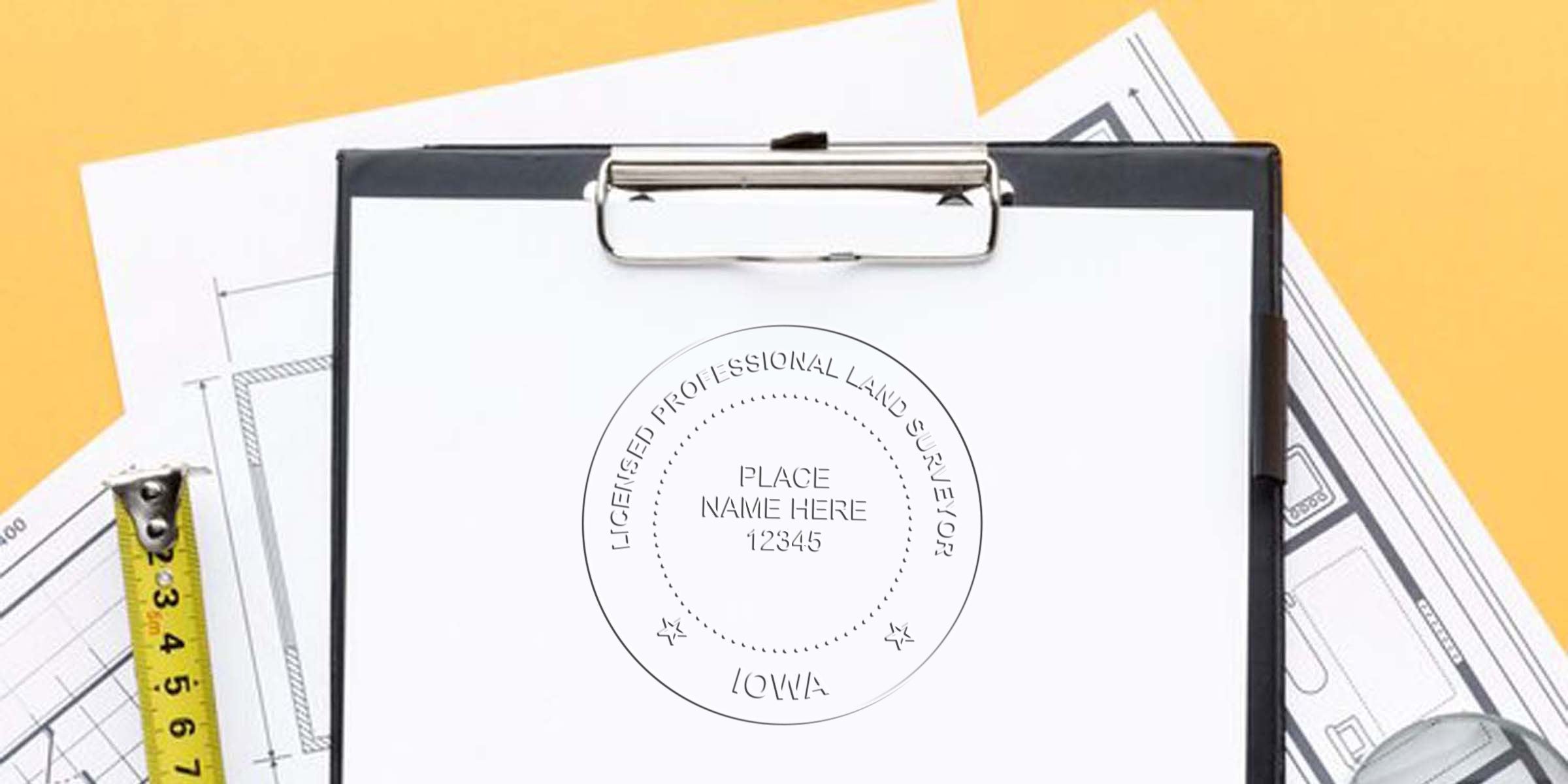
When you practice land surveying in Iowa, you’ll eventually need the proper stamp or seal to authenticate your work. That’s where understanding the Iowa Land Surveyor Seal Specifications becomes crucial. An accurate seal is not just a formality, it’s your professional signature, giving clients, employers, and regulatory bodies confidence in your work. In this article, you’ll learn what the seal entails, how to stay compliant, and where to source a reliable product that lasts.
By the end, you’ll be ready to order your Iowa-compliant seal, juggle fewer concerns about regulatory pitfalls, and focus more energy on what you do best: delivering precise and reliable land surveys.
Understand Iowa Seal Basics
Let’s start with why Iowa places so much emphasis on your imprint. Surveying is a discipline where consistency and accountability matter. Each time you finalize a plat or legal document, your seal effectively states, “I confirm these measurements and boundaries are correct.” Without it, official bodies can question your work’s authenticity, and you could face fines, delays, or even licensure complications.
In Iowa, your seal isn’t just an afterthought. Because legal and financial transactions often depend on your surveys, the seal ensures that clients, lawyers, or government offices instantly know your credentials are valid. Remember, you’re the linchpin in property deals, zoning decisions, and major infrastructure projects. A proper seal helps keep the wheels turning smoothly.
Review Mandatory Requirements
Before you design, purchase, or apply a seal, read through Iowa’s professional guidelines. These aren’t there to trip you up. Instead, they’re designed to ensure consistency across all land surveyor work in the state. Here are some common points to look for:
-
Format and Wording
- The seal should clearly state “Professional Land Surveyor” plus any unique state-issued details.
- Your name, license number, and the phrase “State of Iowa” are typically required.
-
Size and Legibility
- Iowa usually mandates a certain diameter for your seal, often around 1¾ to 2 inches. If you opt for a digital version, maintain the same proportions to align with state standards.
- Text must be legible. An overly fancy font can make the lettering hard to read, so aim for clarity first.
-
Professional Identification
- Always include your full name exactly as it appears on your license.
- Keep a reference copy of your licensing paperwork handy, so you can confirm spelling, numbers, and designations.
-
Signature Placement
- Most rules also require a live signature—handwritten or digital—placed near the seal, typically crossing over it.
- Review whether you need to add the date as well. Some Iowa forms specifically request it.
For even more details on the physical look and usage rules, check out the iowa land surveyor stamp requirements. This page breaks down all the smaller details you’ll want to confirm before finalizing your purchase.
Choose The Right Format
These days, you have plenty of options for your Iowa Land Surveyor Seal. Deciding between a traditional rubber stamp, a metal embosser, or a digital seal comes down to personal workflow and practical needs. Let’s run through the most common types you can consider.
Rubber Stamps
Rubber stamps are a classic choice for many professionals. You simply ink the stamp, apply it to a document, and voila, your seal is there. They’re easy to carry, relatively inexpensive, and require minimal upkeep.
- Pros: Quick, portable, and cost-effective.
- Cons: Ink can fade over time, and you’ll need to replace ink pads occasionally.
Metal Embossers
If you want an official look that literally rises off the page, a metal embosser might be your go-to. These devices press your seal into the paper, creating a raised impression. To ensure the imprint is visible, you might need to add an inked highlight or use specialized gold foil labels that show off the embossment.
- Pros: Very professional appearance, physically impossible to copy or scan.
- Cons: Bulkier than a rubber stamp, and you need to store them carefully to avoid damage.
Digital Seals
While it might sound unusual to have a digital seal for a land survey, technology has made this increasingly popular. Some municipalities and clients accept PDFs or other electronic documents. If so, embedding a digital seal can streamline your submission process.
- Pros: Convenient for electronic file sharing, no physical components to carry.
- Cons: Check with your local jurisdiction first to confirm full acceptance. There may be extra steps with signature verification.
No matter which style you choose, keep in mind your overall ease of use. If you’re juggling multiple job sites, a quick-apply rubber stamp might be your best bet. If you manage large-scale projects with fully digital workflows, a properly certified digital seal is a huge time-saver.
Obtain Supplies From Acorn Sales
Once you’ve decided, you’ll need a trustworthy supplier who can translate those Iowa land surveyor seal specifications into a polished, ready-to-use product. That’s where Acorn Sales comes in. We’ve been in business since 1964, helping professionals like you find high-quality stamps and seals that stand up to daily use, humidity changes, and the occasional mishap in the field.
Our product line includes:
- Rubber stamps customized with your name, license number, and Iowa-specific text.
- Embossers built with durable metal frames to guarantee a crisp impression.
- Free digital seal option, so you can embed the same official design into electronic documents.
You shouldn’t have to worry about the nitty-gritty design details either. We understand Iowa’s regulations and tailor your seal to fit them perfectly. You give us the relevant information—license number, exact wording, and any personal preferences—and we’ll create a product that checks both the aesthetic and regulatory boxes.
Tips For Seamless Compliance
After you secure the right product, the real key is using it properly every time. A slip-up, whether forgetting to sign or placing your stamp on the wrong spot, could render a document invalid. Here’s how to streamline your routine:
Double-Check Your Documents
Even if you’re on a tight deadline, it never hurts to pause and verify placement. If your seal needs to overlap your signature, make sure that’s happening. If your text is supposed to stay above a certain line on a form, confirm its accuracy. This small step can save you from rejected paperwork later on.
Maintain A Backup
If you rely on a physical seal or stamp, keep an extra on hand. Accidents happen, and you don’t want your next site visit delayed because your stamp broke or went missing. For digital versions, keep the original file backed up in a secure location. Preferably, store it in an encrypted folder or use a secure cloud service for extra protection.
Keep Your Ink Fresh
For physical stamps, faded impressions are a big no-no. Make it a habit to re-ink or swap ink pads as needed. Before you send out a final set of drawings, do a quick test stamp on scrap paper. If the imprint doesn’t look vibrant, top up that ink.
Stay Alert To Rule Updates
Regulations can change over time. It’s always good practice to glance at Iowa’s licensing board updates or professional bulletins every few months. If the state revises the diameter requirement or the required text (for instance, changing from “Professional Land Surveyor” to “Licensed Land Surveyor”), you’ll want to update your seal. Keeping an ear to the ground spares you from compliance headaches down the road.
Share Clear Instructions
If you work with an assistant, junior surveyor, or office manager, make sure they also understand how to handle the official seal. Clearly label your embossers and stamps, and store them in a safe spot. Misuse, whether unintentional or not, can undermine your professional credibility in a heartbeat.
Key Takeaways And Next Steps
Mastering the Iowa Land Surveyor Seal might feel like just one of many items on your overall to-do list, but it’s vital. Iowa’s guidelines exist to protect your professional reputation and present a unified voice within your industry. Having a compliant seal shows that you’re not just a skilled surveyor but a conscientious and detail-oriented one, too.
If you’re ready to finalize your stamp or embosser, consider checking out Acorn Sales. As a trusted supplier in this field since 1964, we’re equipped to handle all the details, from design proofs to free digital seals. That way, you’ll have exactly what you need to impress clients, meet state standards, and make your workflow a little bit easier.
And if you still have questions, the following FAQs might help shed some light.
Feel free to explore stamp features and embossing capabilities that best fit your daily workflow. By picking the right format, verifying your specs, and applying your seal correctly each time, you’ll keep your practice moving without any regulatory snags.
Frequently Asked Questions
Do I Really Need A Separate Seal For Iowa?
Yes. Each state has unique rules on size, shape, and wording. Using a seal designed for another state might not meet Iowa’s requirements, leading to document rejections or possible penalties.
How Do I Verify I’m Following The Right Specs?
You can review state board guidelines, or check official documentation from Iowa’s licensing body. If you’re still uncertain, reach out to a reputable supplier like Acorn Sales for confirmation.
Can I Use A Digital Stamp Instead Of A Physical One?
Sometimes, yes, but confirm with your local jurisdiction first. Many offices accept digital stamps with an appropriate electronic signature. It’s a good idea to keep a physical seal on hand in case some agencies require paper documentation.
What If My Ink Stamp Fades Over Time?
Keeping extra ink or an additional ink pad solves this issue quickly. Get in the habit of testing your stamp periodically before finalizing your submissions.
Is Acorn Sales Familiar With State Requirements?
Absolutely. We’ve been serving professionals since 1964, and we offer Iowa-specific seals that match state regulations. Best of all, we provide free digital seals as an option to help you adapt to modern, paperless workflows whenever needed.








