
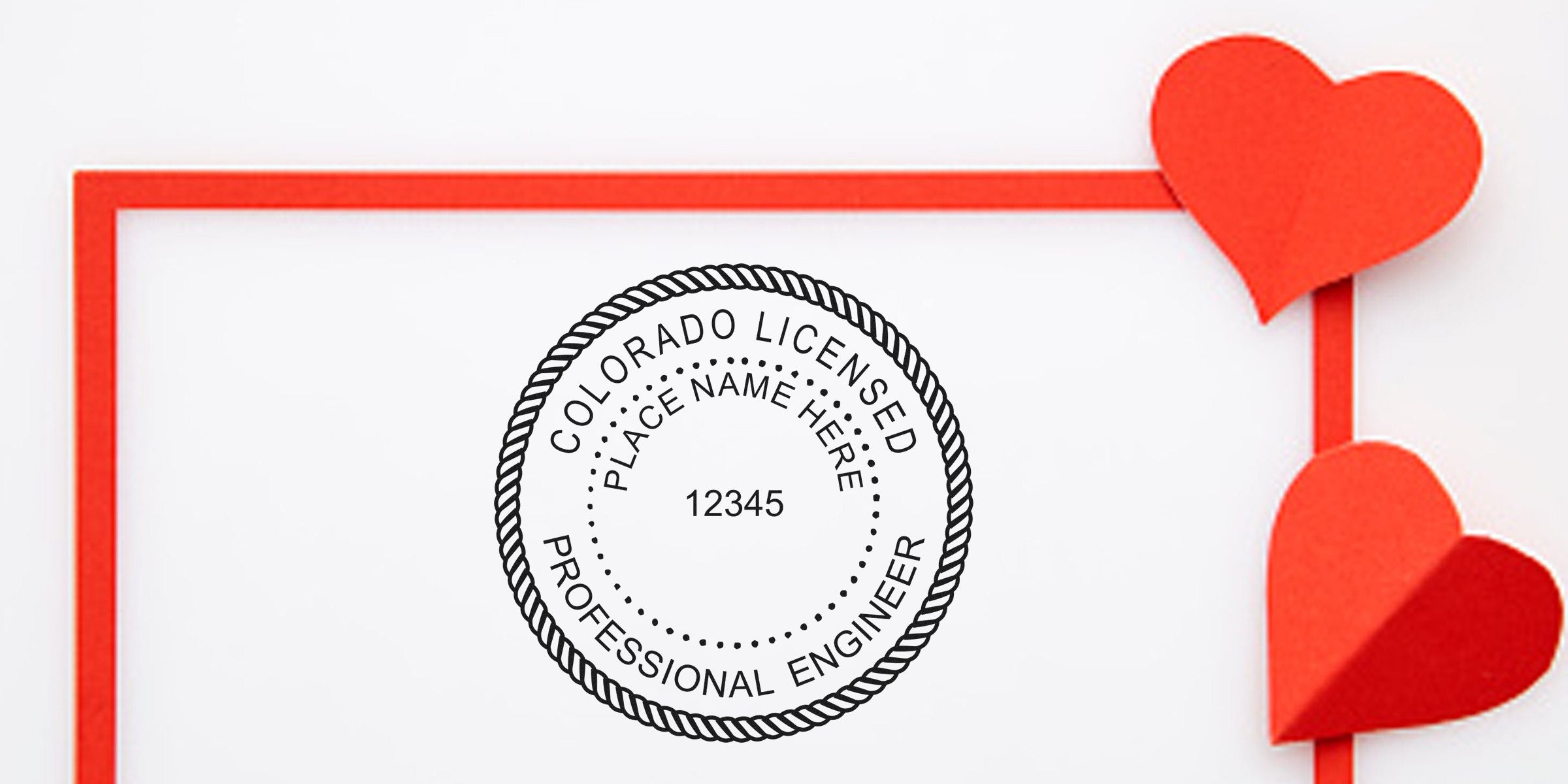
If you plan to practice engineering in the Centennial State, grasping Colorado PE stamp requirements is crucial. Navigating these rules can feel daunting at first, but with the right guidance, you’ll handle them smoothly and keep your projects on track. Below, you’ll find a clear breakdown of what to do, how to do it, and why professional stamping matters for your business.
Understand the basics
You might wonder what sets a Colorado engineer stamp apart from any other. Essentially, it proves that your work meets state standards. The stamp indicates you’ve met education, experience, and certification benchmarks so that local authorities trust your sealed drawings and calculations. If you’re looking for official details, you can consult the Colorado engineering stamp requirements page to see what formats and elements are acceptable.
- Make sure your stamp includes your name and license details
- Double-check that you use the correct size and legible lettering
- Keep records of all seals and documents you submit for approval
Meet official guidelines
Colorado law requires licensed engineers to seal final designs, so make sure you understand the necessary steps. This includes proper placement on engineering drawings and using ink or embossment that’s permanent. The Colorado engineer seal design usually features your license number, along with a statement indicating you’re a licensed professional in the state.
Essential reminders
- Position the seal so it’s visible and not overlapping critical data
- Verify you’ve signed and dated each sealed document
- Refer to any state-specific rules on color usage (some boards require dark ink)
Choose the best seals
Deciding between an ink stamp or an embosser can depend on your style and how often you apply your seal. Some people prefer a handheld embosser, while others like a handy self-inking stamp. There’s also the option of digital or electronic seals, which make it easier to manage online submissions. Before you buy an engineer stamp in Colorado, weigh factors like durability, portability, and workload.
Quick comparison table
| Method | Pros | Cons |
|---|---|---|
| Ink stamp | Easy to use, fast | Can smudge if pressed sloppily |
| Embosser | Professional look | Requires more pressure effort |
| Digital | Quick for online files | May need extra software |
Discover the Acorn Sales advantage
We at Acorn Sales have been serving professionals like you since 1964, supplying dependable Colorado seals and stamps for decades. Here’s why engineers trust us:
- We produce quality Colorado professional engineer stamp products
- Every purchase comes with a free electronic seal to simplify your digital workflow
- You’ll enjoy a super fast turnaround, so you can meet deadlines without stress
Our team knows how busy you are, so we handle the tough parts for you. We’ll help you choose the right seal format, ensure correct Colorado engineer stamp size, and even guide you through special requests. We pride ourselves on listening closely to your needs, so you receive a stamp that checks every box.
Feel free to reach out if you have more questions about sealing your engineering work or picking the right stamp for your next project. You’ve got plenty on your plate, and a trusted supplier like Acorn Sales can make the stamp-buying process a breeze. With the correct seal in hand, you’ll meet the state’s rules, protect your reputation, and maintain professional credibility in every project you sign.
Frequently Asked Questions
What documents must I seal in Colorado?
You typically need to seal all final design drawings, plans, and calculations for regulatory review. Check local codes or consult the state’s board for specifics on your particular field.
How do I renew my stamp when my license is updated?
Once your professional license is renewed, you won’t necessarily need a new seal. However, confirm that the stamp still reflects valid information like name, license number, and active status.
Can I use an electronic seal for final submissions?
Yes, electronic seals are widely accepted, especially for digital document workflows. Just be sure you follow any official guidelines on file type and security measures.
What happens if my seal impression fades over time?
It’s best to keep an ink refill on hand or store your embosser in proper conditions. If you notice fading, simply reink your device (if applicable) or consider updating to a newer model.








