
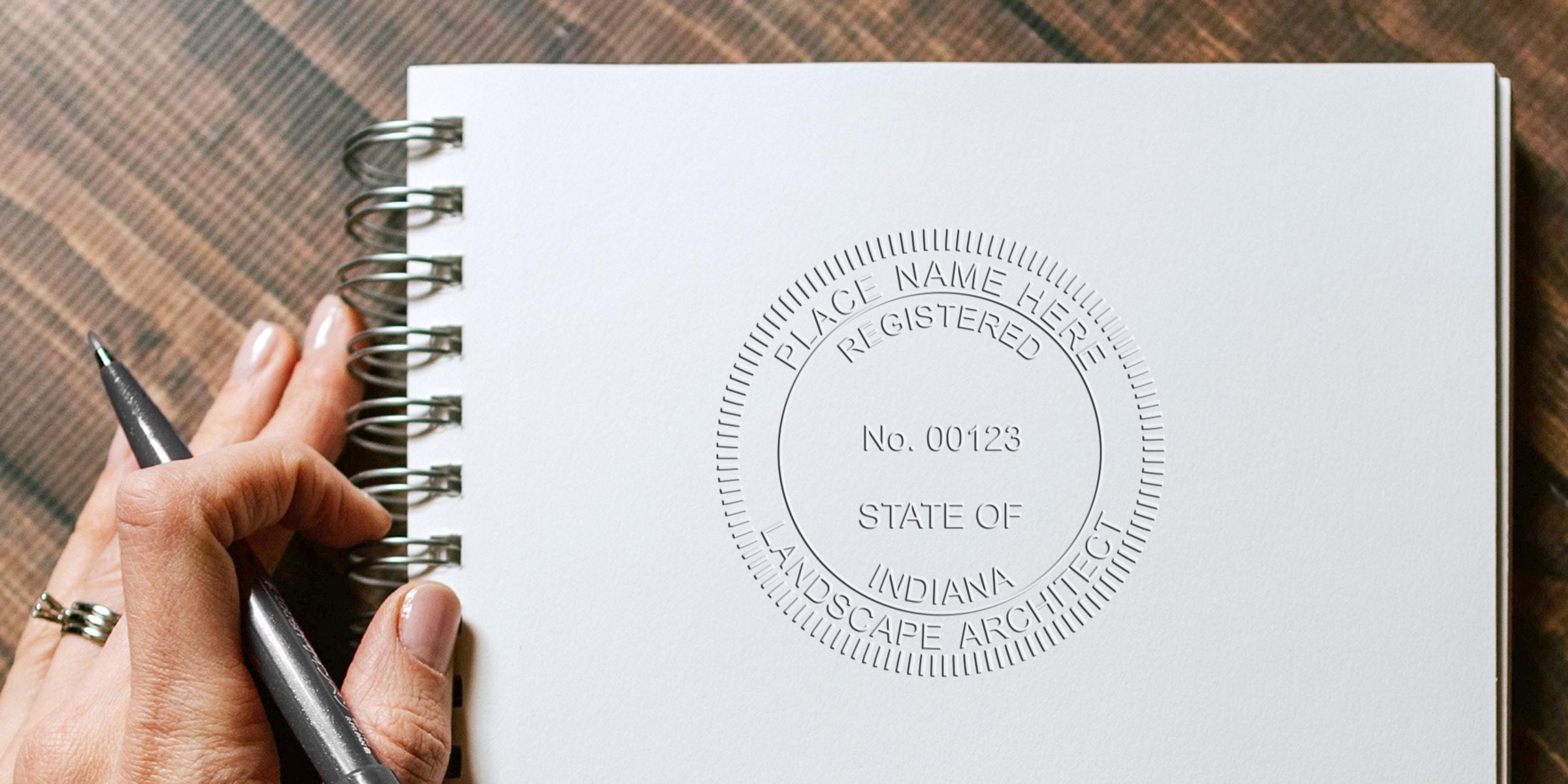
Are you looking to tackle Indiana landscape architect seal design with confidence? Maybe you’ve just earned your license, or perhaps you’ve been practicing for a while but still feel unsure about the nuts and bolts of creating a state-compliant seal. No matter where you’re starting, it’s far simpler than it sounds. Let’s walk through the essentials so you can stamp your work with pride and stay on the right side of Indiana’s regulations.
By the time you finish reading, you’ll know exactly what the state wants, how to choose the perfect stamp or seal style, and where to get an official design that meets all requirements. And yes, you’ll also discover how to maintain that seal’s validity long after your first project is complete. Ready to dive in?
Understand State Requirements
Indiana has specific rules for landscape architects, well beyond just passing your licensure exams. These regulations exist to protect the public and establish professional credibility. Your seal isn’t just a random design that looks nice—it’s a state-approved marker that verifies you’ve met all licensing criteria and can legally offer your services.
So, what exactly should you expect? First, you’ll need to confirm that your license is current with the Indiana Professional Licensing Agency. From there, any official document you produce (like project plans, final drawings, or site proposals) is expected to bear an authentic stamp or seal. This mark confirms you’re a registered professional, which can reduce liability questions and give your clients an extra dose of confidence.
Keep in mind that the precise wording, layout, and surrounding border often follow state guidelines. Indiana typically requires “Name,” “License Number,” and “Landscape Architect” in the round border, along with “State of Indiana.” Some rules may shift over time if the regulatory board updates them, so always double-check the latest guidelines to be sure you’re on target.
If you’re brand-new to Indiana’s professional requirements, you might also need to provide transcripts, proof of experience, or exam results when first applying for a license. After all, your seal only has significance if you fulfill these preliminary stipulations. Make it a habit to review the state’s online resources or speak directly with the board if you have questions. You’ll save time and avoid unhappy surprises later on.
Know Your Stamp Types
Think you only have one option for stamping your drawings? Actually, Indiana landscape architects can choose from a few different devices to leave their official mark. Which one you use depends on your personal preference and the nature of your project.
Traditional Rubber Stamp
This is the classic approach. You press an inked rubber stamp onto the paper, and—voilà—you have a crisp, reproducible seal. Some folks love how straightforward this is, and black ink tends to scan nicely for digital records.Embosser
An embosser creates a raised impression on the page. It gives a tactile, official feel, which some clients prefer. However, embossed images can be harder to reproduce via scanners or copiers since the design depends on shading from the raised surface.Self-Inking Stamp
These stamps come with an internal ink pad, so you don’t have to fiddle with separate pads. They’re convenient if you sign a lot of documents and want a quick, professional look.Electronic Seal
Digital technology is a big deal these days, and Indiana generally allows a properly designed electronic seal for paperless document submissions. If you’re working with public agencies that require uploads, you’ll want to confirm that your digital seal meets the standard. Many suppliers, including Acorn Sales, offer a free electronic seal along with your physical stamp, which can save you time and money.
Before you settle on one type, think about how often you’ll need it and in what conditions you’ll be using it. Will you need a high-volume solution? Do you send documents electronically? Balancing convenience, professional appearance, and compliance is the key. If you’d like more details on the official requirements for each stamp format, check out indiana landscape architect stamp requirements.
Grasp Seal Design Essentials
Now let’s dig into the core elements that shape your official seal. You might think this is complicated, but the basics remain consistent across most states. Indiana typically wants your full legal name, your professional title (Landscape Architect), license number, and the state identifier.
When putting this information together, accuracy is everything. If your name is missing a middle initial on your official registration, you need to match that detail on your seal, too. It may sound nitpicky, but small discrepancies can cause big hassles—like having your documents rejected by permitting offices.
Here are some design tips:
Legibility Is Vital
Don’t cram too much text into a small space. Make sure your seal text is readable in standard print sizes so that anyone who inspects your documents can confirm your professional identity without squinting.Present a Balanced Layout
Most Indiana seals are circular, and the text typically runs around the outer ring. Keep the spacing even and the typeface consistent so everything looks official. A symmetrical layout instantly looks more polished.Follow Required Wording
Some states specify exact phrases like “Registered Landscape Architect” or “State of Indiana.” Verify whether you need a phrase like “Registered” in your seal. Noncompliant wording can be a red flag for reviewers.File Format Matters
If you’re investing in an electronic seal, get a high-resolution file like a PNG or JPEG. That way, your digital stamp remains crisp and doesn’t turn fuzzy when scaled. Ask your seal provider for multiple formats if you plan to place that digital seal into various software programs.
Your Indiana landscape architect seal design should be a reflection of your professional standing. Steer clear of personal flourishes—like whimsical fonts—that might distract from your credibility. Think simple, neat, and straightforward, which is exactly what most regulatory bodies expect.
Acquire Your Official Seal
So, how do you actually get one of these things? You can design it yourself and then find a manufacturer, or you can outsource the entire process to a specialized vendor. Many landscape architects prefer to go with a trusted supplier. Why? Because you want to ensure you satisfy every technical requirement with minimal fuss, and a reputable company will confirm you’re not missing any critical detail.
Acorn Sales, for example, has been in business since 1964 and specializes in professional stamps and seals for multiple states, including Indiana. Because they’ve worked with countless architects and engineers, they’re well-versed in the required text, shape options, and layout. If you choose Acorn Sales, you’ll also get a free electronic seal—a great perk if you’re planning to handle digital documents.
Here’s a quick rundown of the typical process:
-
Submit Your Details
Provide your name, license number, and any other required information to your seal supplier. They’ll format it according to state specifications. Review the Draft
Many suppliers will send a proof for your approval. Double-check the spelling and design. You’d be surprised how easy it is to overlook a small detail, so go through everything carefully: name, number, spacing.Confirm and Pay
Once you give the green light, you’ll finalize payment and shipping details. For an electronic seal, you might receive a digital file via email.Wait for Delivery
Depending on where you live, your physical stamp or embosser should arrive in a matter of days or weeks. Keep the packaging or any documentation that confirms this is your official tool.
Once you have your seal in hand, test it on scrap paper or do a trial run in a PDF if it’s an electronic file. That way, you’ll catch any potential issues before stamping an actual contract or plan set.
Follow Best Practices
Securing your stamp or seal is a major milestone, but it’s only the beginning. Next up is understanding how to incorporate that seal into your daily workflow without slip-ups. After all, the point is to authenticate your professional documents and maintain the high standards of your license.
Know When to Stamp
Typically, you’ll stamp final drawings, official reports, or any official site plans. If you’re submitting partial or concept plans that aren’t final, you may not want to add your seal, because doing so implies these are ready for regulatory review.Sign and Date
Many regulatory boards prefer or even require that you sign and date your stamp impression. This practice helps confirm that you personally reviewed and sealed the document, reinforcing that you stand behind its accuracy.Secure Your Tools
Guard your physical stamp or embosser in a locked drawer, and store digital files safely on a secure server. You don’t want unauthorized folks using them and placing your professional reputation at risk.Keep Records
If you’re stamping multiple documents, maintain a log of where and when you used your seal. This record can come in handy if there’s a dispute or auditing process in the future.Check Local Jurisdictions
Even within Indiana, different municipalities might have varied preferences for how they want your stamped documents submitted. A quick phone call can spare you from reprinting or re-stamping entire sets of plans.
Adopting these best practices is the simplest way to ensure consistency. Mistakes can happen, but with a little diligence, you’ll protect both your license and your professional legacy.
Maintain Ongoing Compliance
Licensure isn’t a one-and-done scenario. In Indiana, you’ll renew your landscape architect registration periodically—usually every two years, though specifics can change. Make sure you’re up to speed on your continuing education (CE) requirements, because falling behind could affect the validity of your seal.
Why does CE matter for your seal? If your license lapses, technically you shouldn’t be adding that seal to your work. The moment your license is inactive, your stamp usage becomes a gray area that can lead to fines or disciplinary action. Better to stay ahead: set reminders on your calendar for renewal deadlines and track all your CE credits in one place.
When you do renew, confirm that your contact information with the state is current. A mismatch in addresses could mean missing important mail about regulatory changes. Remember, sometimes even the design guidelines for the official seal itself can be updated. If there’s a modification to the language or arrangement that you use on the stamp, you’ll need an updated device to remain compliant.
Also, keep an eye out for new technology that might streamline your stamping process. Digital solutions, for instance, are evolving rapidly. If Indiana decides to roll out new rules for eSeals or evidence stamps, you don’t want to be the last to know. Staying in the loop keeps you prepared—and keeps your projects moving forward without any licensing hiccups.
Use these FAQs as a springboard to get more clarity on the stamping process. It’s always better to ask now than fix errors later.
Wrapping up, your Indiana landscape architect seal is a critical piece of demonstrating your professionalism. By learning the state’s regulations, choosing the right stamp type, and designing a clear, compliant seal, you’ll present yourself as a dependable expert. Best of all, with a trusted supplier like Acorn Sales, you can enjoy perks like a free electronic seal and decades of experience guiding you through any questions.
So, ready to make it official? Double-check your license status, settle on your preferred stamp style, and make your first impression count. Happy sealing!
Frequently Asked Questions
Do I need a new seal design if I move to another state?
Yes, typically each state has its own layout for wording and border shape. If you decide to practice in a different state, you’ll need a seal specific to that location’s requirements.
Can someone else stamp my documents for me?
Definitely not. The point of having a unique seal is that it verifies your personal approval of the work. Letting another individual use your stamp—even if it’s a team member—could land you in trouble with the state board.
Why do some offices still prefer an embossed seal?
Embossed seals have a unique tactile quality that can be hard to replicate or forge. Some jurisdictions like that extra layer of security. It’s more about tradition and authenticity.
Do I really need the electronic seal if I have a physical stamp?
If you ever submit drawings online or via email, an electronic seal can save time and printing costs. It also ensures your official mark appears consistently whenever documents change hands digitally.
Where can I get help if I’m unsure about specific Indiana rules?
You can contact the Indiana Professional Licensing Agency for the most up-to-date guidelines. Also, Acorn Sales has years of experience (since 1964) and can offer tips on meeting the state’s technical requirements.








