
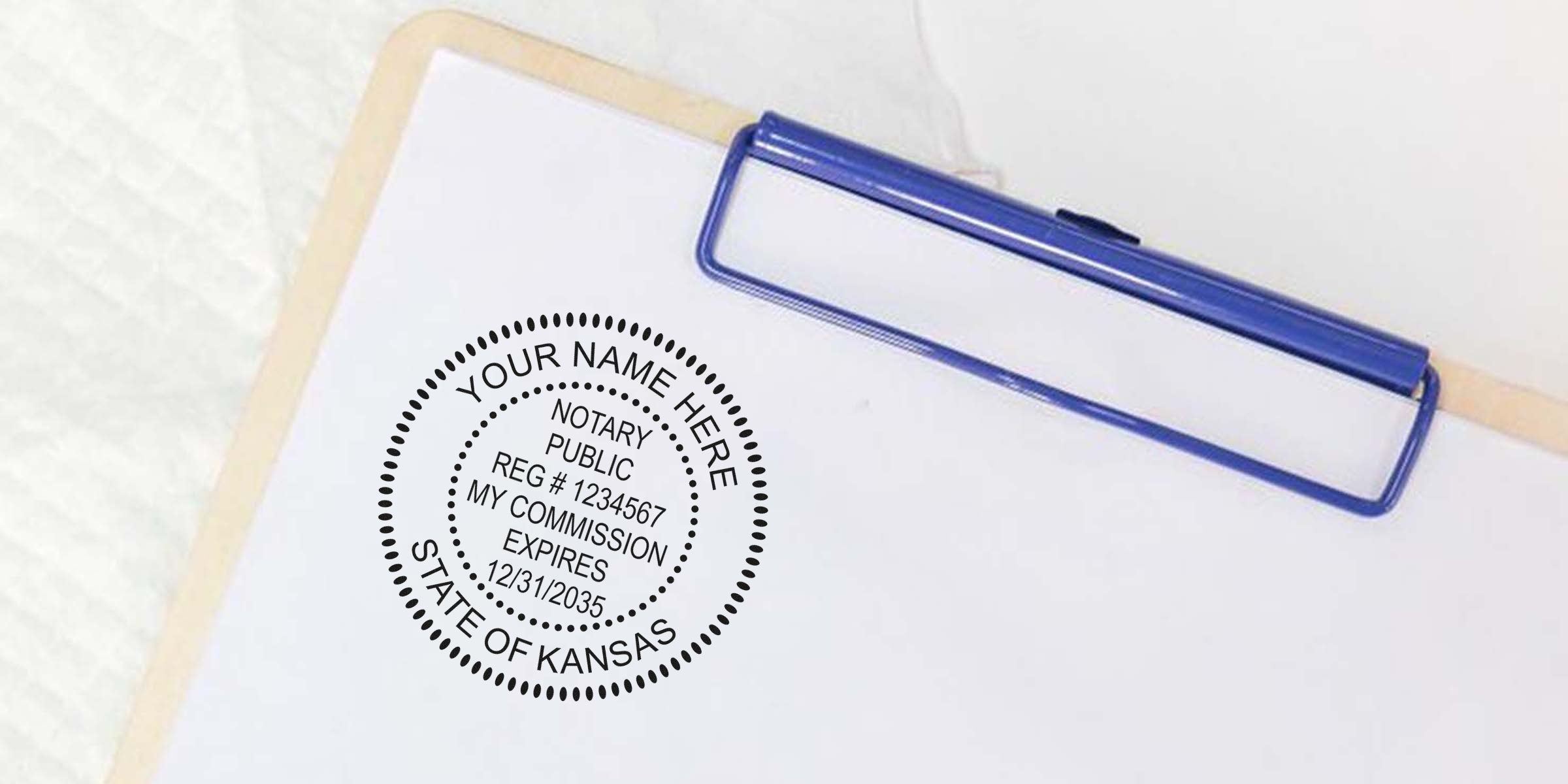
Understand The Kansas Seal Requirements
We know the importance of getting all the details right when it comes to Kansas Notary Public Seal Guidelines. These guidelines serve as the foundation for every official document we notarize. By following them, we protect our reputation, stay in compliance with state rules, and give the people we serve total peace of mind.
Why Requirements Matter
We’ve all heard stories of documents questioned or rejected because the notary seal wasn’t up to code. When we use a seal that meets Kansas standards, we help ensure signatures hold up in court and clients can rely on our work. It’s pretty much the core of notary professionalism.
Ensure Proper Seal Layout
The next step is making sure each part of our notary seal fits state specifications. Kansas law typically outlines the seal’s exact shape, wording, and any additional elements.
Elements To Include
- Name as it appears on our commission
- “Notary Public” phrase and “State of Kansas”
- Commission expiration date (if required)
By including each of these, our seal is recognized as valid and official.
Keep Your Seal Secure
Beyond correct layout, we need to secure our seal so it won’t be used by anyone else. A missing or stolen seal can lead to unauthorized notarizations. It’s a big risk, and we definitely want to avoid it.
Quick Storage Tips
- Keep our stamp in a locked drawer or safe
- Avoid sharing storage spaces with non-notaries
- Replace the seal immediately if damaged or lost
Maintain Compliance Long-Term
Guidelines can change over time, so we need to stay in the loop. We recommend checking for state updates at least once a year to confirm everything we’re doing still aligns with current regulations.
Common Pitfalls
- Using an outdated seal past commission renewal
- Not updating the seal when our name changes
- Forgetting to record new commission details on the seal
By watching out for these, we keep our notary services running smoothly.
Choose Quality Notary Supplies
We’ve noticed that high-quality stamps make our job simpler. Crisp, clear impressions reduce errors and rejections. If we need more resources, we can review our options for kansas notary supplies to restock or upgrade our toolkit.
What To Look For
- Durable build that withstands daily stamping
- Clearly readable text
- Ink colors compatible with Kansas requirements
Final Thoughts
Following the Kansas Notary Public Seal Guidelines is the key to maintaining our credibility and ensuring each notarization stands up to scrutiny. By keeping our seal up to date, storing it securely, and double-checking its layout, we keep our notary business on track. If we ever need to refresh our supplies or confirm we’re meeting the newest regulations, the right products and a quick review of state rules will keep us ready for success.
Frequently Asked Questions
What are the Kansas Notary Public Seal Requirements?
Kansas Notary Public Seal Requirements generally cover the seal’s required wording, layout, and readability. Your seal should clearly identify you as a Notary Public in the State of Kansas and match the name on your commission. Using a seal that meets state standards helps prevent rejected notarizations and compliance issues.
Which details must appear on a Kansas notary seal??
A Kansas notary seal should typically include your commissioned name, the phrase “Notary Public,” and “State of Kansas.” If required by your commission or current state rules, it may also include your commission expiration date. Keeping the seal accurate and complete helps ensure your notarizations are accepted.
How can I make sure my Kansas notary seal stays compliant?
To stay compliant, review your seal regularly and compare it against current Kansas Notary Public Guidelines. Check that your name is up to date, the impression is clear, and any required commission details are correct. It’s also a good idea to verify state requirements at least once a year, especially when renewing your commission.
What should I do if my Kansas notary seal is lost or stolen?
If your Kansas notary seal is lost or stolen, replace it immediately to reduce the risk of unauthorized notarizations. You should also follow any state reporting or security steps required for notaries in Kansas. Keeping your seal in a locked drawer or safe can help prevent this issue in the first place.
Can I use an outdated Kansas notary seal after renewing my commission?
No, using an outdated notary seal after renewing your commission can create compliance problems and may lead to rejected documents. After renewal, confirm that your seal reflects your current commission information and any updated requirements. Updating your seal promptly helps protect the validity of your notarizations.
How do I evaluate buying Kansas notary supplies?
When choosing Kansas notary supplies, look for durable, high-quality stamps with clear text and an impression that is easy to read. Make sure the supplies are designed to meet Kansas Notary Seal Requirements and are compatible with state expectations. Good-quality tools help reduce errors and improve the professionalism of your notarizations.








