
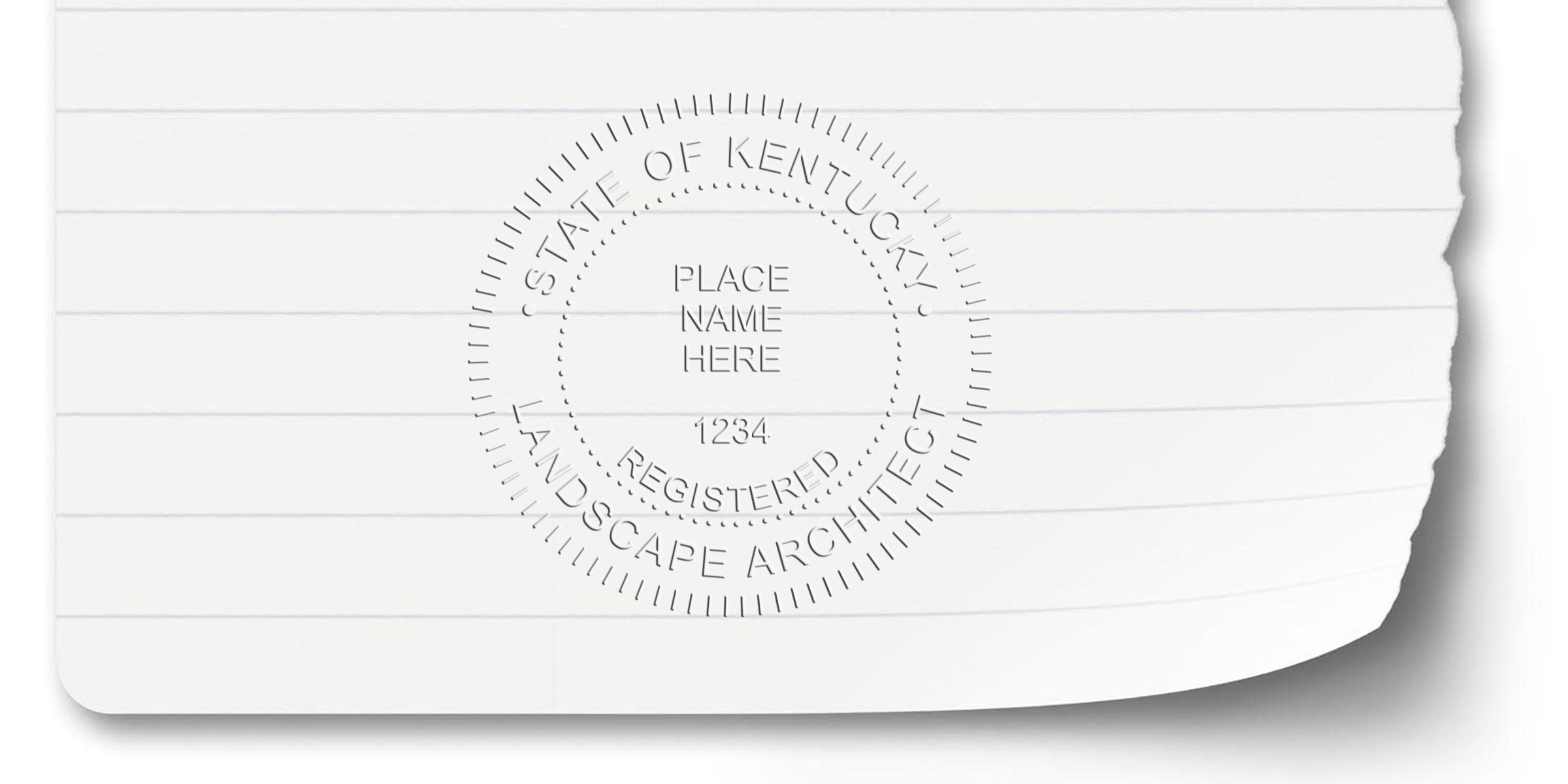
Understanding Your Kentucky Landscape Architect Seal
Are you ready to navigate your landscape architect seal design in Kentucky? Whether you’re updating your existing seal or creating one from scratch, you might feel a bit overwhelmed by the rules and regulations. Don’t worry. By the time you finish reading, you’ll have a clear idea of how to design, maintain, and use a professional seal that meets Kentucky’s standards. You’ll also discover practical tips for saving time and money along the way.
Recognizing Kentucky’s Seal Requirements
When you first think about designing your official Kentucky Landscape Architect Stamp or seal, your primary focus should be understanding state requirements. After all, a properly crafted seal shows you’re serious about your profession and committed to meeting legal obligations.
The Core Legal Framework
Kentucky’s state board for landscape architecture typically outlines the specifications for how your seal should look, what text it must include, and where it should be placed on official documents. While these requirements can seem detailed, they help maintain consistent quality across all professional documentation. Remember, an unclear seal could raise questions about your legitimacy. By following the state board’s guidelines, you’re ensuring credibility.
Why It Matters
A properly designed seal isn’t just about aesthetics. It proves that you’re recognized by the state to practice landscape architecture. If you submit project proposals or official plans without the correct seal, you may find your work delayed or even rejected. In other words, the extra care you take during the design phase protects your professional image and ensures faster approvals.
Planning Your Seal Layout
Before you jump into designing your seal, it pays to plan ahead. Think about where your name, license number, and the words “Registered Landscape Architect” appear. Kentucky regulations often describe the exact phrases required, so double-check those rules before you finalize anything.
Focusing on Legibility
Your seal should be crystal clear and easy to read. While it may be tempting to choose fancy fonts or intricate designs, readability needs to come first. Boards and agencies looking at your documents want to identify your name and registration number at a glance. By opting for a straightforward, bold font, you help everyone from inspectors to clients confirm the authenticity of your documentation.
Strategically Placing Key Elements
When positioning your name and license number, prioritize balance. Some professionals place their name near the top arc of the seal and their license number at the bottom. This symmetry keeps your seal looking professional. Also, consider how large the seal will appear on your official documents. A seal that’s too small might be overlooked, while an oversized seal might distract from your project details.
Ensuring Compliance With State Regulations
Navigating Kentucky’s guidelines might feel intimidating at first, but preparing a checklist can make a big difference. Here are a few key points to keep in mind:
- Always include your full legal name.
- Feature your Kentucky-issued registration or license number.
- Use language like “Registered Landscape Architect,” as required by the state.
- Present your seal in a format (physical or digital) that meets Kentucky’s rules.
Verifying compliance isn’t just for your peace of mind. A simple misplacement of text or omission of required wording can lead to time-consuming revisions. By checking these items off a list, you’ll streamline your professional documentation process and avoid unnecessary hiccups.
Deciding Between Physical and Digital Seals
In today’s modern world, many professionals need both physical and digital seals. Physical stamps or embossers still prove valuable for in-person interactions, such as signing off on printed plans right at a construction site. Meanwhile, a digital seal can simplify electronic document submissions and quick email approvals.
Benefits of Physical Stamps
- Instant verification on hard-copy drawings.
- Tangible proof of your credentials.
- Quick application on pages without needing extra software.
Advantages of Digital Seals
- Electronic submission is faster, especially for project bids or approvals.
- Ensures no smudges or irregularities in the seal imprint.
- Convenient for archiving and storing records with clear, legible seals.
Because Kentucky’s regulations support either option, choose whichever format best suits your everyday needs. In many cases, architects end up using both to cover all their bases.
Working With a Trusted Supplier
Once you’re ready to place an order for your new seal, it makes sense to partner with a supplier who is reputed for accuracy and quality. You deserve a seal that reflects your professionalism—and that keeps you on the right side of local regulations.
Introducing Acorn Sales
Acorn Sales has been a go-to resource for Kentucky Landscape Architect stamps and seals since 1964. Their long-standing history means they understand exactly what state boards are looking for, so you don’t have to worry about reprints or compliance headaches. One added bonus you’ll enjoy is their Free Digital Seal offer, an option that many new and experienced landscape architects find incredibly convenient.
When your career hinges on the details, working with a reliable provider can save you frustration and time. If you’re shopping around, Kentucky Landscape Architect Stamp options can guide you in selecting a style that meets state requirements and suits your professional aesthetic.
Step-by-Step: Designing Your Official Seal
Creating your seal doesn’t have to be complicated. By breaking down the process into a few easy steps, you’ll get a clear, professional design without the usual headache.
Confirm Kentucky Regulations
Check the state board’s specific design requirements for wording, size, and layout. If you’re missing vital information, you risk creating a seal that’s non-compliant.Sketch Your Initial Layout
Draft several variations. Position your name, license number, and “Registered Landscape Architect” label in different ways until it looks balanced.Choose Your Format (Physical or Digital)
Decide if you want a physical stamp, an embosser, or a digital file. Many pros opt for both, giving them flexibility in all scenarios.Select Legible Fonts
Avoid anything too stylized. A simple, bold typeface ensures that clients and officials can quickly verify your credentials.-
Test the Seal Sample
Request a proof from your supplier. Print it out on standard plan sheets or letter paper, and make sure it’s easy to read. Finalize and Order
Work with a reputable supplier such as Acorn Sales to finalize your order. A trustworthy supplier can also answer last-minute questions or alert you to any overlooked requirement.
Following these steps helps you cover every detail, from verifying state mandates to picking the right font. Once you’ve finalized your design, you can look forward to using the seal with confidence.
Avoiding Common Pitfalls
Even a small oversight can derail your project and create avoidable delays. Here are some common mistakes and how to steer clear of them:
Forgetting To Include A License Number
Double-check your official Kentucky records to confirm your license number is correct. A minor typo can cause major confusion.Using Inappropriate Text
Pay close attention to any required wording. Failing to use “Registered Landscape Architect” or its equivalent wording can make your seal invalid.Making Your Seal Too Intricate
It’s tempting to create a unique design with detailed graphics. However, an overly complex design might not reproduce clearly on various document types.Ordering From Unfamiliar Sources
Random online shops may offer bargain prices, but they might not correctly adhere to Kentucky’s rules. Even a small inaccuracy can become a big problem when official documents are rejected.
By watching out for these pitfalls, you’ll set yourself up for a smooth experience and avoid last-minute seal redos.
Managing Your Seal Properly
Once you receive your seal, keep it in pristine condition. A good stamp or embosser should last a long time, especially when cared for correctly.
Physical Seal Maintenance
- Store your seal in a cool, dry place.
- Clean off any ink residue after each use.
- Inspect movable parts periodically for signs of wear.
Digital Seal Care
- Use stable software programs to insert digital seals.
- Keep backup copies of the seal file in a secure location.
- Update any relevant software to ensure compatibility with your electronic seal.
By protecting your seal, you’re safeguarding the proof of your professional credibility. It’s a small but vital step in maintaining your trustworthy reputation.
Staying Up To Date With Regulations
Licensing requirements and stamping rules can change. If you want to stay ahead, consider subscribing to newsletters from the Kentucky landscape architecture board. By getting notifications directly, you’ll know when a new rule or policy might affect how you design or use your seal.
Occasionally, states add fresh specifications for the exact text or shape of the seal. When that happens, you’ll typically have a grace period to adopt the new design. Avoid putting it off—update your seal as soon as possible to keep your documents fully compliant.
Saving Time With Free Digital Seal Options
Chances are, you’ll send and sign multiple electronic documents throughout your career. Instead of manually stamping each page, many Kentucky architects rely on a digital seal for streamlined approvals. Acorn Sales offers a Free Digital Seal that makes compliance especially convenient. This is a handy feature if you regularly work remotely or push projects forward via online submissions.
Think of how many hours you’ll save by inserting a digital seal into PDF plans or Word documents. No more messy ink stamps on your desktop, and no more scanning physical pages. Just upload your file, attach the seal, and you’re done. It’s like handing in a project with a clear professional signature—minus the extra steps.
Why Turn to Acorn Sales
Acorn Sales has been in the stamps and seals business since 1964, and that experience shows in their products. You’ll find everything from traditional rubber stamps to sleek electronic seals that align perfectly with Kentucky’s rules. By choosing a long-established supplier, you reduce your risk of design errors and production delays.
Additionally, their customer service team is known for being helpful and accommodating. If you’re unsure about a particular state detail, they often have the knowledge to steer you in the right direction. Instead of taking a chance on unverified suppliers, picking Acorn Sales can bring you peace of mind.
Wrapping Up and Next Steps
Designing a correct, official Kentucky landscape architect seal might seem complicated at first, but a little preparation goes a long way toward making the process painless. By understanding the requirements, keeping your seal legible, and picking a trusted supplier, you ensure your documents always pass inspection. Along the way, using a free digital seal can dramatically cut down on repetitive tasks, leaving you more time for the creative elements of landscape design.
Feel free to review the Kentucky board’s regulations one more time if you’re double-checking a new seal. And if you have further questions or you’re ready to place your order, remember that a partner like Acorn Sales can help you finalize every detail. When your seal meets all criteria, you’ll not only protect your professional standing, but you’ll also offer clients and officials the peace of mind that comes with official, properly stamped plans.
Frequently Asked Questions
Do I Need A Separate Stamp And Embosser?
You don’t necessarily need both. Some landscape architects prefer a rubber stamp for daily use and an embosser for more formal documents. The key is to choose an option that the Kentucky board recognizes as valid, whether that’s an ink stamp, an embosser, or a digital file.
How Often Should I Update My Seal?
You typically only need to update your seal if your licensing status changes or if the state issues new guidelines. Always keep an eye on official bulletins for any regulatory shifts.
What If My Name Changes?
If your legal name changes, you must update your official records and reflect this change on your seal. Failing to do so could invalidate your documents. Contact the Kentucky State Board of Landscape Architects for specifics, then have a new seal created.
Is A Digital Seal Accepted For All Documents?
In most cases, yes. Kentucky, like many states, increasingly embraces digital documents. However, always confirm with the agency requesting your plans. Some might still require a physical impression or original signature.
Will I Receive A Free Digital Seal With My Order?
Most reputable suppliers, including Acorn Sales, now provide a free digital seal option. This perk saves you money and offers the flexibility to issue both print and electronic documents. Check with your supplier to confirm their policy.








