
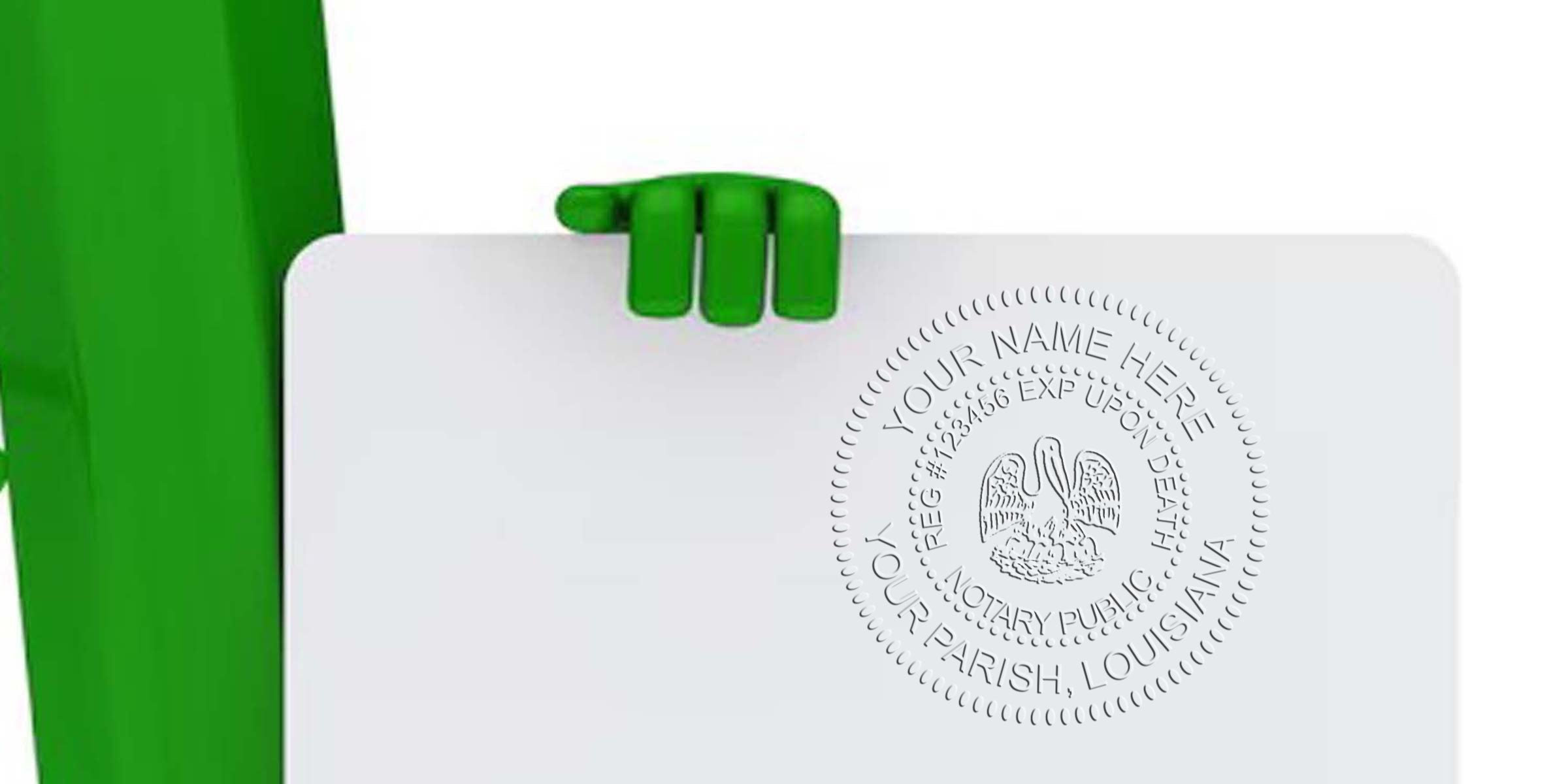
If you’re looking to become (or already are) a commissioned notary in Louisiana, getting a solid handle on Louisiana notary stamp requirements can feel like a top priority. After all, your notary stamp is more than just a piece of plastic and ink. It’s a hallmark of authenticity, a quick way for you to make your mark on important documents, and a signal to individuals that you’re legitimate and ready to help them finalize critical paperwork. In this guide, we’ll walk through how your stamp should look, how you can keep it compliant with state regulations, and how to choose the right one for your evolving notarial needs. Think of it like setting a foundation for your business or side hustle—once you get the details nailed down, you’ll operate with more confidence and authority.
By the end, you’ll have a clear sense of what Louisiana requires, what you can expect as you shop around, and the best way to maintain your notary tools. We’ll also explore a few pitfalls to avoid when stamping, plus we’ll answer your most common questions. Whether you’re just starting out or have been notarizing documents for years, it never hurts to get a refresher on the basics. Ready to dive in and make sure your notary practice is on the right track? Let’s get started.
Recognizing The Basics Of Louisiana Notary Stamp Requirements
Louisiana notary laws might feel a bit specific, but they have good reason for it. Each commissioned notary in the state holds broad authority, meaning you cover various legal areas, from transferring property titles to handling official affidavits. Because of that, the state wants your stamp to be clear, consistent, and easy to verify.
Why Stamps Matter So Much
Picture someone needing to verify a document’s legitimacy: maybe a property transfer, a power of attorney, or a will. Chances are, they expect to see an official impression (sometimes referred to as a notary seal). That’s where your stamp comes into play. It’s like your personal signature combined with a state-approved design, guaranteeing that you’re recognized by Louisiana to handle and authenticate legal documents.
So, why does it matter that you follow Louisiana’s guidelines down to the letter? For starters, it protects you from liability issues. Also, recipients of your notarized documents want to know that everything is official. If your stamp design is out of compliance, you could face big headaches down the line, including document rejections or, in worst cases, fines.
Key Components Of A Louisiana-Approved Notary Stamp
Stick around the notary community long enough, and you’ll hear about borderline stamp fiascos. A stamp might be missing crucial information, or perhaps its ink is too light, making the impression unreadable. So, let’s be concrete about what typically should appear on your Louisiana notary stamp:
- Your Name: Must match your commission name exactly.
- The Words “Notary Public” Or “Notarial Seal”: Some form of status descriptor that clearly states your notary role.
- Your Commission Or Parish: In Louisiana, you usually have a parish-based commission (e.g., Orleans, Jefferson).
- Any Additional Identifiers Required By Law: Depending on updates to legislation, keep an eye on whether extra text is mandated.
This combination ensures that when someone sees your seal, it’s undeniably tied to you. If you’re new to the notary scene, you might be asking: “Do I need to jam all of these details into a tiny circle or rectangle?” The short answer is yes, but it’s easier than it sounds. Most official suppliers, like Acorn Sales, handle template designs that keep your stamp readable.
Aligning With Louisiana Regulations
No two states have identical notary laws, and Louisiana’s can differ from what you see in places like Texas or Florida. Here, you typically won’t need to add an expiration date if your commission doesn’t expire, but confirm that detail if anything has changed since your commissioning date.
- Some notaries keep a second seal that includes their commission expiration, primarily out of habit or clarity.
- Double-check if the layout meets louisiana notary seal requirements (especially if you have older stamps).
A quick tip: If you have any doubts, glance at official references provided by the Louisiana Secretary of State or consult reputable suppliers who track regulation updates in real time.
The Role Of Color And Readability
Black is often the go-to ink color, but some notaries prefer blue or even a darker shade of purple to clearly distinguish an original. However, double-check with the relevant agencies, because some parishes or recorders specifically request black ink for consistency. And if the stamp you select is too light or watery, you could end up with incomplete impressions. Aim for crisp outlines, so your circles, text, or special design elements are easy to read.
Remember, your notary stamp is a representation of your professional status. If the seal is half-faded or looks sloppy, it reflects on the care you take in your role. That’s why you want to keep your ink fresh and replace the stamp pad (if you’re using a self-inking model) as soon as you notice any quality issues.
Preparing For Your Official Louisiana Notary Stamp
Now that you know what a Louisiana notary stamp should look like, let’s explore how to actually get one. Maybe you’re newly commissioned, or perhaps you’re just looking to update your old, worn-out device for something that’s more reliable.
Choosing A Reliable Supplier
Selecting a supplier is more than just finding a website and hitting “buy.” The best providers will know Louisiana state standards inside and out—because they work with notaries all day, every day. Acorn Sales has been around for over 60 years, offering louisiana notary supplies that are fully compliant with the state’s guidelines. Quick turnaround, top-notch quality, and an in-depth understanding of the required layouts can make your life easier.
Why trust a brand like Acorn Sales? First, a long history in stamp and seal making indicates they’ve seen it all and can guide you. Second, you want a vendor who can handle potential updates in legislation without missing a beat. If the state modifies any seal dimension or adds lines of text, a knowledgeable supplier will ensure you stay compliant from day one.
Selecting The Stamp Type
Here’s where it gets interesting—you have options! Some notaries prefer a self-inking stamp (where the ink pad is built into the stamp). Others like a pre-inked model or a traditional hand stamp with a separate ink pad. Each style has its perks, and it boils down to:
-
Self-Inking Stamps
- Built-in ink pad.
- Easy, consistent impressions.
- Typically less messy.
- Might require periodic ink pad replacement.
-
Pre-Inked Stamps
- Usually offer sharper, clearer impressions.
- No separate ink pad needed.
- Can last for thousands of impressions before re-inking.
- Slightly higher price point but often worth the clarity.
-
Traditional Hand Stamps
- Requires a separate ink pad.
- Might feel old-school, but some notaries swear by them.
- Ink can dry out if you don’t store the pad properly.
Which one is right for you? If you want a fuss-free experience, a self-inking or pre-inked stamp is often your best bet. If you’re nostalgic or simply want more control over your brand of ink, a traditional stamp can still produce crisp results, provided you’re careful with the printing process.
Verifying You’re Compliant Before Purchase
One mistake you definitely want to avoid is ordering a stamp that doesn’t match your official commission name or lacks the required text. Always confirm your exact name as it’s registered with the Louisiana Secretary of State’s Notary Division. Double-check whether you need to list your parish. Also, consider whether you want to add a safeguarded border on your seal to keep it looking sharp over time.
By the time you’re done verifying these details, you should have peace of mind that your new stamp will pass any official scrutiny. Remember, if there’s any confusion, talk directly to your supplier—especially if they specialize in louisiana notary stamp and seal products.
Maintaining Compliance And Best Practices
Once your stamp arrives in the mail, that’s not the end of the story! You’ll have to adopt a few habits to ensure you’re using it correctly and staying in good standing with Louisiana regulations.
Proper Usage On Documents
Ever worried about where exactly to place your stamp on a document? In general, place it near the notarial certificate text or your signature—whichever is required by the form you’re completing. Make sure the entire impression is on the page, and avoid stamping over text. A half-cut or partially overlapping stamp can be considered invalid or lead to confusion.
Additionally, keep your stamp impressions clear. If your stamp is smudging or the lines are faint, it’s time to re-ink or clean the surface. Some notaries carry a test sheet of paper to practice stamping before applying it to the final document—just to ensure a flawless impression.
Keeping Stamp Ink Fresh
Ink quality and ink level are crucial for a polished seal. Some notaries think they can scrape by with half-dry ink, but that’s a surefire way to produce messy, barely legible impressions. As soon as you notice a lighter imprint, take action:
- Re-fill the ink (for self-inking or pre-inked stamps).
- Replace the ink pad if the surface is worn out.
- Inspect the rubber die or face of your stamp to ensure it’s clean and not damaged.
A routine cleaning every few weeks can remove small bits of lint or dirt, especially if you’re stamping multiple sets of documents daily. A soft, slightly damp cloth is often enough, but check the manufacturer’s recommendations so you don’t inadvertently damage anything.
Renewal And Replacement Requirements
In Louisiana, notary commissions can be for life or for a set term, depending on when and how you initially qualified. If there’s an expiration date on your commission, you’ll want to renew it before that date. Failing to do so might invalidate your entire authority to notarize documents, making your stamp worthless until you catch up on the paperwork.
- If your commission changes (say, you relocated to a different parish), you might need a new stamp stating your updated parish.
- If the design or shape of your seal is altered by updated louisiana notary stamp law, replace your stamp promptly.
Keep track of any official notifications from state officials. It’s easy to push aside letters until the last minute, but your best bet for staying current is to set reminders or mark the dates in a digital calendar. It’s all about preventing those “Oops!” moments when you realize you’re out of compliance.
Handling Your Stamp With Care
Your stamp is practically an extension of your professional identity. Considering that, treat it like you would any valuable piece of office equipment:
- Store it in a safe, dust-free spot.
- Don’t lend it to anyone—even a trusted colleague—because you’re the only person authorized to use your official notary seal.
- Keep it away from direct sunlight or extreme heat, which can warp rubber or dry up ink prematurely.
By following these steps, your stamp will hold up through thousands of notarizations, giving you crisp, official markings every time.
Selecting A Trusted Partner: Acorn Sales
When it comes to louisiana notary stamp requirements (and everything else notary-related), partnering with the right supplier is crucial. Over the decades, Acorn Sales has become a go-to resource for notaries in Louisiana. We at Acorn Sales have been making stamps and seals for over 60 years, so you could say we know a thing or two about longevity and quality.
Why Quality Matters
In the notary world, minor details can have major implications. If your seal is misaligned or the text is too small, it could lead to legal questions about document validity. Using high-grade materials ensures each impression you make is uniform and consistent. That means fewer re-stamps, no wasted documents, and an overall more streamlined notary experience.
Let’s be honest, you don’t want to rebuy your stamp every six months. A quality stamp also reduces the risk of leaks, spills, and smudges. This level of consistency is why so many Louisiana notaries and businesses trust us at Acorn Sales for louisiana notary stamp products and beyond.
Partnering With Acorn Sales For Compliance
Aside from robust materials, a good supplier will keep you informed about any changes to regulations or design formats. If a new rule crops up that mandates a specific dimension, companies like Acorn Sales quickly integrate that edits into our stamp designs. In short, you don’t have to worry about scouring government websites on your own. Of course, you should still stay informed, but having an expert partner on speed dial can save you time and potential headaches.
- Our items meet louisiana notary seal guidelines.
- We cater to special requests, whether you need a certain stamp shape, color, or extra text.
- Quick turnaround ensures you’re not left hanging for weeks without the tools you need.
There’s reassurance that comes with working alongside a brand that’s been in the stamping business for decades. You know you’re getting proven products that stand up to daily use.
Common Pitfalls And How To Avoid Them
Even with the most thorough knowledge, slip-ups happen. Below are some recurring errors notaries encounter—make a note so you can steer clear!
1. Inconsistent Impressions
If you’re rushing through a stack of documents, you might apply too much or too little pressure. This can result in impressions that are only partially read. Over time, those half-legible stamps can lead to confusion or even legal challenges.
- Always do a quick test stamp on a scrap piece of paper if you haven’t stamped in a while.
- Verify that the rubber face is clean, and the ink pad has sufficient ink.
2. Overlooking Parish Changes
Maybe you moved from Orleans Parish to Jefferson Parish. If your official commission name and location changed, you need a stamp that reflects the new parish. Not bothering to update your seal could mean the difference between a valid and invalid notarization. Louisiana is pretty strict about location-based commissions, so keep your stamp aligned with your current legal info.
3. Not Storing The Stamp Securely
Misplacing your notary stamp can be more than just inconvenient. In the wrong hands, it can lead to unethical notarizations or identity theft. Make it a habit to store your seal in a locked desk drawer, a home safe, or any secure place that only you can access.
4. Using An Outdated Stamp Model
Stamps wear out just like any tool. Even though some devices last for years, there will come a day when your impressions are faint or the rubber edges begin to degrade. If you push your stamp past its prime, you risk:
- Blurred impressions that are hard to read.
- Extra lines or shapes from worn-out edges.
- A negative reflection on your professionalism.
5. Failing To Follow Up On Requirements
Newly commissioned or not, it’s key to regularly confirm that your stamp meets the state’s rules. Laws can evolve over time, and ignoring updates because you’re “too busy” can cause serious problems for your notarial acts.
Bringing It All Together
Wrapping all of this up, holding a properly designed Louisiana notary stamp allows you to notarize documents confidently. Don’t underestimate the importance of complying with each detail. Whether you’re a notary newbie or a seasoned professional, keeping up with the latest guidelines helps maintain your reputation, guarantees validity for your clients’ documents, and prevents headaches down the road.
Acorn Sales proudly supplies everything you need to meet Louisiana notary stamp requirements. Whether it’s a quick order for a replacement stamp, a louisiana notary seal with crisp lines, or a full louisiana notary kit for new notaries, we’ve got you covered. Our six decades in the stamping business ensure your seal will be delivered quickly, with the most up-to-date designs and materials, so you can focus on the actual task of notarizing.
Now that you’re armed with these details, take steps right away! If your current stamp is out of compliance or showing signs of wear, it might be time to upgrade. A small action today can save you heaps of trouble and protect your professional authority. Here’s to stamping with confidence and clarity—both of which help you stay ahead in your notarial journey. And if you have any more questions or special requests, Acorn Sales is here to guide you.
Frequently Asked Questions
Do I Need To Include An Expiration Date On My Louisiana Notary Stamp?
Many Louisiana notaries have lifetime commissions, so an expiration date might not be required. However, if your commission has a defined term, you will likely need to reflect that on your stamp. For the most accurate information, check with the Louisiana Secretary of State’s guidelines.
Can I Use A Colored Ink Other Than Black For My Stamp?
Yes, but proceed with caution. While you can opt for colors like blue, you should confirm that it’s acceptable in the documents’ jurisdiction. Certain parishes or recorders may require black ink to maintain consistency. Always keep clarity your top priority.
What Happens If I Move To A Different Parish?
If you relocate to a new parish, you might need a new stamp indicating that parish. Notify the state, update your commission details if required, and order a stamp that’s 100% aligned with the new location. You can check louisiana notary seal and stamp products for up-to-date designs.
How Often Should I Refill Or Replace The Ink Pad In A Self-Inking Stamp?
This depends on how heavily you use it. Large volumes of daily stamping can wear out an ink pad more quickly. In general, keep an eye on the clarity of your impressions. As soon as they start to fade, either refill your ink (if your model allows it) or swap out the pad with a fresh one.
Where Can I Buy Officially Compliant Stamps?
You can purchase from numerous vendors, but be sure they specialize in Louisiana notary requirements. At Acorn Sales, we not only provide louisiana notary stamp online ordering, but also guaranteed compliance with the latest regulations. You’ll have peace of mind knowing the necessary text and layout are correct.
Is It Possible To Use Digital Stamps Instead Of Physical Stamps?
E-notarization is growing in popularity, but in Louisiana, you typically need a physical stamp for many traditional documents unless the party specifically accepts electronic notarization. Confirm that the receiving agency recognizes e-notary methods. Otherwise, it’s best to keep your physical stamp handy.








