
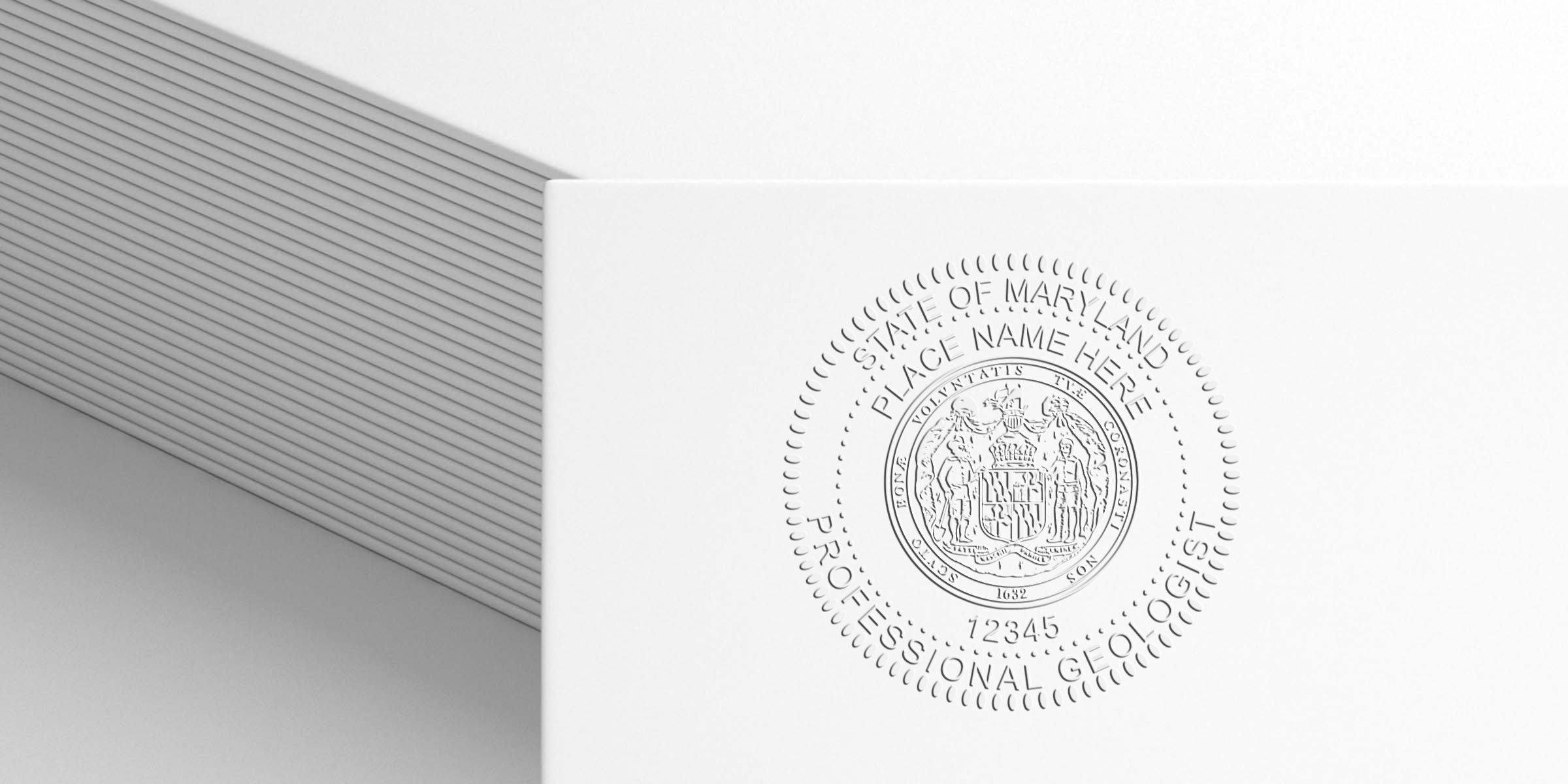
Understand Maryland Geologist Requirements
You’re about to embark on a crucial step in your professional journey as a geologist in Maryland. Like any specialized field, geology has specific guidelines for licensing and official documentation. In Maryland, geologists must demonstrate their competence by meeting education and experience prerequisites. Once these are satisfied, you’re eligible to apply for official credentials, including the use of a Maryland Geologist Stamp or seal. But what exactly does that stamp require, and how do you make sure you’re checking all the right boxes?
This post will walk you through the essentials so you can feel confident about the entire process. We’ll tackle the basics of what the state demands, how to use the stamp properly, tips for picking a reliable provider, and how to keep everything current. By the end, you’ll know exactly why that official mark carries so much weight—and how to master every detail.
Follow Maryland Geologist Stamp Guidelines
When it comes to official documents, a geologist’s stamp says two things: “I’m authorized by the state,” and “This work meets professional standards.” If you’re unfamiliar with the concept, it may sound like a fussy detail. But the Maryland geologist stamp guidelines outline strict regulations. These rules ensure every geology-related submission is authentic, standardized, and traceable to a licensed professional.
Using the correct stamp doesn’t just protect the public, it also shields you from potential liability. After all, if your mark is missing critical details or doesn’t align with state guidelines, you risk having your documentation rejected—or worse, facing disciplinary action.
What Should Appear on the Stamp
So, what has to be on that stamp to make sure it’s valid? Though specific design elements can vary slightly, it usually includes:
- Your name (exactly as registered with the licensing board).
- The words “Professional Geologist” or a similar legally recognized variation.
- Your professional license number to confirm your unique identification.
- The state name, clearly indicating jurisdiction (Maryland).
Keep in mind that the state might also have specific size and legibility requirements. For instance, most guidelines suggest a diameter of around 1.5 to 2 inches, ensuring the text is easy to read and doesn’t crowd the page. Always double-check that your seal maker follows these standards so you’re not left with a rubber stamp that’s too small or too large.
Correct Usage
Once you’ve got the right seal, you want to use it accurately:
- Apply the stamp only to final or near-final documents.
- Never share your stamp with unlicensed colleagues or friends.
- Keep it in a secure place, so it’s not used without your knowledge.
- Make sure your signature (when needed) is clearly placed near the stamp.
The state expects each geologist to mark only the work they supervised or produced. If you didn’t oversee the project, you shouldn’t be sealing it. This preserves professional integrity and helps stakeholders trust the documentation you’ve approved.
Get Your Official Seal
Ready to order your official seal? Choosing a reputable provider is a critical part of making sure your stamp is functional and in line with regulations. You’ll also want to consider the quality of materials—ink that smudges or runs can undermine the professional look you’re after.
Choosing a Trusted Provider
Many geologists swear by Acorn Sales, a supplier that’s been in business since 1964. They focus on offering high-quality stamps and seals, plus a level of customer service that puts you at ease. When you’re ready to purchase, look at Maryland Geologist Stamp options to ensure the final product follows all required specs.
Beyond the stamp itself, you may have questions about shipping, timelines, or how to store your seal. Any reputable provider will walk you through those details up front. It’s smart to talk to a sales representative—shoot them a quick email or pick up the phone to confirm everything is correct before finalizing your order.
Free Digital Seal Benefits
Because so much modern work is done and delivered electronically, many geologists also want a digital seal. This can be especially handy if you’re working with remote clients or you often need to submit documents via email. Acorn Sales offers a free digital seal that you can integrate into PDFs or other electronic formats, making it easier for you to keep all your bases covered in a pinch.
A digital seal streamlines your workflow. Rather than printing, stamping, rescanning, and emailing, you can often insert your digital stamp directly into the file. Before you do, confirm that the licensing board accepts a digital version. Most agencies do, provided the seal matches official dimensions and is accompanied by a valid e-signature.
Maintain Compliance
Once you’ve acquired the correct seal and started using it, you’ll want to stay on top of any updates from the state board. Professional licensing requirements can change, especially if new technology or policy revisions come around. The good news is that in most cases, your existing seal design won’t suddenly become invalid. However, you might need to renew your license periodically or update personal information if, for example, you change your name.
Monitoring official communications—like newsletters, email alerts, or website bulletins from Maryland’s Board of Professional Geologists—can save you from surprises. Filing deadlines can sneak up on you if you’re busy consulting, traveling, or running your own practice. Markining them in your calendar each year is a surefire way to avoid late renewals or potential penalties.
Staying compliant also involves making sure your stamp or seal isn’t damaged. If you notice that your ink pad is drying out, your image is fading, or the text isn’t printing clearly, get it replaced right away. The state expects every submission you stamp to be crisp and legible. Submitting a smudged seal might cause confusion about whether the document is truly official, so it’s well worth checking your supplies regularly.
Wrapping Up
Navigating the official requirements around geologist licensing in Maryland might feel like wading through layers of sediment at first. But with the right guidance, it’s surprisingly manageable. Remember that your stamp, whether physical or digital, is more than just ink on paper. It’s your professional pledge to maintain high standards in every step of your geological work. By following the Maryland geologist stamp guidelines, you’re showing clients, peers, and state officials that you take your responsibilities seriously.
Once you’re set with the proper seal, double-check the state’s rules from time to time. Renew your license promptly, store your stamp securely, and keep your contact information up to date. Staying compliant isn’t just about following the law—it also boosts your credibility and assures the public that your expertise is genuine.
If you’re ready to place your order, remember that Acorn Sales has been in business since 1964. They’re known for reliable stamps, high-quality seals, and a knack for stellar customer service. When you call or click, you can also claim your free digital seal, helping you handle both traditional and online document submissions with ease.
At the end of the day, a properly used seal is an essential component of your professional identity. Make sure it meets Maryland’s standards in size, design, and clarity. It might seem like a small mark on a piece of paper, but that stamp tells the world, “I’m a trusted professional who’s ready to stand behind my work.” That’s a big statement—and the perfect finishing touch to every geology-related project you sign off on.
Frequently Asked Questions
Do I need both a physical and digital seal?
While not always mandatory, having both can be a huge convenience. Many state boards and employers accept digital seals in place of a physical one, so long as they meet official specifications. However, certain clients or agencies might still request a physical stamp. If you want maximum flexibility, it’s smart to have both.
Are there specific ink colors required?
Maryland guidelines generally don’t specify an ink color. Traditional black ink is the most common choice because it’s universally recognized and copies well. If you’re unsure, opt for a dark color that gives a clear, professional impression.
Is there a specific deadline to get my stamp after licensure?
The state doesn’t always impose a strict timeline, but you’ll need that stamp before you can officially seal your own documents. Realistically, the earlier you get it, the better. It proves your readiness to clients and peers alike. Just remember that your first license must be active and in good standing before you can place any official mark.
What if I lose my seal or it gets stolen?
If your physical seal goes missing, take immediate steps to protect yourself. File a report with local authorities if you suspect theft, and let the Maryland board know. In extreme cases, you may need a new license number if the old seal is misused. Always store your stamp and digital seal files in secure locations to avoid these issues.
How can I confirm state regulations haven’t changed?
The quickest approach is to check the Maryland Board of Professional Geologists’ official website periodically, or subscribe to their email updates. Many boards post yearly reminders about any new or adjusted rules. If you end up needing a revised design, a reputable vendor such as Acorn Sales will gladly help you update your seal.








