
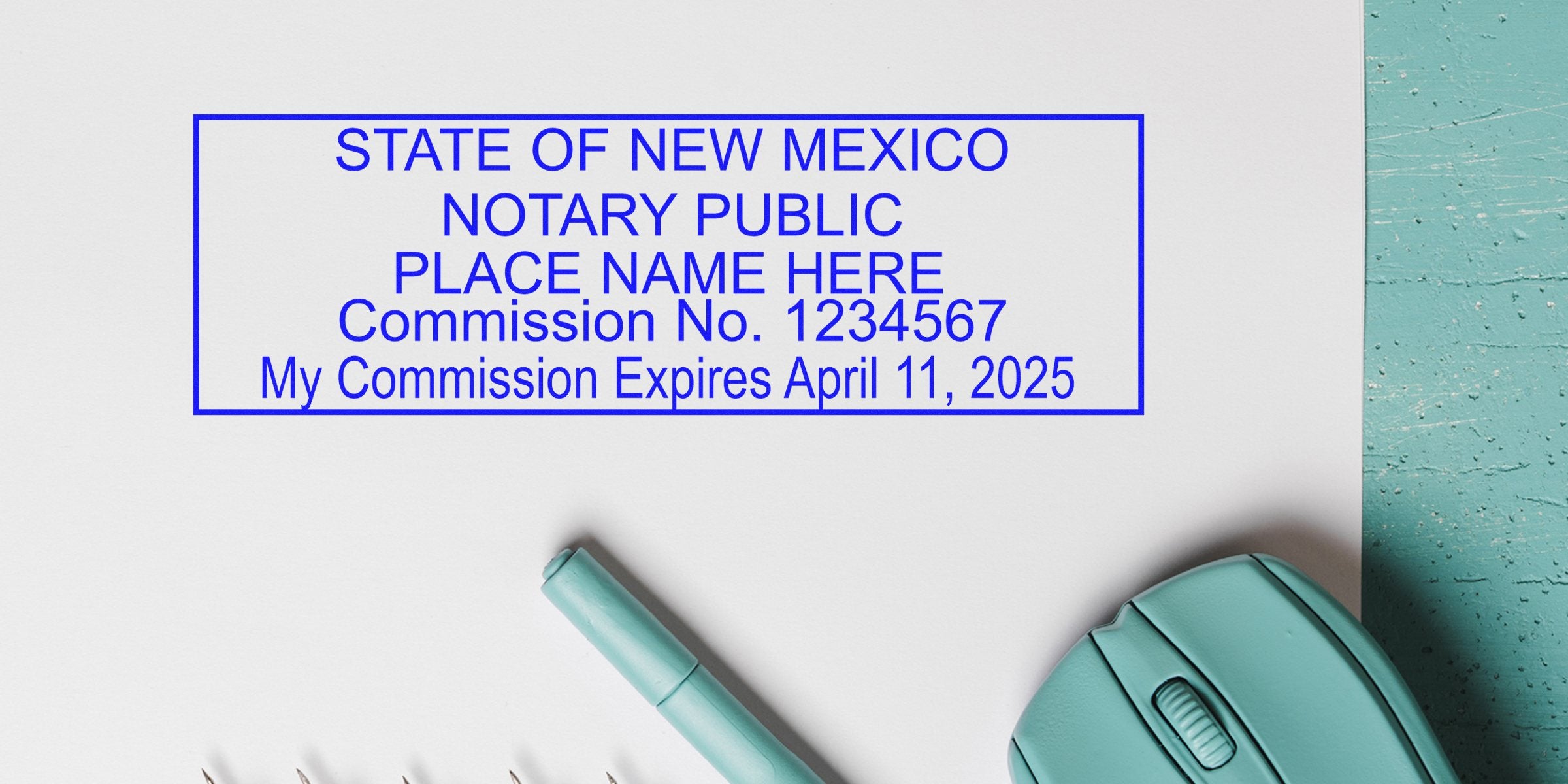
Mastering the ins and outs of New Mexico notary seal requirements can feel daunting if you’re just starting out, but the process becomes more straightforward once you understand the basics. Whether you’re looking to buy your first New Mexico Notary Seal or you’ve been stamping documents for years, having a handle on these regulations is essential. Throughout this guide, you’ll find practical tips to help you feel confident in your role and ensure you’re staying compliant with state rules. Let’s explore the key requirements in detail and see how you can set yourself up for success—without the headaches.
Understand The Notary’s Role
Before diving deep into the guidelines around your seal or stamp, let’s take a quick step back and clarify your function as a notary in New Mexico. You’re acting as an official witness to document signings, verifying the identity of the signers, and confirming that everyone is willingly entering into the agreement. Because of that, your notary seal (often called a stamp) isn’t just a handy tool. It’s proof that the documents have been properly notarized and that you’ve followed all the essential protocols.
Why The Seal Matters
You might wonder, why place so much emphasis on a tiny stamp? Well, the seal is how the state confirms a document has met its notarization standards. It includes key information like your name, commission number, and the state you’re certified in. If the seal is missing, incomplete, or doesn’t meet the required guidelines, there’s a good chance the documents will be rejected.
- Ensures authenticity of notarized documents.
- Demonstrates compliance with New Mexico legal requirements.
- Instills trust in your clients and recipients.
Look At The Bigger Picture
Notarizing documents involves more than just slapping on a seal. You also have to keep accurate records and verify identities. However, understanding how to properly use your notary seal means you have a solid foundation. Without it, your notarial acts won’t stand up legally. If you’re looking to take the next step in your journey—such as learning how to become a notary in New Mexico—you’ll quickly see how important mastering your seal is from day one.
Know The Basic Seal Rules
You’ve seen references to “New Mexico notary seal requirements,” but what exactly does that mean? Let’s break down the primary guidelines so you’ll have a clear idea of what’s expected. Each state sets its own standards, and in New Mexico, the Secretary of State’s office outlines specific rules to keep everything consistent.
Minimum Stamp Details
At a minimum, your seal must include:
- The words “Notary Public” and “State of New Mexico.”
- Your name, exactly as it appears on your commission.
- Your commission (or license) number.
- The words “My commission expires” or a reference to the end date of your commission.
Without these elements, your seal won’t meet the legal threshold. Some notaries opt for a rectangular stamp, while others go for a circular seal. Both are typically acceptable.
Required Legibility
Your stamp or seal impressions must be legible and clear. If the text smears or fades, the validity of your notarization can be questioned. Using a high-quality stamp from a reputable supplier, like Acorn Sales, helps ensure clarity over thousands of uses. Not only have we at Acorn Sales been making stamps for over 60 years, we also pride ourselves on quick turnaround times, so you won’t be left waiting when you’re ready to start stamping documents.
Additional Guidelines
- Avoid tampering with or altering your seal once it’s created.
- Keep your seal in a secure place to prevent misuse.
- Replace your stamp promptly if it wears out or becomes illegible.
Staying aware of these fundamental regulations is the first step in notary compliance. By following them, you’re already well on your way to providing professional, legally sound notarizations.
Comply With State Requirements
When you’re juggling everyday responsibilities, adhering to specific state rules can definitely feel like extra work. But once you learn the major guidelines, it’s easier to integrate them into your normal routines. Being in compliance isn't just about staying out of trouble—it's also about giving peace of mind to your clients.
Registration With The Secretary Of State
The New Mexico Secretary of State requires you to register your commission and maintain current contact information. If you move or change your name, you need to update those details. This ensures your official seal details line up with the state’s records.
Maintaining Commission Validity
New Mexico notary commissions typically last a few years before you need to renew. Keep an eye on your expiration date. You don’t want to risk stamping documents after your commission ends—or using a seal that references an expired date. Keeping track of your renewal timeline can save you a world of stress. If you’re unsure, check out new mexico notary stamp renewal requirements for clarity.
Reference The Latest Laws
State rules can evolve over time, so periodic check-ins on official websites or reputable resources—like new mexico notary stamp law—ensures that your knowledge is current. A minor update in regulations might require you to tweak your stamp design or how you perform notarizations, so staying informed is key.
Choose The Right Seal Type
With the basics covered, let’s talk about the practical side—choosing a stamp or seal that aligns with your workflow. Seals can be made with different materials and configurations, each with its own advantages. You get to pick which style suits your preference and usage best.
Common Seal Varieties
Below is a quick comparison of some popular New Mexico notary seal options:
| Stamp Type | Features | Pros | Cons |
|---|---|---|---|
| Self-Inking Stamp | Pre-loaded ink pad inside the stamp. | Quick, clean, no separate ink pad needed. | Ink could dry out if not used regularly. |
| Pre-Inked Stamp | Ink embedded in the stamp’s surface. | Delivers consistently crisp impressions. | Slightly higher cost, refills can be pricier. |
| Traditional Rubber Stamp | Requires separate ink pad. | Cost-effective and easy to replace. | Slower process, can be messier. |
| Embosser (Raised Impression) | Creates a raised impression on paper. | Highly professional look. | May not meet standard “ink” requirement alone. |
Many notaries prefer a new mexico notary stamp self-inking because it speeds up the stamping process. On the other hand, an embosser adds a visually impressive element, though you might still need an ink-based seal to comply with official guidelines. If you like a bit of both, some folks invest in a combination approach: they use an inking stamp for legal compliance and an embosser for the added flourish.
Factors To Consider
- Frequency of use: Stamping multiple documents daily? A self-inking stamp is ideal.
- Portability: A compact seal is perfect if you travel to signings.
- Budget: While rubber stamps can be cheaper, the ease-of-use of a pre-inked or self-inking stamp might balance out the cost.
Get The Perfect Impression
Even the best seals can produce blurry or incomplete marks if you’re not mindful while using them. Ensuring you get a clean impression each time helps maintain your credibility, not to mention it prevents do-overs and wasted paperwork.
Best Practices For Crisp Stamping
- Press on a flat, stable surface to avoid skipping or partial prints.
- Test your stamp on a scrap piece of paper before stamping official documents.
- Refresh or re-ink your stamp pad regularly.
If you’re finding it tough to get a clean image, it might be an equipment issue—rubber can wear out over time, or your self-inking mechanism might need a refill. Check your supplier for replacements or buy new mexico notary seal if you suspect your current seal has seen better days.
Practical Placement Tips
Where you place your seal can impact its legibility. Avoid stamping over text or within tight margins. Most documents have a dedicated notary section, usually near the signatures, that provides enough white space for a full impression.
Source From Trusted Suppliers
As a New Mexico notary, you have options. But if you want a quick turnaround, a compliant seal, and reliable customer service, picking a reputable supplier is crucial. That’s where Acorn Sales comes in. We’ve been making stamps and seals for over 60 years, and we place a lot of care in every product. Whether you need a specific official new mexico notary stamp or want a package deal like a new mexico notary kit, we meet your exact needs.
Important Qualities To Look For
- Knowledge of New Mexico’s requirements.
- High-quality materials that withstand repeated use.
- Customized design to match your commission details exactly.
- Transparent shipping timelines and fair pricing.
Choosing the right vendor helps you save time, avoid returns, and prevent potential compliance issues. It’s also about peace of mind—knowing your seal is made to meet or exceed state regulations.
Maintain Your Notary Seal
Much like any tool, your seal or stamp benefits from regular care. After all, the last thing you need is for your seal to fail you in the middle of a busy workday.
Daily Care Checklist
- Store in a cool, dry place.
- Keep it away from direct sunlight, which can degrade rubber.
- Clean your seal surface gently if you notice excess ink build-up.
Plan For Replacement
Your notary seal is not designed to last forever. Even if you maintain it well, the impression might fade after thousands of uses. Ordering a new seal from a trusted supplier before yours becomes completely unreadable is smart. You’ll avoid stamping subpar impressions that could lead to rejections or questions about document authenticity.
Renew, Update, And Expand
Once you’ve mastered using your current seal, it’s worth planning ahead for any commission changes, expansions in your roles, or even personal updates like name changes. Being proactive can help you skip last-minute stress when your renewal date pops up.
Navigate Renewal Requirements
As you approach your commission expiration date, check out the new mexico notary stamp renewal requirements. The renewal steps often mirror your initial application process, but be attentive to any changes in state rules since you last applied. Planning 60 to 90 days ahead of time usually works wonders—especially if you need to update your seal.
Adapt To Name Or Address Changes
If you change your name or move to a new city, you’re typically required to notify the Secretary of State. This might mean updating your notary commission paperwork. Don’t forget to update your seal too. A mismatch between your commission information and the name on your seal can render your notarizations invalid.
Explore Additional Services
Once you have your foundational notary skills down, you might take on extra responsibilities—like performing remote notarizations or special certifications. Each new service can come with a unique set of seal or stamping guidelines. If you want to cater to an even broader audience, familiarize yourself with those add-on requirements so you’re ready to expand your business.
Common Mistakes To Avoid
Even seasoned notaries can slip up occasionally. Identifying frequent errors helps you steer clear of them, keeping your documents airtight and your clients happy. Here are a few pitfalls to watch out for:
- Using An Expired Seal: It’s crucial to keep up with your commission renewal date.
- Illegible Imprints: Light or smudged seals can lead to document rejection.
- Incorrect Wording: Even a single character off could cause trouble, so ensure your stamp matches your official commission name.
- Stamping Over Signatures: Always maintain clarity by stamping near but not over text.
Double-check your documents before finalizing them, making sure your seal is crisp and the name matches your current commission details.
A: That depends on how frequently you notarize documents. Heavy users might re-ink or replace their stamp every 3 to 6 months. Lighter users might go a year or more before needing a refill. Regardless, once impressions start fading, it’s time to refresh or replace.
Mastering New Mexico notary seal requirements doesn’t have to feel complicated. By keeping these guidelines in mind, choosing a high-quality seal from a trusted supplier like Acorn Sales, and staying on top of renewals and updates, you’ll be well on your way to providing top-notch notary services. Ultimately, your seal is more than just ink—it symbolizes your integrity, attention to detail, and commitment to serving your clients. By staying equipped, informed, and prepared, you’ll confidently meet every notarial challenge that comes your way.
Frequently Asked Questions
Do I Need Both A Stamp And An Embosser?
While an inked stamp is typically preferred to fulfill legal requirements, some notaries choose to add an embosser for a finishing touch. If you opt for an embosser, make sure you still carry a compliant ink-based stamp so your notarial acts are clearly valid.
Can I Use My Seal Right Away After I Receive It?
You can begin stamping as soon as your notary commission is active and your seal meets New Mexico’s guidelines. We recommend testing your seal on scrap paper first so you’re certain all the details look correct.
What Happens If My Seal Gets Lost Or Damaged?
If your seal is lost, stolen, or damaged, it’s best to notify the Secretary of State and replace it promptly. This prevents fraudulent use of your seal and ensures you don’t experience any downtime in your notary work.








