
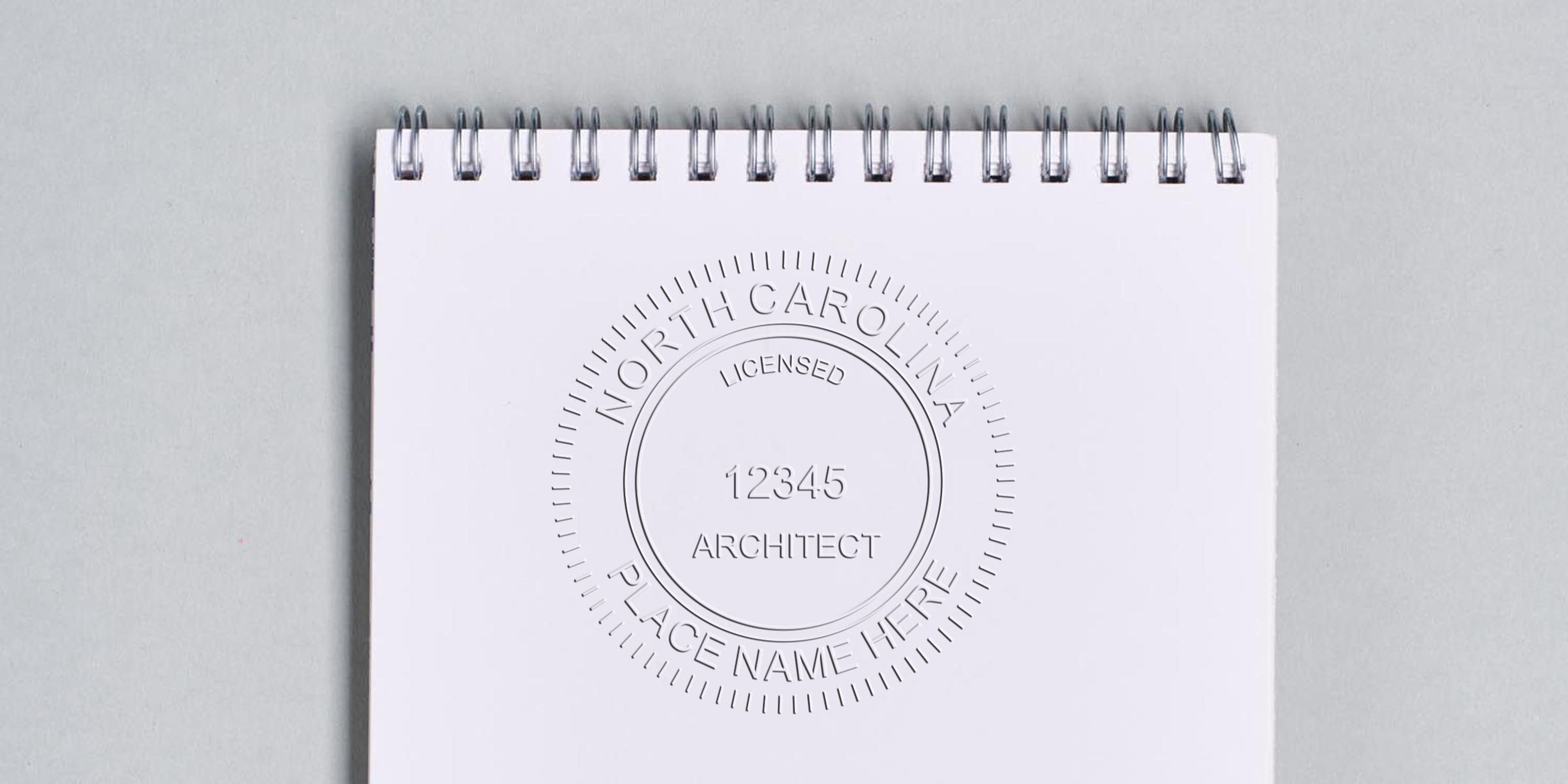
Imagine you’re standing in your office, blueprints spread out on the table, double-checking every detail of your latest design. You pause, realizing that finalizing the official seal is still on your to-do list. You’ve heard about North Carolina architect seal requirements and want to make sure you’re fully compliant before you send the paperwork off. After all, the stamp or seal you use on your plans is more than just ink on paper. It’s your professional signature—the mark that shows you’ve met state regulations and stand behind your work.
Below, we’ll walk through what goes into these requirements, how to navigate board regulations, and how to ensure your seal meets the highest professional standards. By the end, you’ll feel more confident about each step of the process, from initial design to daily maintenance. Let’s get started.
Understand North Carolina Architect Seal Requirements
The first thing to know is that the seal you use communicates your credibility and legal authority to practice architecture in the state. When you emboss or stamp architectural plans, you’re certifying that they meet the applicable codes and that you, as a licensed architect, are officially taking responsibility for them.
The Role of the Stamp or Seal
A professional seal isn’t just a formality. It’s a clear way to confirm that you hold a valid license and that the documents you submit are truly your work. In North Carolina, standard regulations make it mandatory for an architect’s seal to be on certain types of architectural drawings, from new building plans to major renovations. If you fail to use a compliant seal, you could face project delays, legal inquiries, or even license issues.
Key Elements
Below is a short table summarizing the primary aspects you need to keep in mind when examining your seal:
| Element | Description |
|---|---|
| Legal Name | Must match the name on your official architecture license |
| License Number | Must be clearly visible and accurate |
| State Identifier | Must indicate “North Carolina” or “NC” for clarity |
| Format and Size | Must comply with guidelines for a readable and professional appearance |
| Mode of Application | Can be traditional ink stamping or an embosser, following North Carolina Architect Stamp Requirements |
Each of these elements carries a specific requirement to assure your legitimacy. If you’re missing any one part, you risk invalidating your stamped documents. It’s a bit like forgetting to sign a check—your plan just won’t carry authority without it.
Follow Key State Board Regulations
The North Carolina Board of Architecture outlines strict rules about how you can use and maintain your architect seal. Breaking any of these rules can be costly, both financially and professionally, so let’s go over the most relevant regulations you’ll encounter.
Understand the Governing Body
The board exists to protect the public by ensuring that anyone practicing architecture in North Carolina is qualified. That means they set and enforce the standards for:
- Educational and licensure requirements
- Ongoing professional development
- Usage and storage of official architect stamps and seals
- Disciplinary action for non-compliance
This ensures that only licensed professionals can use the seal, thus safeguarding the quality of architecture work throughout the state.
Specific Usage Guidelines
You likely already know that certain projects absolutely demand a stamped or sealed set of plans. But did you know there are restrictions on digital sealing as well? The North Carolina Board of Architecture has rules for both physical and digital seals, which often include:
- Marking date of issuance to ensure up-to-date documents
- Ensuring the seal is visible and legible in any digital format
- Using secure encryption or other authentication methods if you distribute seal-bearing files electronically
If you’re using an embosser, check out North Carolina Architect Seal Embosser for a quick overview of how raised impressions can reinforce authenticity.
Maintaining Continual Compliance
Requirements and regulations can shift over time, so we recommend staying updated on official board announcements. A minor tweak to the board rules might affect how you place your seal, which file formats are acceptable, or even how you label your license number. You can also tap into resources such as the North Carolina Architect Seal Regulations page to keep a finger on the pulse of any changes.
Choose The Right Seal Design
Once you understand the framework governing your seal, the next step is to ensure your actual seal meets design standards. The look, feel, and size of your stamp can vary, as long as it complies with essential regulations. This can be an exciting opportunity to express your professional identity while honoring state rules.
Meeting Official Standards
When you embark on designing—whether it’s your first stamp or an upgrade—the first thing to verify is the recommended layout. Check the North Carolina Architect Seal Design guidelines to see examples of how the circle, text, and any symbols should be placed. The text usually encompasses:
- Your name as shown on your license
- “Registered Architect” plus your license number
- A clear reference to the state of North Carolina
Many architects favor a circular stamp that includes “North Carolina” at the top and “Registered Architect” around the bottom. The center typically features your name and license number. But there are also rectangular or square seals that still meet the core design obligations. Just confirm with the board if you plan to use a less common shape to ensure it aligns with state standards.
Considering Size and Legibility
You’ll want a seal that’s big enough to be recognized in both print and digital formats, but small enough to fit neatly on your plans without dominating the page. Generally, a diameter of around two inches is common for circular stamps. To confirm dimensions, visit North Carolina Architect Stamp Size. You may also need additional variations for large-format drawings or letter-sized sheets. Legibility matters, so pick a crisp font that remains readable after repeated stampings or scanning.
Customizing for Professional Identity
Stamp design isn’t just about regulations. It’s also a subtle form of branding. Consider these tips to give your seal a personal touch while remaining compliant:
- Use a typeface that matches your letterhead
- Opt for a consistent color scheme that aligns with your firm’s palette (though black ink is most common)
- Explore Custom Architect Stamps North Carolina if you have a unique design concept
By balancing these creative elements with the state’s requirements, you’ll end up with something that not only meets the rules but also feels distinctly yours.
Navigate Digital Stamp Options
In today’s tech-savvy world, many architects are submitting their plans electronically. While digital stamping comes with perks—like easier distribution and security features—it also comes with its own set of best practices to keep you safe and compliant.
Benefits of a Digital Approach
One obvious benefit is convenience. Instead of fussing with physical copies, you can embed your seal into digital files. This reduces printing costs and speeds up your workflow. Digital seals are also simpler to back up, and you can often verify the authenticity of a file with specialized software. That means you bypass any fear of losing track of important stamped documents in a messy file cabinet.
Security Measures
Still, you have to be cautious: scanning a paper document with your seal is not automatically considered valid in digital form. You typically need a secure digital signature method that can confirm your identity as the architect. Key security measures for digital stamps include:
- Password-protected signature software
- Encrypted PDF tools that prevent tampering
- Digital “watermark” systems that show any changes made post-seal
At the very least, treat your digital stamp as you would a physical seal—keep it where no one else can casually access it. If you need a straightforward place to start, check out North Carolina Architect Seal Template to see how professional layouts adapt for electronic use.
E-Seal Etiquette
Always include a date of issuance on your electronic documents so recipients know they’re viewing the latest version. If you’re collaborating with other professionals (like engineers or interior designers), make sure you don’t mix up each other’s stamps in the digital environment. Labeling your files precisely, such as “ProjectXArchitectSealYourName_Date.pdf,” helps keep everything straight.
Maintain Proper Record-Keeping
Paper or digital, your architect seal can be used multiple times across various projects. Keeping track of when and where you’ve used your stamp is more than just an administrative chore. It can also protect you if any legal disputes arise, or if the board wants to confirm your compliance.
Tracking Usage
Consider establishing a simple system—maybe a digital spreadsheet or an app that notes each instance you stamp. Include:
- Project name and number
- Date you applied your seal
- Drawing or sheet reference
- Any special notes or conditions
This record function can be invaluable if you need to revisit the details of a project from years ago. It also helps ensure you’re stamping only the projects that you’re personally supervising.
Document Storage
Since projects can last years, keep a reference copy of every sealed document on file. If your seal is digital, store these references in a secure folder—preferably one that’s backed up to the cloud and physically separate from your main workspace. For physical stamps, you might store sealed hard copies in a fireproof cabinet or scan them into a digital format. Either way, your records serve as a verifiable history of your work.
Consistency Matters
Use the same version of your seal consistently unless the board amends the rules, or your license details change (for example, if your name changes). Inconsistently using different seal designs can cause confusion or suspicion about the authenticity of the stamped documents. It’s best to retire older versions properly and update your logs so you know exactly when you switched.
Work With a Trusted Supplier
Even after you’re familiar with the guidelines, the real question is, where do you get a seal that meets all the North Carolina requirements? That’s where Acorn Sales can help. We’ve been creating professionally crafted architectural stamps and seals for over 60 years, so you can trust that each product has gone through thorough testing and meets every regulation you need.
Benefits of Acorn Sales
- Quick Turnaround: Need a new or replacement seal in a hurry? We aim to ship your product as soon as possible to keep your workflow smooth.
- State-Compliant Designs: We continuously update our product offerings to align with evolving standards from the state board, so you can count on receiving a stamp that’s approved for immediate use.
- Variety of Options: Whether you prefer an embosser, a rubber stamp, or a digital solution, we’ve got the tools. Check out North Carolina Architect Seal Embossing if you love the authenticity of a raised impression.
- Expert Guidance: Our team knows the ins and outs of these regulations. If you have questions about sizing, shape, or cost, visit North Carolina Architect Stamp Cost or contact us for direct support.
Customization Possibilities
Some architects want more than a straightforward seal. Maybe you’re looking for a particular color of ink, or you want your firm’s logo subtly integrated. At Acorn Sales, we specialize in Custom Architect Stamps North Carolina. With our help, you’ll strike that balance between personal flair and strict compliance.
Ensuring Long-Term Satisfaction
You don’t want a seal that wears out after 50 uses. Investing in quality pays off. Since you’ll likely use your tool for multiple projects each month, reliability is key. We stand behind our products, because we believe that if you take the time to ensure compliance, your stamp should be as durable as your commitment to your craft.
Summary Of Key Insights
We’ve covered a lot of ground, delving into everything from design elements to digital security. Here’s what you should walk away with:
- You need a seal that clearly states your name, license number, and “North Carolina” or “NC.”
- Comply with the North Carolina Board of Architecture guidelines by staying updated on any amendments.
- Seal design is a blend of professionalism and personal style, but above all, it must remain legible and state-approved.
- Digital seals require special security measures, such as password protection or encryption software.
- Good record-keeping is your insurance policy if questions ever arise about any project’s authenticity.
- Partnering with a reliable supplier like Acorn Sales ensures you get a seal that meets every requirement and stands the test of time.
When you adhere to these principles, you’ll find that compliance feels less like a chore and more like a professional statement of quality.
With these guidelines in hand, you’re well on your way to mastering the art of compliance and professionalism. Securing your North Carolina architect seal might feel like one more detail on your plate, but once you’ve got the right tool, you’ll wonder why you ever worried in the first place. Trust us—putting that seal on your blueprints not only meets the requirements, but it also feels great knowing you’ve covered all your bases and can share your work with pride.
Browse our selection at Acorn Sales whenever you’re ready to order or update your seal. You’ll find plenty of options that meet state guidelines, stand up to repeated use, and bring just the right personal touch to your final plans. If you have any lingering questions, our team is always ready to help. Here’s to designing with confidence and stamping your success on every project.
Frequently Asked Questions
Do I have to use both a stamp and an embosser?
You’re not required to use both. Most architects pick one tool that suits their workflow. Whether you prefer an ink stamp or an embossed seal is a matter of personal choice. Just be sure the imprint is clear and legible on your documents.
How often do I need to renew my stamp or seal?
As long as your license remains active and your contact details haven’t changed, you probably don’t need to renew your seal. But if your name or license status changes, you’ll need an updated seal that reflects those details accurately.
What if I work on a project outside North Carolina?
If you’re submitting plans in another state, you’ll need to comply with that state’s architect seal requirements. Each state has its own regulations, so be sure to keep multiple stamps if you’re licensed in multiple jurisdictions.
Can I share my digital seal with a partner or colleague?
It’s generally discouraged to share your digital seal, as it represents your personal professional authority. If you work collaboratively, other licensed architects should use their own seals and digital credentials to sign off on the portions they’re responsible for.
How quickly can I get a new seal from Acorn Sales?
Our turnaround time is fast—often just a few business days (depending on custom requests). If you’re on a tight schedule, reach out to us, and we’ll do our best to expedite the process.
What if my seal doesn’t meet updated regulations?
Stay informed about changes from the state board. If you discover your existing seal no longer meets updated standards, replace it promptly. You can often reuse some elements or branding, but the newly issued seal must match the new requirements.








