
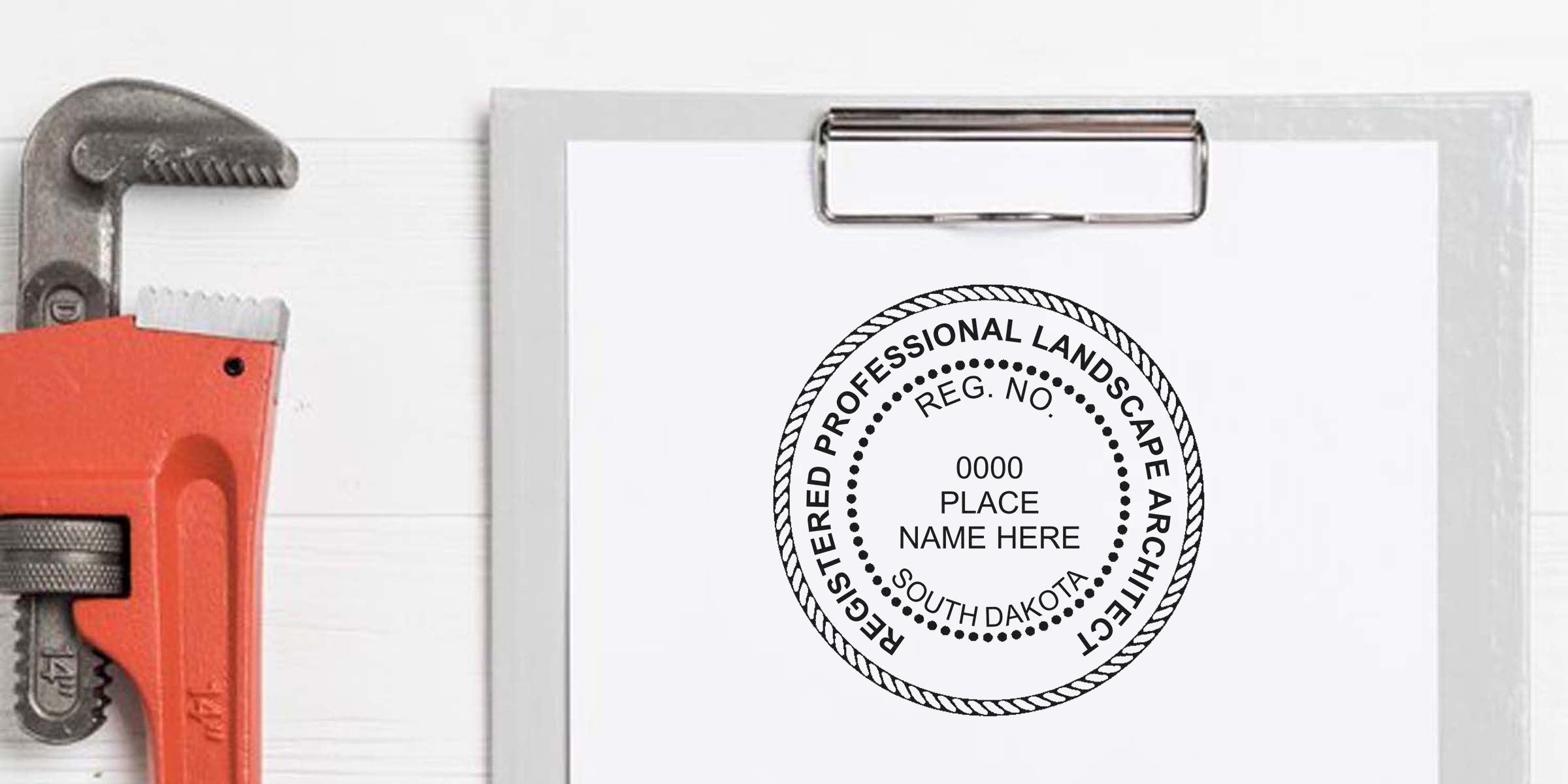
Master The Basics Of Stamp Size Requirements
If you’re looking for south dakota landscape architect stamp size specifications, you’ve come to the right place. Understanding the key guidelines for your official seal can save you a lot of headaches down the road. Think about it this way: whenever you submit project drawings or plan sets, your stamp is more than just a formal requirement, it’s a visible sign of your professional standing. Let’s dive into the must-know details, so you can make sure your seal meets all the state mandates while still looking crisp and professional.
Know The Official Regulations
In South Dakota, you’ll want to follow regulations set by the licensing board for Landscape Architects. While these standards can evolve over time, it’s generally accepted that your stamp or seal should include:
- Your name as it appears on your license
- The words “Registered Landscape Architect” or a similarly mandated designation
- Your license number
- The state name (South Dakota)
The board typically outlines specifics that address size, layout, and clarity. If you’d like more details on the official requirements, you can check out our resource on south dakota landscape architect stamp requirements. Keep their guidelines in mind when you’re ordering or updating your stamp, because failing to comply with state rules might lead to rejected documents or, in worst cases, disciplinary action.
Understand The Importance Of Dimensions
Now, let’s zero in on the dimensions themselves. The point of having a properly sized seal is to ensure that it’s legible, fits in standard document margins, and holds all the mandatory text without crowding. It’s also crucial that the stamp doesn’t overwhelm the blueprint or page. After all, you want clarity and neatness, not a seal that smudges onto other parts of your design.
Common Diameter Ranges
Based on general practice, South Dakota landscape architect stamp size specifications usually hover around:
- 1 5/8 inches (1.625 inches)
- 1 3/4 inches (1.75 inches)
- 2 inches in diameter
These sizes are popular because they strike a balance between recognizing official details and not hogging your entire sheet. That said, you’ll sometimes see rectangular seals or specialized dimensional formats. The core idea is to keep the text, lines, and state insignia readable. Double-check with the state board, because certain specialized designs might need specific wording or a slightly different dimension to be valid.
Visual Consistency Matters
If your seal is too large, it may look disproportionate or disrupt the readability of your drawings. On the flip side, a tiny stamp can be hard to read, especially when you present physical copies. Consistency in size across all your documents helps everything look polished. A well-proportioned seal typically has:
- Clearly visible license information
- Enough space between text or graphics and the circular borders
- Consistent spacing if multiple stamps are needed on the same sheet
When your seal looks uniform, your professional branding feels consistent, and project reviewers or clients have no trouble spotting the essential details.
Lay Out Your Stamp Correctly
Imagine breaking down a stamp for clarity: the top arch often states your name and “Registered Landscape Architect,” the center contains the official seal or relevant symbols, and the bottom arch usually includes the license number plus “South Dakota.” This arrangement ensures familiarity when someone reviews or signs off on your plans.
Balancing Text And Graphics
The arrangement of text and graphics can make or break your stamp’s readability. Typically:
- Position “South Dakota” in a clear location, so it’s evident that you’re licensed in that specific state.
- Use a typeface size that balances with the diameter of your seal, ensuring the letters don’t touch the border.
- Create generous spacing between words, so everything remains unmistakable on the final impression.
These small design moves go a long way toward giving your stamp a crisp, professional finish.
Double-Check Format And Spelling
Before finalizing your seal:
- Verify that your name on the stamp matches your official license. Even a small misspelling could raise questions about authenticity.
- Make sure any abbreviations (like “Reg. Landscape Arch.”) are permitted by the South Dakota board.
- Confirm your license number is correct. Transposed digits aren’t just embarrassing, they might invalidate your stamp entirely.
Why Legibility Is So Crucial
Think about how your seal ends up on your plans: scanned, copied, or even photographed. If the letters are cramped, the final image can get blurry or impossible to read. You want a crisp, high-contrast image that’s still clear when reduced to a smaller size or reprinted in grayscale. If a regulatory agency or project reviewer has to guess what the seal says, there’s a chance they’ll bounce the documents back to you.
- A clear stamp ensures quick recognition of your credentials
- Unobstructed details help maintain the professional look of your blueprint sheets
- Easy reading speeds up approval processes and helps avoid project delays
Remember, your seal is a direct reflection of the care you take in your work. A neat, organized stamp signals professionalism before anyone even reads your blueprint notes.
Factor In The Medium: Ink Or Embosser
You might be using a traditional ink stamp, a self-inking device, or an embosser that creates a raised impression. The size considerations remain the same, but each medium has unique attributes:
- Ink Stamps: Usually provide bold prints, great for color-coded or black-ink stamping. Check that the ink quality is high enough to deliver a sharp impression.
- Self-Inking Stamps: Convenient for quick stamping in a busy office. Often, you can make dozens of impressions before re-inking.
- Embossers: Give a classy, raised emblem effect. While it’s visually appealing, you’ll need to ensure embossing stands out clearly on your documents. Also, check if the state board accepts embossed seals in place of ink stamps.
No matter which method you choose, test how your stamp looks on different paper types. Paper thickness can affect whether your embossing is visible, while certain glossy papers may not absorb ink well.
Where Acorn Sales Fits In
Once you’re sure about the diameter and design requirements, the next step is finding a reliable vendor who respects state guidelines and consistently produces high-quality seals. That’s where we at Acorn Sales come in. We’ve been making stamps and seals for 60-plus years, offering tried-and-true craftmanship you can count on. Whether you prefer a handy self-inking stamp or an elegant embosser, we strive to ensure every detail meets South Dakota regulations.
Free Digital Seal Included
One of the perks of working with Acorn Sales is that you’ll get a Free Digital Seal with your purchase. This is perfect for e-filing and electronically marking your projects. Here’s why that’s a big deal:
- You still meet official standards when you submit digital plans
- Quick insertion into PDFs, saving you time on scanning and manual stamping
- Convenient for collaborative workflows if you’re working with remote clients or colleagues
By having both physical and digital versions, you’re set to handle any scenario, from traditional plan submissions to modern e-submittals.
Trusted Year After Year
We know how crucial regulated stamps are for licensed professionals. That’s why we’ve spent decades perfecting the process to give you consistent, crisp impressions every time. Our manufacturing techniques are regularly updated to match new technology and best practices:
- We use durable materials that last, even with frequent use
- We stay current on state-specific guidelines, so you don’t have to worry about compliance
- We pride ourselves on accessible customer support if you have questions or need a quick re-order
Make Sure Your Final Seal Is Approval-Ready
It’s one thing to design a great-looking stamp, but it’s another to ensure your seal is truly “approval ready.” Following these steps can help:
-
Review Board Instructions
- Stay updated with the rules from the South Dakota board. Requirements can shift, or new directives can appear.
-
Perform A Test Stamp
- Stamp or emboss on a spare sheet of the same paper stock you’ll use in official documents. Check clarity, alignment, and ink smudging.
-
Keep Extra Copies
- If you’re working with multiple projects, having multiple stamps on hand saves you time. For instance, you might want one for the office and another for field visits.
-
Label Your Stamp Storage
- Make sure each stamp is protected from dust and stored away from direct sunlight or extreme heat. Self-inking stamps can dry out if left open.
-
Prepare Digital Versions
- If you have a digital seal, embed it in some test PDF drawings to see how it displays. Zoom in to confirm that no text or symbols become illegible when scaled.
When you develop a consistent routine around stamping your documents, you’ll quickly feel confident that your seal will pass any inspection and make a positive impression on your clients.
Bringing It All Together
By now, you know the big points: find the right diameter, clarify the text layout, trust a reputable vendor like Acorn Sales, and confirm board compliance. Your stamp isn’t just another office supply, it’s a representation of your professional identity. A well-sized seal with clear lines helps your drawings look polished, while meeting every official requirement that South Dakota has in place.
So, next time you’re ready to stamp your architectural renderings or site plans, take a moment to appreciate the details: the crisp lines, the perfect diameter, and your name clearly followed by that proud “Registered Landscape Architect” designation. That tiny circle of ink or embossed impression says, “I’m a professional, and I stand by this design.” And truly, it never hurts to make a great first impression on people reviewing and approving your work.
By covering all these details, you’re better prepared and can stamp your next project with confidence. If you need more guidance, feel free to explore our checklist of south dakota landscape architect stamp requirements. Here’s to a smooth stamping process and many successful projects ahead!
Frequently Asked Questions
What is the standard diameter for a South Dakota Landscape Architect seal?
Most professionals opt for a 1 3/4-inch to 2-inch diameter. This size meets common guidelines for providing clear, legible details.
Does the state board allow embossed seals instead of ink stamps?
Usually yes, but it’s wise to confirm with the South Dakota board. Some agencies prefer ink for copying clarity, while others accept embossing if it’s sufficiently visible.
Are the words “South Dakota” mandatory on the seal?
Yes. You must identify the state to confirm that you’re licensed specifically as a South Dakota Landscape Architect. The words “Registered Landscape Architect” are also generally required.
Why do so many professionals order from Acorn Sales?
Acorn Sales has been a trusted maker for over six decades, delivering high-quality seals and stamps that meet precise state rules. You’ll also receive a Free Digital Seal, so you can handle both paper and electronic documents with ease.
Do I need to confirm the accuracy of my name or license number before ordering?
Absolutely. Double-checking your spelling and number is essential. Even a minor error can create big delays if regulatory boards reject your seal.








