
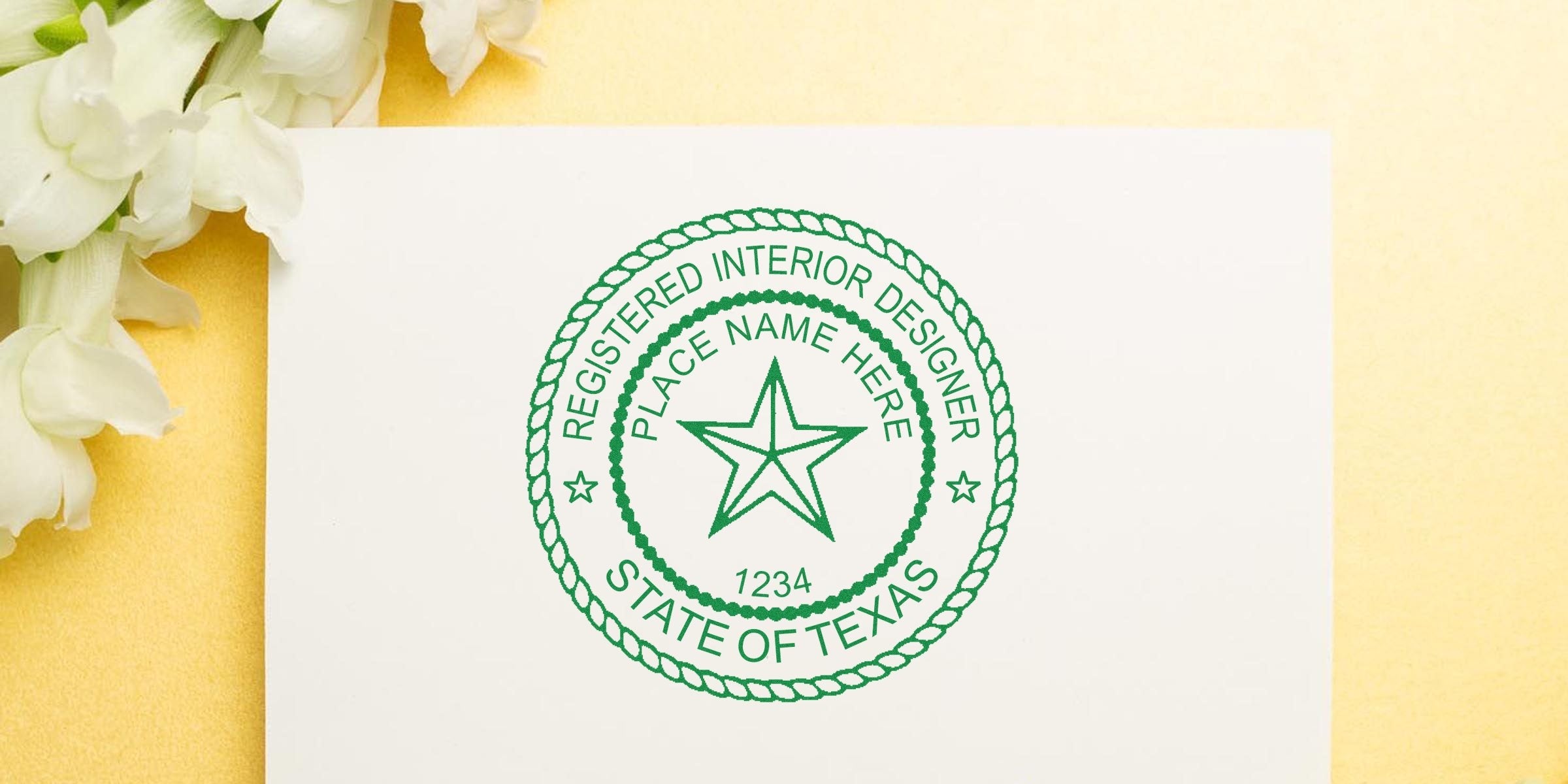
If you’re practicing interior design in the Lone Star State, you’ve likely asked yourself: “What are the Texas Interior Designer Seal Embossing Requirements?” That’s a mouthful, but understanding these regulations can save you headaches, fines, and potential project delays. You want your plans to look professional and meet every standard expected by clients, local authorities, and the Texas Board of Architectural Examiners. In this guide, we’ll walk through these requirements step by step. You’ll learn why the seal matters, how to prepare your embossing tools, and where to look for reliable products. Let’s get started.
Defining Texas Interior Designer Seal Embossing Requirements
When the state of Texas requires a professional seal, it means it wants a tangible mark of your credentials. This seal is part of ensuring public safety and establishing the legitimacy of your work. Embossing, specifically, refers to creating a raised impression in the paper, usually done with a handheld or desk-style embosser device.
- The Texas Board of Architectural Examiners typically dictates the standards for interior designer seals and stamps.
- Each seal must show your name as it appears on your official license, along with your license number.
- You typically place it on final drawings, plans, and certain legal documents required during construction or renovation work.
- Unlike ink stamps, embossed seals create a raised effect, giving documents that official finish.
So why the fuss around embossing? It signals to anyone reviewing your plans that they’re authentic, complete, and approved by an interior design professional licensed in Texas. If you skip this important step, you risk hurting both your credibility and your project’s legal standing.
Understanding Why The Seal Matters
You’re proud of your interior design work, so marking it with an embossed seal is a way of saying, “I stand by this.” This simple tool does more than apply your name. It also shows you meet standards for knowledge, expertise, and professional responsibility.
- Legitimacy: An embossed seal proves you’ve been vetted by state boards. You’re not just anyone with a tape measure and a color wheel.
- Professionalism: Clients feel more at ease when they see an official seal on submitted plans, especially for commercial projects or government contracts.
- Easy Identification: Your seal can help building inspectors and regulatory agencies recognize your role in a project.
- Legal Transparency: If any compliance questions pop up, a properly placed seal can clarify that the plans have been reviewed by a qualified interior designer.
In Texas, there’s a strong expectation that licensed professionals maintain their credentials in plain sight. You may also need to seal specific pages or drawings, which varies based on local jurisdictions. To see additional preliminary requirements, check out Texas Interior Designer Stamp Requirements for a deeper dive into the exact guidelines set by the state.
Choosing Your Embossing Tools
Selecting the right embosser saves you from hand cramps, inaccurate impressions, or fiddling with complex mechanics. Because you’ll use your seal often, it’s wise to pick a tool that’s both durable and comfortable.
Here’s what you’ll want to consider:
- ► Handheld Vs. Desk Embosser: Handheld embossers are smaller, portable, and typically easier to store. Desk embossers, on the other hand, allow you to apply greater pressure with less effort. If you have lots of sheets to stamp in a day, a desk model might be friendlier on your wrists.
- ► Impression Quality: Look for embossers made of sturdy metal, with a corrosion-resistant finish. That way, the raised design is always crisp and clear.
- ► Customizable Layout: Some professionals prefer to place their name and license number on a separate line, ensuring each aspect is legible. Make sure you communicate your preferences to your supplier when ordering.
- ► Paper Weight: Consider the thickness of the documents you’ll emboss. If you often use heavier drawing paper, a more robust embosser helps leave a clear imprint without tearing.
Whichever embosser style you choose, confirm that it follows Texas standards. The last thing you want is an illegible or partially formed seal impression. Also, keep a small folder of sample pages you’ve embossed in the past (with older or new designs) so you can quickly compare quality.
Preparing And Applying Your Seal
Using an embosser might sound straightforward. However, when you’re dealing with official plans, you’ll want to get every detail right. Here’s a quick rundown:
-
Align Your Artwork
Before you press down, make sure the seal design is facing the correct direction on your page. Double-check your name’s orientation, so the text doesn’t appear upside down on your official documents. -
Practice On Scrap Paper
You’d hate to ruin a final plan drawing because you applied the seal at the wrong angle. So try embossing a few scrap sheets first. Adjust your pressure until you get that sharp, readable impression. -
Position The Seal Appropriately
Most guidelines suggest placing the embossed seal near your title block or signature area. Confirm any special placement requirements from your local building department or the Texas Board of Architectural Examiners. -
Press Gently But Firmly
The goal is a raised image that’s easy to read. Too light, and the stamp won’t be visible. Too hard, and you might tear thinner paper, especially if you’re using cheaper drafting pages. -
Label And Date If Needed
Double-check whether you’re required to add a date next to your seal. Some jurisdictions need a date mark to demonstrate the timeliness of your final drawings. Others are fine with just the seal itself.
Think of your seal as the finishing touch. It conveys that you’ve reviewed every detail and that you stand behind the finished drawings.
Maintaining Compliance Over Time
The work doesn’t stop once you finally get your embossed seal. You must maintain compliance with new or updated regulations in Texas, and that means staying in the know.
- ► Keep Your License Current: Make sure you renew on time and update your address if you relocate your practice. An expired license means your seal is invalid, and that can derail your projects in a hurry.
- ► Track Regulatory Updates: The Texas Board of Architectural Examiners may issue policy changes that affect where or how you apply your embossed seal. A simple newsletter subscription or membership in an industry association can keep you informed.
- ► Store Tools Properly: Embossers can lose their alignment over time if dropped, bumped around, or exposed to extreme temperatures. Keep yours in a secure spot.
- ► Train Your Team: If you have junior designers or admin staff who assist with drawing distribution, teach them how to recognize when a document needs an embossed seal. This helps maintain consistent compliance in your office.
If you’re ever uncertain about a new code or rule, don’t guess. Reach out to a local official or the state board for clarity. Ensuring you’re always up-to-date protects your clients, your reputation, and you.
Acorn Sales: Trusted Since 1964
Finding a high-quality embosser in line with Texas requirements can be tricky. That’s where we suggest tapping a trusted supplier who knows the ropes. Acorn Sales has been serving interior designers, architects, and engineers since 1964. Over the decades, they’ve refined their product line and customer support to ensure you’re not just getting a tool, but a practical solution that meets state standards.
- ► Free Electronic Seal: Along with the physical embosser, Acorn Sales offers a free electronic seal. That means, on digital files, you can incorporate a seal image that aligns with state guidelines while keeping your project distribution streamlined.
- ► Customized For Texas: They know that Texas has distinct parameters. So each embosser is designed specifically to meet the state’s format and style standards.
- ► Durable Materials: Acorn Sales ensures its stamp and seal devices are built to last. You don’t want to replace them every year.
- ► Friendly Support: Confused about whether your name placement meets Texas standards? Need guidance on how to reordering if your license number changes? A quick call or email gets you the answers.
Professionals across the state have relied on Acorn Sales for consistent, crisp seal impressions and top-notch service. When you’re practicing your craft, the last thing you should worry about is whether your seal meets every nuance of the law. Let experts handle that part while you focus on designing incredible spaces.
By paying attention to these details, you’ll be well on your way to meeting every Texas interior designer seal embossing requirement. Whether you’re refreshing your current studio or setting up your practice for the first time, keep your front-end planning and compliance in check. A sturdy, state-compliant embosser will serve as your silent partner, showing that your plans are created by a licensed, responsible professional. And with a trusted supplier on your side, you can focus on what you do best—designing beautiful interior spaces that reflect your clients’ dreams.
Frequently Asked Questions
Do I Need A Separate Embosser For In-Office Vs. On-Site Work?
Typically, you can use the same embosser wherever you go. If you often travel with your tools, consider a compact handheld model. If you mostly seal documents at your desk, a desktop embosser might be more comfortable.
Can An Embossed Seal Replace Ink Stamps For All My Plans?
In most cases, the embossed seal is sufficient for official documentation, but some clients or agencies might ask for an ink stamp as well. Double-check local requirements to confirm if you need both.
Is A Digital Or Electronic Seal Considered Valid In Texas?
Yes, but it generally needs to meet the standards laid out by the Texas Board of Architectural Examiners. Acorn Sales includes a free electronic seal, which helps you stamp digital submissions more efficiently.
What If My Stamp Or Seal Details Change Down The Road?
If you get married, move, or update your license, you’ll likely need a new seal that reflects those changes. The board requires your legal name and correct license number, so it’s best to order a replacement to stay consistent.
How Can I Be Certain My Seal Is Compliant?
The surest way is to follow official guidelines from the Texas Board of Architectural Examiners and choose a reputable supplier like Acorn Sales. Their products are tailored to meet specific Texas regulations, so you’ll have peace of mind from day one.








