
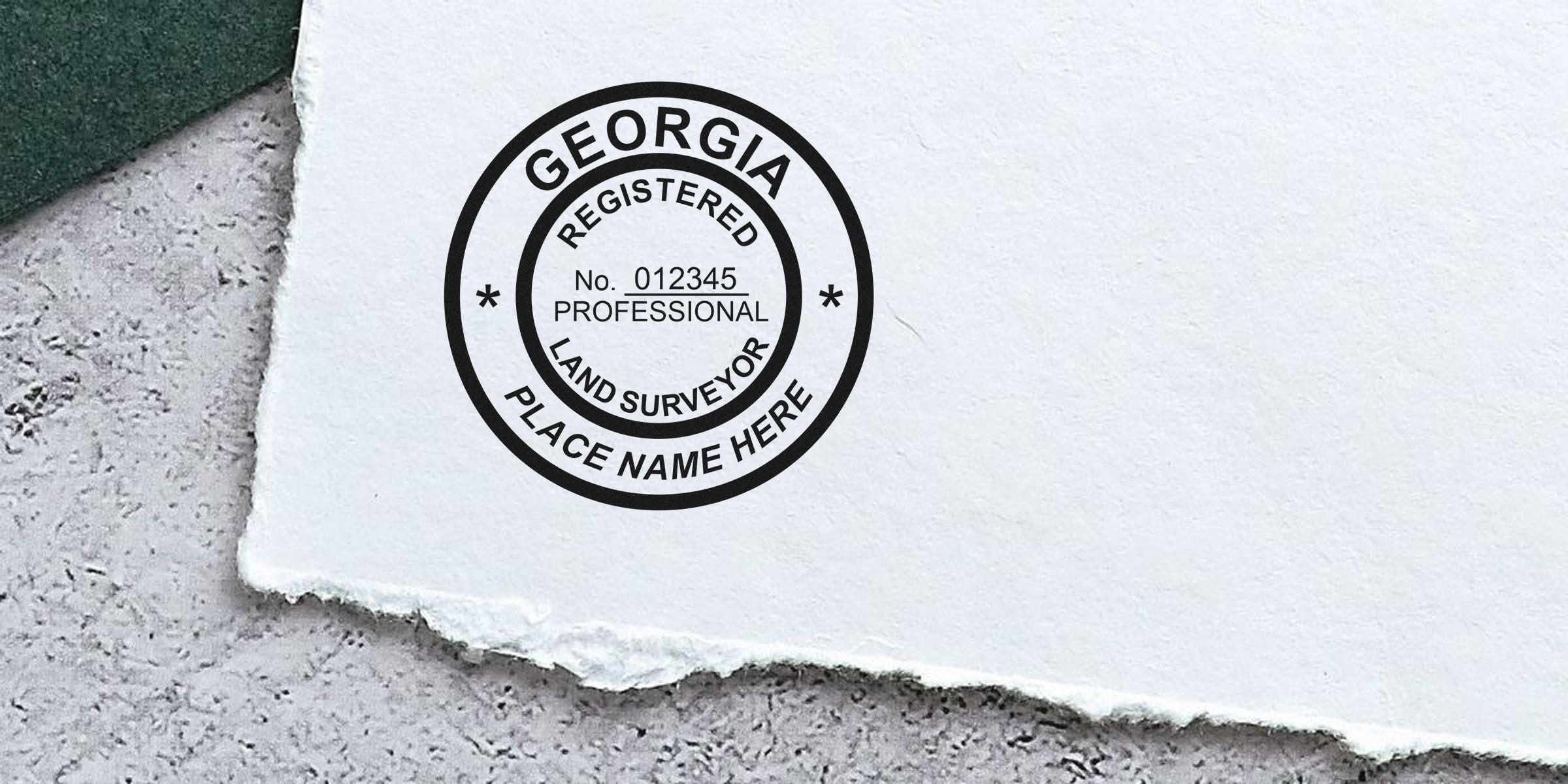
Embrace the Basics of Georgia Land Surveyor Seal Design
If you’re thinking about securing your Georgia land surveyor seal design, you’re probably wondering what it should look like and how to ensure it meets official guidelines. Your seal is more than a stamp on a document. It’s your professional badge that says, “I take accurate measurements, comply with Georgia’s requirements, and stand behind the reliability of my work.” But where do you even start?
In Georgia, land surveyor seals must follow specific design conventions set by regulatory authorities. These rules guarantee consistency, professionalism, and legal credibility for all practicing surveyors. While it may feel like an extra layer of bureaucracy, following these guidelines will protect both your reputation and your client’s interests. Let’s dig in and explore key elements that go into crafting a seal that stands out for all the right reasons.
Follow Georgia-Specific Regulations
When it comes to official credentials, each state sets its own rules, and Georgia is no exception. These regulations outline everything from who can legally produce a seal to the shape and text that appear on it. If you’re unsure about certain technicalities, you can check the georgia land surveyor stamp requirements for detailed guidelines. It’s crucial to follow these standards because any deviation could lead to compliance issues or even the need to reorder your seal.
You might run into questions like, “How large should my seal be, and what text is mandatory?” In many cases, the seal’s diameter and wording are fixed. Relocating the text or resizing the circular border might violate state board rules. So before you commit to a final design, do your homework. If you play by Georgia’s rules now, you’ll avoid costly do-overs later.
Staying compliant also helps protect you from legal setbacks. Surveying is a regulated field because your measurements can directly impact property boundaries and land assets. Skipping even a minor rule can lead to big repercussions down the line. By focusing on compliance from the start, you show clients and regulatory boards that you’re serious about delivering precise, lawful documentation.
Know the Core Elements of a Valid Seal
Most Georgia land surveyor seals share several common features. Understanding these elements will help you design a seal that looks great and meets state requirements. Think of it as a puzzle where each piece adds to the overall functionality and legitimacy of your seal.
1. Proper Identification
Your name and official license number belong front and center. Typically, you’ll place your full name around the circumference, ensuring it’s easy to read. The words “Registered Land Surveyor” or a similar phrase (depending on your license classification) often appear as well, along with the state name. Including your license number is non-negotiable, so double-check for accuracy.
2. Circular or Optional Shapes
Georgia has guidelines regarding the seal’s outline, with the circular shape being the most common choice. Some states allow octagonal or rectangular seals, but Georgia typically sticks to a circular design for clarity. If you’re considering getting creative, make sure you confirm it aligns with regulatory directives first.
3. Legible Font and Size
Font choice plays a huge role in readability. Aim for clean, professional typefaces that your future clients and colleagues can easily spot on official documents. The seal size often ranges from around 1.5 to 2 inches in diameter. That’s large enough to remain legible but small enough to fit on standard letters or maps without overwhelming the layout.
4. Official State Emblem (If Required)
In some jurisdictions, you may need to incorporate a state emblem or official seal to identify Georgia. Requirements can vary, so verify whether this is mandatory or optional. If included, the emblem should integrate smoothly without crowding other elements in your design.
Choose the Right Materials
When creating your Georgia land surveyor seal, picking the right materials can feel just as important as finalizing the layout. After all, if you’re using low-quality rubber or metal, your hard work on design won’t stand the test of time. So, which materials offer durability and a professional presentation?
- Rubber Stamps: Rubber options are budget-friendly and straightforward to use. They work well for daily stamping on paper documents, especially if you’re operating in an office setting.
- Pre-Inked Stamps: These come equipped with ink inside the stamp, creating crisp, consistent impressions. If you stamp dozens of documents a day, a pre-inked option saves you repeated trips to the ink pad.
- Embossers: If you want a raised, more official look, consider an embosser. You simply press or squeeze to impress the design onto paper, giving a tactile feel of authenticity.
- Digital Format: Beyond physical stamps, many surveyors rely on a digital seal for online documentation or PDF files. Digital seals reduce printing time and can be ideal for e-signatures.
Your choice will depend on how frequently you plan to use the seal and the environment in which you’ll use it. Rain-soaked field documents may require stamps that don’t smear, whereas office-based electronic forms work well with digital seals.
Explore Digital Seals vs. Physical Stamps
You might be curious about whether you need a physical seal, a digital alternative, or both. In the past, everything was done in print, and a physical seal was standard practice. However, the rise of digital documentation means you can now place a certified stamp on PDF forms just as easily.
Advantages of Physical Seals
Quick, straightforward stamping on paper documents
Traditional look and feel
Great for in-person meetings, where clients expect a physical imprint
Advantages of Digital Seals
Instant application to digital records
No messy ink pads
Easily maintained, updated, or replaced
Eco-friendly solution for paperless offices
Each format has its place. Many surveyors opt for both, ensuring flexibility whether they’re printing official drawings or emailing clients. Plus, Georgia’s board often welcomes digital seals, provided they meet security measures that prevent tampering.
Acquire Your Seal From a Trusted Supplier
Now that you have a good grasp on design fundamentals, it’s time to order your seal. But not all suppliers are created equal. Look for a company with a strong record in serving professional surveyors, especially in Georgia. You want a supplier that understands local rules and can give you a seal that adheres to every detail.
Acorn Sales, for instance, has been in business since 1964, working closely with land surveyors, engineers, and other licensed professionals across the country. You’ll find that they specialize in creating Georgia-compliant seals, from rubber stamps to high-quality embossers. Plus, there’s an added bonus: Acorn Sales provides a free digital seal with every order. That means you can cover both your physical and electronic documentation in one go.
Ordering from a long-standing company also means you benefit from their product knowledge and customer support. If you run into any design questions or concerns, you can reach out and get personalized help. By the time your seal lands on your desk, you’ll have confidence that it’s fully compliant and built to last.
Finalize the Layout for Professional Appeal
Once you’ve chosen a supplier, you’ll likely review a proof of your seal design. This stage is critical. Slow down, read through every word, and confirm that your spelling, license number, and design elements are spot on. Double-check alignment. Look at how the text curves inside the circle. See if you can read everything comfortably at a quick glance.
If the text feels crowded, ask whether the supplier can make adjustments to the spacing or font size. Some prefer a slightly larger design for maximum clarity. The key is ensuring your license number and name don’t become a blur on official documents. Don’t hesitate to request multiple proofs if you need them. You’ll be affixing this seal to a lot of important documents, so you want it perfect.
It also helps to envision how the seal will look on different paper types or electronic forms. If you regularly handle large site plans or boundary documents, imagine how that stamp will appear next to your scaled drawings. Consistency across your work is a hallmark of professionalism, so consider any special design or alignment details up front.
Maintain and Store Your Seal
Taking care of your seal is almost as vital as designing it. Poor maintenance can lead to blurred or uneven impressions, which may cast doubt on your professionalism. Treat your seal with the same care you’d give any other essential surveying tool.
Clean It Regularly
Wipe away any excess ink or buildup on the stamp surface. You can use a damp cloth or a specialized cleaning solution recommended by the product manufacturer.Keep It in a Case
Protect your seal from dust and accidental damage by storing it in a seal case or fabric pouch. This simple step extends the stamp’s life significantly.Refill or Re-Ink
If you picked a self-inking or pre-inked stamp, you’ll need to top it up occasionally. Follow the supplier’s instructions to avoid blotches or uneven images.Recharge Embossers
Die plates on embossers can wear out. If impressions start looking faint, investigate whether it’s time for a replacement.
By maintaining your seal, you not only keep each impression crisp, but you also uphold the professional image that your license and years of training afford. When you show clients consistent quality, it signals reliability and competence.
Use Your Seal Confidently in the Field
Picture this: You’ve just finished mapping a tricky property line, and your client is ready to see the official survey. This is where your seal shines. It adds finality and trust to all that painstaking work. So, how do you wield this tool with authority and efficiency?
Stamp or Emboss Unobstructed Areas
Make sure the impression doesn’t overlap vital data. A clear space in a corner or near the title block usually works best.Double-Check Document Versions
If you’re dealing with multiple revisions, verify that the correct version is getting sealed. Nothing sows confusion faster than mismatched stamps and drawings.Save a Digital Copy
Whenever you apply your physical seal, snap a quick photo or scan the document for your records. This is especially handy if you need to refer back to the original for any disputes or updates.
You might also consider a short tutorial for your office staff on how to handle your seal. That way, the entire team respects its proper usage. Proper training avoids mishaps like re-stamping an already sealed page or accidentally smudging crucial diagrams.
Address Common Mistakes
We all make mistakes, even after reading the guidelines. Luckily, you can steer clear of pitfalls if you know where they tend to lurk.
Ignoring License Expiration
Surveyor licenses must be renewed, and some folks forget to update the date or relevant credentials on their seal. Always keep your official status current.Unclear Design Proofs
Rushing through the proof-checking stage can lead to typos or misaligned text. A single letter off can invalidate a document.Using a Free Online Template
Generic templates might skip crucial details specific to Georgia. They can also lead to an inconsistent look or break compliance standards.Applying the Seal on Drafts
Stamping “in-progress” sketches can confuse clients. Use your seal only on finalized documents unless you note them clearly as preliminary.
A well-curated seal practice helps you avoid compliance snags and client misunderstandings. By investing some care into each step, you’ll keep errors to a minimum and maintain your professional integrity.
Maintaining both a current license and a compliant seal is the backbone of your professional practice. When in doubt, always consult Georgia’s surveying board for clarity.
Final Thoughts
Designing a Georgia land surveyor seal may feel cumbersome at first, but it’s a critical piece of your professional toolkit. By understanding the regulations, focusing on design elements like legibility and shape, and choosing top-quality materials, you’ll create a seal that does your credentials justice. Take advantage of digital options for speed, while still keeping a traditional stamp or embosser on hand for in-person sign-offs.
When you’re ready to order, consider a reputable source like Acorn Sales. They’ve been around since 1964, and they offer a free digital seal with every order, which simplifies your workflow right away. Above all, commit to maintaining and properly using your seal. It’s not just a rubber imprint, it’s your professional signature, standing for accuracy, trust, and dedication to your field. Use it with confidence, and you’ll make a lasting impression on clients and peers alike.
Frequently Asked Questions
Do I Need a Digital Seal if I Already Have a Physical One?
Georgia recognizes many forms of official seals. While a physical seal is handy for paper-based documents, a digital seal streamlines online submissions. It’s wise to have both, especially as more projects shift to electronic formats.
What Happens if I Lose My Stamp or It Gets Damaged?
You’ll need a replacement ASAP to keep your work uninterrupted. Immediately contact your supplier to reorder. Also, you might want to inform relevant authorities, especially if there’s a risk someone could misuse your lost seal.
Is My Georgia Land Surveyor Seal Valid in Other States?
Generally, each state requires its own seal and licensure. Your Georgia seal is only valid for projects and documents in Georgia. If you want to practice in another state, you’ll need to follow that state’s guidelines too.
How Do I Keep Ink From Smudging on Field Papers?
Check whether your seal is suitable for the type of paper you’re using. Waterproof ink pads or quick-dry formulas can help if you often stamp documents in rainy or humid conditions.
Is My Seal Still Valid if My License Number Changes?
Once your license number changes, you’ll need to update your seal. Using an out-of-date seal can invalidate official documents and lead to legal complications.








