
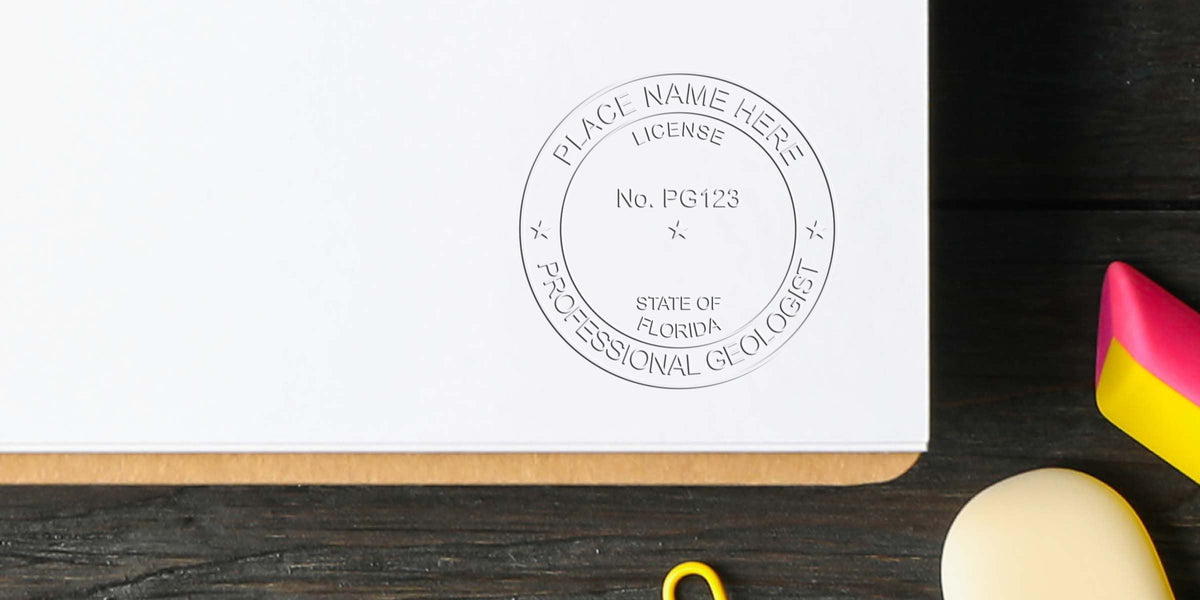
If you’re navigating Florida Geologist Seal Design for the first time, you’re probably wondering how to make sure every detail checks out. After all, your seal is more than just a rubber stamp or an embossed marking—it’s a vital component of your professional identity. In this article, we’ll explore why your geologist seal needs to meet specific standards, what those design elements typically look like, and how to ensure you’re following Florida regulations. You’ll also find practical tips on choosing a reliable supplier, taking care of your seal, and even tackling common issues along the way.
By the end, you’ll have the confidence to move forward with a design that serves your professional needs and meets all the guidelines. Let’s dive in.
Understand The Official Role
You might be curious: why does a geologist in Florida even need a seal? It’s simple. Your seal emphasizes credibility in a field that relies on accuracy and trust. When you sign off on a geological report or a consulting project, your stamped or embossed mark shows you’re formally taking responsibility for that work.
In Florida, using a seal also signals your dedication to professional ethics. Because geologists often work on projects affecting public health and environmental safety, a properly executed seal marks your work as “official,” letting clients, employers, or regulatory bodies know you’ve met the required standards. Essentially, the seal adds transparency to everything you do.
Aside from credibility, a seal is often the key to your license’s compliance rules. If you’re busy juggling client projects, it’s easy to overlook something like a stamp or embossing requirement. However, ignoring these small but vital details could lead to problems down the line (like rejected reports or even potential disciplinary actions).
The seal itself isn’t just for show, either. In many cases, Florida’s Board of Professional Geologists references that seal to confirm your license number, name, and the state you’re certified to practice in. Having the correct design keeps your documentation clean, official, and ready for scrutiny whenever the need arises.
Identify Key Design Elements
Before you finalize your seal, you’ll want to know what typically shows up in its layout. Although specific rules may vary, most Florida geologists are required to include:
- Your name as it appears on your license
- Your professional title or abbreviation such as “P.G.”
- Your license number
- The words “State of Florida” or similar phrase indicating jurisdiction
- A circular or rectangular border (depending on preference or state stipulations)
These elements aren’t merely decorative. Each piece of text, from your name to the state reference, carries weight. The font usually needs to be legible, and the seal’s diameter or dimensions may be outlined in the state’s guidelines. If you want a detailed rundown of what’s required, you can check out the Florida Geologist stamp requirements. It’s a quick read that can save you headaches later.
Common Layout Versions
Depending on your personal taste or how official you want the seal to look, you might choose:
- A circular seal, which is popular for its visually balanced appearance.
- A rectangular seal, which sometimes fits neatly on official documents or forms with limited space.
- An embossed design, which offers a raised impression for a professional finish.
Each layout signals your license details instantly, so it’s not just an afterthought. It can influence how official your stamp or embossing appears on the page.
Meet Florida Regulatory Standards
Meeting Florida’s regulatory standards is not just about making sure your seal includes certain words. You also need to consider the placement of your seal on documents and how it pairs with your signature. Typically, Florida expects the seal to appear near the signature block, so all relevant information—your name, your license number, and the seal itself—lines up clearly.
Moreover, you might find the state’s regulations specify when a seal is required. Some projects or reports may need a stamp on every page, while others only call for it on the final page. The key is to verify which approach applies to your work category. This step alone can help you avoid potential rejections.
Tips For Consistency
- Use the same design for all stamped documents, ensuring continuity.
- Always double-check that the license number on the seal matches your current certification.
- Keep a digital and printed copy of your updated license handy for quicker validation.
If the rules ever feel a bit confusing, don’t hesitate to reach out to the Florida Board of Professional Geologists or consult official guidelines. Doing so can save a lot of back-and-forth in the long run.
Choose Your Stamp Or Seal Option
Once you know what your seal must include, the next big question is: how do you want it to look on paper? Some geologists swear by a self-inking stamp, while others love the professional polish of an embossing seal.
Here’s a quick comparison table to help you decide:
| Option | Key Feature | Pros | Cons |
|---|---|---|---|
| Self-Inking Stamp | Built-in ink pad | - Quick, clean impressions | - Ink can dry out |
| Pre-Inked Stamp | Oil-based ink reservoir | - Crisp, dark markings | - Requires re-inking eventually |
| Embossing Seal | Raised imprint | - Highly professional look | - Harder to replicate digitally |
| Hand Stamp + Pad | Separate ink pad | - Flexible ink choice | - Slower stamping process |
Each type has its benefits. If speed is your top priority, a self-inking or pre-inked stamp is likely your best friend. But if you frequently submit physical copies that must look extremely official, an embossed design might be ideal.
Find The Right Supplier
Getting your seal or stamp is more than picking out a design online. You’ll want a manufacturer that understands Florida’s guidelines for geologists, so you don’t end up with an unusable product. The perfect supplier should:
- Know Florida’s specific text and layout requirements
- Offer customization (for your name and license number)
- Provide durable materials (to ensure longevity)
- Deliver digital proofs so you can confirm everything’s correct
At Acorn Sales, we’ve been a trusted supplier of professional marking devices for over 60 years. Our team offers Florida-compliant geologist stamps and seals with fast turnaround times. You can even get a free digital seal included with your purchase, which is hugely convenient for electronic documents. When you’re balancing multiple projects, having a single reliable source for both physical and digital impressions can be a lifesaver.
Why Trust Acorn Sales
- Decades of experience crafting stamps for licensed professionals
- A clear focus on state regulations, including Florida’s rules for geologists
- Customizable design options to match your personal preferences
- High-quality production techniques that keep your seal crisp and legible
When you work with a supplier that specializes in state-approved seals, you cut down on guesswork and reduce the risk of non-compliant designs.
Maintain And Use Your Seal
So, you’ve chosen a design, found a reputable supplier, and placed your order. Congratulations! But ordering the right stamp or embossing device is only half the battle. The real trick is keeping your seal in prime condition and using it effectively.
Stamping Best Practices
-
Test Your Impression
Always do a test stamp on scratch paper before you touch official documents. This helps you confirm ink levels and alignment. -
Store It Safely
Keep your stamp or embosser in a protected case or a drawer that’s away from direct sunlight. Long exposure to heat or UV rays can wear down your device. -
Replenish Ink Regularly
A faded seal impression is hard to read and might be considered invalid. If you use a pre-inked or self-inking stamp, restock ink whenever you notice a lighter imprint. -
Double-Check Document Requirements
Certain reports might only be valid if you place the seal in a specific spot. Don’t forget to glance at the guidelines each time. -
Maintain A Backup
Especially if stamping is part of your regular workflow, having a spare seal can save the day whenever your primary device wears out or runs dry unexpectedly.
Digital Seal Tips
If you opt for a digital seal, make sure you store it securely on your computer or in an encrypted folder. You don’t want people accidentally (or intentionally) copying it. Treat your digital seal with the same care as your physical one, because it carries the same professional weight.
Final Thoughts
Securing the right geologist seal is as crucial to your profession as the scientific insights you bring to each project. A well-executed design not only reflects your commitment to the truth but also safeguards you against compliance hiccups. It’s all about matching the correct layout, verifying regulatory standards, and leaning on a trusted supplier to get the job done properly.
From ensuring your name and license number are legible to choosing between an ink stamp, embossing seal, or both, every decision has real-world implications. If you ever get stuck, visiting the Florida Geologist stamp requirements can provide clarity or serve as a quick compliance refresher. Remember to keep your seal in good shape, store it carefully, and re-ink or repair it whenever necessary.
Whether you’re brand new in your practice or a seasoned geologist looking to upgrade your professional tools, a correctly made seal frees you up to focus on what really matters: delivering top-notch geological expertise. With a reliable partner like Acorn Sales and a well-thought-out approach, you’ll have everything you need to master your Florida Geologist Seal design and confidently place your professional mark on any document that asks for it.
Frequently Asked Questions
Do I have to display my license number on the seal?
Yes, in nearly all Florida cases, your license number is a critical component on the seal. It verifies that you’re actively licensed and practicing geology in the state.
Where should I position the seal on a report or plan?
Florida guidelines often call for placing the seal near your signature block, typically on the bottom of each final page. Always confirm with the project’s requirements to avoid layout issues.
Can I use an electronic seal instead of a physical one?
Many geologists now use digital versions for electronically submitted documents. However, check if the agency or client allows digital seals in lieu of physical stamps. You might need both, depending on the scenario.
What if my seal impression is faint or distorted?
In that case, re-ink your stamp or adjust your embosser’s pressure. Some quick maintenance, like refilling ink or tightening an embossing plate, usually solves the problem.
Why should I choose Acorn Sales for my seal?
Acorn Sales offers products specifically designed to meet Florida guidelines, delivers a free digital seal with your order, and uses high-quality materials for longevity. With 60-plus years in the industry, you’ll get a reliable seal that keeps your professional documents looking sharp.








