
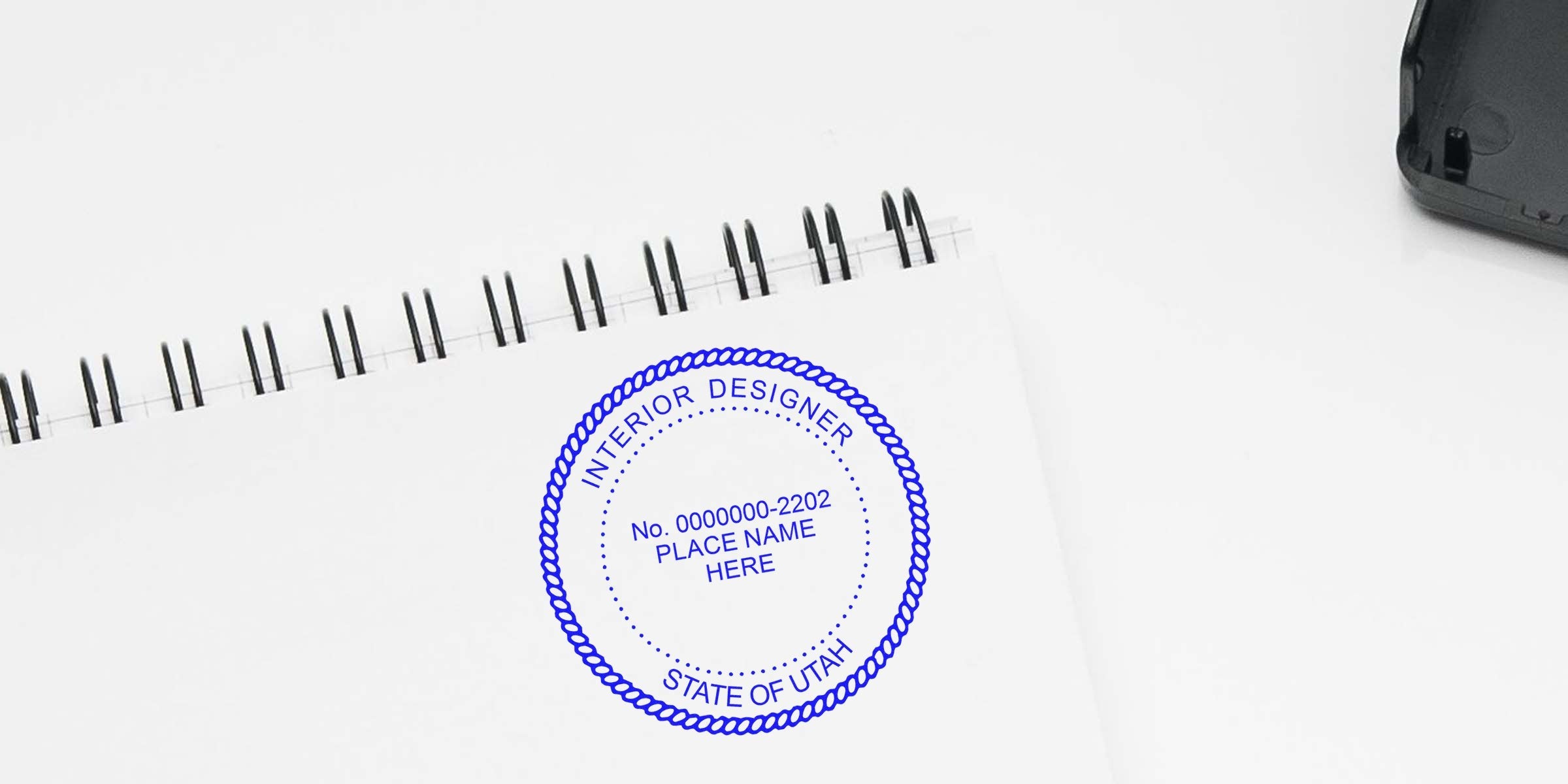
If you’re stepping into the world of Utah interior design, there’s a good chance you’ll need to understand the ins and outs of Utah interior designer seal specifications. While the specific rules may sound a bit dry, they’re simpler than you might think once you know what’s what. By following the right steps, you’ll be on your way to confidently stamping or sealing your projects with professional credibility. Ready to dive in? Let’s explore the essential guidelines you should know and how to put them to work.
Recognize Utah Interior Design Rules
Before you invest time and money in ordering a seal, it’s helpful to nail down the general requirements that Utah sets out for interior designers. In most cases, you’ll need to hold valid credentials that prove you’ve met the state’s licensing standards. These rules protect both you and your clients by making sure anyone who officially stamps design documents is qualified to do so.
- Utah’s Administrative Codes often outline any licensing requirements in detail.
- Some rules may vary depending on your specialty, like residential versus commercial interior design.
- You’ll want to double-check whether you need continuing education credits to keep your license active.
If you’re curious about exact licensing protocols, you can also explore utah interior designer stamp requirements for additional guidance on the stamping side of things.
Clarify The Seal’s Purpose
So, why does Utah (and many other states) require a specialized seal or stamp for interior designers? Here’s the thing: the official seal works as a clear identifier of your professional standing. It lets clients, contractors, and government agencies know that you’re authorized to design safe, functional, and code-compliant spaces.
- A seal affirms that your design documents meet state regulations.
- It differentiates qualified interior designers from hobbyists.
- Stamped plans build trust and reduce potential legal issues down the line.
Picture it as your professional signature, giving each drawing or specification your stamp of approval (pun intended).
Meet Utah Seal Specifications
When it comes to Utah interior designer seal specifications, you’ll generally find requirements about layout, size, wording, and even the color of your stamp ink. While exact details can vary, here are a few common elements to know:
| Element | Typical Requirements |
|---|---|
| Seal Size | Often 1 ⅝ to 2 inches in diameter |
| Required Text | May include your name, license number, and “Interior Designer” |
| Border | Single- or double-ring circle (check current state guidelines) |
| Ink Color | Typically black or blue; some offices may allow other colors |
You should confirm that your seal is legible at various scales. If it’s too small, plan examiners might reject your documents. In contrast, a seal that’s too large could raise eyebrows for non-compliance. Double-check dimension specifics from the Utah licensing board or from an experienced supplier like Acorn Sales.
Follow Steps For Certification
Once you’ve familiarized yourself with the technical details, it’s time to move forward with actually getting your seal. Here’s a concise roadmap:
-
Submit License Application
- If you haven’t already, send in your paperwork to Utah’s licensing board.
- Await official approval of your interior designer credentials.
-
Confirm Seal Requirements
- Check the most updated guidelines on seal design and format. The rules may change over time, so even if you read them a year ago, it pays to verify again.
-
Order Your Official Seal
- Decide on a trusted vendor who specializes in professional stamps and seals.
- Make sure they offer customization for your name and license number.
-
Get the Right Software (If Needed)
- Many designers also create or apply eSeals to digital documents.
- Look into PDF editing programs or design software that let you place your electronic seal accurately.
-
Start Stamping Your Documents
- Once your order arrives, test it to confirm clarity.
- Practice on scrap paper or a test file for digital seals if you’re using eSeal software.
As you run through these steps, you might also want to keep a record of your seal use. That way, if an agency or client questions any document, you can readily verify it was legitimately sealed.
Identify Common Pitfalls
Even if you’ve memorized every bullet point in the Utah interior designer seal specifications, there are still a few common missteps that catch designers off guard:
- Using an Outdated Seal: Rules can shift. If you got your stamp several years ago, it might be worth checking if the state has updated official text or layout requirements.
- Placing the Seal Incorrectly: Some design boards have guidelines on where the seal should appear on the page (common spots include title blocks or near your signature line).
- Forgetting Electronic Compliance: If you’re stamping digital files, ensure your eSeal or eStamp meets the same standards as your physical seal. Some eSeals must be certified with specific software for them to be valid.
By avoiding these pitfalls, you’ll keep your projects on track and your paperwork squeaky clean.
Rely On Acorn Sales
Wondering where to get a seal that meets Utah’s regulations? Look no further than Acorn Sales. We’ve been in business since 1964, providing reliable stamps and seals to professionals nationwide. Our team stays up-to-date with state guidelines so you can rest assured you’re purchasing a product that’s compliant.
- Free Electronic Seal: With every physical seal purchase, we include a free eSeal, so you’re covered for both paper and digital documents.
- Quality Construction: Our stamps and embossers are made to last, so you don’t have to fuss with replacements every few months.
- Fast Turnaround: We know you’ve got deadlines. We pride ourselves on quick processing and shipping so you can get back to your design projects without delays.
Feel free to check with us if you need clarifications on anything from redesigning your seal to learning about your state’s inner workings. We’re always happy to help.
Use Your Seal Correctly
Having your official seal is only half the story. Using it effectively is just as important. Here are a few pointers:
- Test Before Finalizing: Always do a quick stamp test before sealing important documents. Make sure every letter and number is readable and that you’ve lined it up properly.
- Know When to Seal: Some documents may not require a seal. For example, preliminary sketches or proposals might not need that final stamp. But anything labeled as “official,” “contract,” or “construction documents” usually does.
- Store It Securely: Keep your physical stamp in a locked drawer or safe place. Treat your electronic seal files with equal care, using password protection or encryption.
- Maintain Records: Set up a simple logging system if you handle multiple projects. You’ll want to track which documents you've sealed and on what date.
When you take these precautions, you reinforce your commitment to professional standards and ensure your seal remains a trusted emblem.
Feel free to keep this guide handy as you move forward with your Utah interior designer practice. By locking in your seal correctly, you’ll show clients and regulators that you’re both prepared and professional. And if you ever need support, Acorn Sales is here to help with orders or questions on everything from layout details to shipping times. Happy designing!
Frequently Asked Questions
Do I Need Both a Physical Seal and an Electronic Seal?
You might. Many agencies still request hard copies with a raised or stamped seal, especially for archived documents. On the other hand, Utah increasingly accepts digital drawings sealed with an eSeal. If you work primarily online, that eSeal comes in handy. At Acorn Sales, we include a free eSeal when you purchase a physical stamp so you can cover both scenarios.
What If I Plan To Work in Multiple States?
Each state lands on its own set of rules and design parameters. While your Utah seal won’t work in, say, California, you can often order multiple state seals from the same supplier. Just be sure you comply with each location’s licensing guidelines before using a new stamp.
Can I Personalize the Seal’s Design?
Usually, you can’t stray too far from the standard layout. Utah regulations generally demand specific text (like “Licensed Interior Designer” or your license number) and an official border. However, there may be some room for layout variations, such as single vs. double rings. Your best bet is to confirm what’s permissible before customizing.
Does the Seal Expire or Need Renewing?
The seal itself doesn’t “expire,” but your license does. If your license lapses, you can't legally use your stamp or seal. Once you renew your license, you can pick up where you left off. Just make sure you keep your personal contact and license details up to date.
How Quickly Can I Replace a Lost or Damaged Seal?
If you misplace your seal, it’s wise to contact both the licensing board and your stamp provider right away. Acorn Sales can typically recreate your seal using your existing approved design. That said, you should hold off on stamping documents until your replacement arrives to stay compliant.








