
Written by Acorn Sales Company, manufacturing stamps and seals since 1964 · Reviewed by Holly R, VP of Sales and Marketing at Acorn Sales, against the Montana Board of Professional Engineers and Professional Land Surveyors, within the Business Standards Division of the Montana Department of Labor and Industry and Mont. Code Ann. § 37-67-314(2) on 21 September 2026 · Updated 21 September 2026
The number on your Montana license certificate is not the number that belongs on your stamp. The board’s own FAQ spells out the mismatch: a licensee whose certificate reads PEL-PLS-LIC-99999 should have a seal that reads, in the board’s worked example, Jon Doe, Montana, Professional Land Surveyor, 99999 PLS. The FAQ says plainly that this short form is different from the PEL-PE-LIC-##### form on the certificate issued by the Department, but is appropriate for a seal. Photograph the wall certificate, send it to an engraver, and you get a die that has to be remade.
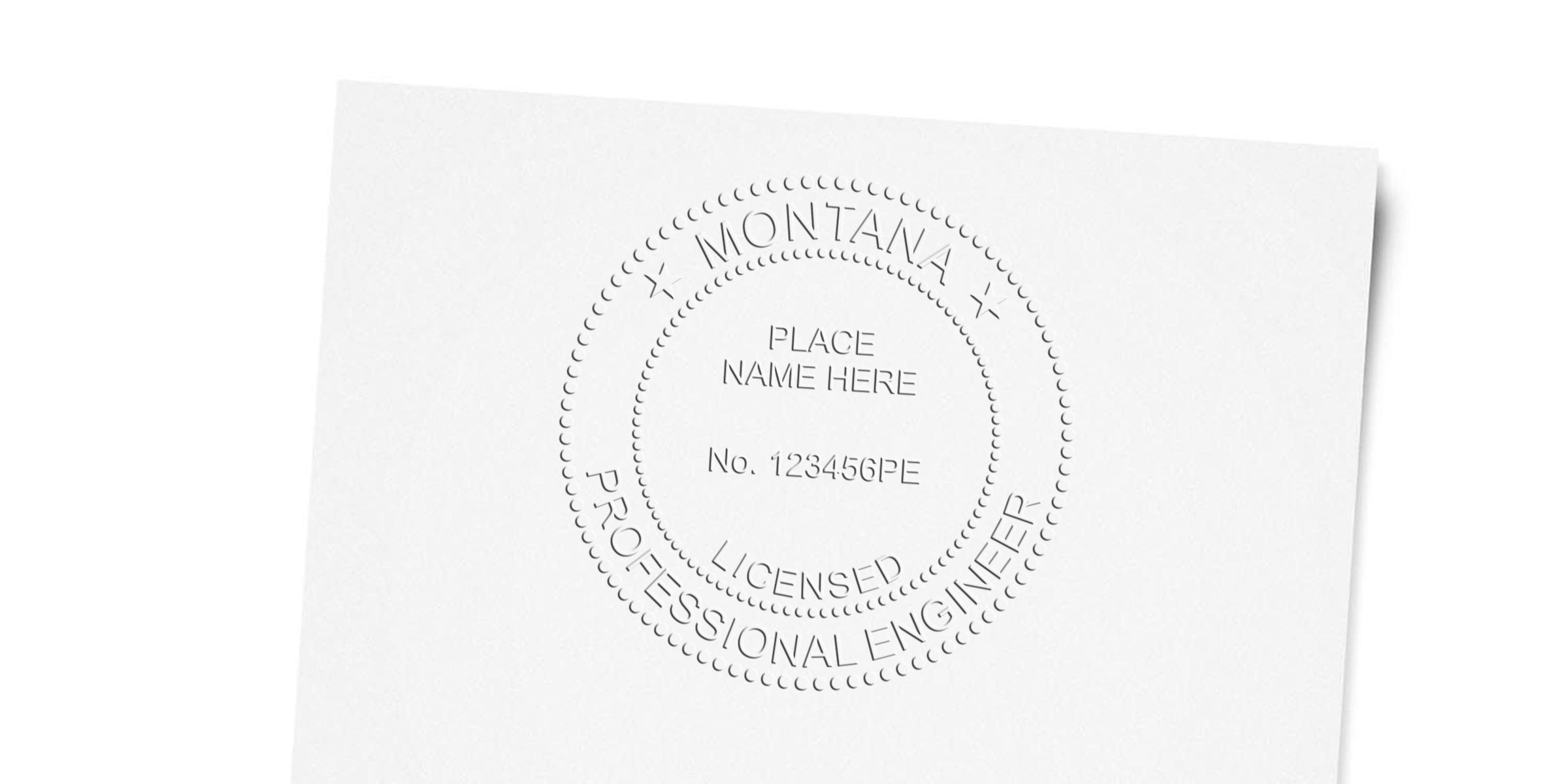
Four things go on the face, per that same FAQ: your first and last name, the word Montana, the applicable title (Professional Engineer, Professional Land Surveyor, or Professional Engineer and Professional Land Surveyor), and the license number in short form, digits first and then the suffix. PE for a professional engineer, PLS for a professional land surveyor, ES for the dual credential. Confirm the suffix against the title line, because the board ties them together.
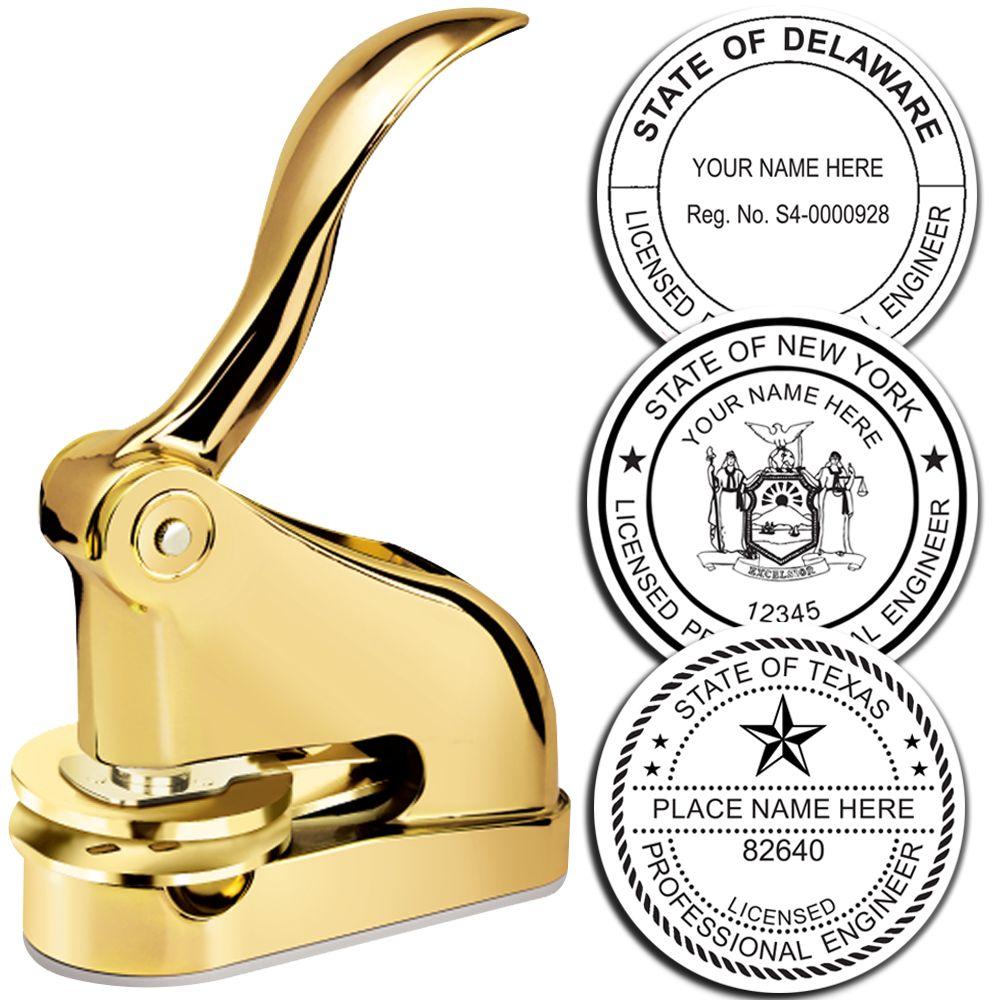
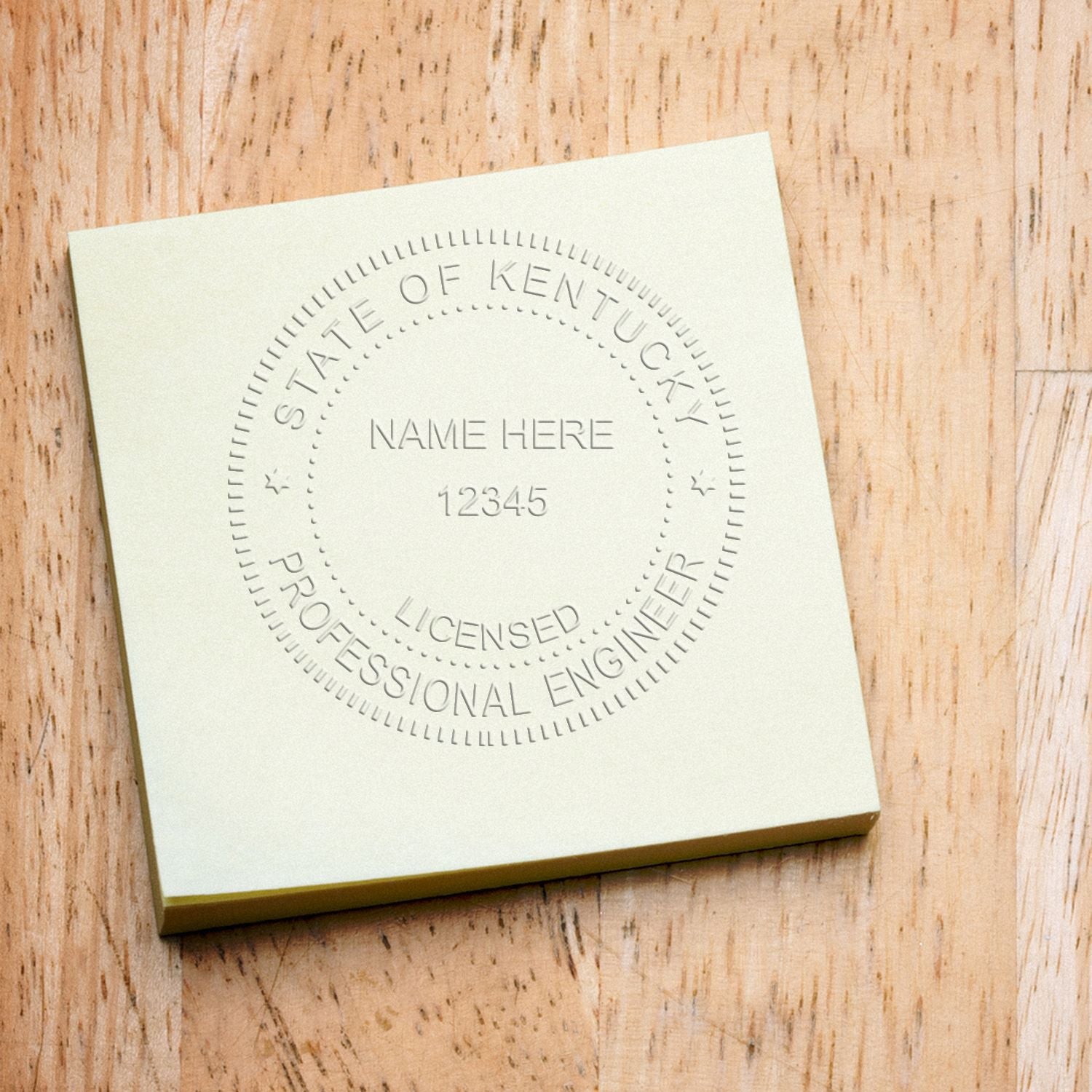
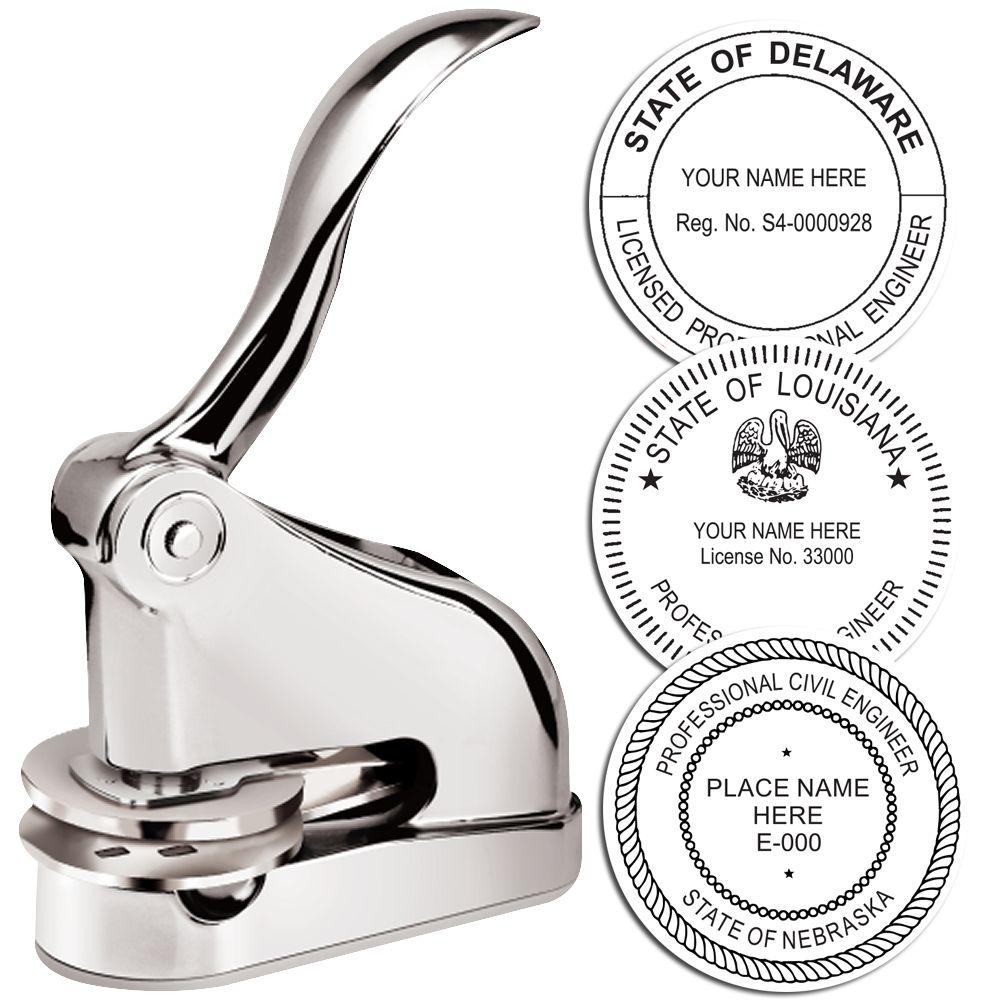
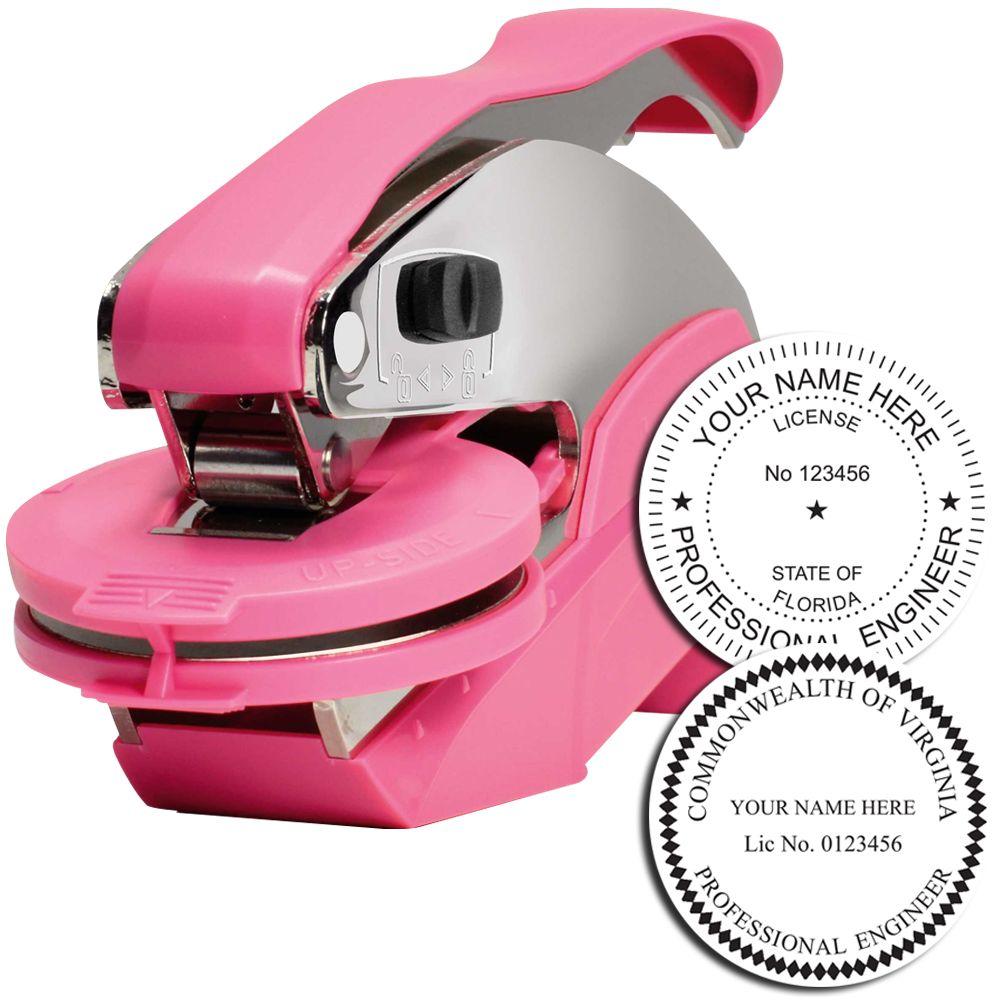
Now the part most pages will not tell you. Montana’s seal geometry is unverified. Mont. Code Ann. § 37-67-314(2) says only that the seal is of a design authorized by the board and prescribes no dimension. The detail is in board rule ARM 24.183.511, which the board’s FAQ names as the rule on the form and use of seals. That rule text could not be read: rules.mt.gov serves an interactive human-verification challenge on both its legacy and current paths, and the mtrules.org mirror presents a certificate that does not match the hostname. The board’s own site, including its administrative rules page, rule notices, statutes page and every posted rulemaking notice PDF, does not reproduce 24.183.511. So size, permitted devices and electronic seal rules are open questions here, and a neighboring state’s specification is not a substitute. Acorn cuts this seal to 2 inches, the same plate we cut for Montana land surveyors on this board and the largest device we make for any engineering board. That is our production record rather than a Montana rule; ARM 24.183.511 is not published in readable form.
Montana PE seal requirements at a glance
| Requirement | Montana rule | Source |
|---|---|---|
| Seal required | Yes | Mont. Code Ann. § 37-67-314(2) |
| Required elements | Your first and last name; The word Montana; The applicable title: Professional Engineer, Professional Land Surveyor, or Professional Engineer and Professional Land Surveyor; Your license number in short form, such as 99999PE, 99999PLS, or 99999ES | Montana Board of Professional Engineers and Professional Land Surveyors, published FAQ, What makes for a valid Seal or Stamp in Montana |
| Size and shape | Acorn cuts this seal to 2 inches, and that is a production record rather than a published rule. | Acorn Sales production record, Montana professional engineer seal |
| Device allowed | Not addressed in any source we could obtain. | ARM 24.183.511 (not published in readable form) |
| Signature and date | The statute requires all three acts and says nothing about placement: “The licensee shall sign, date, and seal professional or technical documents.” Whether the signature must cross the face of the seal or may sit adjacent to it, whether an original wet signature is required, and whether the date is the signing date or a seal date are not addressed in the statute and would be in ARM 24.183.511, which is unreachable. | Mont. Code Ann. § 37-67-314(2), (4) |
| What must be sealed | Statutorily, “professional or technical documents created in the practice of professional engineering or professional land surveying.” That phrase is broad and carries no draft, preliminary, or industrial carve-out on its face. | Mont. Code Ann. § 37-67-314(2) |
| Electronic seal | Not addressed. | ARM 24.183.511 (not published in readable form) |
| Renewal and lapse | Expiration is the bright line. | Mont. Code Ann. §§ 37-67-314(4), 37-67-329 |
| Firm number on documents | A certificate of authorization is required, but only for entities registered with the Secretary of State. | Mont. Code Ann. § 37-67-328 |
| Licensing board | The Montana Board of Professional Engineers and Professional Land Surveyors, within the Business Standards Division of the Montana Department of Labor and Industry | Montana Code Annotated 2025, Title 37 chapter 67, Engineers |
Rules for other states are on PE stamp requirements by state.



Is a seal required in Montana?
Montana requires a seal Montana states the duty in one short statutory sentence and leaves everything else to the board. Under Mont. Code Ann. § 37-67-314(2), each licensee may on licensure obtain a seal of a design authorized by the board, and then: “The licensee shall sign, date, and seal professional or technical documents created in the practice of professional engineering or professional land surveying.” There is no statutory list of triggering documents, no client-or-agency test, and no draft exemption in the statute. The detail sits in board rule ARM 24.183.511, which the board's own FAQ identifies as the rule “regarding the form and use of seals.” That rule text could not be retrieved; see the size and form slots.
What must appear on the seal
- Your first and last name
- The word Montana
- The applicable title: Professional Engineer, Professional Land Surveyor, or Professional Engineer and Professional Land Surveyor
- Your license number in short form, such as 99999PE, 99999PLS, or 99999ES
The board's published FAQ gives the content list and one worked example, and adds nothing optional. It does not mention a discipline line, an expiration date, or a state outline, and it does not prohibit them. The item that catches buyers is the number format, covered in the quirk below. The FAQ points to ARM 24.183.511 for form and use, so any further permitted or prohibited element would live there; that text is a named gap.
Size and shape
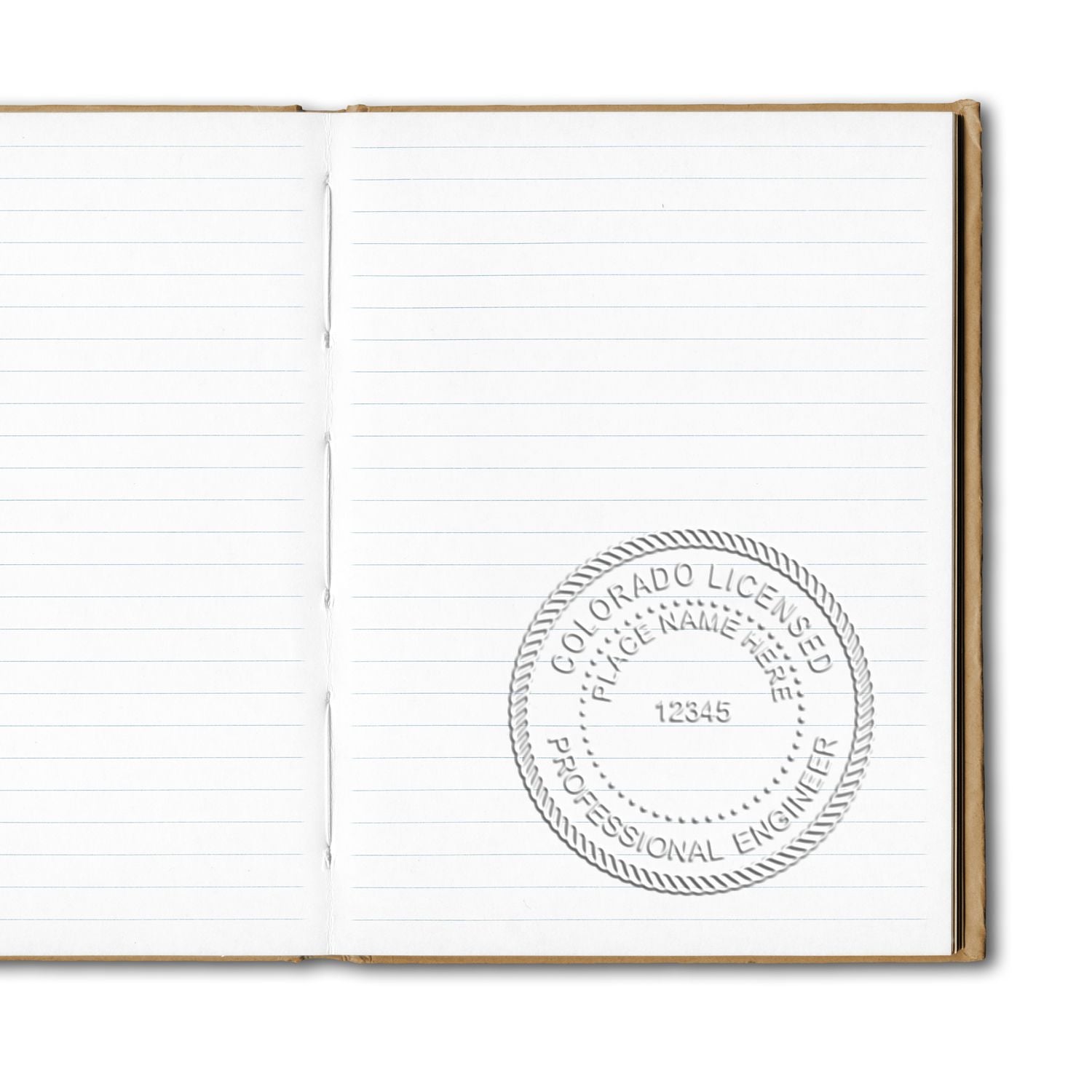
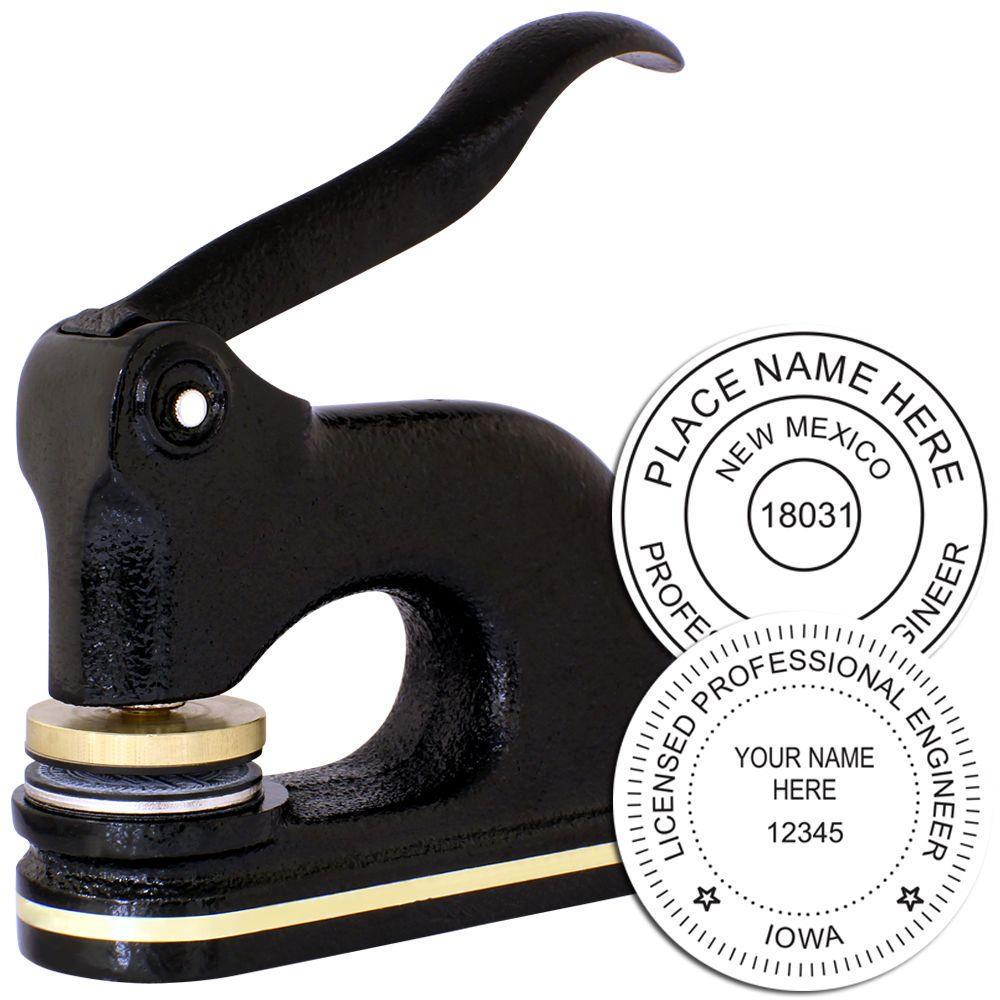
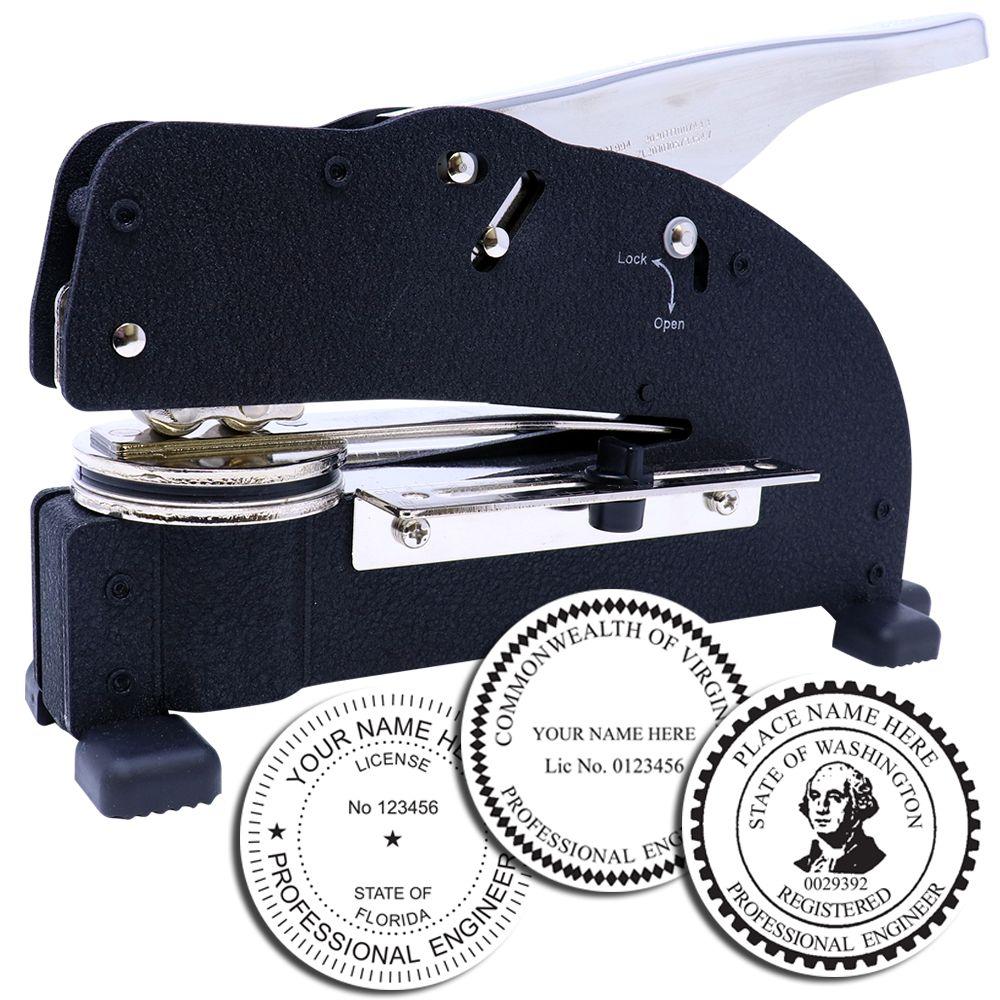
Acorn cuts this seal to 2 inches, and that is a production record rather than a published rule. The state publishes no dimension, so the figure below is what we make and ship for Montana licensees rather than something you can point a reviewer at. That is the same 2 inch plate we cut for Montana land surveyors, who sit on this board, and it is the largest device we make for any engineering board. ARM 24.183.511 would be where a stated dimension lives, and it is not published in readable form. What the state publishes: Mont. Code Ann. § 37-67-314(2) states only that the seal is “of a design authorized by the board” and prescribes no dimension. The dimension, if one exists, is in ARM 24.183.511. That rule could not be read: rules.mt.gov, the Montana Secretary of State's administrative rules site, serves an interactive human-verification challenge on both its legacy /gateway/ path and its current /browse/ paths, and the challenge we do not click through; the legacy mirror at mtrules.org and www.mtrules.org presents a certificate that does not match the hostname, which was not bypassed. Also checked, without result: the board's own site at boards.bsd.dli.mt.gov, including its administrative rules page, rule notices page, statutes page, FAQ, and every PE board rulemaking notice PDF posted there, none of which reproduces 24.183.511; and sosmt.gov, which only links back to rules.mt.gov.



Embosser, rubber stamp or digital
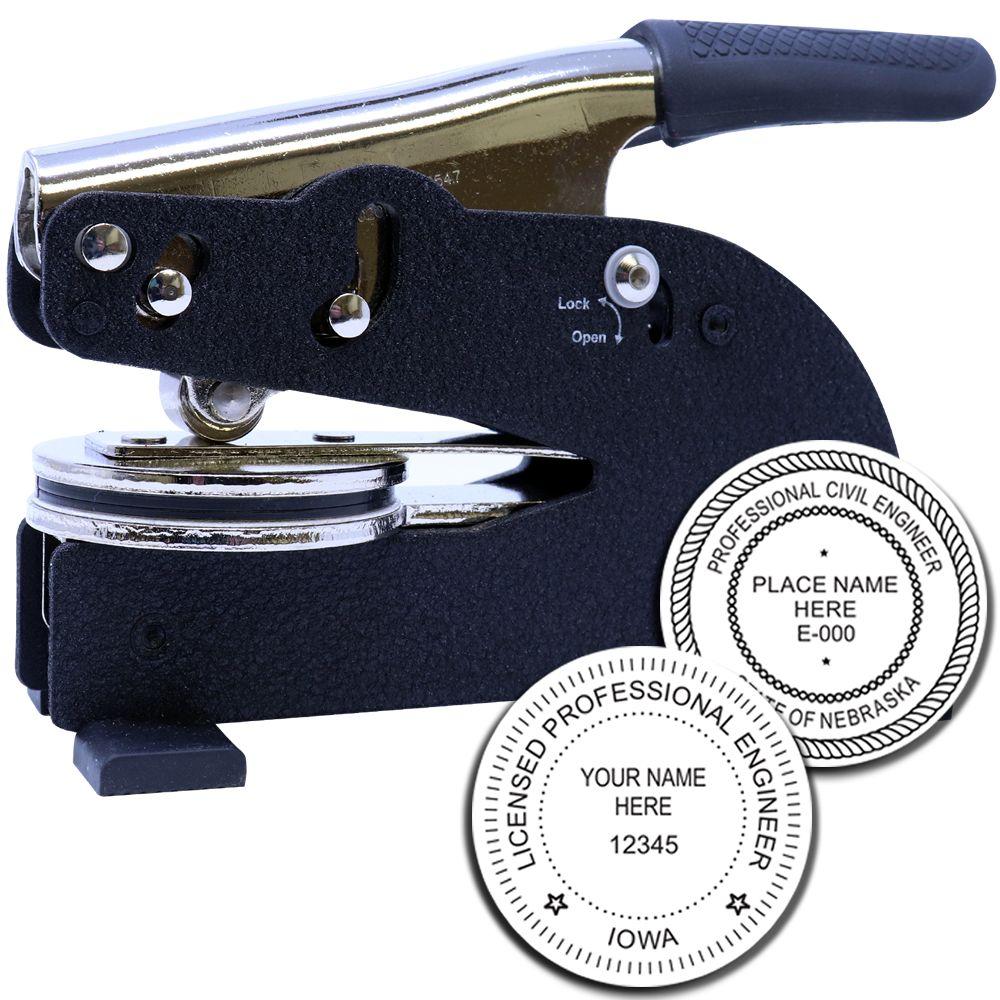
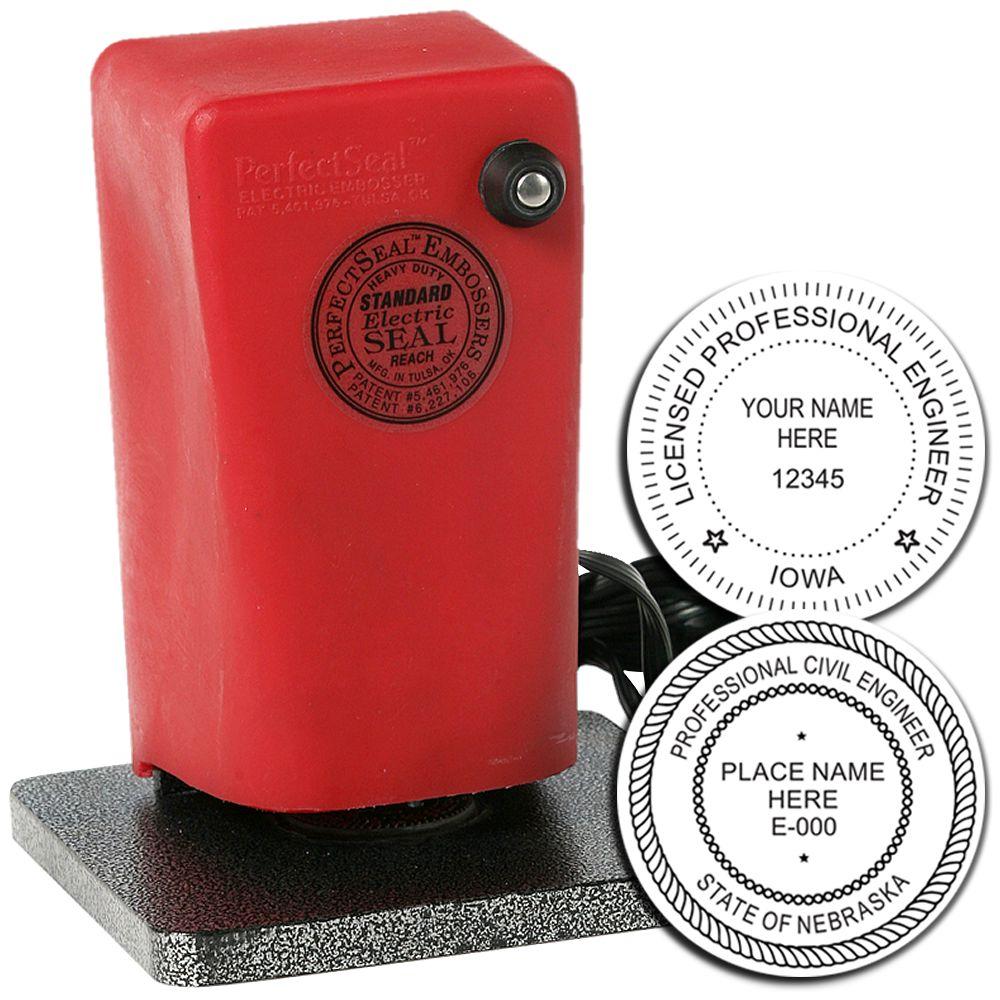
Not addressed in any source we could obtain. The statute names no device at all, saying only that the seal is of a design authorized by the board. The board's FAQ describes required content but lists no permitted devices. Embossed, rubber stamp, and electronic are all plausible and all unverified for Montana. Whether a licensee may use an embosser alone, and what Montana requires of an electronically produced seal, are both in ARM 24.183.511, which is unreachable as described in the size slot. Do not assume the NCEES model language applies here.
Signing and dating
The statute requires all three acts and says nothing about placement: “The licensee shall sign, date, and seal professional or technical documents.” Whether the signature must cross the face of the seal or may sit adjacent to it, whether an original wet signature is required, and whether the date is the signing date or a seal date are not addressed in the statute and would be in ARM 24.183.511, which is unreachable. Section 37-67-314(4) supplies the one clear prohibition: it is unlawful for a licensee whose license has expired to sign or seal any professional or technical document or to be in responsible charge of a project.
The number on the Montana license certificate is not the number that belongs on the stamp
Montana issues license numbers in a long department format. The board's own FAQ spells out the mismatch: a professional land surveyor whose license number reads PEL-PLS-LIC-99999 on the certificate should have a seal that reads, in the board's example, Jon Doe, Montana, Professional Land Surveyor, 99999 PLS. The FAQ says plainly that this format is different from the PEL-PE-LIC-##### form seen on the official license certificate issued by the Department, but is appropriate for a seal.
This is the single most common way a Montana order goes wrong. A licensee photographs the wall certificate, sends it to a supplier, and the supplier faithfully engraves PEL-PE-LIC-12345. The result is a stamp that does not carry the number in the form the board describes, on a die that now has to be remade.
Take the short form: digits first, then the suffix, PE for professional engineer, PLS for professional land surveyor, ES for the dual engineer and surveyor credential. Confirm the suffix against the title line, because the board's content list ties them together. And note what is not resolved here: the board's FAQ covers content and points to ARM 24.183.511 for form and use, so size and device type remain unverified for Montana and should not be filled in from a neighboring state.
Which documents must be sealed
Statutorily, “professional or technical documents created in the practice of professional engineering or professional land surveying.” That phrase is broad and carries no draft, preliminary, or industrial carve-out on its face. Any narrowing, including a draft or not-for-construction convention and any title-sheet-only rule for reports and specifications, would be in ARM 24.183.511 and is a named gap. A business entity's documents are still sealed by the individual licensee; see the firm slot.



Electronic and digital seals
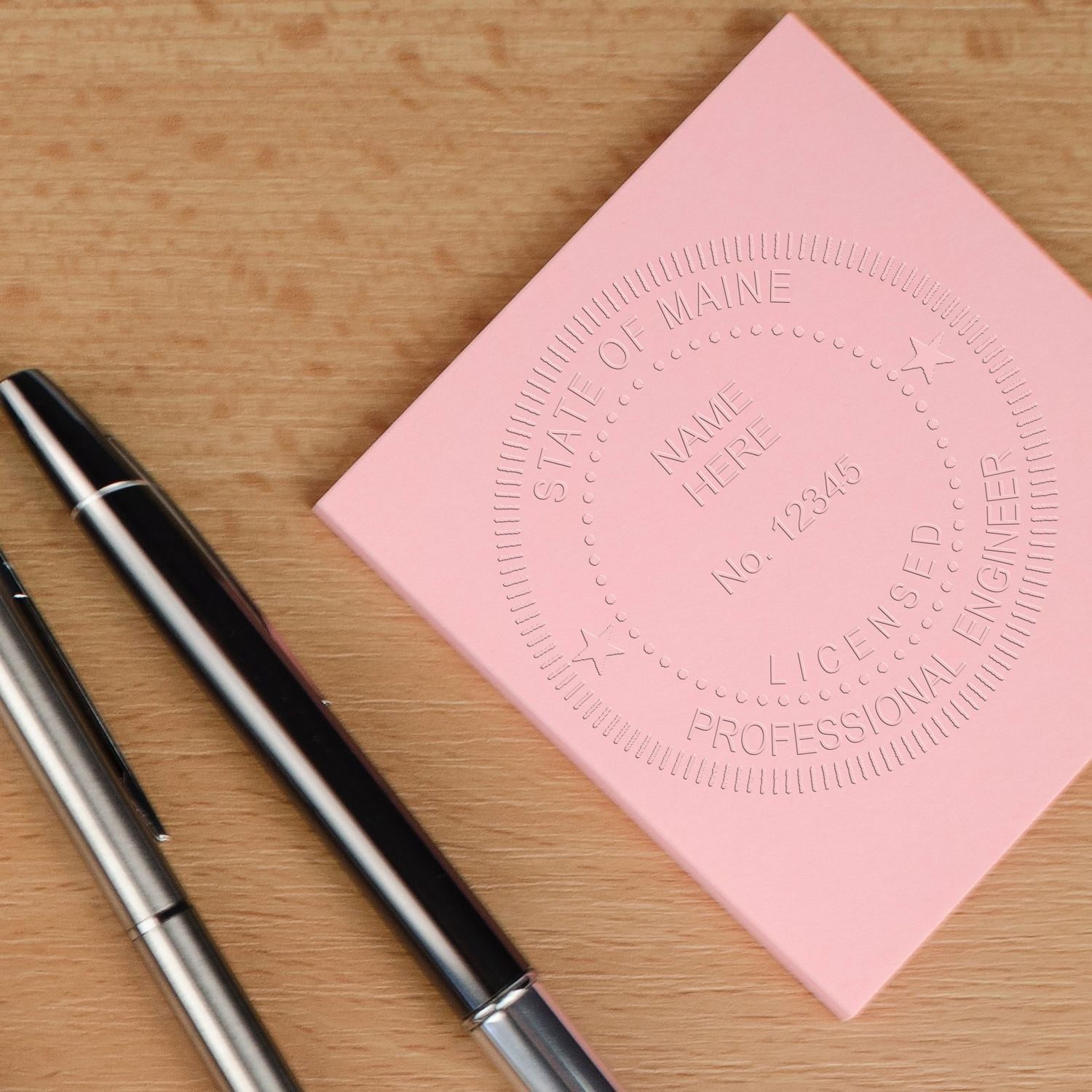
Not addressed. Montana's engineering statute contains no electronic or digital seal provision and names no technology, no certificate authority, and no board-approved signing process. Whatever Montana requires of electronic seals and digital signatures is in ARM 24.183.511, which is unreachable as described in the size slot. Treat any vendor claim about a Montana digital seal standard as unverified.
Renewal, lapse and retirement
Expiration is the bright line. Mont. Code Ann. § 37-67-314(4): “It is unlawful for a licensee whose license has expired to sign or seal any professional or technical document or be in responsible charge of a professional engineering or professional land surveying project.” Section 37-67-329 provides emeritus status. Not addressed: nothing in Title 37 chapter 67 requires the seal to be destroyed or surrendered on expiration, discipline, or emeritus status, and nothing says the license number changes. Checked the full Part 3 section list and sections 37-67-314, 37-67-328, and 37-67-329.
Firm registration
A certificate of authorization is required, but only for entities registered with the Secretary of State. Mont. Code Ann. § 37-67-328(1) requires a business entity registered with the Montana secretary of state to obtain a certificate of authorization from the board before practicing, and to have at least one employee licensed by the board identified as in responsible charge of work performed in Montana. Under subsection (2), a business with branch offices applies for the main office and lists each branch and its responsible-charge licensee. Under subsection (3), “A sole proprietor who is not required to register with the Montana secretary of state is not required to apply for a certificate of authorization.” The firm gets no seal of its own. Whether the certificate of authorization number must appear on a sealed document is not stated in the statute and would be in ARM 24.183.511 or its neighbors; not verified.
What to check before you order
Montana is the weakest-documented state in this group, so approach your order with care. Verified content, from the board's own FAQ: your first and last name, the word Montana, your applicable title, and your license number in short digits-plus-suffix form. Unverified, because ARM 24.183.511 could not be retrieved: diameter, shape, permitted devices, signature placement, and electronic seal requirements. Do not accept a neighboring state's two-concentric-circle specification as a substitute. Supply the rule text or the board-approved layout before a die is cut, and confirm your suffix, PE, PLS, or ES, against the title line on the same order.
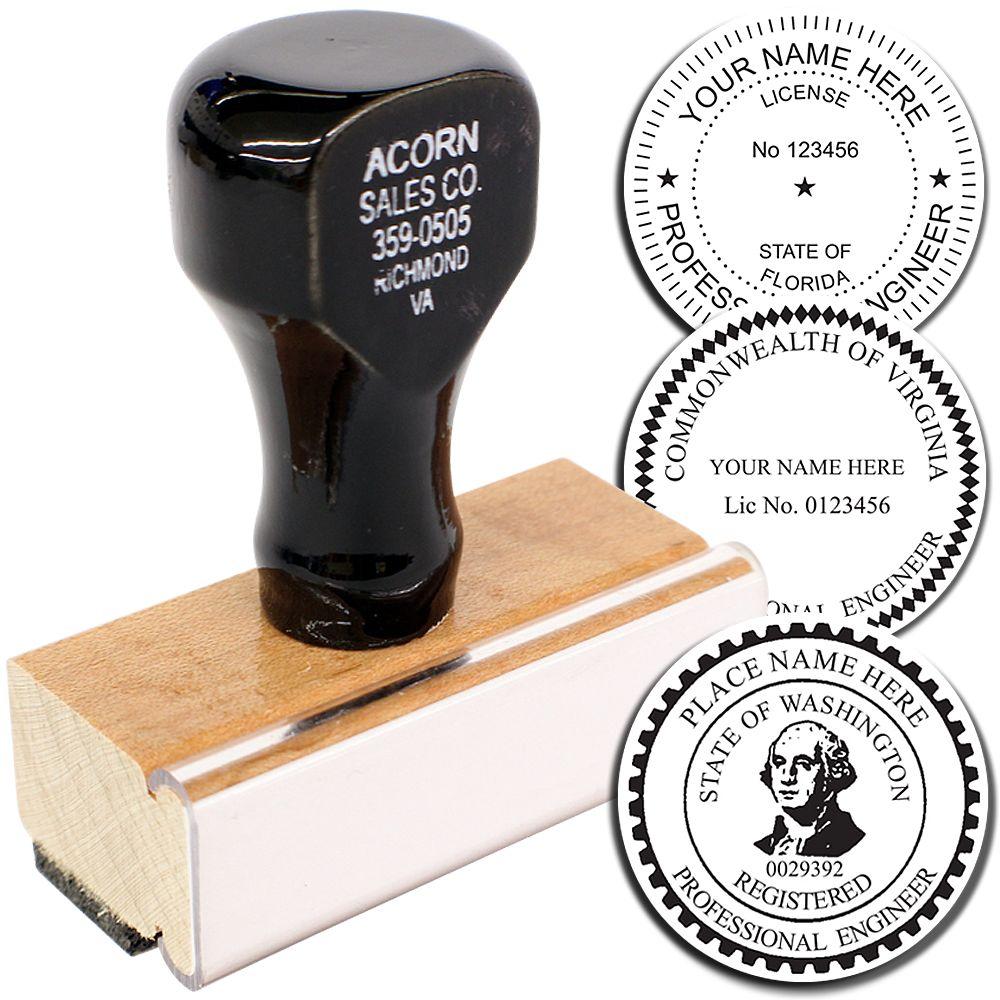
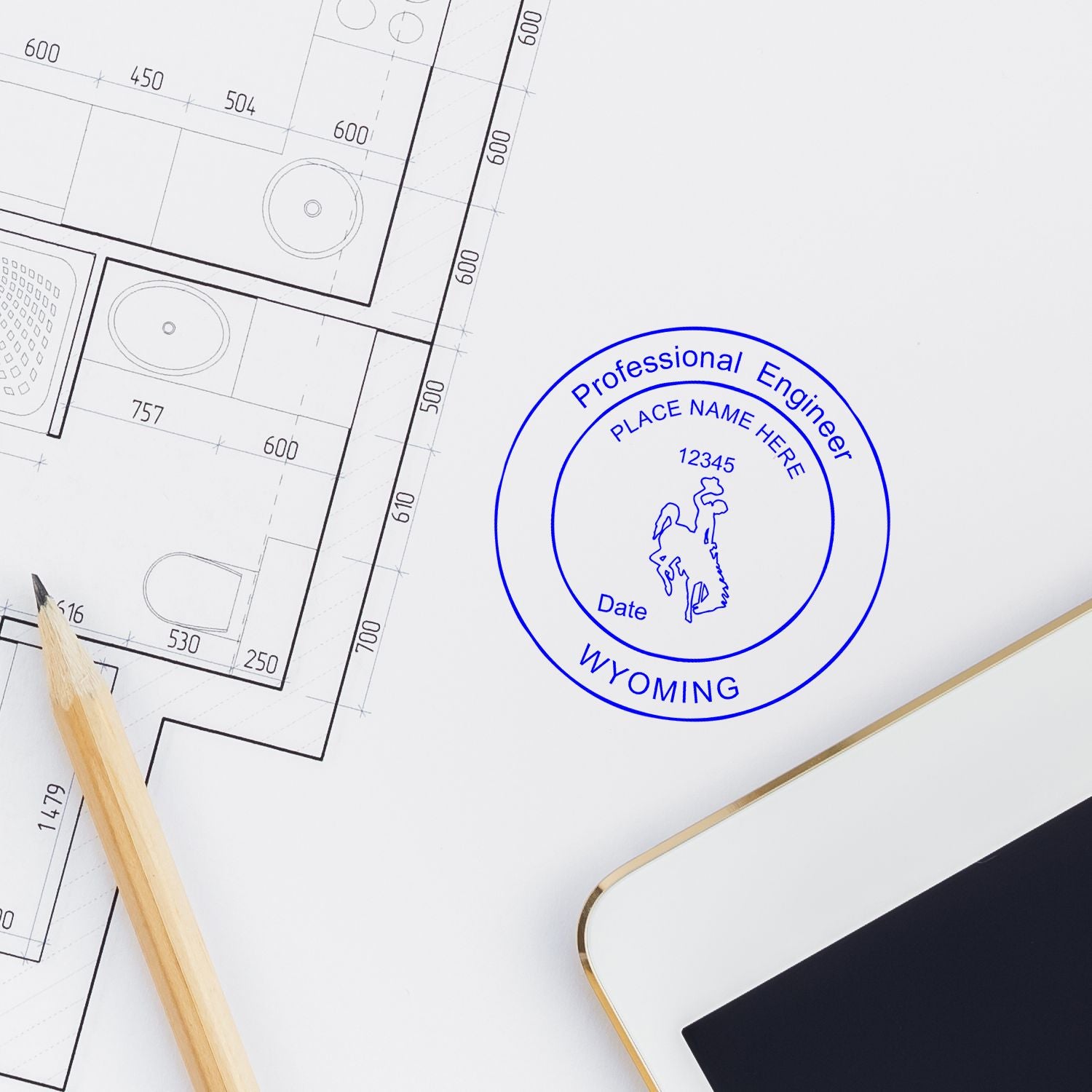
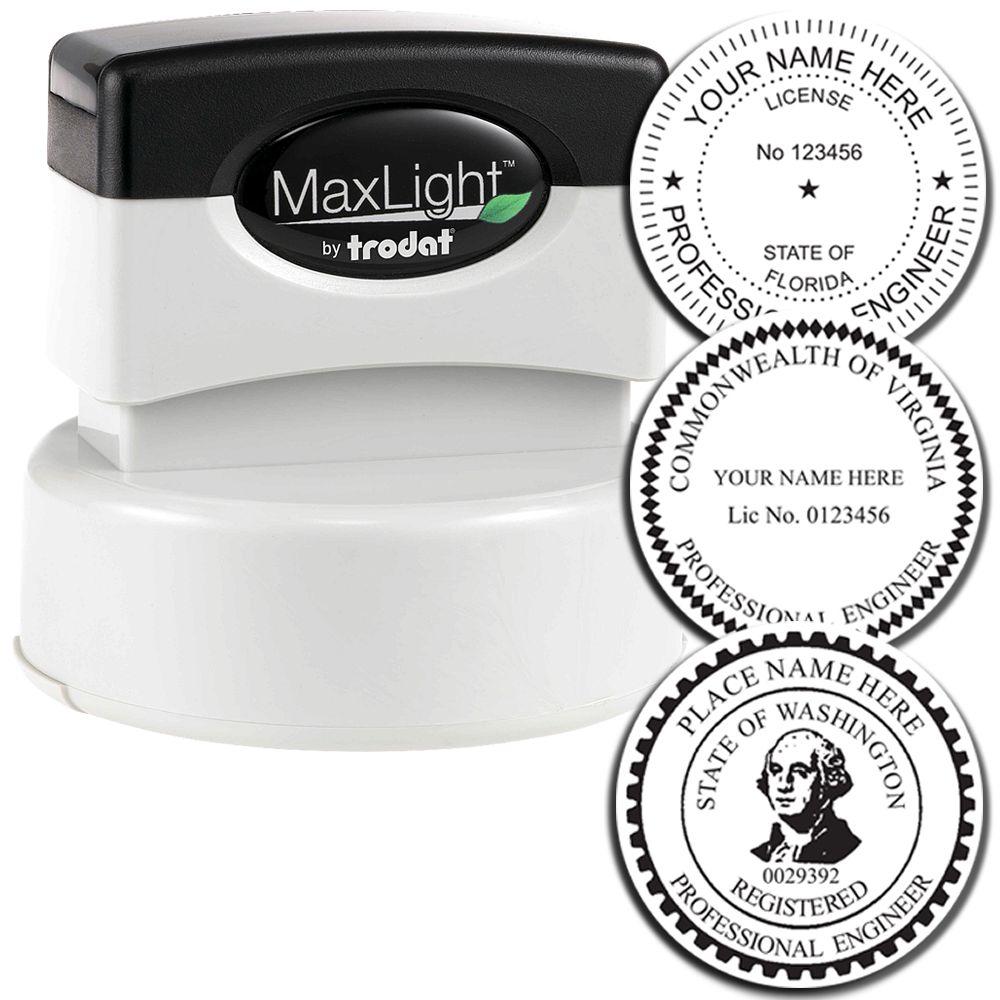
Browse professional engineer stamps and seals.
Frequently asked questions
Do I need a PE seal in Montana?
Yes. Mont. Code Ann. § 37-67-314(2) provides that each licensee may on licensure obtain a seal of a design authorized by the board, and then makes the use mandatory: “The licensee shall sign, date, and seal professional or technical documents created in the practice of professional engineering or professional land surveying.” There is no statutory list of triggering documents, no client-or-agency test and no draft exemption in the statute itself.
What has to appear on a Montana PE seal?
Four items, from the board’s published FAQ on what makes a valid seal or stamp in Montana: your first and last name, the word Montana, the applicable title, and your license number in short form such as 99999PE, 99999PLS or 99999ES. The FAQ adds nothing optional. It does not mention a discipline line, an expiration date or a state outline, and it does not prohibit them either; anything further would sit in ARM 24.183.511, which could not be read.
What size does a Montana PE seal have to be?
No verified answer exists. The statute prescribes no dimension, and the rule that would carry one, ARM 24.183.511, is behind a human-verification challenge on rules.mt.gov and a hostname-mismatched certificate on the mtrules.org mirror. Also checked without result: boards.bsd.dli.mt.gov, including its administrative rules page, rule notices page, statutes page and FAQ, plus every PE board rulemaking notice PDF posted there, and sosmt.gov, which only links back to rules.mt.gov. Ask the licensee for the rule text or the board-approved layout before a die is cut. Acorn cuts this seal to 2 inches, the same plate we cut for Montana land surveyors on this board and the largest device we make for any engineering board. That is our production record rather than a Montana rule; ARM 24.183.511 is not published in readable form.
Should my stamp show the number printed on my license certificate?
No. Montana issues license numbers in a long department format, PEL-PE-LIC-##### or PEL-PLS-LIC-#####, and the board’s FAQ states that the seal number format is different from that certificate form but is appropriate for a seal. Use digits followed by the suffix: PE, PLS or ES. This is the most common way a Montana order goes wrong.
Can I use an embosser, a rubber stamp or a digital seal in Montana?
Unverified. The statute names no device at all, saying only that the seal is of a design authorized by the board, and the board’s FAQ describes required content without listing permitted devices. Embossed, rubber stamp and electronic are all plausible and all unconfirmed for Montana, because the answer lives in ARM 24.183.511. The NCEES model language should not be assumed to apply here.
Where do the signature and date go on a Montana document?
The statute requires all three acts and is silent on placement: sign, date, and seal. Whether the signature must cross the face of the seal or may sit beside it, whether an original wet signature is required, and whether the date is the signing date or a seal date are not addressed in Mont. Code Ann. § 37-67-314 and would be in ARM 24.183.511.
Which Montana documents have to be sealed?
Professional or technical documents created in the practice of professional engineering or professional land surveying, in the words of § 37-67-314(2). That phrase is broad and carries no draft, preliminary or industrial carve-out on its face. Any narrowing, including a not-for-construction convention or a title-sheet-only rule for reports and specifications, would be in ARM 24.183.511 and is a named gap.
What happens to my seal if my Montana license expires?
Using it becomes unlawful. Mont. Code Ann. § 37-67-314(4): “It is unlawful for a licensee whose license has expired to sign or seal any professional or technical document or be in responsible charge of a professional engineering or professional land surveying project.” Section 37-67-329 provides emeritus status. Nothing in Title 37 chapter 67 requires the device to be destroyed or surrendered, and nothing says the license number changes.
Does a Montana engineering firm need a certificate of authorization?
Yes, if it is registered with the Secretary of State. Mont. Code Ann. § 37-67-328(1) requires a registered business entity to obtain a certificate of authorization before practicing and to identify at least one board-licensed employee in responsible charge of work performed in Montana. Subsection (2) covers branch offices. Subsection (3): “A sole proprietor who is not required to register with the Montana secretary of state is not required to apply for a certificate of authorization.” The firm gets no seal of its own. Whether the certificate number must appear on a sealed document is not stated in the statute.
Does Montana have a digital seal standard?
Not that any reachable source confirms. Montana’s engineering statute contains no electronic or digital seal provision and names no technology, certificate authority or board-approved signing process. Whatever the state requires would be in ARM 24.183.511, which is unreachable for the reasons above. Treat any vendor claim about a Montana digital seal standard as unverified.








