
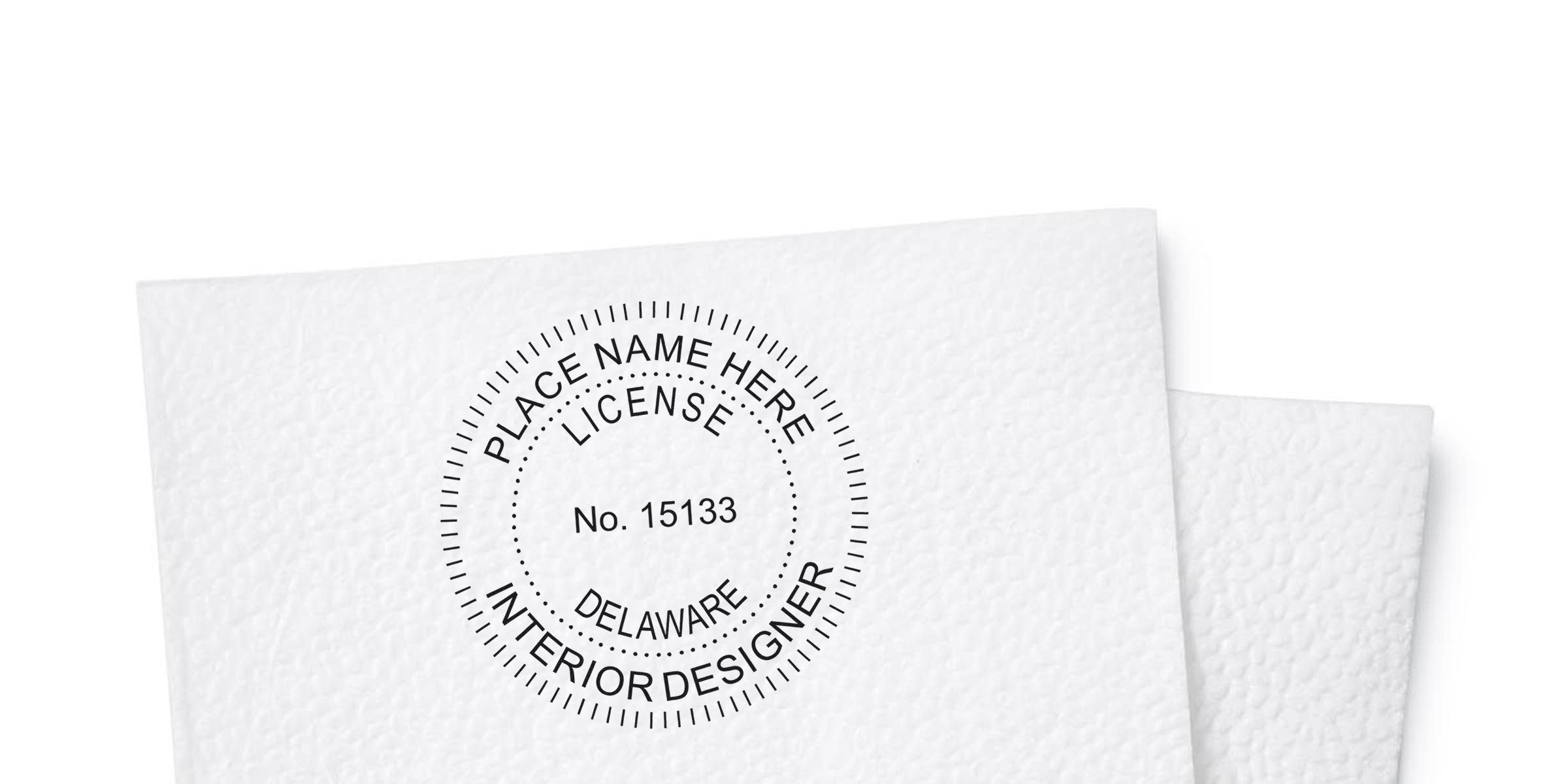
Master Delaware Stamp Basics
Ever wondered how to handle Delaware interior designer stamp requirements smoothly? You’re not alone. Whether you’re fresh to professional interior design or simply new to Delaware’s rules, getting your stamp or seal squared away can feel tricky. But here’s the good news: once you understand why these requirements exist and how they keep your projects on the right side of the law, the process becomes a breeze.
Why Your Stamp Even Matters
In Delaware, a stamp or seal is more than just a formality. This little tool symbolizes your commitment to upholding professional standards, from ensuring the safety of floor plans to verifying that your designs meet state codes. Think of it like a driver’s license that validates you’re all set to drive—your stamp sends the same signal, letting clients, colleagues, and local authorities know your documents meet the stamp rules set by the state.
Quick Glance at the Official Requirements
Before running off to order your stamp, it’s smart to double-check the details that apply specifically to Delaware. Each state sets its own guidelines for seal size, type, and acceptable uses. To get the full scoop, you can review the Delaware Interior Designer Seal Regulations. By focusing on the official specs right from the start, you’ll avoid time-consuming back-and-forth correcting any mistakes later.
Recognize Eligibility Criteria
To earn your stamp, you first need the proper credentials to practice as an interior designer in Delaware. Destination achieved? Great, you’re ready to roll. Still working on your license? Not a problem. Just be sure you finish the essential steps so your seal application isn’t stuck in limbo.
Educational Credentials
Delaware usually requires you to have a certain level of formal education in interior design or a related field. That often means graduation from an accredited institution, plus a set number of credit hours that delve into design layout, building codes, and more. If you’re missing any courses, it may be time to hit the books or look for online education options to fill the gaps.
The Delaware Interior Designer Licensing Process
After your studies, you’ll go through the Delaware Interior Designer Licensing Process. You might complete an internship or notch several years of field experience under a licensed professional. This helps ensure you’ve done real-world design tasks and are ready to safeguard the well-being of clients. Once licensed, you’re free to pursue your stamp.
Choose the Right Stamp for You
Even though standard rubber stamps are popular, some designers love the clean, classy finish an embosser provides. When you’re knocking out documents for submission—such as renovation plans or furniture layouts—it’s important to choose a stamp that meets official Delaware guidelines. A well-chosen stamp can spare you headaches if your documents are ever questioned.
Traditional Stamps vs. Embossers
Rubber stamps are the simplest option. You can press them onto an ink pad, then onto your document. Embossers, on the other hand, leave a raised impression without ink. If you prefer an embossed seal for aesthetic reasons, consider an Interior Designer Seal Embosser Delaware. Because embossed images can sometimes be difficult to photocopy, a rubber stamp might still be handy for digital submissions or multiple project copies. Think about your personal workflow before settling on just one style.
Checking Delaware Board of Interior Design Stamp Guidelines
It’s always smart to confirm details like diameter, border style, or the text required around the seal. The Delaware Board of Interior Design Stamp often has specific language you need on your seal—such as your name, license number, and “Registered Interior Designer, State of Delaware.” Skipping even one detail can lead to having to reorder a corrected stamp. Spend a moment verifying your info, and you’ll ensure a seamless stamp.
Apply for Your Stamp
You might be thinking, “Where do I even start the application?” Don’t worry. You typically begin by contacting the state board or visiting its official site to confirm you’ve met all the criteria. Then you’ll select a trusted vendor who understands these requirements inside and out. That’s where “trusted” really matters: a reputable supplier knows how to keep everything to code, so you don’t lose time making corrections.
Steps for the Application
- Confirm your licensing status under Delaware law.
- Gather personal details like your license number and name.
- Check or design your stamp layout to match official specs.
- Choose your preferred stamp style, size, and color.
- Submit your stamp order to a recognized manufacturer.
Once you have the final stamp in hand, you’ll officially join the ranks of those eligible to sign off on interior design documents. If you want a deeper breakdown, consider browsing the Interior Designer Stamp Application Delaware page for an expanded step list.
Budgeting for the Stamp
You’ll want to keep an eye on cost, especially if you’re just getting established and have a tight budget. When you evaluate your purchase, pay attention to everything you’re getting—some products might cost a little more upfront, but they could include important perks like a “free digital seal” or extra stamp ink. If cost is a major deciding factor for you, check out the Delaware Interior Designer Stamp Cost guidelines. That info will guide you toward a solution that fits both your design style and your wallet.
Maintain and Renew Your Seal
Once you’ve got your stamp, you’ll want it to stay valid. In Delaware, designers typically must renew their licenses at specific intervals. The same principle usually applies to your seal—if your license expires, your seal effectively goes inactive. No one wants to forget a renewal date right in the middle of a hectic project.
Renewal Timelines
Depending on Delaware’s rules, you might renew every two years (or another designated period) to keep your license in good standing. It’s wise to mark renewal deadlines on your calendar or set a digital reminder. For up-to-date instructions, peek at the Delaware Interior Designer Seal Renewal. This ensures you’re never caught off guard by an approaching deadline.
Typical Pitfalls to Avoid
- Missing your renewal date, leading to extra fees or administrative delays.
- Neglecting continuing education hours that might be required.
- Forgetting to update your contact details with the board if you move.
A quick check every few months can save you from last-minute stress when renewal season comes around.
Team Up With Acorn Sales for Success
Finding the right seal is much easier with a reliable partner. At Acorn Sales, we’ve been making professional stamps and embossers for over 60 years. Whether you’re ordering your very first seal or getting a design upgrade, you can trust that we know Delaware’s standards inside and out.
Trusted Supplier for 60 Years
Why choose Acorn Sales? Well, you’ll get expertise honed over six decades. We’ve seen the stamp requirements evolve, and we work hard to stay on top of the latest guidelines so you don’t have to. Our mission is to ensure you walk away with a seal that’s exactly right—no guesswork needed.
Free Digital Seal and Other Perks
If you’re juggling multiple submissions, a digital seal is a lifesaver. That’s why we offer a free digital seal with every physical stamp purchase. Save it on your computer, drop it into your documents, and you’re good to go without rummaging around for ink pads. Curious to learn more? Check out the Delaware Interior Designer Stamp Information page for tips on how to integrate your new seal into your daily workflow, whether it’s for blueprint approvals, client presentations, or local government paperwork.
Feel confident yet? Having the perfect stamp or seal means you can deliver professional, compliant documents every time. Plus, there’s a certain pride in stamping your name on a design you’ve poured your creativity into. If you keep track of your license status, order your seal from a reputable manufacturer, and stay current on renewals, you’ll navigate Delaware’s interior designer stamp requirements like a pro. So go ahead—stamp those design documents with confidence and watch your projects flourish.
Frequently Asked Questions
Do I need a license before ordering a Delaware interior designer stamp?
Yes. You generally need to have completed your Delaware Interior Designer Licensing Process before you can use an official seal. Always confirm that your license is up to date so you’re not ordering a stamp prematurely.
Is an embosser as valid as an ink-based stamp?
Absolutely. Both methods are recognized, but you should still confirm with local authorities or the Delaware Board of Interior Design Stamp guidelines to ensure you meet any formatting requirements. Some prefer embossers for their classy look, while others favor ink stamps for clarity on photocopies.
What if my seal info changes (like my name)?
You’ll need a new stamp that matches your updated information. This might happen if you legally change your name or update your license number. As soon as you spot the discrepancy, order a fresh seal so all your documents are accurate.
How often must I renew my seal?
It depends on your licensing cycle. In Delaware, you typically renew your license every few years, and your seal validity follows your license status. Missing your renewal date means your seal is no longer valid. Visit the Delaware Interior Designer Seal Renewal page to keep on schedule.
How can I confirm the total cost of my stamp?
The expense varies based on factors like size, style, and whether you’re purchasing an embosser or an ink stamp. For a quick rundown, check the Delaware Interior Designer Stamp Cost. You might be surprised how affordable it is to get a fully compliant seal, especially with added perks like a free digital version.








