
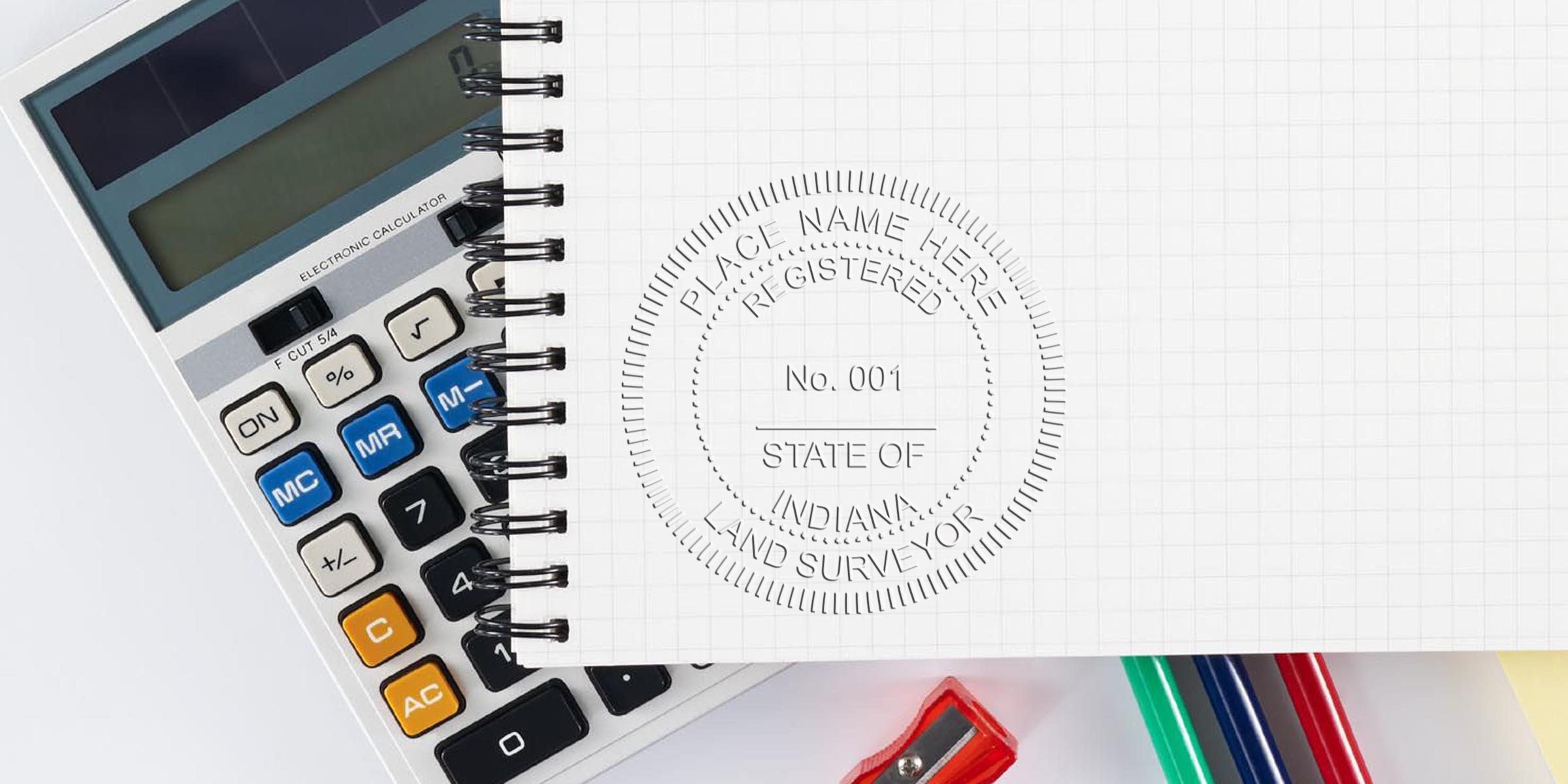
Understand The Indiana Stamp Basics
If you’re looking into indiana land surveyor stamp guidelines, you might already know how crucial stamps and seals are for verifying your professional work in Indiana. But the reality is, these guidelines can feel overwhelming if you’re juggling projects and client deadlines. The good news is, once you understand the basics, everything else gets a lot clearer.
Why Indiana Land Surveyor Stamps Matter
Land surveying involves precise measurements, boundary confirmations, and compliance checks. When you place your official stamp on a document, you’re effectively saying: “Yes, I take full responsibility for the accuracy of this data.” That’s why Indiana requires licensed surveyors to use stamps and seals that meet the state’s formal standards. If your stamp doesn’t meet Indiana’s specifications, your reports or site plans could be invalidated, causing delays or legal complications.
Official stamps play a central role in:
- Establishing your credibility with clients and regulatory bodies.
- Ensuring documents you produce stand up to scrutiny in legal or municipal reviews.
- Meeting professional ethics standards set by Indiana’s Board of Registration for surveyors.
Key Requirements For Compliance
Indiana regulations are pretty specific about the data that must appear on your seal. Every element on your stamp has to be legible, from your name and license number to the state designation. You also need to keep the stamp’s diameter, border lines, and wording consistent with official specs.
Some standard details:
- Your name as it appears on your license.
- Your license or registration number.
- The phrase “Professional Land Surveyor” or an equivalent reference acknowledging your credential.
- Identification of the state (Indiana) wherever the rules require it.
If you want to review these standards in even more detail, you can check out indiana land surveyor stamp requirements. Gathering the right info and verifying it against state codes ensures your seal looks correct and stands up to formal review.
Follow The Official Guidelines
Indiana’s laws regarding land surveyor stamps aren’t just suggestions, they’re mandates. You’ll find these guidelines in state statutes and the Board of Registration manuals. The language might look a bit dense, but if you break it down step by step, you’ll see a straightforward path. Let’s look at a few crucial areas you’ll want to master.
Licensing Prerequisites
Before you grab a new stamp or seal, you should already have your professional license in hand. Indiana requires:
- Education and Exams: You typically need specific credits in surveying or a related field, plus a passing score on the national and state exams.
- Application and Fees: Expect to submit a formal application and pay state fees before your license is approved.
- Continuing Education: Some license renewals require continuing education so you stay updated on new regulations and technology.
If any of these points are still pending, be sure to finalize them. You don’t want to order a stamp with your name and license number only to find out you still need more documentation.
Format And Placement Rules
Once you’re officially licensed, Indiana wants your stamp to appear on a variety of documents, including boundary surveys and subdivision plats. The plan is for your stamp to be placed in a way that’s easy to see, usually near your signature. It also has to appear on every page that references your professional judgment.
- Always keep the imprint clean and legible.
- Use permanent ink or embossing, so the mark doesn’t fade or smudge.
- Double-check page numbers or revision logs before applying your stamp, ensuring accuracy for each sheet.
Size And Legibility Must-Haves
Regulations typically stipulate a minimum diameter for your seal, like 1 5/8 inches or 2 inches, depending on the design. Even if it’s not strictly mandated, you want your seal visible and unambiguous. A smudged or illegible seal can cause a headache during plan reviews or audits.
- Stick to uniform color ink, often blue or black, so it stands out from copy text.
- Avoid fancy scripts or stylized fonts that may blur on scans or faxed copies.
- If you’re using an embossing seal, keep the impression deep enough to be seen clearly, but not so deep that you tear the paper.
Choose The Right Stamp Type
Your stamp is more than a rubber imprint: it’s your professional calling card on every document you file. While the content of the stamp must adhere to Indiana standards, you still have plenty of choices when it comes to functionality, ink, and style.
Traditional Rubber Stamps
Rubber stamps require using a separate ink pad. They’re simple, durable, and often budget-friendly. If you have an office setup with enough desk space, a rubber stamp and an ink pad make a reliable combination. Plus, it’s easier to switch ink colors if you need to differentiate document types.
Pros:
- Generally cheaper upfront.
- Straightforward, traditional appeal.
- Easy to replace or re-ink pads.
Cons:
- Can be less convenient if you’re traveling.
- May lead to ink smudges if used too quickly.
Self-Inking Options
Self-inking stamps have a built-in ink pad, which rotates into position for each impression. They’re quicker to use and often come with refillable ink cartridges. If you’re a surveyor on the move, self-inking models can be a lifesaver, cutting down on messy accidents.
Pros:
- Portable and neat.
- Offers consistent, crisp impressions.
- Quick re-inking process.
Cons:
- Typically cost more than rubber stamps.
- Might require periodic maintenance (like replacing internal pads).
No matter which type you choose, always focus on clarity. The last thing you need is a client or regulatory official struggling to read your stamped credentials.
Comply With Sealing Protocols
Getting the right stamp is the first step. Using it correctly is the second, potentially more significant step. Indiana expects you to exercise professional judgment when you seal documents. That means you should seal those documents for which you take full responsibility, ensuring each sheet’s data is accurate and complete.
When To Seal Your Documents
Typically, you’ll stamp final documents that go to a client or a public authority. Some land surveyors also include preliminary disclaimers, but generally you seal only what you’ve reviewed thoroughly.
You might use your stamp on:
- Boundary surveys to confirm property lines.
- Topographical maps for construction or planning.
- Subdivision plats requiring official county or municipal review.
- As-built surveys reflecting completed project records.
Always store your stamp securely. You’re accountable for all documents bearing your seal, so it’s wise to keep it locked away or in your personal workspace.
Avoiding Common Mistakes
Even with the best intentions, errors can happen. Watch out for these common pitfalls:
- Stamping Unfinished Work: If you realize later that a page needed one more revision, you’d have to issue a re-stamp. Double-check everything before committing your seal.
- Illegible Imprint: Thin inks or a worn stamp can make your data unreadable. Refresh your stamp components before that happens.
- Using Someone Else’s Stamp: This seems obvious, but in busy offices, lines can blur. Never allow interns or unlicensed staff to stamp on your behalf.
Partner With A Trusted Supplier
Professional-level quality matters. You don’t want your stamp to wear out after a few uses or produce blurry lines that jeopardize your reputation. That’s why picking a reliable provider is a big deal.
Why Acorn Sales
Acorn Sales has been a trusted source for Indiana Land Surveyor stamps and seals since 1964. We’ve spent decades fine-tuning our stamp designs, staying on top of state regulations, and ensuring you get crisp, professional imprints every time. Whether you prefer a classic rubber stamp or a modern self-inking design, we can guide you to the right option.
When you place an order, you can also expect:
- Straightforward order processes and timely shipping.
- Knowledgeable customer support to answer your technical questions.
- Durability: our stamps and seals handle frequent use without fading or breaking.
Free Digital Seal Perks
In today’s digital world, more clients, municipalities, and colleagues prefer electronic documents. At Acorn Sales, we include a free digital seal with your purchase. That means you can emboss your PDF versions with the same professional look as your physical documents. No more scanning stamps back into your computer. Just import your digital seal file, position it, and add it to your final PDF.
- Saves you time on scanning and post-processing steps.
- Maintains consistent design across print and electronic documents.
- Enhances your professional polish when emailing or e-filing.
Summarize Your Next Steps
Navigating Indiana’s requirements might seem like a chore, but once you see the pattern, it’s really about consistent professionalism. Keep these pointers in mind:
- Verify your license before ordering a new stamp or seal.
- Make sure your stamp design follows all state guidelines for size, wording, and clarity.
- Choose a stamp type that fits your workflow, such as rubber or self-inking.
- Seal your documents responsibly, only after you confirm accuracy.
- Consider a reputable supplier like Acorn Sales for a quality product and free digital seal.
As you integrate these steps into your regular processes, you’ll find that meeting Indiana’s stamps and seals requirements becomes second nature. If you need a deeper dive, remember to check out indiana land surveyor stamp requirements. It covers critical details that help you stay fully compliant and confident.
These FAQs are a handy starting point, but always double-check local regulations, especially if Indiana updates its laws. And if you’re on the hunt for a new Indiana Land Surveyor Stamp or Seal, consider Acorn Sales for reliable service, state-compliant designs, and free digital seals. Make your work footprint both professional and compliance-friendly.
Frequently Asked Questions
Do I need to renew my stamp design if my license is up for renewal?
Not usually. As long as your stamp meets Indiana’s regulations, it stays valid. Just remember to maintain an active license. If your license status changes or the law updates, you may need to revise the stamp details.
Can I use an electronic-only seal instead of a physical stamp?
In many cases, Indiana still requires physical stamps on official paper documents. However, you can often add a digital seal for electronic documentation. Be sure you’re meeting the local agency’s or client’s requirements.
What’s the typical turnaround time for obtaining a custom stamp from Acorn Sales?
Turnaround time depends on order complexity and shipping preferences, but we work efficiently. Chat with us directly for a specific estimate. We value accuracy and speed, so you can get your stamp as soon as possible.
How do I avoid smudges with a self-inking stamp?
Self-inking stamps are designed to minimize smudges, but it helps to store them in a clean environment and apply even pressure when stamping. Replace or refill the ink pad regularly for best results.
Is it expensive to get a free digital seal with my stamp purchase?
With Acorn Sales, the digital seal is included at no extra charge. This bonus streamlines your workflow, especially if you frequently send electronic documents to clients or government agencies.








