
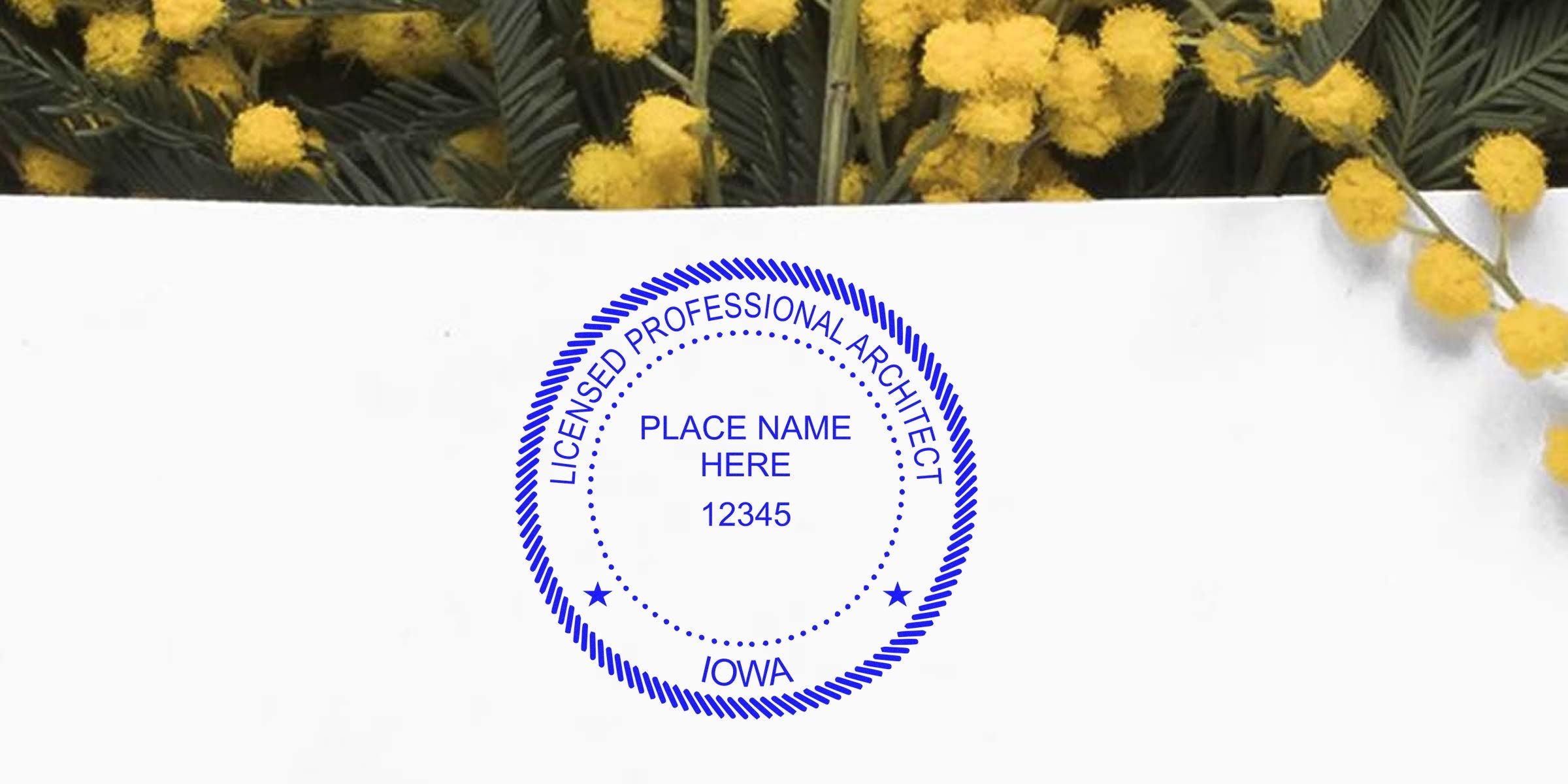
If you’re an Iowa architect, there’s a good chance the state-mandated iowa architect seal guidelines have made your head spin at least once. After all, sealing final drawings is a key part of your professional responsibilities. The good news is that staying compliant doesn’t have to be complicated. With a little know-how (and the right stamp supplier), you’ll smoothly navigate every step.
Understand The Basic Guidelines
Every architect in Iowa needs a seal or stamp that meets specific state standards. You’ll typically see requirements on content (like your name and license number) and the official wording or border design. For a deeper dive into these stipulations, check out Iowa Architect Stamp Requirements or skim Iowa Architect Stamp Regulations. These resources clarify what must appear on your seal so you can avoid common pitfalls.
Why You Need To Comply
The seal isn’t just a formality. It verifies that your work meets Iowa’s professional standards, helps clients trust your expertise, and saves you from legal complications should questions arise. Remember, the board can impose penalties for using a non-compliant or improperly applied seal.
Check The Required Format
Iowa guidelines often specify the overall design, including text color and shape. In many cases, your seal must maintain legibility at a certain size. If you’re curious about dimensions, head over to Iowa Architect Seal Size for exact measurements. By keeping your seal visually consistent with state expectations, you’ll also make record-keeping and inspections simpler.
Selecting The Right Seal
Some architects prefer an embosser for that crisp raised impression, while others like a self-inking stamp for speed. If embossing appeals to you, read up on the Iowa Architect Seal Embosser. Shape, ink color, and durability matter, especially if you’ll be stamping multiple times a day.
Manage Renewals And Certifications
Once you’ve secured your stamp, you’re not entirely off the hook. Iowa may require you to renew your license or re-certify your seal periodically. Staying on top of these updates keeps your work valid and your clients protected. If you need specifics, Iowa Architect Seal Renewal details when and how to renew. You’ll also find tips on preserving your seal’s integrity and ensuring it continues to meet state standards.
Watch Out For Changing Laws
Architectural regulations evolve over time, so always confirm with official sources before finalizing your documents. In a pinch, Iowa Architect Stamp Laws is a handy starting point. You certainly don’t want to discover halfway through a client project that your seal no longer meets current guidelines.
Work With A Trusted Supplier
Ever wonder if there’s a simpler route to staying on top of all these requirements? A good stamp maker can guide you through compliance details. At Acorn Sales, we’ve been creating stamps and seals for over 60 years. Our quick turnaround, state-compliant designs, and attention to detail mean you get exactly what you need on time. If you’re price-conscious, Iowa Architect Stamp Cost breaks down what to expect, so you can plan for your purchase without surprises.
Acorn Sales is a go-to source for Iowa architect seals and stamps. We provide state-approved designs and can guide you on Iowa Architect Stamp Information so you’re always up to code.
With a bit of preparation and a reliable supplier, you’ll have your seal game locked down. Follow these guidelines and keep track of updates to stay on the right side of the law. When in doubt, rely on trusted references or reach out to experts for guidance.
Frequently Asked Questions
What Is The Standard Size For An Iowa Architect Seal?
According to state rules, your imprint must be clearly legible and fit the specified diameter. You can find the exact measurements at Iowa Architect Seal Size.
How Often Do I Need To Renew My Iowa Architect Stamp?
Requirements vary, but you typically re-validate your stamp or seal whenever you renew your license. For more details, check out Iowa Architect Seal Renewal.
Can I Use Multiple Stamp Types For Different Projects?
Yes, as long as each stamp or seal meets the official guidelines. Some architects use an embosser for formal documents and a self-inking stamp for quick, repetitive tasks.








