
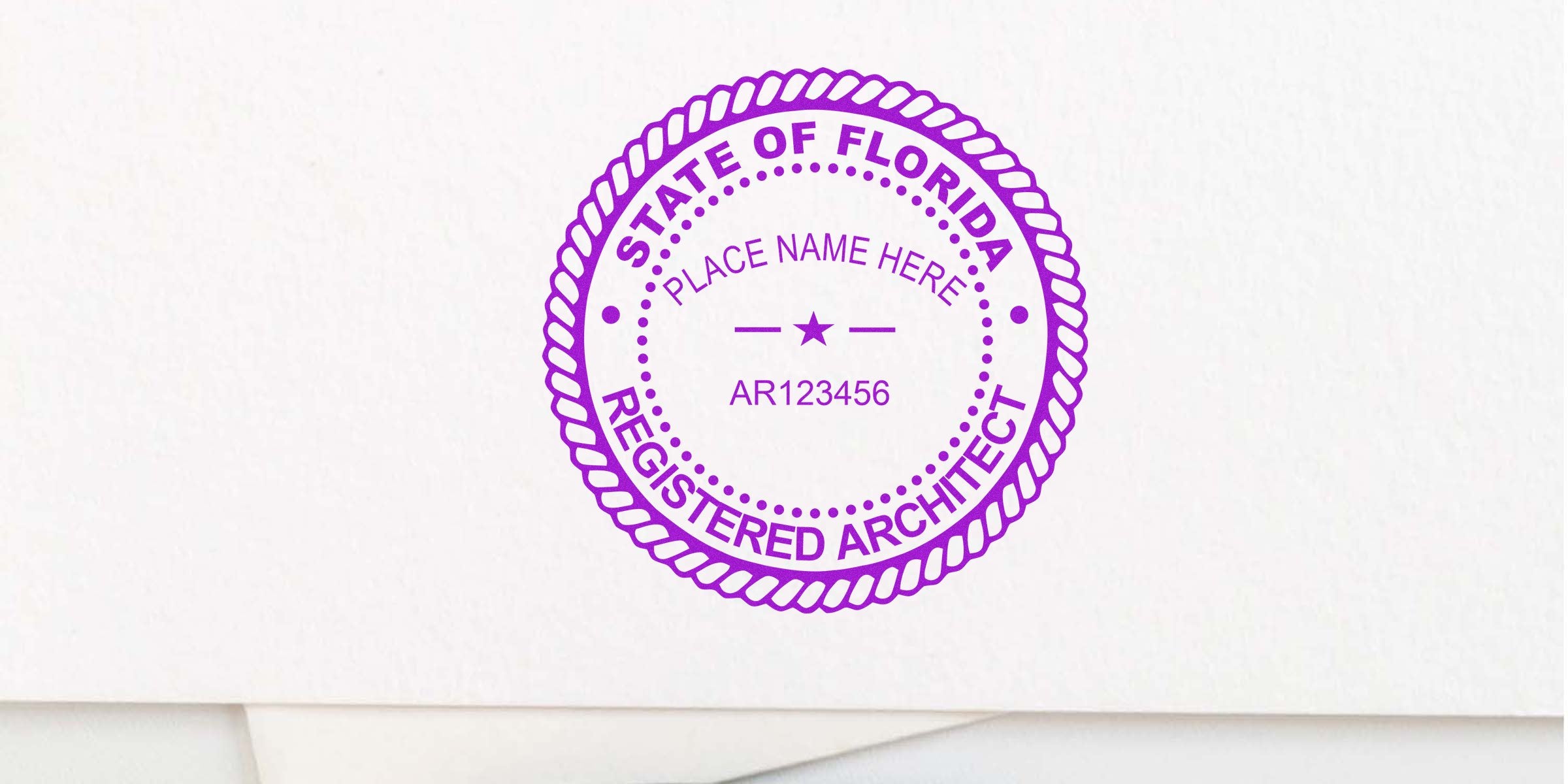
If you’re an architect in Florida, you might be curious about how to handle the Florida architect seal professional requirements so that your projects remain fully compliant. Having the right seal, using it correctly, and maintaining your licensure status all play a vital role. Let’s walk through these basics step by step, so you can focus on designing without worrying about penalty fees or project delays.
Understand Florida Licensing Regulations
Before diving into the specifics of seals, double-check that your license with the Florida Board of Architecture and Interior Design is current. If you’re missing any paperwork or deadlines, you’ll want to fix that right away.
- Renew your license on time. Missing renewal windows could lead to late fees or temporary license suspensions.
- Keep records. Document your continuing education hours, project history, and any official notices you’ve received.
If you want more detail on stamps and seals specifically for Florida-licensed architects, take a look at florida architect stamp requirements.
Prepare a Compliant Seal
Florida architects must follow certain design guidelines for their seals. Often, these guidelines detail the shape, diameter, and required text that must appear in the seal impression. The goal is to ensure uniformity across the state and easily verify your credentials.
- Check official dimensions. Florida typically provides official measurements for seal size, so confirm those before ordering.
- Decide on physical or digital. Many professionals choose a physical embosser or rubber stamp, but digital architect stamps and seals are also valid if they meet digital signature requirements.
Use the Seal at the Right Time
Your seal isn’t just something you place arbitrarily. In Florida, the seal validates that the drawings, specifications, and related documents you’ve prepared are indeed completed by a licensed architect in good standing.
- Apply the seal on final project documents. Draft or preliminary drawings usually do not require the seal.
- Maintain a consistent format. Once you have the official approved seal, use it consistently on all relevant documents.
Find a Trusted Supplier
You’ve got enough on your plate with project deadlines and client meetings, so getting your seal or stamp from a reliable source is crucial. That’s where Acorn Sales can help. We’ve been a stamp and seal maker for more than 60 years, and our products are state-compliant to ensure you meet Florida standards.
- Quick turnaround. You won’t be waiting around for weeks to get your seal.
- Multiple options. We’re a trusted supplier of Florida Architect Stamps, Florida Architect Seals, and FL Architectural Seal Stamps. We even offer easy digital versions to keep up with modern demands.
Check the Florida Board of Architecture and Interior Design website for the latest updates. You can also refer to additional resources like florida architect stamp requirements for deeper insights.
By following these guidelines, you’ll have a clear path to staying compliant with Florida architect seal professional requirements. Grab your seal from a trusted supplier like Acorn Sales, and you’ll be ready to stamp, sign, and deliver your projects with confidence. Good luck, and happy designing!
Frequently Asked Questions
Do I Need a Physical and Digital Seal?
It depends on the nature of your projects. Many architects keep both handy. A physical seal is helpful for printed documents, while a digital seal can be quickly applied to PDFs or other electronic files.
How Does Florida Verify My Seal?
Florida officials typically verify details like your license number and correct seal design. They might also check for proper usage on required documents. As long as you follow the state’s guidelines, you should be set.
Can I Design My Own Seal?
Usually not. Florida has specific regulations about size, shape, and text. To avoid any issues, always follow the official state guidelines or work with a supplier who ensures compliance.
When Should I Update My Seal?
If your name or license status changes, you’ll need an updated seal. Otherwise, you can keep using your existing seal as long as it meets current state requirements.
Which Documents Require a Seal?
Finalized drawings, project specifications, and any official architectural documents usually need your seal. Drafts, conceptual sketches, and internal notes typically do not.








