

Navigating the cost of an Idaho Geologist Stamp can feel overwhelming if you’re new to the professional licensing journey. After all, you’ve got enough on your plate with exams, paperwork, and ongoing education. But here’s the good news: once you understand the basics of what influences price, where to shop, and how to maintain your stamp, you’ll be well on your way to making a smart purchase. In this article, we’ll walk through several key considerations to ensure you’re fully prepared.
If you’re curious about the nitty-gritty of state regulations and guidelines, you can explore more in-depth details at Idaho Geologist Stamp Requirements. Along the way, we’ll also chat a bit about choosing a reliable supplier like Acorn Sales. They’ve been around since 1964, they’re trusted by geologists across the country, and every stamp purchase comes with a free electronic seal. Ready to begin? Let’s go.
Understand Idaho Stamp Requirements
Before focusing on price tags, it’s essential to know exactly what the state of Idaho expects from you. As a geologist, you’ll need a stamp or seal that meets specific guidelines, including size, shape, and legibility. Think about the actual impression your seal makes, because Idaho will likely have rules about how the lettering, license number, and design are laid out.
Why does it matter? Imagine handing over a document only for a regulatory board to reject it. That’s a headache nobody wants. By aligning to official regulations from the get-go, you save yourself from embarrassing reprints or compliance issues. Plus, your final cost might change depending on custom design tweaks or special features you add to match state standards.
If you haven’t already, familiarize yourself with the official language set forth by Idaho’s licensing authorities. Each state can be quirky about what they require, so investing an extra ten minutes reading through the guidelines can save you significant cost (and frustration) down the line. To jump-start your research, head over to Idaho Geologist Stamp Requirements. Even if you’ve glanced at them before, a quick refresher doesn’t hurt.
Once you’re sure you know the rules, it becomes easier to narrow down your options. You’ll also figure out whether you need a traditional hand stamp, a self-inking version, or even a more portable pocket stamp. Understanding all this up front means you won’t pay extra later for re-orders or fancy add-ons you don’t actually need.


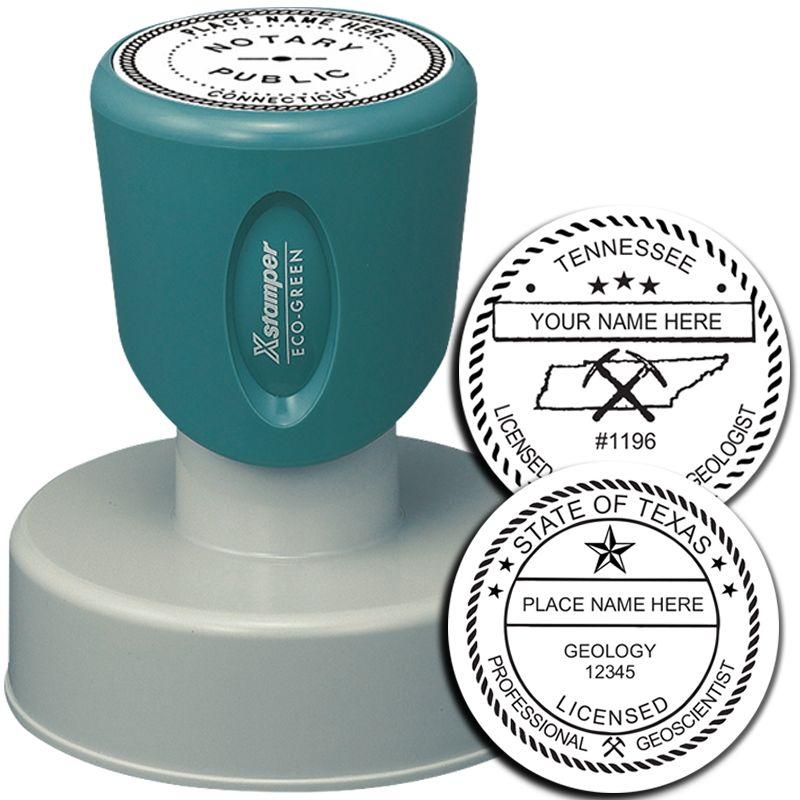

Consider Key Cost Factors
At this point, you might be thinking, “So, how does the Idaho geologist stamp cost actually break down?” Several factors combine to influence that final price. One of the biggest considerations is the type of stamp you purchase:
- Traditional Rubber Stamp: Often the most cost-effective upfront. You’ll need a separate ink pad, but these stamps tend to last a long time with proper care.
- Self-Inking Stamp: Slightly higher price, but you won’t need a separate pad. This is a favorite choice for those who frequently stamp multiple pages.
- Pocket Stamp: Handy if you’re on the go, making fieldwork easier. Costs can vary, but expect a modest bump for portability.
Here’s a simple overview of common price ranges for each type (though these numbers can shift with market changes):
| Stamp Type | Approx. Price Range | Pros |
|---|---|---|
| Traditional Rubber | ~$15 to 25 | Durable, cost-effective |
| Self-Inking | ~$25 to 40 | Convenient, no separate pad |
| Pocket Stamp | ~$20 to 35 | Portable, built for fieldwork |
Another cost variable is materials. Some geologists opt for metal frames instead of plastic for durability, adding a bit more to the sticker price. Then there’s shipping. If you need your stamp in a hurry, you might pay for expedited delivery.


Remember, price covers more than the physical product. The design process also matters. If you need specialized text or a unique layout, that’s normally an additional design fee. And, of course, there’s brand reputation. Trusted suppliers may charge more, but in return, you get peace of mind that your stamp meets Idaho’s requirements and won’t give out after a few uses.
If you factor in how often you’ll use the stamp, it’s typically worth minding these details. Stamps can last years, or even decades, with the right care. So the initial costs might ripple across a long, productive professional career. It’s all about seeing your purchase as a business investment, not another office supply.
Choose A Reliable Supplier
You’ve got your requirements nailed down and you understand what influences price. Now comes the big question: “Where do I buy my stamp?” It might be tempting to go straight to the cheapest online retailer, but remember, if your seal doesn’t comply with Idaho’s guidelines, you’ll just be wasting money. Your best bet is going with someone who knows the ropes.
That’s where Acorn Sales comes in. They’ve been around since 1964, making them a longstanding favorite with professionals in engineering, geology, architecture, and more. You want a company that knows state requirements inside and out, and Acorn Sales checks that box. Plus, it’s not every day you hear about a free electronic seal. In many cases, that’s an extra expense, but with Acorn Sales, it’s part of the deal.
One factor that sets reputable suppliers apart, beyond meeting state guidelines, is the quality of construction. Cheaper options may use flimsy plastic that can crack after minimal use. Others might not align the ink pad well, leaving you with blurred or incomplete seals. That’s the last thing you need when your work is on the line.


A good supplier should also give you options, traditional rubber, self-inking, you name it, so you can pick something fitting your preference. If you do a lot of fieldwork, you might appreciate the convenience of a pocket stamp. Or maybe you just want something compact for your desk. Either way, a quality supplier can advise you about each option’s pros and cons.
When you’re researching suppliers, read through testimonials or reviews. Yes, this can take a little time, but it’s worth it. If dozens of other Idaho geologists mention quick turnaround, sturdy materials, and crisp impressions, that’s a great sign. You’ll also want to check for warranties or guarantees, because if something goes wrong, a reliable company will make it right promptly.
Maintain Your Geologist Stamp
Let’s be honest: the initial cost is just one piece of the puzzle. How you maintain your Idaho geologist stamp can affect your budget down the road. Proper care extends the life of your stamp, saving you from unnecessary re-orders.
Here are a few helpful tips:
- Clean your stamp occasionally. Dust or dried ink can build up over time, which leads to fuzzy impressions. Gently wiping the surface with a damp cloth can keep it in top shape.
- Store it safely. If you have a self-inking stamp, make sure the cover snaps back in place. For traditional stamps, place them face up on a clean surface or in a small container to avoid accidental damage.
- Watch for product fatigue. If you notice loose or shaky parts, get it fixed or replaced. Neglecting these small issues can cause more serious malfunctions later.
- Keep a digital backup. While this isn’t exactly physical maintenance, it’s a smart practice. If you’re using a free electronic seal provided by Acorn Sales, you have a convenient fallback in case your physical stamp is out of commission.
Taking good care of your stamp means fewer hidden expenses in the long run. You won’t have to replace a damaged unit prematurely, and you’ll present clean, professional documents every time. Think of maintenance as a protective measure for both your reputation and your wallet.
Recap Main Takeaways
We’ve covered a lot of ground, from clarifying Idaho rules to scouting out a reputable supplier. To make it easier to remember, here’s a quick recap:
-
Nail Down Requirements First
Getting the correct size and layout from the start prevents compliance issues later. -
Weigh Your Stamp Options
Compare rubber, self-inking, or pocket versions, based on your usage and budget. -
Factor In Material And Shipping
Opt for higher-quality builds if you expect frequent use or rough handling. -
Rely On A Trusted Supplier
Companies like Acorn Sales, in business since 1964, know Idaho Geologist Stamp guidelines and offer convenient extras like a free electronic seal. -
Maintain Your Stamp For The Long Haul
Proper cleaning and storage can stretch your dollar and keep stamp impressions sharp.
At the end of the day, the Idaho geologist stamp cost is more than a single number. It’s about choosing the right combination of price, quality, and compliance so that your professional credentials stay rock-solid.
By following these friendly tips and prioritizing quality, you’ll be set up for success. Take your time researching, pick a stamp that fits your workflow, and be sure to keep everything up to date. Your geological work in Idaho deserves a durable, compliant stamp that supports your professional best. Happy stamping!
Frequently Asked Questions
How much does the average Idaho geologist stamp cost?
The price typically ranges anywhere from $15 for a basic rubber stamp to around $40 for a more sophisticated self-inking style. Your exact cost will depend on materials, brand, and any extra features you add.
Can I use a generic stamp and just add “Idaho Geologist”?
Usually, no. Idaho wants a specific layout, which means generic stamps might not pass muster. It’s best to order a stamp explicitly designed to meet Idaho’s guidelines.
Do I really need to maintain my stamp often?
Yes. Wiping off ink buildup and storing it properly keeps impressions clean. A little maintenance goes a long way toward extending your stamp’s life.
What if I need a new stamp later on?
Whether it’s a name change or a worn-out device, you can reorder from your original supplier. If you’re working with Acorn Sales, you’ll find reorders straightforward, especially since your information is usually on file.
Is a free electronic seal enough to replace my physical stamp?
In many cases, digital seals are accepted for electronic filings, but you’ll need a physical seal for hard-copy documents. Think of your electronic seal as a handy bonus, not a complete substitute.








