
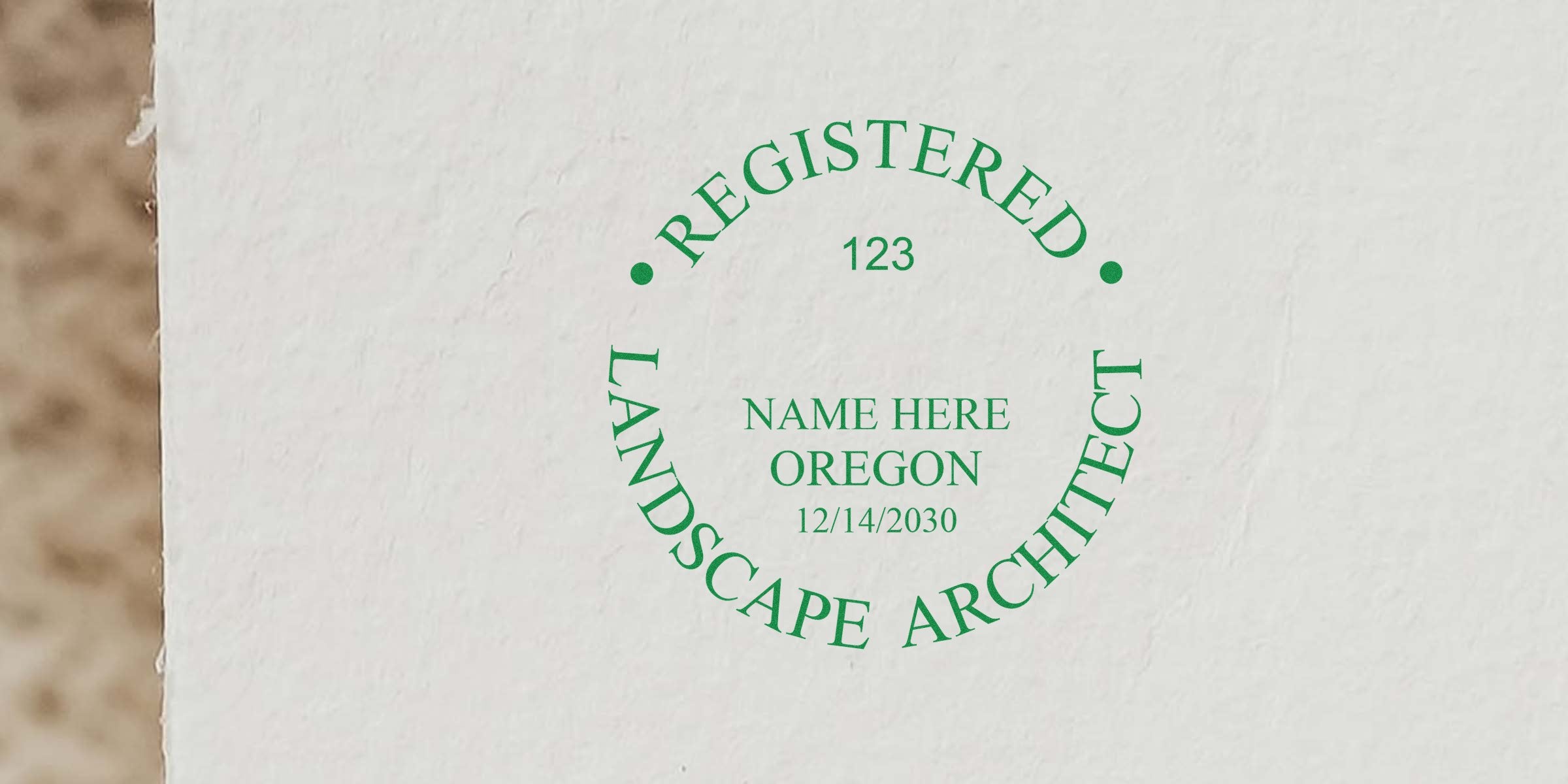
If you’ve ever wrestled with landscape architect stamp Oregon rules, you’re definitely not alone. Navigating the requirements for your official seal can feel like trying to piece together a puzzle without the cover image. The good news? Once you understand what the Oregon Board expects, you’ll handle your stamp or seal with more confidence and fewer headaches.
Below, you’ll find a straightforward guide to Oregon’s landscape architect stamp details, from stamp design rules to document requirements. Plus, you’ll get tips on digital seals and how to remain fully compliant with the state’s guidelines. By the end, you’ll have a clear path forward—and a firm grasp on exactly what you need to do.
Understand Oregon Stamp Requirements
Picture this: you finally land a dream project, and part of the contract specifies you must submit stamped plans. Understanding your obligations is crucial, because the state of Oregon wants to ensure that every piece of professional work is properly verified and traceable.
- You must hold a valid Oregon landscape architect license before using an official seal.
- The Oregon State Board typically provides guidelines for stamp size, format, and content.
- You should place the stamp or seal on professional documents such as drawings, plans, and specifications.
If you’re curious about more specifics, consider checking out our dedicated article on oregon landscape architect stamp requirements. It breaks down further details that may help you avoid inadvertent missteps.
Why the Stamp Matters
You might wonder, “Why does Oregon place so much emphasis on having an official seal?” The stamp serves as your professional signature. It indicates that you, as a licensed landscape architect, have reviewed and taken responsibility for the work. This mark of accountability not only assures clients and regulators of the document’s authenticity, but it also maintains the industry’s integrity.
Master the Role of the Seal
Understanding the stamp’s role is one thing, but what about the seal itself? A “seal” often refers to the unique format or design that distinguishes official documents. Combined with your stamp (the physical or digital impression), it confirms your credentials and indicates that the attached work meets Oregon’s standards.
- Some seals are embossed. Others are ink-based or digital.
- Regardless of the format, the seal’s main function is to make documents official.
- Rules typically stipulate that the seal must be legible and placed in a visible spot on each document.
Keep It Consistent
Everything about your seal and stamp should remain consistent across all your project submissions. This consistency applies to placement, legibility, and design. If you’re regularly using an electronic seal, be sure it mirrors the style and information of your physical one. Not only does consistency reflect professionalism, but it also helps Oregon authorities easily verify your credentials if they need to cross-check.
Follow Key Design Guidelines
Every state has unique specifications regarding the text and layout of an official landscape architect seal. Oregon is no different. Typically, the guidelines specify the diameter of the seal, along with what text you must include, such as your name, license number, and the phrase “Registered Landscape Architect.”
Common Design Elements
- Your full legal name, matching your state license records.
- Your license or registration number.
- The state designation, “Oregon,” prominently featured.
- A border or simple circle design that frames the text.
You may also find an outline of the state or the words “Landscape Architect” in bold. Double-check you’re following Oregon’s official template. If you’re unsure, the state board often provides sample images or PDFs illustrating acceptable stamps and seals.
Don’t Forget the Size
While it might sound silly to worry about the diameter of a circle stamp, it truly matters. A too-small seal can look cramped and illegible. A seal that’s too large or dramatically out of proportion could distract from the content of your documents. Oregon usually has a recommended size—often around 1 5/8 inches to 2 inches in diameter—though it’s best to confirm the current rules for the exact specification.
Explore Document Requirements
So you have your license, you have a brand-new Oregon landscape architect stamp or seal, and you’re ready to get to work. Where exactly do you place this mark, and on which documents?
- Construction Documents: Full sets of construction plans, drawings, and design schematics often need your seal.
- Specifications and Reports: If you’re producing written reports or cost estimates, sealing them can lend authenticity.
- Revisions: Whenever you update or revise a document, Oregon typically expects you to re-seal or indicate that the revised portion remains under your professional oversight.
- Final Deliverables: Most final submissions to clients, regulatory bodies, or other stakeholders need the seal.
A Word on Digital Documents
These days, a lot of your drawings and contract docs may remain entirely digital. Don’t assume you can skip the sealing process. Oregon generally allows digital seals, provided they carry the same information as the physical seal and can be validated as secure. Always confirm that your chosen software meets Oregon’s rules for electronic document submission.
Work With the Oregon Board
If you’re finding these guidelines overwhelming, remember the Oregon Board of Landscape Architects is there to help. The board’s primary mission is to protect public health, safety, and welfare by overseeing the practice of landscape architects. They publish rules and standards that licensees must follow, which means you can find a wealth of guidance right from the source.
Examples of Board Resources
- Detailed instructions on proper seal placement and usage.
- FAQs about renewing or updating your landscape architect license.
- Official contact details for clarifying any uncertain rule.
Don’t hesitate to reach out directly. While the board isn’t there to do the work for you, they can confirm whether your stamp design meets the state’s requirements or clarify how often you need to use it.
Choose the Right Supplier
Securing the correct stamp isn’t just about following Oregon’s guidelines. You also want a stamp that’s durable, easy to read, and accessible whenever you need it. This is where choosing a reputable provider plays a crucial role.
Why Acorn Sales?
Acorn Sales has been a trusted supplier of stamps and seals since 1964. Our deep expertise means you get a product that fully complies with Oregon’s requirements, so you won’t have to worry about reordering because of an unapproved design. We also offer a free digital seal with your purchase, allowing you to handle both physical and electronic documents seamlessly.
- Over half a century of experience in professional stamps and seals.
- Knowledge of Oregon-specific design and compliance requirements.
- Free digital seal included with your purchase.
Tips for Picking the Right Stamp
- Request a sample impression to see the quality firsthand.
- Verify that the supplier is up to date with the latest Oregon rules.
- Confirm any warranties or guarantees in case your stamp needs repairs or replacement.
Use Proper Digital Seals
If you’ve ever tried to get an electronic signature accepted in a formal setting, you know the process can sometimes feel complex. Digital seals follow a similar logic. They need to be secure, identifiable, and tamper-evident. While Oregon may differ slightly from other states, the basic approach often includes:
- A secure file format (PDF is commonly used).
- Encryption or an authentication process to protect the seal from unauthorized use.
- An embedded certificate verifying the digital signature or seal belongs to you.
With Acorn Sales, you can receive a free digital seal that’s ready for encryption or authentication. This extra convenience ensures you can confidently sign off on your digital plans and reports, without additional costs or complicated software.
Keep Electronic Records Organized
Once you adopt a digital seal, you might decide to go paperless for many projects. Organization becomes vital. Create a folder system or a naming convention that helps you (and anyone collaborating with you) track which documents are sealed. That way, you’ll never mix up a preliminary draft with a final sealed version.
Boost Your Professional Credibility
At first glance, stamping every plan, drawing, or report might feel like a chore. But let’s be honest, it’s more of an advantage than a burden. Your seal stands for professional accountability and tested expertise in Oregon’s landscape architecture field.
How a Stamp Builds Trust
- Demonstrates compliance with Oregon’s legal and professional standards.
- Delivers assurance to clients that you stand by the quality of your work.
- Differentiates you from non-licensed professionals who lack the authority to stamp documents.
When your clients see that official impression, they know you’re not just talking the talk—you have the credentials to back up your design decisions.
Showcasing Your Credentials
It’s easy to forget that not everyone understands the significance of an official seal. Your potential clients might wonder why the stamp is such a big deal. This is a prime opportunity to display your professionalism:
- Mention the Oregon stamp requirement in your proposals or on your website.
- Explain that stamping ensures your drawings meet rigorous industry and legal standards.
- Remind them that your license requires continuing education, meaning your knowledge stays fresh.
Final Thoughts and Next Steps
By now, you’ve seen just how integral seals and stamps are to your landscape architecture work in Oregon. They aren’t mere formalities, but valuable tools that highlight trustworthiness and expertise. Embracing the process from the start helps you stand out in a competitive field—and ensures that every design you create meets Oregon’s high standards.
Remember, if you ever feel uncertain about official requirements, reach out to the Oregon State Board of Landscape Architects for clarity. And if you’re looking for a one-stop solution for legally approved stamps and seals, including a free digital seal, Acorn Sales has you covered. We’ve been perfecting the art of professional stamps since 1964, so you can count on getting a product that’s both top-quality and fully compliant.
Moving forward, keep a checklist: confirm your license status, secure the correct seal design, stay updated on any rule changes, and place your seal in a recognizable spot on your documents. With this approach, you’ll navigate Oregon’s landscape architect stamp requirements like a pro—and build a practice that thrives on trust and credibility. Happy stamping!
Frequently Asked Questions
Do I Need a Physical Stamp If I Have a Digital One?
” Yes. Most Oregon regulations still require you to maintain a valid physical seal for hard-copy submissions. Having both on hand keeps you ready for digital-only or paper-based projects.
Where Should I Place My Stamp On Each Page?
” Place your seal in a consistently visible area, typically the lower right corner of drawings, or near your signature block in written documents. Make sure it doesn’t obscure critical details on the page.
Can I Reuse a Stamp From Another State?
” No. Each state requires its own designated seal design. If you have a stamp from a neighboring state, you’ll need a separate Oregon-approved seal for any official submissions in Oregon.
What Happens If My Stamp Wears Out Over Time?
” You can always replace a worn stamp with a fresh one, just be sure it meets the same design rules. Reputable suppliers like Acorn Sales will keep your design on file, making reorders a breeze.
Do I Need to Stamp Every Single Revision?
” Generally, yes, you should stamp or notarize any significant revision. Always ensure it’s clear which version of the document is current. Some architects add revision dates or a note to differentiate updates.








