
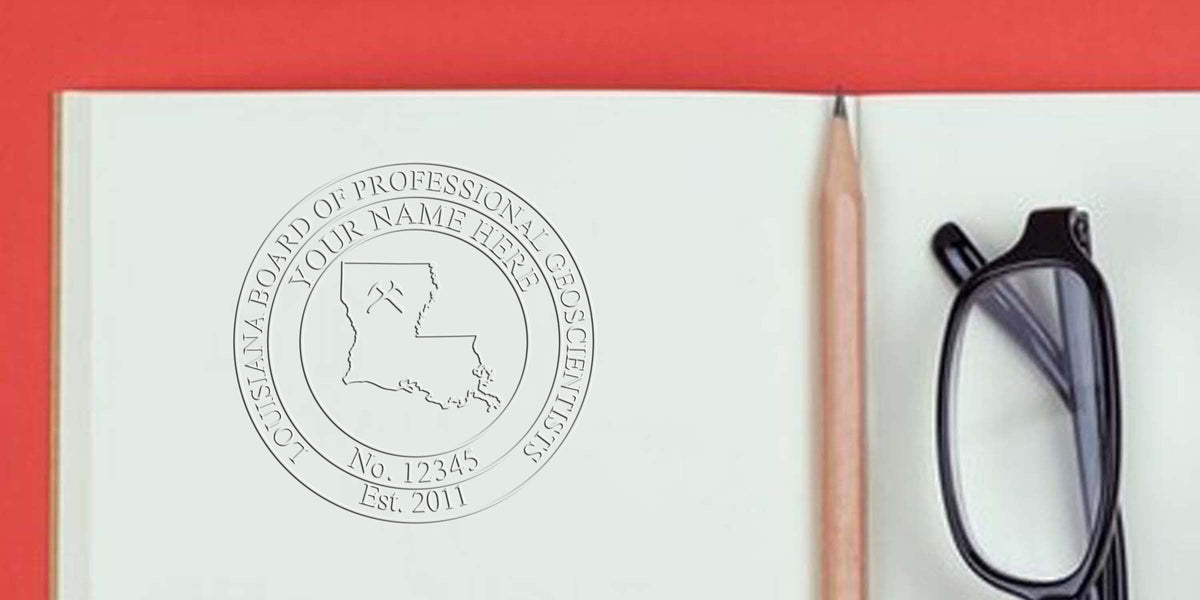
If you’re working toward your geology license in Louisiana or simply need to stay compliant with state regulations, then you’ve probably heard about the “Louisiana geologist seal.” At first, the rules can sound intimidating, but don’t worry. In this guide, you’ll find all the key information to make the process a breeze. We’ll walk through how the seal fits into your professional credentials, the steps required for licensing and usage, plus a few easy tips on common mistakes to avoid. By the end, you’ll have a clear roadmap so you can focus on what you really love—geology.
Grasp The Purpose Of The Geologist Seal
Your official seal is more than just a fancy impression on paper. It’s a statement of trust and a legal mark. When you sign and stamp a report, plan, or any other professional document, that seal affirms you stand behind your work.
Why The Seal Matters
It might feel like yet another administrative hoop to jump through, but the seal truly protects both you and the public. In Louisiana, stamping specific kinds of geological studies or reports is required by law. This requirement helps ensure that only qualified geologists are publishing certain technical findings, adding a safety net for clients, stakeholders, and the broader community.
Symbol Of Competence
The seal also symbolizes your expertise. Prospective clients or employers see it and immediately know that you’ve met the state’s standards and can be trusted to handle critical geological work. Think of it this way: just as doctors have medical licenses, you have your specialized seal that proves you’re the real deal in geology.
Check Licensing Requirements
Before you can finalize your seal, it’s important to confirm your licensing status. If you’re new to the field, you’ll need to go through a documented process—usually including education requirements, exams, and practical experience.
Who Regulates Louisiana Geologists?
The state typically operates under a board that oversees professional geologists, ensuring each licensed individual meets rigorous standards. Most often, you’ll find the guidelines spelled out in official Louisiana statutes or in publications from the regulatory board. If you haven’t already, check whether you must pass specific exams, log practical field hours, or collect academic credits. Those are your building blocks to becoming a licensed geologist in Louisiana.
Key Steps Before You Seal
- Pass All Required Tests: This may include professional geology exams that test everything from soil analysis to hydrology.
- Verify Documentation: Keep track of your transcripts, references, and proof of experience.
- Maintain Continuing Education: Many states, including Louisiana, expect you to stay current with ongoing training or development credits.
Once you’re confident that all the pieces of your licensing puzzle are in place, it’s time to move on to the next phase: actually getting the seal itself.
Obtain The Official Seal
Choosing the right seal is essential. You’ll see options such as an embosser (creates a raised impression), a rubber stamp, or an electronic seal. Each has its perks, and it’s up to you to decide which format best fits your day-to-day workflow.
Choosing A Trusted Supplier
Here’s where a reputable provider comes in. Ordering from a well-established company helps you avoid issues like incorrect seal design, or a lifespan that ends too soon. Acorn Sales has been operating since 1964 and has built a solid track record of providing quality stamps and seals. Your order also comes with a free digital seal, a handy option for virtual document submission. Working with a trusted supplier means you can check one more worry off your list—you’ll get a seal that meets the official design guidelines without any guesswork.
Electronic Vs Physical Seals
You may wonder which version you should grab, especially if you do a fair amount of remote work. Here’s a quick comparison:
| Feature | Electronic Seal | Physical Seal (Stamp or Embosser) |
|---|---|---|
| Convenience | Quick to place on PDFs and other digital files | Ideal for signed-and-stamped physical documents |
| Appearance | May include your name, license number, and official border in a digital format | Shows up as a stamped or embossed mark on paper |
| Security | Often password-protected or locked to authorized devices | Hard to replicate embossment, but a physical stamp can be misplaced |
| Official Validity | Accepted by many agencies if it meets state guidelines | Generally mandatory for mailed or physically filed reports |
Ultimately, it’s often best to have both. If the agency you’re submitting to wants an original ink impression, you’ll reach for your physical Louisiana geologist stamp. If they’re happy to accept digital submissions, just use the electronic version.
Use The Seal Properly
Now it’s time to talk usage rules because misusing your seal can lead to headaches or, worse, disciplinary action. When you place that seal on a document, you’re vouching for every word and figure in it.
Proper Placement
Placement varies slightly depending on the document, but typically you’ll stamp near your signature. Some professionals like to position it below the title block if you’re submitting a formal report. Others place it right under their final concluding statement. The key is staying consistent and following any guidelines from the relevant board or client.
When (And When Not) To Apply
- Always stamp when required by regulatory guidelines or when you’re finalizing an official report.
- Never stamp a preliminary draft. A seal on a work-in-progress can cause confusion about whether the information is final or still subject to changes.
- Exceptions might come up, such as an informal study that doesn’t require a seal, but double-check the relevant regulations to confirm.
Avoid Common Pitfalls
While navigating the Louisiana geologist seal process, a few typical mistakes can sidetrack your progress. Being aware of these pitfalls can save you time, money, and a whole lot of frustration.
- Forgetting Renewal: If your license renewal lapses, your seal may also be considered invalid. Mark your calendar or set an alert to stay on top of the renewal dates.
- Incorrect Seal Format: Even tiny deviations from the state’s required design can cause your documents to be rejected. Always verify that the supplier bases the design on current Louisiana standards.
- Overusing The Seal: Some professionals are tempted to place their seal on every piece of documentation as a show of authority. But if the rules don’t call for it, you might cause confusion. Seal only the documents you’re required to stamp, or those that clearly benefit from your official endorsement.
Acorn Sales: Your Trusted Supplier
Let’s face it, you don’t want to waste time double-guessing your seal purchase. Since 1964, Acorn Sales has specialized in creating high-quality stamps and seals—including Louisiana geologist stamps that align with state guidelines. Equally important, you get a free digital seal with your purchase, so you can stay versatile in today’s hybrid work environment.
What sets Acorn Sales apart is the emphasis on long-lasting materials and precise craftsmanship. You’ll find embossers that deliver crisp, raised impressions or self-inking stamps that are built to last. If you’ve ever dealt with a low-quality seal that smudges or wears out too fast, you already know how crucial good workmanship can be. With Acorn Sales, you’re set from day one—no fuss, no repeated orders for replacements.
When you’re ready to make an order, or if you just want a custom approach, the team is there to help. After all, you have enough on your plate with geological research, client demand, or exam prep. Sourcing your official seal shouldn’t be a puzzle.
Louisiana’s regulations on geology practice may feel like a lot, but the good news is that once you understand the basics, you can fulfill your responsibilities without stress. Knowing when to stamp, how to place your seal, and which supplier to trust all streamlines your experience. Take it step by step. And remember, a well-chosen geologist seal is not just a formality, but a powerful sign of your professional commitment. Here’s to simplifying your compliance so you can get back to digging deeper into the fascinating science of our planet!
Frequently Asked Questions
Do I Need A Separate Stamp And Seal In Louisiana?
It depends on your preference and the nature of your practice. Some geologists use a rubber stamp for everyday documents and an embosser for formal submissions. Others stick to one. The important thing is that they both adhere to Louisiana’s official design requirements.
Can I Use A Digital Version Of My Seal On Official Documents?
Digital seals can be valid, provided they match the state’s design specs and you follow your board’s rules for authentication. Many agencies accept secure, electronic versions, but always confirm with your client or the regulatory authority before sending in your digital documents.
How Long Does It Take To Get My Geologist Seal Through Acorn Sales?
Delivery times vary, but Acorn Sales usually ships orders promptly once you provide all the details. If you have a tight project deadline, you can ask about faster shipping options. It’s a good idea to get your order in well before you need to stamp any official documents, just to be safe.
What If I Need To Update My Seal After Changing My License Status?
Any changes to your license details—like a new license number or updated name—must be reflected on your seal. Order a new seal directly from your trusted supplier to keep everything accurate. Using an outdated seal could invalidate your documents.








