
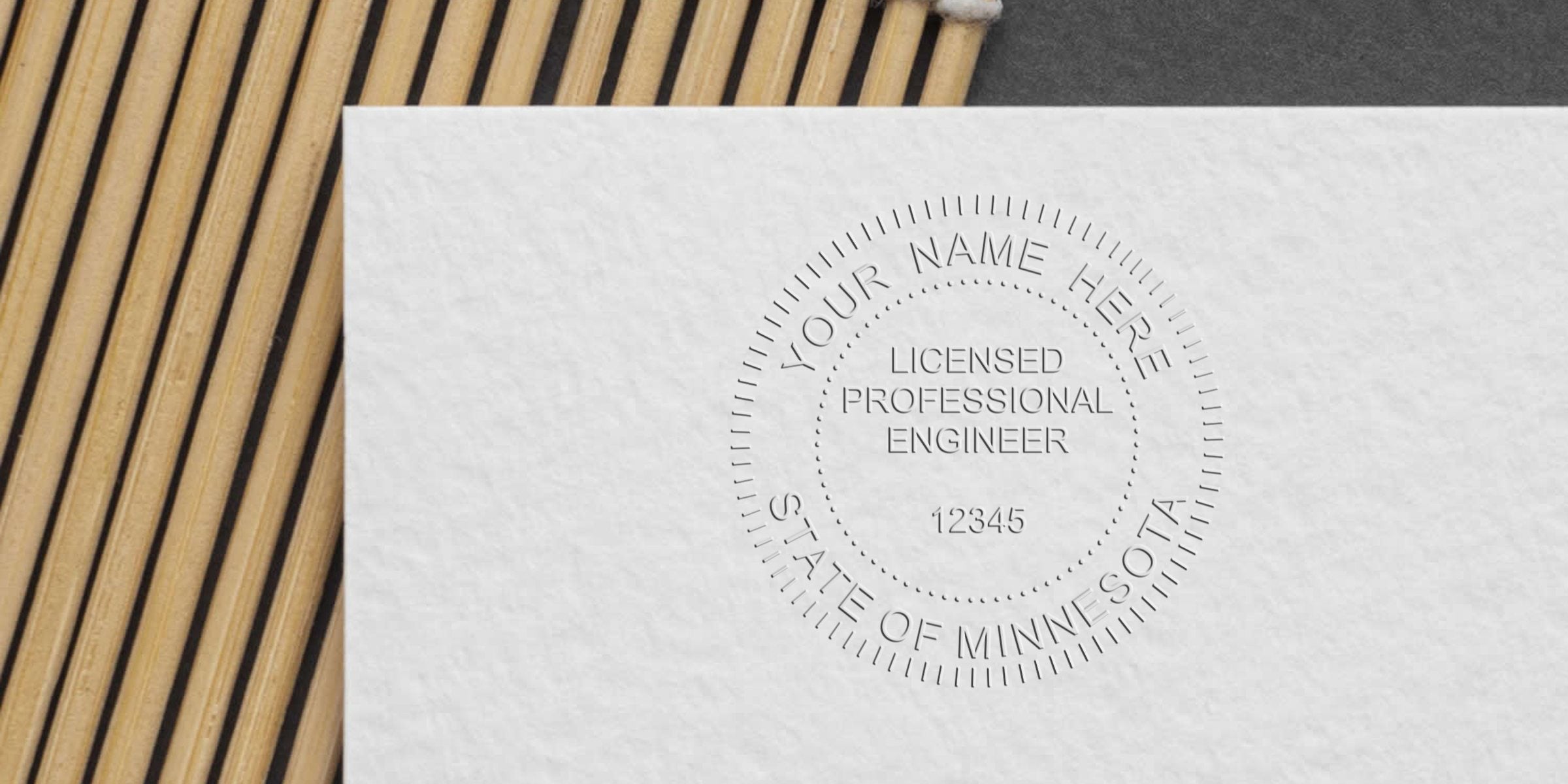
If you’re a licensed engineer or on your way to becoming one in Minnesota, you’ve likely come across Minnesota engineer seal laws. These laws define how your official seal should be used and displayed, ensuring you uphold public safety and maintain professional integrity. Let’s walk through the basics so you can confidently handle your sealing responsibilities.
Understand the basics
Seals aren’t just fancy stamps. They show that your work meets the state’s standards and that you’re taking responsibility for your designs or reports. Minnesota regulations address everything from what the seal should look like to how it’s applied (physically or digitally).
Why the seal matters
- Legitimacy: Shows you’re authorized to practice in Minnesota.
- Accountability: Affixes accountability to your projects, documents, and reports.
- Public trust: Helps clients and government agencies trust your engineering solutions.
Who needs it
If you’re planning to submit drawings, plans, or official documents for projects within the state, you’ll need to apply your seal. In some cases, you may need multiple seals for multi-disciplinary work—just be sure you follow the relevant guidelines in each scenario.
Follow compliance steps
Understanding Minnesota’s regulations may feel overwhelming, but a structured approach keeps it simple. Always double-check details with official sources, and keep up with any policy updates that might arise.
Step 1: Confirm your credentials
Make sure your PE license is up to date. If your license is expired, you’ll need to renew it before using your seal. Staying current also makes you well-positioned for any compliance audits. For more details, you can track down the Minnesota Board of Architecture, Engineering, Land Surveying, Landscape Architecture, Geoscience, and Interior Design to confirm official procedures.
Step 2: Interpret the design rules
Minnesota requires a specific format and size for your seal. These details might seem minor, but they’re part of regulatory compliance. If you want a quick refresher, check out the minnesota engineer stamp requirements. It breaks down key design guidelines so you don’t miss a thing.
Step 3: Engraved vs. electronic
Some engineers prefer physical stamps with engraved designs, while others rely on digital seals. Both are typically valid when applied correctly. Just make sure your electronic seal meets Minnesota’s standards for security and authenticity. Forgoing proper e-seal measures can result in issues if your sign-off is questioned later.
Choose a trusted supplier
Finding a high-quality stamp or seal provider can remove a lot of stress. You want a product that’s easy to use, matches the legal specs, and hangs in there for years to come.
Our approach at Acorn Sales
Acorn Sales has been in business since 1964, and we specialize in creating quality Minnesota PE Stamps and MN PE Seals. You’ll also get a free electronic seal with every stamp purchase. That means you can go digital when needed, without extra cost. Plus, our super fast turnaround ensures you’re not left waiting when you’ve got deadlines on deck.
Evaluate stamps vs. seals
- Traditional stamps: Simple, sturdy, and ideal for large sets of physical documents.
- Embossing seals: Provide a raised impression that’s hard to replicate.
- Digital seals: Perfect for online submissions and secure PDF documents.
Compare your project needs, personal preferences, and budget. Acorn Sales is here to help you find a solution that checks all the compliance boxes.
Wrap up your compliance
Navigating Minnesota engineer seal laws doesn’t have to be a hurdle. Start by staying on top of your Minnesota license, confirming your seal’s design, and deciding whether you prefer a physical or electronic format. Once that’s set, you’ll be stamping and sealing with confidence. If you need reliable seals and stamps, you can trust Acorn Sales to have you covered.
Feel free to contact Acorn Sales for any additional questions or product advice. Our mission is to make the entire sealing process as smooth and hassle-free as possible.
Frequently Asked Questions
Is it mandatory to place a seal on every document?
It depends on the type of work. Generally, you must seal drawings, final project documents, and issued reports. Always verify if a document meets the criteria set by the Minnesota Board.
Do I need a separate seal for multiple engineering disciplines?
If you’re licensed in more than one category, you may need multiple seals or a unified seal that includes each discipline. Check with the board to ensure your approach meets their standards.
Can I use an electronic seal if the project is partly on paper?
Yes, you can mix and match physical and digital sealing as needed, as long as each finalized document has the correct seal. Make sure your electronic seal uses acceptable security features before submitting.
What if my seal smudges or is partially unreadable?
It’s best to reapply or attach a properly generated seal. A clearly visible seal is crucial in demonstrating compliance and authenticity to regulatory bodies.
How do I update my seal if my name changes?
If your legal name changes, you’ll need an updated license from the board and a new seal that matches. Failure to update may cause confusion or lead to non-compliance issues.








