
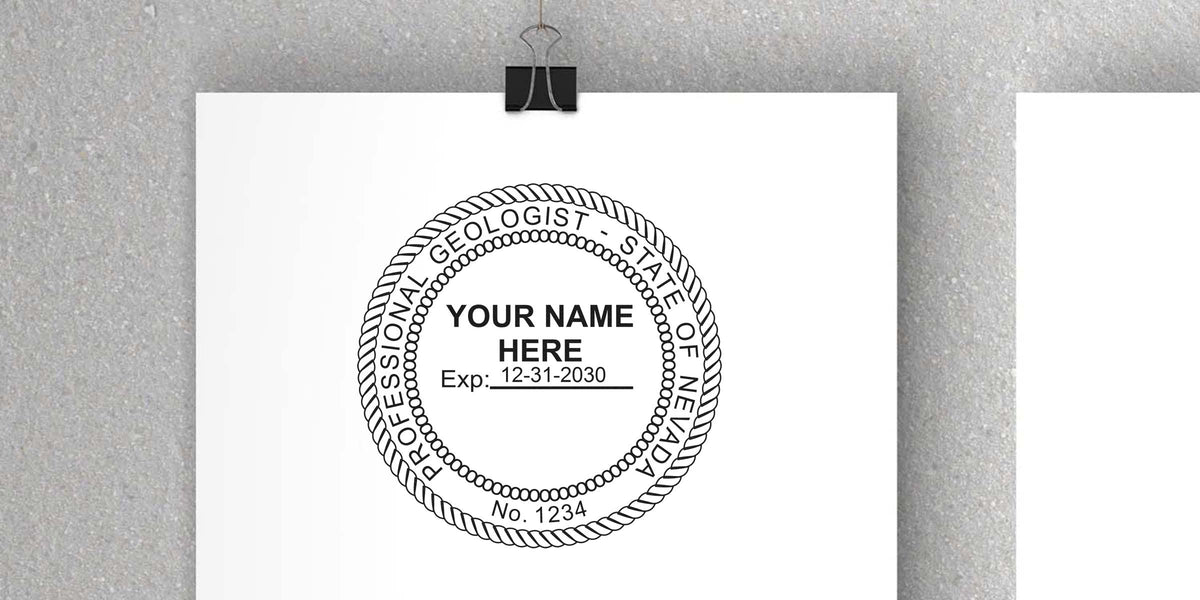
Navigating the regulations around your Nevada licensed geologist seal can feel overwhelming at first, especially if you’re not sure where to start. But once you break down the key steps, it becomes a straightforward process to ensure your geological work in Nevada is compliant. In this guide, you’ll learn about licensing basics, why a seal matters, how to meet formatting rules, and where to get your seal reliably. Let’s dive in so you can tackle everything from official documents to renewal deadlines with confidence.
Understand Nevada Licensing
Licensing for geologists in Nevada is overseen by a regulatory authority that sets the state’s standards and ensures only qualified professionals practice. If you plan on performing geologic surveys, signing off on reports, or submitting official documentation, the Board will generally require you to hold a current license. But licensure isn’t just a piece of paper; it’s a way to signal your expertise and credibility. When you apply for a license, you’re demonstrating that you’ve met Nevada’s education, exam, and experience prerequisites.
Key Steps Toward Licensure
- Complete all educational requirements, usually a degree in geology or a closely related field.
- Accumulate the necessary supervised work experience from a recognized mentor, which might include fieldwork or specific geologic projects.
- Pass any official exams Nevada mandates, confirming your knowledge of geologic principles and local regulations.
- Submit your fees and application to the state Board, then wait for approval.
Why The Board Is Important
The state Board is tasked with protecting the public from unqualified practitioners. By ensuring that you’ve checked every box, the Board offers peace of mind to clients, employers, and the broader community. Once you receive your license, you can proudly represent your qualifications in proposals, official documents, and sealed reports.
Recognize The Role Of Your Seal
You might be wondering, why is the seal even necessary once you’re licensed? Think of your seal as an official stamp showing you stand behind the quality and accuracy of your work. Whether you’re verifying site investigations, documenting safety checks, or certifying laboratory results, the seal confirms that a licensed geologist has signed off on that data.
When To Use It
- Official geologic surveys that go to county or state offices
- Environmental impact studies filed with local authorities
- Structural foundation reports used by engineers and architects
- Any project where approval hinges on a certified geologist’s input
Once you place a seal on a document, you’re essentially saying, “I affirm that this information is true and meets Nevada’s professional standards.” It’s an equally exciting and weighty responsibility.
Know The Layout Requirements
Nevada’s rules specify the basic design and layout of your geologist seal. You’ll often see a circular border that includes your name, your license number, the words “Professional Geologist,” and a reference to the State of Nevada. For digital versions, the Board may dictate that the seal matches specific size and clarity standards so it remains legible in electronic files.
Common Design Elements
- Circular shape: Usually the most straightforward recognition of professional status
- Your name: Precisely as it appears on your license
- License number: Must be accurate and up-to-date
- State reference: “State of Nevada” or a similar phrase identifying the location
- Professional title: Typically “Licensed Geologist” or “Professional Geologist”
Digital Vs. Physical Formats
Today, many professionals prefer to use a digital seal. Accepted file formats often include JPEG, PNG, or PDF. Proper resolution is crucial to keep text and borders crisp—nobody wants to squint to confirm your license number. Meanwhile, some documents still call for an old-fashioned ink stamp or embossing device. If you handle both paper and electronic submissions, you’ll likely need a physical seal as well as a digital one to cover all your bases.
Acquire And Maintain Your Seal
Once you understand the general layout and design, it’s time to actually get your Nevada geologist seal. Of course, the Board can tell you the requirements, but they don’t typically provide seals themselves. That’s where a trusted supplier like Acorn Sales comes in. We’ve been in business since 1964, providing professional seals and stamps to meet state standards across the country. So, whether you need an embosser, a simple self-inking style, or a fully digital seal, you can count on reliable quality.
Why Choose A Trusted Supplier
- Guaranteed Compliance: You don’t want to risk a seal that doesn’t meet Nevada’s exact specifications.
- Free Digital Seal: At Acorn Sales, you can often receive a free digital seal version when you order a traditional device.
- Quality Materials: Legit seals should last for years without smudging, fading, or wearing away.
- Customer Support: A reputable supplier will help you select the right type of stamp, handle manufacturing specs, and offer replacements if something goes awry.
If you’d like to explore specific options, check out the nevada geologist stamp page, where you’ll find detailed descriptions of recommended products. For a busy professional, finding a single source for everything from digital files to physical seals streamlines the entire stamping process.
Maintaining Your Seal Over Time
Keeping your seal in good shape isn’t just about neatness. You’ll also want to confirm each year (or each renewal period) that the information on your seal is still correct. If the Board changes a licensing rule or modifies the standard seal layout, you need to stay current. Reorder or update equipment if anything changes—don’t rely on an old stamp that might fail an audit.
- Reink your self-inking stamp to avoid partial or faded marks.
- Clean your embosser carefully, especially if you’re working in dusty environments.
- Store your seal in a protective case if you’re traveling to different job sites.
Avoid Common Pitfalls
Although it’s a fairly simple process to acquire a seal, there are a few common mistakes that can land you in hot water if you’re not careful.
Misusing The Seal
You should never place your seal on documents outside your area of expertise. The Board expects you to stamp only the work you’ve either completed yourself or supervised and verified. Also, avoid letting anyone else use your seal. Letting a colleague “borrow” it can create ethical red flags and potential legal trouble.
Incorrect Format Or Data
Sometimes, geologists order a seal without double-checking that the name exactly matches their license. Or they transcribe their license number incorrectly. Mistakes like those can invalidate the documents you sign and cost you additional time and money. Always confirm what the Board’s website (or your license) states is your official name, then precisely copy that onto your seal request form.
Overlooking Renewals
Remember that your license may need to be renewed every few years. If you miss the renewal window, you risk forging ahead with an expired license. Using a seal with an inactive license can incur fines or other disciplinary measures. Mark your calendar or set a phone reminder so you never slip up on these dates.
Final Thoughts
Getting your Nevada geologist seal is more than just a box to check. It represents your commitment to professional ethics, public safety, and the integrity of your fieldwork. By carefully selecting a seal that meets Nevada’s requirements, verifying your data against official sources, and knowing when and how to apply your stamp, you’ll keep your projects on the right side of compliance.
If you haven’t already, take a moment to confirm that all your licensing details match exactly. Then, explore the options for both physical stamps and digital seals—especially if you’re regularly dealing with electronic files. That way, you can claim full ownership of your professional standing in Nevada. And remember, if you ever feel uncertain about any step, a quick consultation with the state Board or a trusted supplier like Acorn Sales can clarify even the trickiest concerns.
All set? Great. With your seal in hand and your license kept up to date, you’re equipped to tackle your geology projects without worrying about the fine print. Go ahead, authenticate those reports and show the world you’re a fully verified, Nevada-licensed rock star in your field.
Frequently Asked Questions
Do I Need A Physical Stamp If I Have A Digital Seal?
That depends on the documents you file. Many agencies still require hard copies with an actual ink or embossed seal. If all your submittals are digital, then a high-resolution electronic version might suffice. However, having both can save you headaches when a surprise request for a physical copy arises.
What Should I Do If My License Number Changes?
Occasionally, board rules or personal name changes can result in updated licensing info. In that case, you’ll need to order a new seal to match the current data. Continuing to use a stamp with an outdated number can invalidate official documents.
Can I Customize The Design Beyond State Requirements?
The short answer is usually no. While you might see some unique design options out there, the Board typically wants a standard, recognizable seal. If you want to add touches like special colors on a self-inking device, check with the Board first to ensure that it won’t conflict with compliance.
Where Can I Find A Trustworthy Supplier?
Acorn Sales has been a trusted supplier since 1964, offering high-quality seals and stamps curated for each state’s regulations. We also provide a free digital seal with your purchase, so you’re fully equipped for electronic submissions. Always look for a supplier that guarantees their products align with your Board’s standards and offers a responsive customer service team in case you need a quick fix.








