
Understand the Purpose
If you’re working toward becoming a licensed geologist in the Granite State or you’ve been practicing for years, you’ve likely run into the new hampshire licensed geologist stamp requirement. This official mark shows that your documents meet the standards set by local regulations. It’s more than just an ink stamp, though. It’s the state’s way to confirm that you, the professional, have the credentials to evaluate geological data, sign off on reports, and guide projects.
Ever wonder why there’s so much emphasis on having a stamp? The answer is clear: New Hampshire wants to protect public interest and ensure that only qualified professionals handle sensitive tasks like environmental assessments and land surveys. Because geology often influences big decisions (like where people can safely build, drill, or mine), it’s vital that your documentation is unambiguous and authoritative. That’s where the stamp shines. Let’s explore how you can fulfill these requirements and keep your license in good standing.
Recognize The Official Stamp
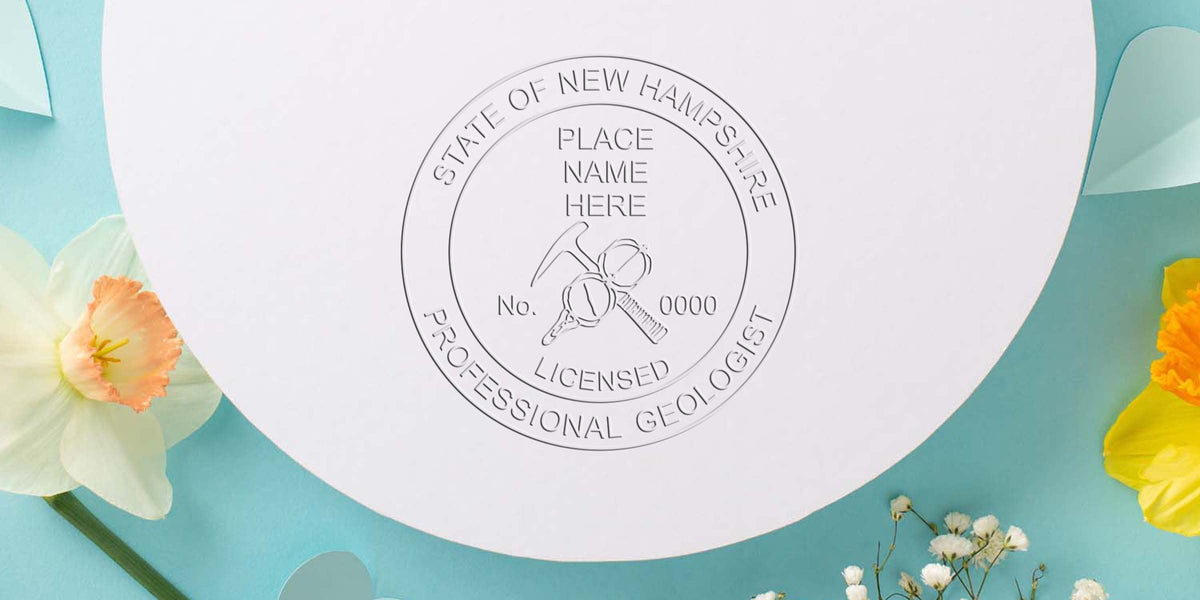
Before diving into technicalities, it helps to understand exactly what this stamp is. In essence, it’s your official seal of approval on professional work. It includes your name, license number, and any other details mandated by the state’s regulations.
- Proof of Professionalism: Your stamp tells reviewing agencies and clients that a licensed geologist has overseen the work.
- Public Assurance: A stamped report or plan reassures the community that health, safety, and environmental standards are taken seriously.
Since each state has slightly different rules, the New Hampshire stamp has its own design and text layout. Many geologists also choose to have a digital version, which makes applying the seal to PDF reports simple and keeps the workflow efficient.
Check New Hampshire Requirements
New Hampshire’s Board of Professional Geologists establishes guidelines that you’re expected to follow. These guidelines detail how you acquire your license, how you maintain it, and how you use the stamp to authenticate your professional output. Here’s a quick breakdown of what you need to know.
Steps To Licensing
- Fulfill Educational Criteria: Typically, you need a qualifying degree in geology or a related field.
- Gain Practical Experience: Graduate school or on-the-job training, plus documented work hours, goes a long way toward securing your license.
- Pass Exams: Once you meet experience requirements, you take the state-sanctioned examinations covering geology fundamentals and practice.
- Submit Required Paperwork: Finally, provide proof of identity, transcripts, exam results, and any other documents the board requests.
Once you pass all these steps, you’ll receive your official license number. That number appears on your stamp, physically linking your name to your professional credential.
Why A Stamp Matters
The stamp is the final step to show you’re in alignment with state regulations. New Hampshire wants to prevent unqualified individuals from offering geological services, and your seal helps them do just that. When you place it on project documents, you’re effectively saying, “I stand by these findings,” ensuring accountability and accuracy in your reports.
Follow Stamp Specifications
Each state can have strict specifications regarding what goes on your stamp. This helps standardize professional seals so they’re easy to recognize and interpret. For a New Hampshire geologist, guidelines often relate to size, format, and relevant text fields.
Layout And Size
Most states require a circular or rectangular layout with specific diameter or dimension recommendations. If you’re ordering a stamp from a supplier, check that they follow the board’s direction on:
- Outer ring text (e.g., “State of New Hampshire”)
- Inner circle or box for your name and license number
- Any official reference to your “licensed geologist” status
It’s a good idea to keep a copy of your board’s regulations handy so you can confirm any vendor’s design before production.
Physical Vs. Digital
Physical stamps are the classic route, using either a rubber stamp or an embosser that leaves a raised impression on paper. Meanwhile, a digital seal is simply a digital file you can overlay on electronic documents. In many cases, New Hampshire acknowledges digital marks as valid, provided they meet encryption or originality checks. Double-check the board’s stance on e-signatures too, so you know exactly when you can use physical vs. digital methods.
Shop For Your Official Stamp
Once you know the specs, the next step is finding a reliable place to order your seal. You want quality, speed, and confidence that the product you receive truly meets state requirements. That’s where Acorn Sales can lend a hand. We’ve been crafting professional stamps for over 60 years, so you’ll be tapping into decades of expertise.
Physical stamps are still the go-to for many geoscientists, especially if you frequently send out paper documents. However, modern offices appreciate the flexibility of having both a physical seal and a digital one. You can get that all in a single purchase from a trusted supplier. And best of all, you want to ensure you’re dealing with a company that stands by their products if regulation changes happen down the road.
Vendor Considerations
When picking your vendor, pay attention to a handful of factors:
- Longevity: Has the vendor served professionals for a lengthy period, and do they understand local laws? Acorn Sales, for example, has been around for more than half a century, so they’ve witnessed regulatory shifts and know how to adapt.
- Design Clarity: A crisp, readable design is crucial. Smudged or faint stamps can cause headaches when your documents undergo review.
- Free Digital Seal: Getting a digital seal at no extra cost saves you time and money. Acorn Sales includes this free with each eligible order, so you can hit the ground running.
- Customer Service: You want a responsive support team if you have questions about design proofs or updates.
If you’re ready to get your official geologist seal, you can order through new hampshire geologist stamp. They’ll guide you through selecting the right style and verifying the final design. Having that peace of mind lets you focus on the parts of geology you actually enjoy—like performing your research or exploring interesting rock formations.
Put Your Stamp To Work
Getting your stamp is only half the journey. Once you have it, you’ll need to use it properly so your documents comply with regulations. Generally, any officially submitted document that details your professional findings or recommendations needs a stamp and your signature.
- Reports on geological surveys
- Boring logs (soil and rock data)
- Site plans for construction or mining
- Geotechnical analyses for structural foundations
Don’t forget that each of these documents must carry your personal sign-off. A missing seal, or even a seal missing a proper signature, can delay approvals or risk your credibility in front of boards and clients.
Common Mistakes To Avoid
- Illegible Impressions: Make sure the full text on your stamp is easy to read. Applying too much or too little pressure can smudge the ink.
- Omitting the Signature: Some folks think the stamp alone is enough, but most states still require a handwritten or secure digital signature.
- Wrong Documents: You don’t need to stamp daily emails or internal memos. Pay attention to what your board classifies as “official findings.”
Maintain Your Professional Compliance
Beyond simply getting the stamp, you’ll need to stay up-to-date on any changes in state policy. New Hampshire’s board occasionally revisits rules about design elements, so it’s wise to review those guidelines annually. If something changes, you might need a new seal or an updated version with revised text.
Equally important is renewing your license when required. Many professional boards set a time period after which you must apply for continued licensure or document continuing education credits. Missing a renewal can create a gap in your professional status, which might make your stamp invalid during that period. If that happens, you may have to go through extra steps to restore your license. A proactive approach saves time and stress.
Final Thoughts
Meeting New Hampshire’s stamp requirements isn’t just about following the rules. It’s about proving your professionalism and helping protect public safety. When you invest in a reliable, compliant stamp, you show clients, colleagues, and regulating bodies that you take each project seriously. Plus, you’ll save yourself a headache if or when the board does a spot-check on your documents. If you’re getting ready to order your seal, consider Acorn Sales. We’ve been making stamps for 60+ years, and we bundle in a free digital seal so you’re covered in both print and online settings. Good luck with your licensure journey, and keep raising the bar for geological excellence.
Frequently Asked Questions
Do I need a physical seal if I mostly file digital reports?
In many cases, a digital seal is acceptable for electronic documents. However, it’s still a good idea to keep a physical stamp for situations where paper submissions are required. Double-check with your board just to be safe.
Is there a standard size for my seal design?
Yes, New Hampshire usually provides specific diameter or dimension guidelines. Acorn Sales can help ensure you meet any mandated measurements.
What if I move out of state or let my license lapse?
Once your license is inactive or revoked, your stamp is no longer valid. You may be required to reapply for licensure in the new state or get reinstated in New Hampshire, depending on your circumstances.
How often should I change or update my seal?
If the board publishes a revised design or if your name changes (for instance, due to marriage), you’ll need a new stamp. Otherwise, maintain the same seal as long as your license stays current.








