
Understand New York Landscape Architect Stamp Basics
If you’re preparing to practice landscape architecture in New York, you’ll quickly encounter the topic of “New York landscape architect stamp requirements.” It might sound like just another piece of red tape, but the truth is, having a valid stamp or seal is an important part of demonstrating your professional credibility.
New York law expects licensed landscape architects to place a properly designed stamp on relevant documents they produce or oversee. This helps everyone—from government officials to private clients—verify the legitimacy of your work. Since stamps are legal identifiers, you’ll want to fully understand what you need, why you need it, and how to keep your stamping process above board.
Why You Need a Valid Stamp
Think of a professional stamp as your personal brand of trust. It tells your client, "Yes, I’m licensed and accountable for this design." For official plans, project proposals, and other critical deliverables, you’re typically required by New York law to stamp them for compliance. If you skip this step, the documents can be deemed invalid, or the licensing board might question your professional conduct.
Additionally, a stamp helps protect your intellectual property. By sealing your drawings or reports, you signal that you, the licensed landscape architect, are in charge of the work. That layer of confidence can help differentiate you from unlicensed individuals who might try to produce or sign off on similar designs.
Key Elements of a New York Stamp
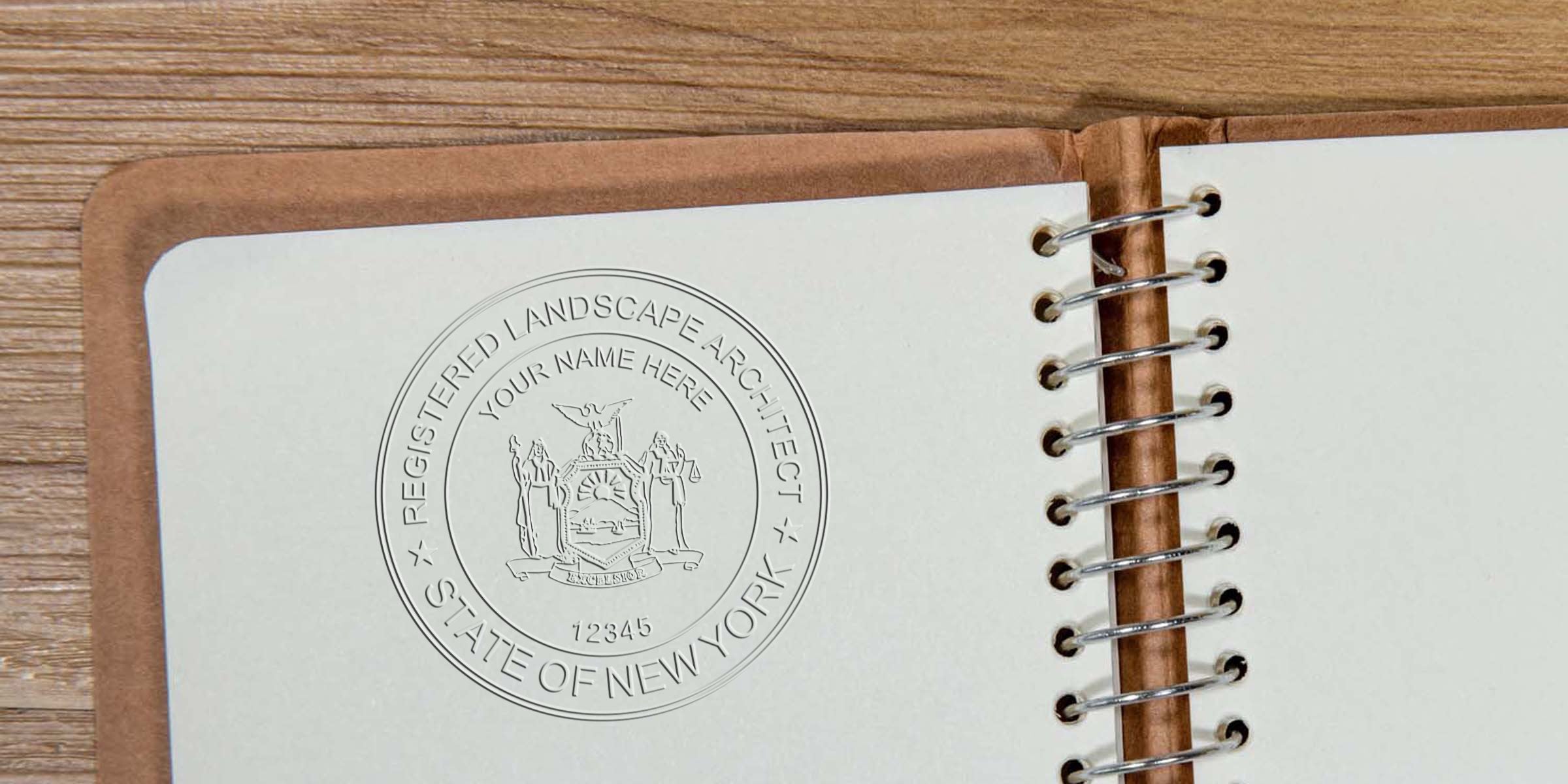
New York’s licensing board sets detailed guidelines to ensure stamps maintain a standard format and include essential identifying information. Typically, a landscape architect's stamp features:
- Your name as registered on your license
- The phrase “Licensed Landscape Architect”
- Your license or registration number
- The words “State of New York”
If you’d like an in-depth breakdown of how to design your seal, you can check out the New York Landscape Architect Seal Design resource. This ensures you follow the specific layout and text arrangement the state expects.
Meet the Responsibilities That Come With Licensing
Holding a New York landscape architect license is an honor but also a responsibility. It’s not just about getting a stamp—you have to use it ethically and accurately in all your professional documents.
Understanding Professional Liability
Whenever you place your stamp on a set of drawings or a landscaped site plan, you’re declaring that you take personal and professional liability for the work. If an error is discovered, the licensing board will look to you for an explanation. You’ll also want to ensure all your design work meets the relevant building codes and safety regulations in New York.
Importance of Seal Authenticity
A properly used seal or stamp shows that your documents haven’t been tampered with. If you’re concerned about fraudulent use or design duplication, adding additional features—like a date or project reference—can further verify authenticity. You can learn more about standard specifications by reviewing the New York Landscape Architect Seal Specifications guidelines.
Comply With Specific Design Requirements
New York sets certain design rules to avoid confusion among the different professional seals (architects, engineers, and landscape architects). Adhering to the state’s expectations helps you avoid misinterpretation.
Layout and Size
Your seal often needs to be a circular or rectangular design, legible at a specific diameter, usually around 1 3/4 inches to 2 inches. Fonts should be clear, and your licensed name and number must be easily readable. You can browse New York Landscape Architect Seal Examples to see what the size and text hierarchy should look like.
Common Mistakes
- Placing your stamp on pages you didn’t create or supervise.
- Using a seal design that doesn’t match your legal name.
- Forgetting to include your license number or the phrase “Licensed Landscape Architect.”
- Using an outdated or unapproved seal design.
These mistakes can lead to compliance issues or possibly delay project approvals. One simple fix is to make sure you review New York Landscape Architect Stamp Guidelines, so you’re always in sync with current rules.
Select Your Ideal Seal or Stamp Format
One size seldom fits all, especially for design professionals. You have choices: an ink stamp, an embosser, or a digital seal. Each has its perks and best-use scenarios.
Comparing Ink Stamps and Embossers
Ink stamps remain popular for their clarity and speed—you can quickly place your seal on multiple documents. If you’re looking for a more visually striking impression, an embosser might be your style. Embossers create a raised seal that’s often used for high-end presentations or official letters. If you'd like to find out more about embossers, explore New York Landscape Architect Seal Embosser, which covers the pressing details (pun intended).
Deciding which format is right for you partly comes down to aesthetics and practicality. If you’re dealing with delicate or glossy paper, an inking device might smudge. On the other hand, an embosser can sometimes be less visible if the paper is thick or darkly colored.
Digital Seals and Their Role
As online submissions and paperless workflows grow more common, digital seals are catching on. A digital seal lets you affix a secure, encrypted version of your stamp on electronic files. It’s a great way to maintain compliance in a modern, remote work environment. Plus, many agencies in New York now accept electronically signed and sealed PDF documents for initial reviews.
Need more details? Check out New York Landscape Architect Stamp Information for additional insights into the digital approach. If you’re ready to create a quick mockup for your digital seal, you might also appreciate a New York Landscape Architect Seal Template that helps you visualize the final design before ordering.
Acquire Your Approved Stamp
Once you know which stamp format suits your routine—ink, embosser, or digital—you’ll want a reputable vendor to craft it. High-quality stamps produce precise imprints that stay readable, which is vital for ensuring your documents are legally valid.
Acorn Sales has been a trusted supplier of professional stamps and seals since 1964, dedicated to delivering crisp impressions that meet official regulations. Every order includes a free digital seal, so you can handle both paper and electronic submissions seamlessly. When you’re satisfied with the layout, you can rest easy knowing your stamp meets all the crucial requirements. If you’re curious about costs, you can explore the New York Landscape Architect Stamp Cost page.
Work With Trusted Vendors
What makes a “trusted vendor”? Look for one that:
- Has experience with New York rules
- Provides clear proofs or templates before final production
- Offers durable construction for stamps or embossers
- Includes detailed support if you have questions about usage
By choosing a reliable company, you reduce the odds of needing to replace your stamp, fix design errors, or worse—sort out compliance issues that hold up a project.
Follow Proper Usage Guidelines
Stamp usage is more than a quick press and signature. Each time you stamp a document, you’re providing official testimony of your professional responsibility.
Placing the Stamp on Official Documents
When you insert your stamp, make sure it’s positioned in a clear space, typically in the title block or near the signature line. The stamp must remain fully visible, preventing partial impressions that look sloppy or questionable.
Also, pay attention to color—some architects choose blue ink to stand out from black-and-white drawings, while others stick with black ink to maintain a formal look. If you prefer an embossed seal, press it firmly so the raised design reads cleanly.
Maintaining Legal Compliance
In addition to correct placement, make sure you apply your stamp only after you have thoroughly reviewed and finalized your design. New York regulations emphasize personal oversight and professional responsibility. You can find a step-by-step explanation of the state’s protocols at New York Landscape Architect Stamp Application Process, which breaks down how to register your stamp details.
Remember, it’s better to be proactive than risk any potential issues later. If updates occur to your license status—or if the state modifies rules—adjust your stamping process accordingly.
Check State Regulations Periodically
Landscape architecture regulations sometimes shift in response to new technologies or industry standards. It’s a good idea to review state updates at least once a year to ensure you remain fully compliant.
Renewal and Updates
You’ll renew your landscape architect license according to your board’s schedule, typically every few years. Some changes could affect the layout or verbiage of your seal. Keep an eye on official state announcements or professional bulletins to verify whether your current stamp remains valid.
Penalties for Noncompliance
What happens if you don’t comply? In some scenarios, your work could be rejected by authorities, causing delays and frustration. Repeated noncompliance might draw disciplinary action from the licensing board. Ultimately, continuously using an outdated or incorrect seal is not worth the risk—especially when reviewing your stamp design only takes a few moments.
Navigating these New York landscape architect stamp requirements might feel overwhelming at first, but once you know what’s expected, everything clicks. Your seal is more than a bureaucratic formality; it’s a mark of your professional integrity. By using a high-quality stamp from a trusted supplier like Acorn Sales, you’re equipped to deliver official documents confidently.
Feel free to explore the internal links provided here for deeper insights—from design guidelines to application processes—and remember to keep an eye on any regulatory updates. You’ve got this. Happy stamping!
Frequently Asked Questions
Do I need approval before ordering my seal?
You’re not legally required to have every single detail pre-approved, but it’s wise to match official guidelines closely. Many professionals order a draft proof or use a New York Landscape Architect Seal Template.
Can I use a digital seal instead of a physical stamp?
Yes, in many situations, especially when submitting electronic documents. However, check if your specific department or municipal authority still requires a physical impression for final records.
What if my stamp wears out or gets damaged?
You should replace it immediately to ensure the impression remains crisp and accurate. Trusted providers like Acorn Sales have been around since 1964, so reordering or upgrading is a straightforward process.
Where should I place my stamp on drawings?
Typically near your signature block or title block, where it’s easy to see and won’t obstruct essential details. Make sure nothing overlaps your license number or the “State of New York” text.
Is there a specific ink color required by the state?
There’s no universal mandate on color. Some architects prefer black ink for a formal look, while others use blue ink to stand out. Just ensure it’s clearly legible against the paper or background.








