
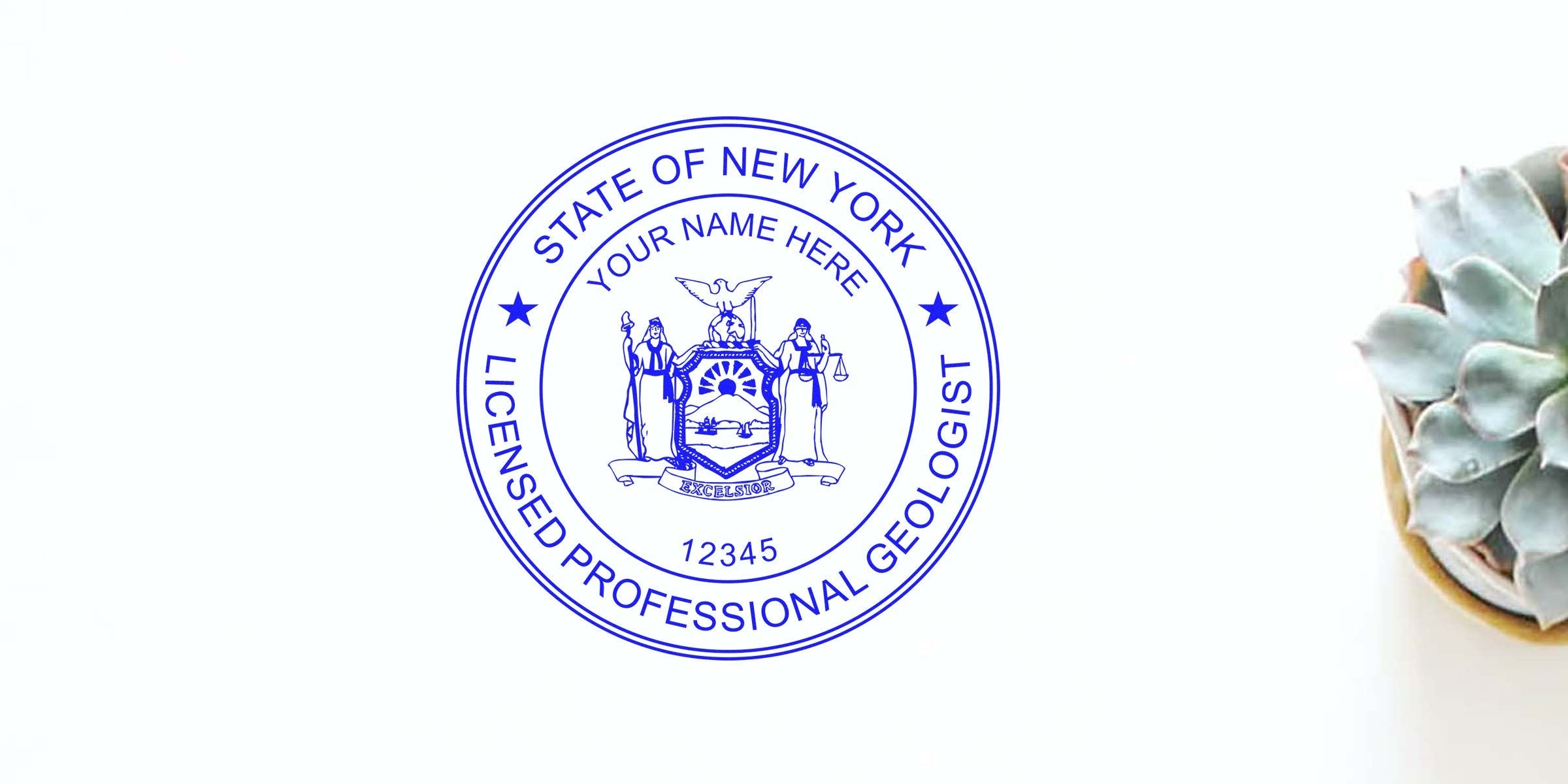
If you’re getting ready to work in the Empire State, you’ve probably heard a lot about the New York professional geologist stamp. You might be asking yourself what it does, why you need it, and whether your projects truly hinge on this official accessory. It can feel a little daunting, but you’re in the right place. Let’s break down the essentials so you can sail through the rules with confidence and peace of mind.
The short story? In New York, licensed geologists must use an official stamp or seal on specific documents to show their credentials. It ensures that only qualified professionals are taking charge of geological evaluations, site assessments, and critical data analysis. Ready to dive in? Let’s go step by step.
Understand New York Licensing Requirements
Before you even start shopping for a stamp, it helps to know the basics of licensure. In New York, all professional geologists are overseen by the Office of the Professions, part of the New York State Education Department (NYSED). The goal is to protect consumers by setting rigorous standards for practice.
You’ll typically need at least a bachelor’s degree in geology or a closely related field, plus a series of exams. Once you’ve passed these and any additional prerequisites (like supervised experience), congratulations, you’re considered a licensed geologist. That license number is what appears on your stamp.
Most of the time, you’ll also need to keep up with continuing education. Check the NYSED website regularly or sign up for their notifications. Rules can change, and you never want to be caught off guard when it comes to your professional credentials.
What The Professional Geologist Stamp Means
Your stamp plays a crucial role in verifying that the documents you sign and seal are created by an authorized professional. It states your name and your license number, and it’s a clear way for government agencies and clients to know you meet every requirement set by the state.
When And Why You Need It
If you’re preparing official reports, geologic site plans, or signing off on technical data, your seal isn’t just a formality. It’s a guarantee for clients and regulatory bodies that a qualified geologist has done the work.
- It offers immediate authenticity.
- It shows accountability for the data.
- It complies with New York’s licensing rules.
In practice, you might use your stamp on anything from groundwater studies to environmental impact statements. If you’re not sure which documents to stamp, check the NYSED guidelines or speak with a local professional organization. It’s far easier to stay compliant than to fix an oversight later.
How To Obtain Your Stamp
Acquiring a new stamp can seem like one more item on your to-do list, but it doesn’t have to be a hassle. Many geologists prefer to order from a specialized supplier that knows the local rules. That’s where Acorn Sales comes in. You simply provide your name, license number, and any required approvals, and they’ll craft a stamp meeting state specifications.
If you’re ready to purchase, have your licensure details handy. Trust me, it’s worth double-checking your spelling and license number before finalizing. The last thing you need is to re-order because you missed a letter or digit.
Acorn Sales Offers Peace Of Mind
Whenever you’re searching for a new york geologist stamp, reliability is key. After all, it represents your hard-earned credentials. Acorn Sales has been in business since 1964, which means decades of experience creating stamps and seals for licensed professionals. They’ve seen the different design requirements, layout rules, and personal preferences that come with specialized seals.
Free Digital Seal Included
One perk that often gets overlooked is the digital seal. With Acorn Sales, you get a free digital seal included with your purchase. This digital version basically replicates your physical stamp and can be placed on PDFs or other electronic files. It’s a must-have if you’re submitting plans through online portals.
A digital seal can save you time (and printing costs) when sending documents to clients or agencies. If the state allows digital submissions, you don’t even have to track down a paper copy to stamp. This makes remote work and e-filing a breeze.
Experience That Builds Trust
Let’s be honest, when you’ve spent years studying geology and you’re finally ready to secure your professional stamp, you only want to do it once. Acorn Sales has honed its craft to deliver exactly what New York demands. Their long history means they know the state’s rules by heart.
Plus, you aren’t just getting a product, you’re tapping into decades of expertise. If you have questions about sizing or design, their customer support can keep you on track so you can focus on your geologic analyses instead of design details.
Tips For Staying Compliant
Acquiring your stamp is just the first step. Next, you’ll want to stay in good standing with New York’s regulations. Keeping track of continuing education requirements, license renewals, and stamp usage guidelines can feel overwhelming, but a little organization goes a long way.
- Keep a renewal calendar. Mark your license renewal date ahead of time so there’s no last-minute scramble.
- Stay updated on rule changes. Regulations can shift, and you don’t want to be caught using an outdated stamp design.
- Maintain digital backups. If you’re using a digital seal, store the file in more than one secure location.
- Retain stamped document copies. Always keep a record of your sealed documents for future reference.
Stamping Best Practices
Stamping might sound straightforward, but it’s easy to slip up if you’re in a hurry. Here are a few key points:
- Verify Document Readiness: Double-check that the text, data, and layouts are final before stamping.
- Use Permanent Ink: Smudged or faded stamps create confusion. Make sure your ink is crisp and long-lasting.
- Consider Embossers: Some geologists prefer an embosser seal with raised impressions, but confirm that this is acceptable in your region.
- Keep It Secure: Store your stamp where it’s safe from unauthorized use. Your professional status could be at risk if someone misuses your seal.
If you plan to update your stamp or need a second set (maybe one for the office and one for on-site visits), check out our New York Geologist Stamp. The right tools can make your day-to-day work smoother and more professional.
Remember, getting your stamp is more than just a rite of passage. It’s a badge of honor, asserting that you’re qualified, capable, and ready to take on everything from water contamination reports to geological site surveys. With the right seal, you’ll breeze through the official processes and make a strong statement about your professionalism.
If you’re ready to update or replace your existing stamp, be sure to explore the trusted options at Acorn Sales. Their products are built to last, come with that free digital seal, and follow every detail of the rules so you don’t have to worry. After all, your geologist seal is more than ink on paper, it’s your professional signature. Why not make it the best it can be?
Frequently Asked Questions
Is a New York professional geologist stamp mandatory for all my documents?
Not every document needs it, but official plans, reports, and drawings typically do. Always review the state’s guidelines so you know exactly which files must be sealed.
Can I use an electronic seal in place of my physical stamp?
Yes, in most cases. Digital seals are increasingly popular and often accepted by agencies. But remember to confirm that the receiving party allows electronic files with digital signatures.
How often do I need to renew my New York geologist license?
License renewal intervals can vary, so check with the Office of the Professions. Many geologists renew every few years. Always keep track of your continuing education credits to avoid any disruption.
Where can I find a trusted supplier for my stamp?
Acorn Sales has been crafting stamps and seals for more than 50 years. They provide a free digital seal with every order and keep up to date with New York’s requirements, so you can rely on them for a compliant, high-quality product.








