
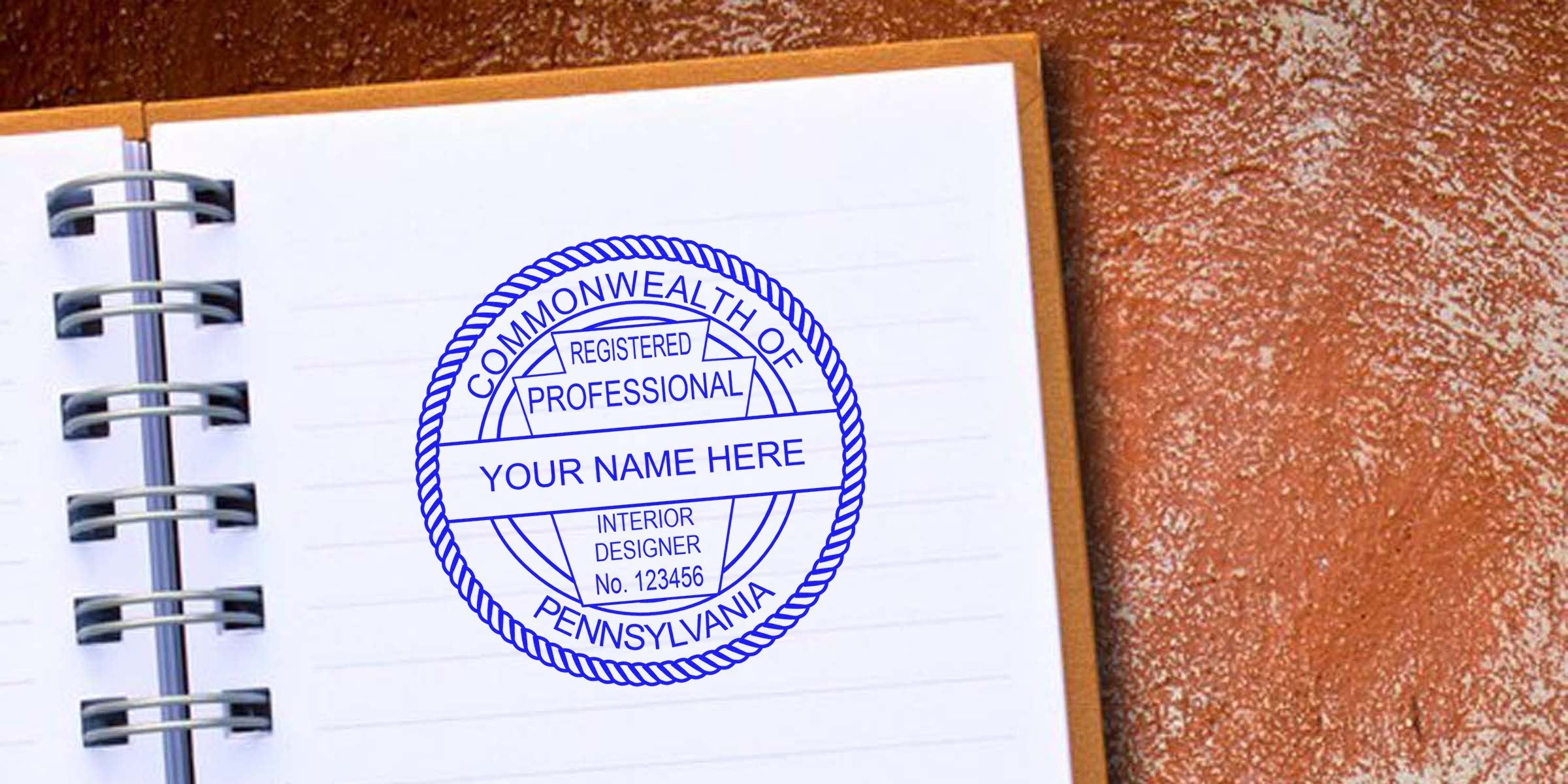
You want to feel confident that your work as a Pennsylvania interior designer meets every requirement, including your official seal. Yet, digging into Pennsylvania interior designer seal design guidelines can feel a little intimidating at first. Let’s break it down into simple steps. This way, you’ll understand exactly what your seal must look like, how big it should be, and which elements it absolutely needs so that your projects are always in compliance.
By the time you’re done reading, you’ll know what to include, what styles to avoid, and how to sidestep the most common pitfalls. Whether you’re new to the field or simply need a refresher, this guide will help you confidently navigate your state’s expectations with ease.
Recognize The Importance Of The Seal
Your seal isn’t just a formality. It’s a direct reflection of your professionalism. When Pennsylvania requires you to use a specific interior designer seal, they’re not trying to complicate your life. Instead, they’re ensuring that official documents carry a uniform symbol of authenticity.
In most situations, the seal appears on final drawings, documents, or project proposals that must demonstrate your qualifications. A properly designed seal:
- Identifies you as a licensed professional in Pennsylvania.
- Affirms the legitimacy of your work and credentials.
- Simplifies verification processes for clients and government entities.
Think of the seal as your signature’s official cousin. Its presence speaks volumes about your credibility and helps people instantly recognize that your project is up to standard.
Break Down The Design Requirements
Though exact rules can shift over time, there are certain elements Pennsylvania consistently asks for when it comes to your interior designer seal. While you’ll want to stay updated through official sources, here are some key components you typically need.
Size And Shape Essentials
Most Pennsylvania interior designer seals follow clear size guidelines so they’re easy to spot on your documents. Often, you’ll see:
- A circular design, around 1 3/4 inches or 2 inches in diameter.
- Enough space for the state name, your name, and crucial registration details.
Occasionally, designers wonder if they can use a fancier shape. In Pennsylvania, circles are the norm for official stamps, but always check current regulations if you’re considering a custom design. The goal is consistency, so documents remain instantly recognizable.
Legibility And Components
Apart from shape, neatly displayed information is critical. Your seal generally includes:
- The words “Registered Interior Designer” or similar phrasing as mandated.
- “Commonwealth of Pennsylvania” or “State of Pennsylvania,” depending on official guidelines.
- Your license or registration number beneath your name, ensuring clarity.
Legibility is more than just visually appealing. It’s a requirement. You’ll want your seal text to be easy to read even on reduced-size plans or PDF documents.
How To Get Your Seal Approved
You might be thinking, “Great, I know what it looks like. But how do I get it officially recognized?” The process isn’t as cumbersome as you might fear.
Steps For Proper Submission
- Check If You’re Eligible: Before ordering a seal, confirm your license is active and up to date.
- Review The Official Guidelines: Consult any latest updates from your state board to make sure you’re including the correct wording and layout.
- Acquire A Professional-Quality Seal: Work with a reputable supplier that ensures your design meets state standards.
- Use It Correctly: Stamp or emboss only where regulations specify. Avoid casual or non-regulated uses to keep your seal’s integrity intact.
If you feel uncertain about detailed stamping rules, you might also check out the pennsylvania interior designer stamp requirements to dig deeper into regulations that affect your professional documents.
What Happens If It’s Not Approved
While penalties may vary, using a seal that fails to meet the state’s design requirements can lead to complications:
- Potential rework of printed and signed documents.
- Risk of project delays if your documents are rejected.
- Possible fines or formal repercussions if considered an ethical or legal breach.
It’s a hassle you’d rather avoid. Submitting a correctly designed seal from the get-go keeps your professional record spotless and your timelines on track.
Common Mistakes To Avoid
Designing and using your seal might seem straightforward, but a few slip-ups can cause headaches later. Watch out for these pitfalls:
- Leaving Out Required Wording: Omitting terms like “Registered Interior Designer” can invalidate the seal.
- Choosing The Wrong Size: A smaller size may be visually appealing, but it can be deemed non-compliant.
- Using Difficult-To-Read Fonts: Decorative fonts are great for personal branding, but the seal’s text should be crisp and clear.
- Stamping Over Text Or Images: Overlapping the seal with important details can obscure legibility, so aim for a clean space.
Each detail has a purpose. By steering clear of these errors, you’ll not only meet Pennsylvania interior designer seal design guidelines but also preserve your professional credibility.
Why Choose Acorn Sales
You can spend hours trying to figure out sizing, fonts, and rules on your own—or you can partner with a trusted company that has been helping design professionals since 1964. Here’s why Acorn Sales is a helpful resource:
- We Understand The Rules: Our experience covers all sorts of regulatory guidelines. We’ll help you create a seal that meets Pennsylvania’s standards from start to finish.
- Free Electronic Seal: When you purchase a physical seal, you often get a complimentary electronic version. This perk is a game-changer if you handle digital documents or need to store your stamp image on multiple devices.
- Quick Turnaround: We recognize that sometimes you realize you need a professional seal at the eleventh hour. We aim to provide quick shipping and easy online ordering to save you time.
- In Business Since 1964: That’s decades of know-how. You can rely on us to deliver quality products that stand up to repeated use.
Whenever you’re ready to design or update your seal, we’re here to guide you. You won’t have to second-guess the details, because we’ll help ensure everything is up to Pennsylvania standards right from the start.
Summarize Your Next Steps
At this point, you may be picturing how your official seal will look and thinking about the immediate action you should take. Here’s a quick recap of the path forward:
- Confirm your active licensure status and double-check relevant guidelines.
- Determine the exact text you need—such as your registration number, legal name, and the phrasing required by Pennsylvania.
- Pick a reputable seal provider, like Acorn Sales, to engineer a professional, properly sized seal.
- Use your seal only where mandated, so it retains its integrity and remains in compliance.
Once you have your seal set up, you’ll wonder why you worried so much. The entire process is more user-friendly than it might appear, especially when you have a clear set of instructions.
Feel free to keep these answers handy for a quick reference. With the right seal, you’ll stay compliant and show that you take your professional obligations seriously. If you’re ready to update or create your Pennsylvania interior designer seal, remember that Acorn Sales has your back with years of experience, a free electronic seal, and reliable customer service. You’ve got this.
Frequently Asked Questions
Can I Use A Square Or Oval Seal Instead Of A Circle?
State guidelines typically prefer a circular format for consistency. If you want to use another shape, you’d need to check if Pennsylvania allows exceptions. In general, a standard circular seal is your safest bet.
Is Digital Sealing Accepted Instead Of A Physical Stamp?
Yes, many professionals use digital seals for electronic documents, as long as the seal meets all the same criteria as a physical version. Acorn Sales provides a free electronic seal option, making it easy to stamp PDF plans or other digital files.
Do I Need To Replace My Seal When I Renew My License?
As long as the information on your seal, like your license number, remains the same, you usually don’t need a new seal. However, if regulations update or your information changes, you’ll need to get a revised seal.
What If My Name Legally Changes?
You’ll need a new seal that matches your updated legal name. This ensures all your documentation accurately reflects who you are, which keeps your records clear and your projects in compliance.








