
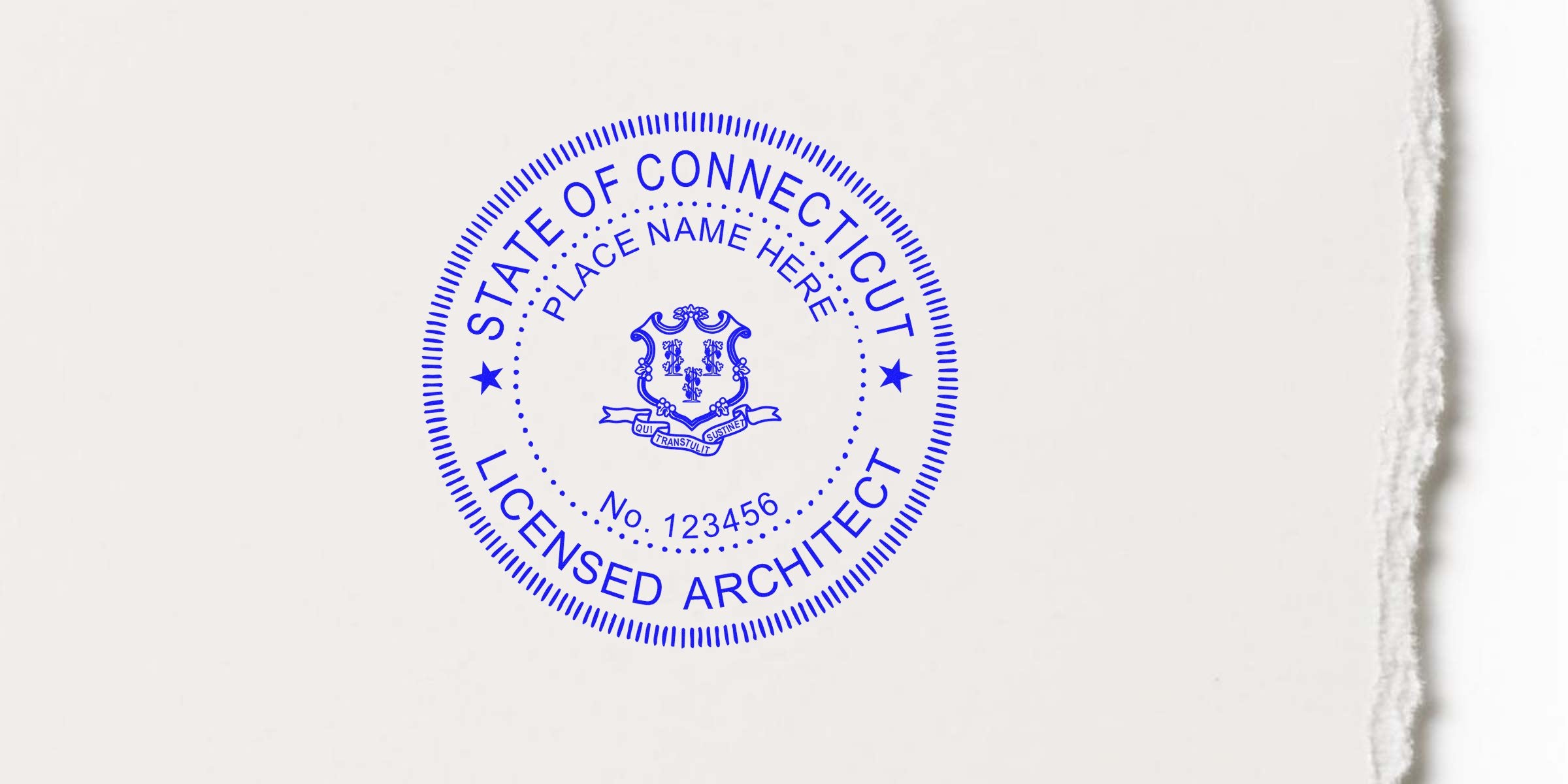
If you’re gearing up for the Connecticut architect stamp application process, you might be wondering how to get those details just right. There’s more to it than simply filling out a form. From double-checking state rules to selecting a reliable stamp maker, you want to be sure you’ve covered every step. Let’s walk through what you need to know so you can submit your application with confidence.
Understand the Needed Steps
Before you dive in, it helps to see the big picture. You’ll typically need to:
- Confirm you meet all licensing requirements set by the Connecticut State Department of Consumer Protection.
- Complete relevant application forms that detail your credentials.
- Obtain or verify any supporting documents, such as proof of education or work experience.
- Acquire a state-compliant architect seal to finalize the process.
The official forms often outline what’s expected, but keep an eye on due dates and any unique instructions. Missing a simple checkbox can slow you down, so it’s smart to read carefully.
Meet the State Requirements
Each state has its own process for architectural licensing and stamp rules. Connecticut is no exception. Regulations spell out specific stamp dimensions, wording, and design. If you want to dig deeper into the technicalities, check out connecticut architect stamp requirements so you won’t overlook crucial details.
These guidelines are important because they ensure your stamp is recognized as valid by local boards and future clients. Failing to follow them can lead to application delays or, worse, rejection altogether.
Organize Your Documentation
One of the biggest hurdles for many architects is simply keeping track of what documents go where. You’ll want to:
Gather Transcripts and Certifications
If you graduated from an accredited program, make sure your transcripts are in order. Some applications require official sealed copies from your institution.Prepare Proof of Experience
You might need signed affidavits or other verifications for your work history. Companies you’ve trained under may have specific forms to fill out, so start early.Complete the Application Form
Keep an eye out for any signature lines or notarization requirements. If something is unclear, contact the board or refer to official checklists.
A well-organized packet moves through reviews faster, preventing last-minute scrambles that can stall your progress.
Select a Trusted Supplier
Once you’re certain about the design and requirements, you’ll need a real or digital stamp that passes compliance checks. That’s where a reputable supplier like Acorn Sales can help. We’ve been crafting Connecticut architect stamps and seals for over 60 years, offering:
Quick Turnaround
Ensuring you receive your stamp when you need it.State-Compliant Designs
Helping you stay in sync with Connecticut’s design guidelines.Digital Stamps and Seals
Providing easy-to-use electronic versions that meet modern demands.
Working with an experienced provider simplifies your journey. Acorn Sales understands the application process and stands ready to assist if you have questions about sizing, text, or digital stamp formats.
When you follow these steps and keep your documentation organized, you’ll find the Connecticut architect stamp application process is more straightforward than you might think. Take it one stage at a time, lean on a reputable supplier like Acorn Sales for your state-compliant stamp, and you’ll be well on your way to finalizing your professional credentials.
Ready to get started? Gather your info, review state guidelines, and secure your seal so you can mark your official drawings and documents with pride.
Frequently Asked Questions
Do I Need Physical and Digital Stamps?
Some architects prefer to have both. Physical stamps are often required for original paper documents, while digital seals work well for electronic submissions.
How Long Does the Process Take?
Review times vary, but you can often expect a few weeks for everything to be processed. Having documents ready and accurate speeds things up.
Can I Edit My Stamp After It’s Made?
If you work with a reliable supplier, you can usually request adjustments if you spot an error. However, always verify final proof before your stamp is produced to avoid reworks.
Is Notarization Required?
Some applications do ask for a notarized signature to confirm your identity. Always check official instructions to be sure.
What If My Application Is Rejected?
Most rejections come from missing paperwork. The governing board typically sends a notice explaining what’s needed. Correct any errors and resubmit promptly.








