
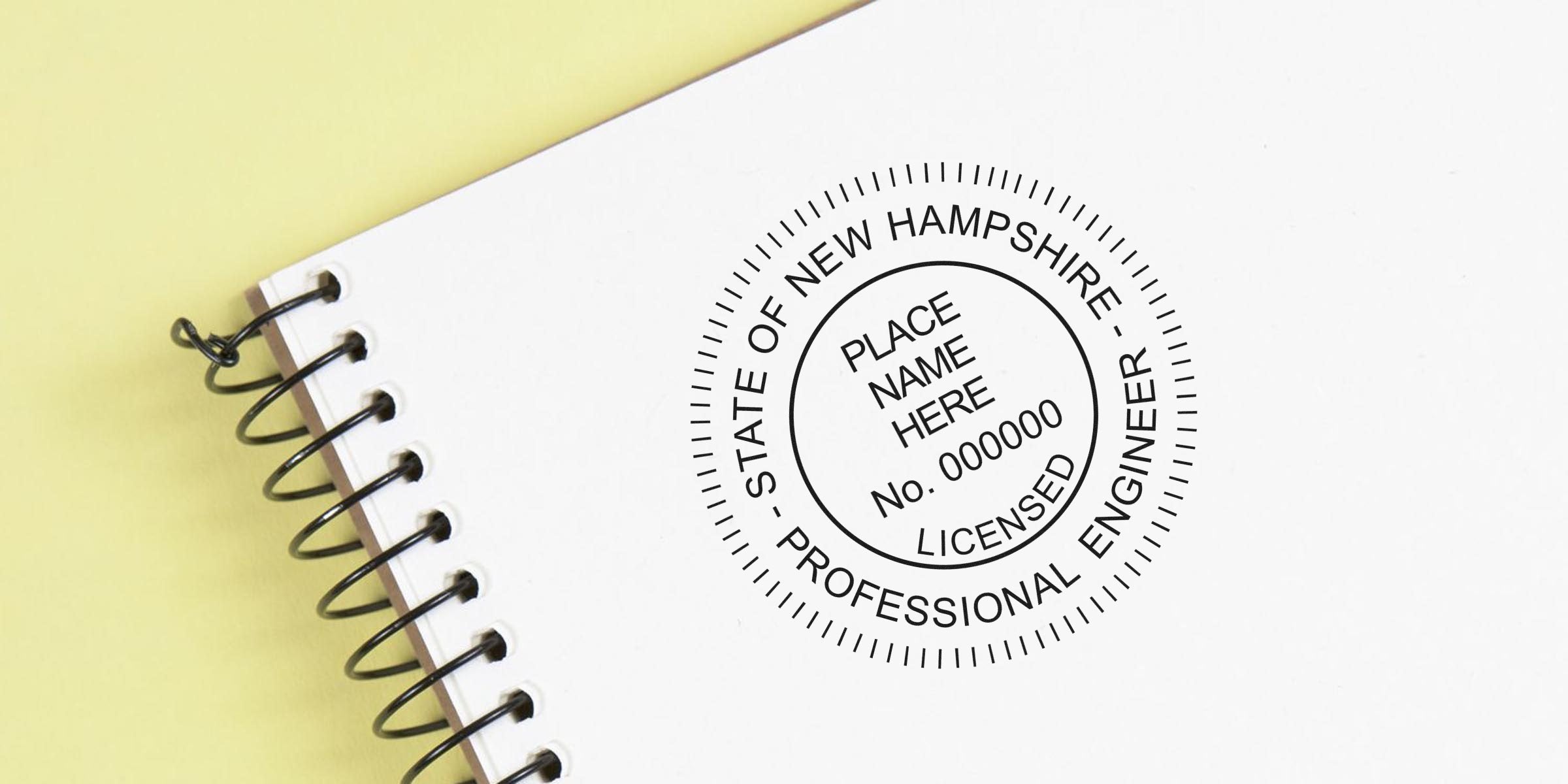
Welcome! If you’re feeling a bit unsure about New Hampshire PE stamp guidelines, you’re in the right place. Whether you’re wanting to seal construction drawings or engineering specs, having a solid handle on the official rules will keep you on track. In this post, we’ll walk through the key points to help you use your stamp with confidence. You’ll learn about the basics of compliance, helpful tips for everyday use, and even get a glimpse into how Acorn Sales can be your go-to partner for quality products. Ready to get started?
Understand core guidelines
Before you can dive into the practical steps of sealing your drawings, it helps to know what the New Hampshire Board of Professional Engineers generally expects. You can think of these requirements as the foundation of your daily stamping routine.
Confirm your licensed status
You must have an active Professional Engineer (PE) license in New Hampshire to legally seal your documents. That license is your green light to sign and seal engineering plans, specifications, and calculations. If your license expires or is under review, your privilege to stamp also goes on standby. So, it’s a good idea to keep an eye on your renewal dates and ensure your licensing information is accurate.
Include required details
Your stamp must usually feature:
- Your name as it appears on your PE license
- Your license number
- The words “State of New Hampshire” and “Professional Engineer”
Some stamps may have a slightly different layout, but all the essential data should remain. If you’re placing a seal on papers for official submission, the date and your signature also play starring roles. Many boards expect you to sign in ink (or use a verifiable electronic signature) directly across or near the seal so it’s impossible to detach the seal or copy it improperly.
Align with official design
Most states, New Hampshire included, prescribe a particular circular or rectangular layout for the seal. This standard design ensures that local agencies immediately recognize it. If you’re in doubt, check any updated guidelines from the Board of Professional Engineers to confirm the right shape or text size before ordering your stamp.
Decide on embossing or ink
Once you know what details must appear, you’ll need to decide which type of physical stamp will work best for you. Would you prefer a raised (embossed) impression, or do you prefer a crisp inked seal? Each format has benefits.
| Stamp type | Pros | Cons |
|---|---|---|
| Embosser | - Classic look for official documents. | - Raised seal may not scan or copy clearly. |
| Ink stamp | - Sharp design, easy to photocopy. | - Might fade over time if low-quality ink is used. |
When embossing makes sense
If you’re sealing documents that won’t need to be reproduced often, an embosser can give a sense of authority. It’s also handy if you deliver physical documents by mail, since the raised seal screams authenticity. However, if a plan reviewer or client wants a quick photocopy, the embossed areas may come out looking faint.
Why ink stamps are convenient
For everyday tasks, you’ll probably appreciate the speed of an ink stamp. You just press down, and you’re done. Plus, if you need to scan your plans or store them digitally, an ink stamp is more legible almost every time. When ordering, look for a high-quality pad or self-inking model so you can avoid faint or splotchy impressions.
Keep track of official updates
You already know that professional engineer guidelines can shift with new legislation or board policies. That means it’s wise to stay informed, so you’re never caught off-guard by a sudden change in sealing standards.
Monitor board announcements
Keep an eye on any bulletins or announcements from the New Hampshire Board of Professional Engineers. They typically release updates online when new rules are added or existing ones are tweaked. Subscribing to a state email list (if available) is an easy way to get updates right in your inbox. If you ever have doubts about new instructions, call or email the board for clarification.
Check local requirements
Certain municipalities might impose extra requirements on top of what the state says. For instance, they may ask for a specific seal dimension. If you work or consult in multiple locations across New Hampshire, it’s best to compile a reference list of local guidelines. That way, if you’re stamping a structural sheet for one town and an infrastructure plan for another, you’ll meet both sets of requirements.
Stay close to professional networks
Local engineering associations or professional groups can also be a gold mine of knowledge. They often hold seminars or send out newsletters that highlight any rule changes, making it easier to keep your processes up to date. When in doubt, asking peers or mentors can help you confirm you’re applying best practices.
Use your seal effectively
Placing your seal on engineering documents might seem straightforward, but there are some subtle details that can help you avoid red tape.
Seal only final documents
Typically, you should only stamp documents that are final or near-final. That means the drawings or calculations should be your professional conclusion, not a rough draft that will change dramatically next week. Sealing preliminary prints can confuse clients or agencies, implying you’ve approved work that still needs adjustments.
Sign and date properly
Your professional engineer stamp doesn’t do much good unless it’s paired with your signature and the plan’s final date. Think of your seal as your identity and your signature as your personal endorsement of the work. By signing over or alongside the seal, you make it harder for anyone to copy and paste the design onto another page.
Consider multi-page documents
For large engineering reports with multiple sections, it can be tempting to place one seal on the cover page and call it a day. However, some agencies may want each sheet or chapter that contains design details to be individually stamped and signed. If you’re uncertain, check with the reviewing municipality or the client. In many cases, you can place your seal on each relevant page or include a statement clarifying which pages are covered under your seal.
Avoid common mistakes
Even experienced engineers run into pitfalls now and then. Here are a few slip-ups to watch out for so you don’t accidentally violate state guidelines.
Skipping expiration checks
You might be juggling multiple projects, so license renewal dates can creep up. Always check that your license is active before stamping. If your license lags even by a day, you risk legal trouble and possible penalties.
Using the wrong seal
If you were licensed in a different state first, it’s easy to mix up your stamps. Make sure the one you’re using has the correct text for New Hampshire. A small detail like “Commonwealth of Massachusetts” in your seal can cause major confusion during plan review.
Over-stamping or mis-stamping
Sometimes you’ll see repeated impressions for clarity, but that often makes the text unreadable. It’s better to make one clean, legible impression of your seal. If it doesn’t come out well, simply cross out the flawed seal, place your initials nearby to note that it’s void, and stamp again in a fresh spot. Resist the urge to double stamp in the exact same place, as that usually smudges more than it clarifies.
Consider digital stamping solutions
We live in an ever-more digital world, and New Hampshire is becoming increasingly accepting of electronic seals and signatures. While it might feel strange at first, digital stamping can streamline your workflow and reduce paperwork.
Know the e-seal rules
Digital or electronic seals have to meet certain requirements to be considered valid. They typically must include a secure certificate or tamper-proof aspect so that someone can’t just cut and paste your digital stamp. If you’re going digital, verify that the software you’re using aligns with state standards. Some states allow e-seals, but require you to keep an audit trail that shows when you signed, who authorized it, and what changes were made later.
Get your free digital seal
At Acorn Sales, we offer a free digital seal when you purchase your physical stamp. This extra perk can save you time if you ever transition to paperless workflows or you want to email sealed documents to clients for quick review. Just be sure that any electronic signature is also secure and verified, especially if it’s going on official files headed for a regulatory agency.
Rely on Acorn Sales for quality
Picking a reliable stamp supplier can make your life a whole lot easier. Artwork, layout, and manufacturing precision all influence whether your seal is acceptable for official tasks. At Acorn Sales, we’ve been perfecting our craft for over 60 years, producing New Hampshire PE stamps that meet or exceed state requirements.
Enjoy fast service
When you place your order, you don’t want to wait around for weeks. We understand the importance of quick turnaround. After all, many engineering projects run on tight schedules. That’s why you’ll find our delivery process efficient, and our customer service team is eager to help you with any questions.
Experience you can trust
Over the decades, we’ve fine-tuned our methods to ensure every stamp or seal we make is built to last. We pay attention to the details, from the clarity of the text to the comfort of the handle. If you need an official new hampshire engineer stamp, our product range is designed to match various needs, whether you prefer an embosser or an ink stamp. With optional add-ons like carrying cases or advanced ink pads, you can customize your purchase and keep it in tip-top shape for years.
Hassle-free digital seal
We know how critical it is to have a valid electronic option. That’s why we offer the free digital seal as part of your order. It’s compatible with most modern PDF programs and design software, letting you electronically stamp your documents whenever necessary. If you’re new to digital stamps, don’t worry, we can answer your setup and usage questions so you’ll feel confident.
If you adjust any substantive detail, the safest approach is to either re-seal the corrected sheet or provide an addendum that you also stamp. Never rely on a stamp that no longer reflects the final version. Your seal signifies you’re willing to take professional responsibility for the design in its exact form.
You made it to the end, so you’re clearly serious about using your engineering stamp the right way. From confirming your license details to deciding on the perfect type of seal, each step matters. Keeping up with official rules isn’t a one-time chore, but rather an ongoing process as you progress in your career.
Remember, if you ever need guidance, consider turning to Acorn Sales. We’ve helped countless engineers get the New Hampshire stamps and seals they need, complete with free digital versions. By taking these guidelines to heart, you’ll ensure your documents shine with professionalism and accuracy every time you apply that seal. If you have any more questions or need help with an order, feel free to reach out. Good luck stamping!
Frequently Asked Questions
Do I need separate seals for multiple states?
Yes, if you’re licensed in more than one state, you’ll need a separate seal for each region. Every state has its own text and layout requirements. Mixing states on one stamp isn’t permissible because it can create confusion and might violate local laws.
Can I reuse old stamps after renewing my license?
Usually, yes, if the design is still compliant with current guidelines and your license number hasn’t changed. However, double-check if the board has updated the seal layout since you first purchased it. If the format is outdated, it’s safer to replace it.
Is a digital seal legal for all projects?
In many cases, digital seals are legally accepted as long as they adhere to New Hampshire’s electronic signature standards. Always confirm that the agency or client you’re dealing with accepts electronic submittals. Some local offices may still want a physical stamp impression.
How do I avoid smudging when using an ink stamp?
Use a smooth, even surface and a stamp pad loaded with good-quality ink. Press down firmly, but don’t rock the stamp. Lift it straight up once you’ve made the impression. If the impression smears, mark it as void and try again.








