
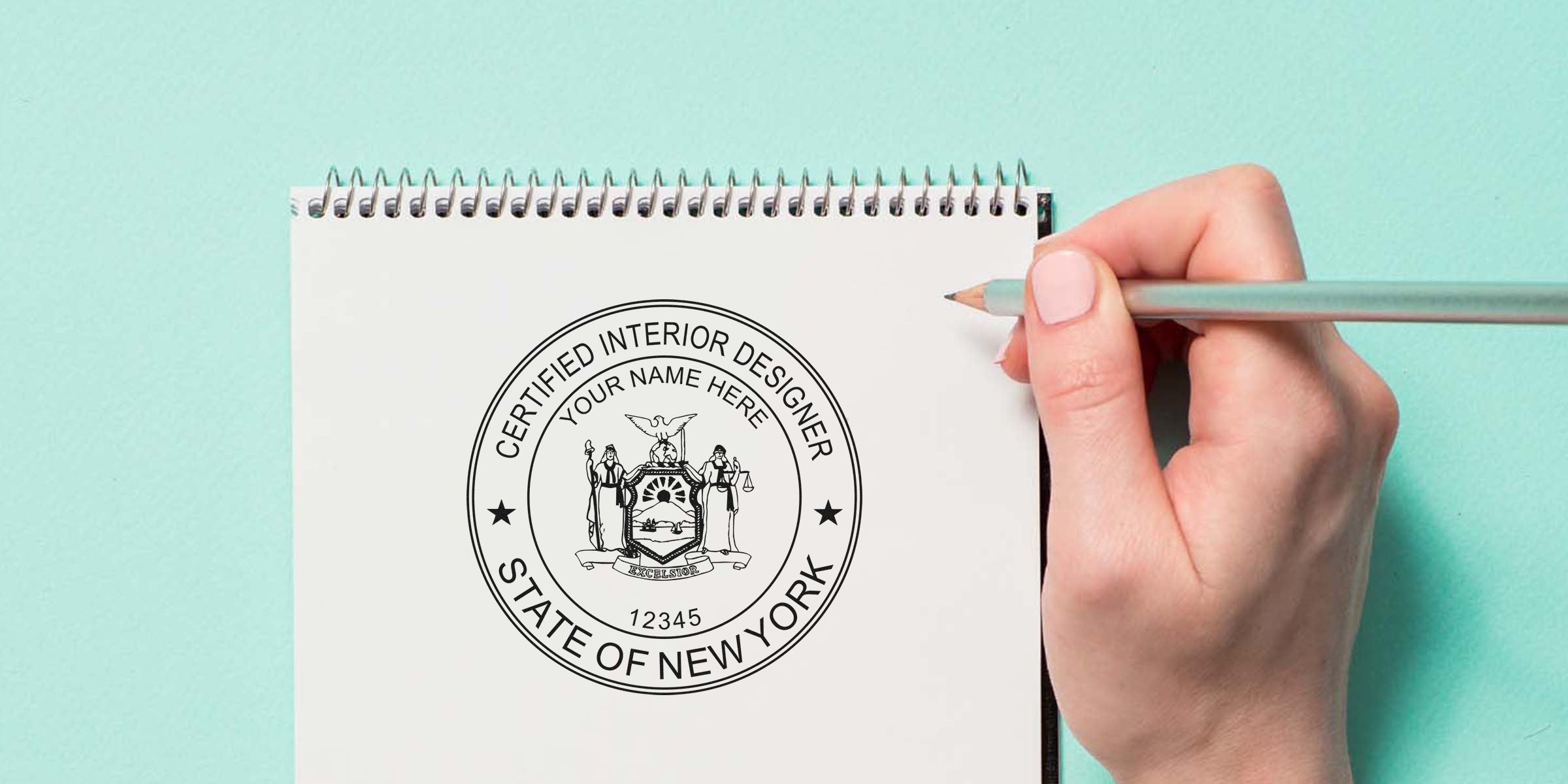
Understand the Designer Stamp
If you work as an interior designer in New York and you are looking for a stamp maker, there is one fact worth settling before you order anything, because it changes what you are buying. New York certifies interior designers through the New York State Board for Interior Design, under the State Education Department Office of the Professions. It does not prescribe a seal for them. What Education Law section 8302 asks for is a manual signature by the certified interior designer on original final documents. No stamp, no embossed seal, no prescribed wording.
So a New York interior designer stamp is a presentation decision rather than a filing decision. Designers still order them, and for a sound reason: an impression beside a signature identifies who prepared the set and makes the page look like a deliverable instead of a draft. For the statute sections and the sourcing behind them, read New York Interior Designer Seal: A Signature Only.
What the Signature Covers
Section 8302 attaches the signature duty to original final interior design documents, plans and specifications prepared by the certified interior designer, or by a full time or part time subordinate employed under that person's supervision. The statute names no date and prescribes no seal, so a date line is your own convention rather than a state rule.
Article 161 also says nothing about electronic signatures or electronic documents, and 8 NYCRR Subpart 79-3 adds nothing on the subject. Section 8302 asks for a manual signature, which does not sit comfortably alongside a purely electronic workflow. If you submit digitally, ask the receiving client or agency what they accept, because the state has not answered it.
Common Uses of Your Stamp
- Marking authorship on drawing sets before they leave the studio
- Finishing finish schedules, specifications and furniture plans
- Giving proposals and transmittals a consistent, deliberate look
- Providing clients with clearly identified copies for their records
On a Manhattan restaurant dining room or a retail space in Queens, the mark does the same small job: it keeps your name attached to the work as the pages get copied, emailed and marked up by people who were not in the room when you made them.
Know the New York Wording
Because nothing is prescribed, the wording is where care pays off. New York grants a title, and it is a specific one. Section 8301 covers use of the title certified interior designer. That is the phrase the state recognizes.
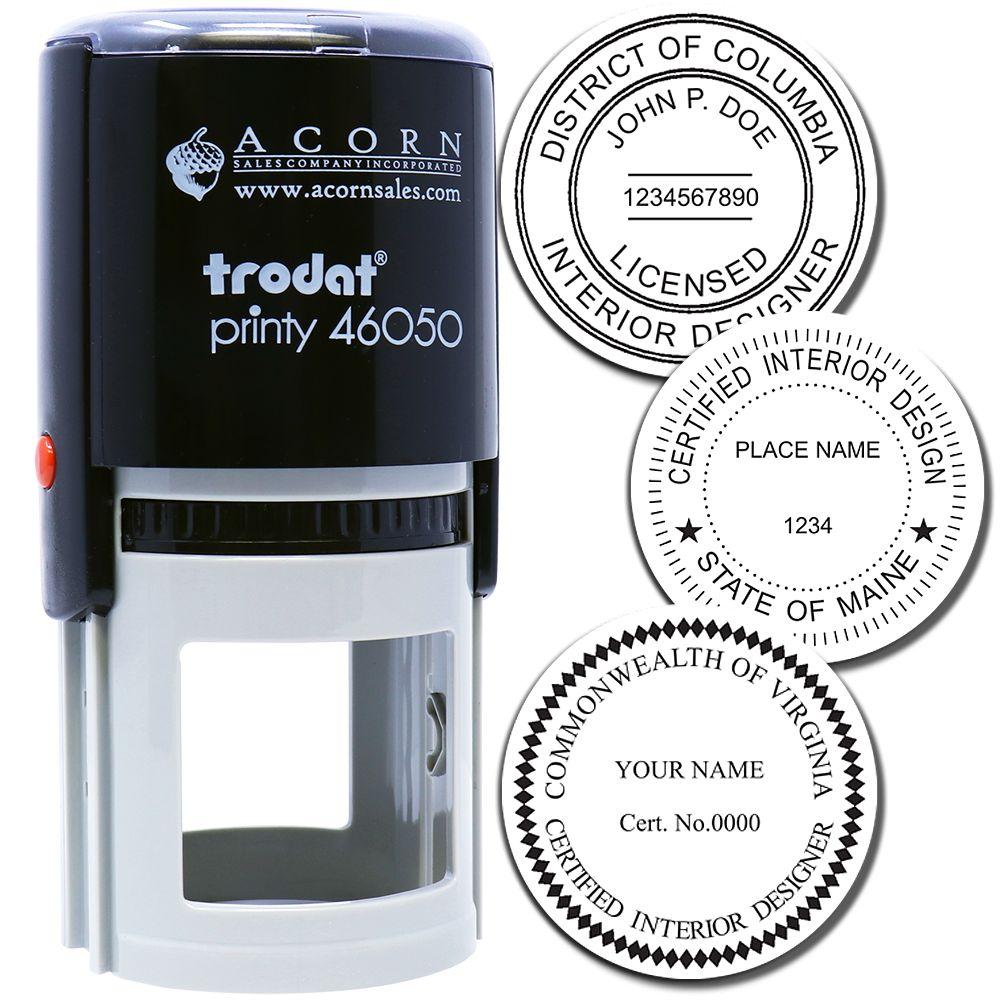
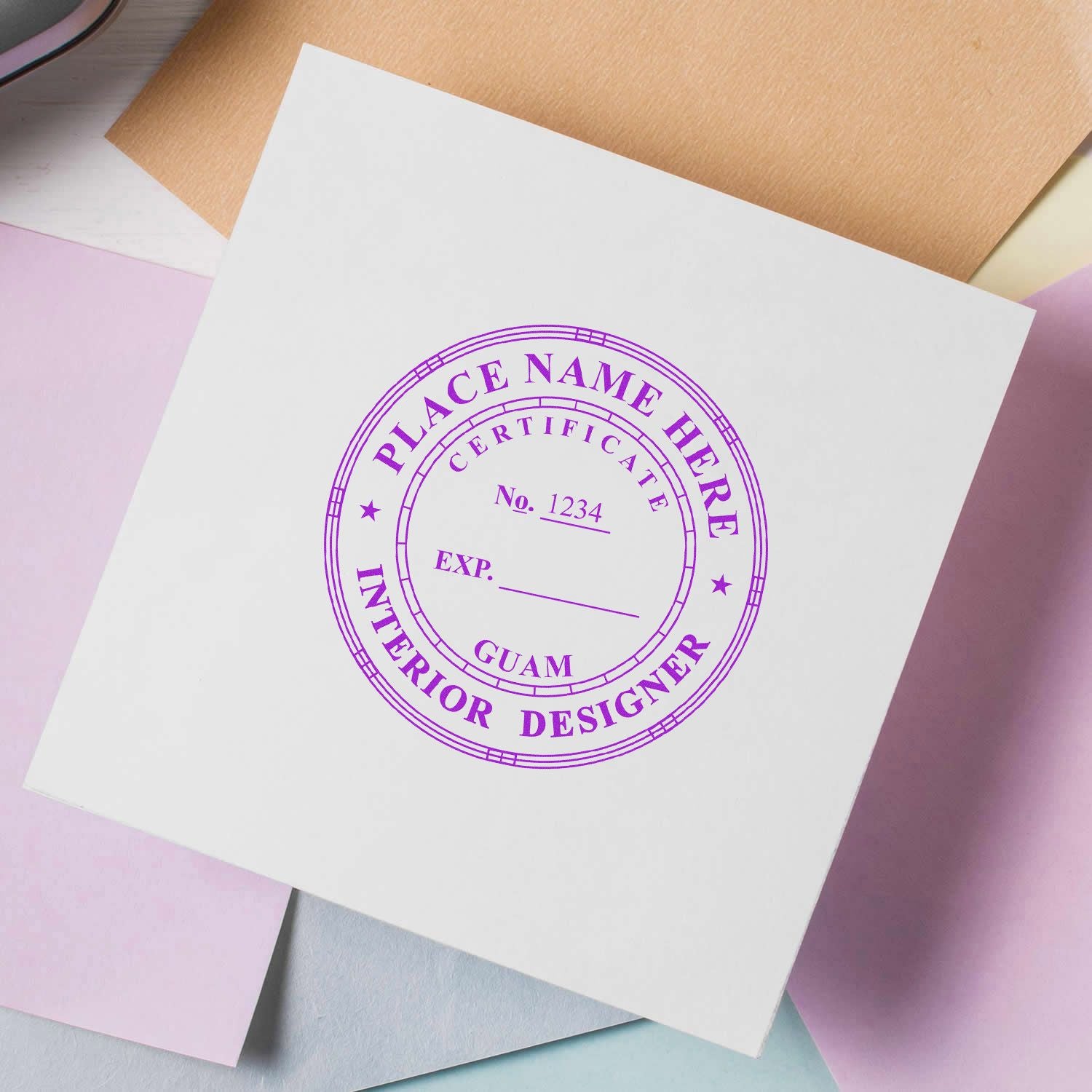
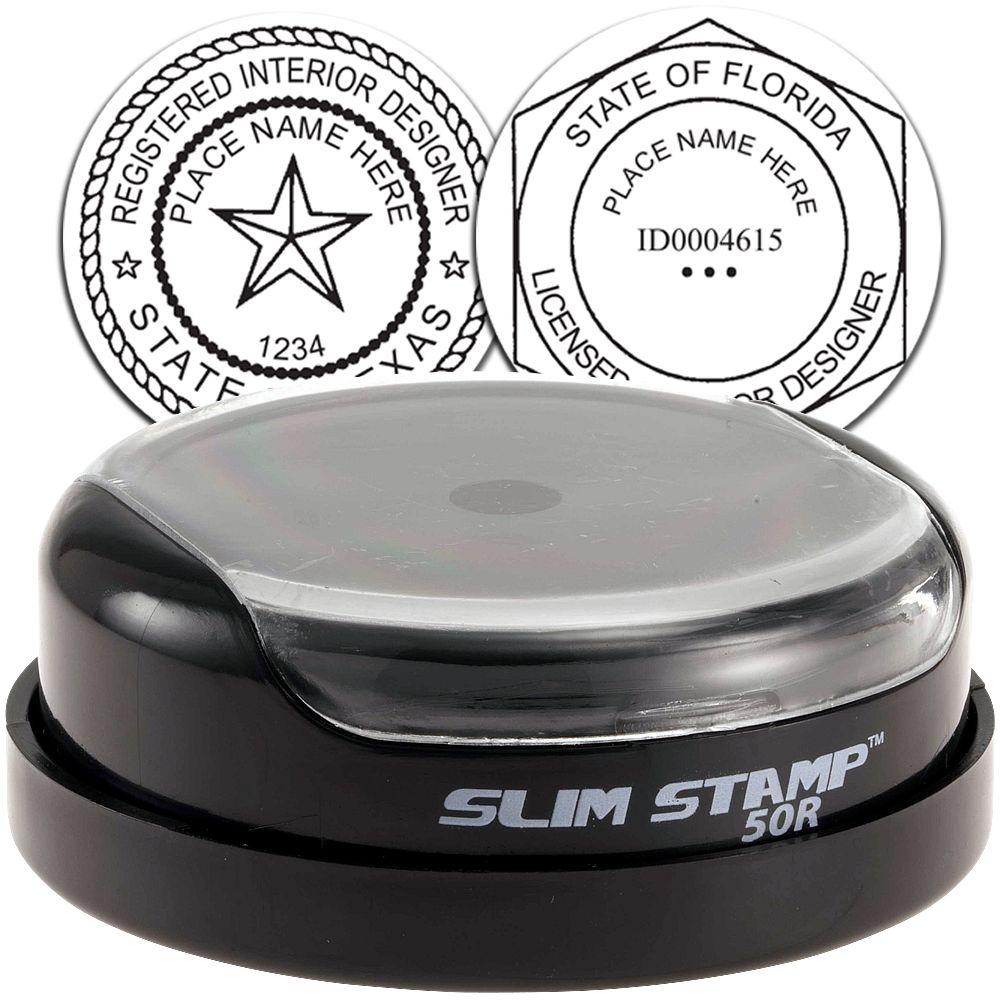
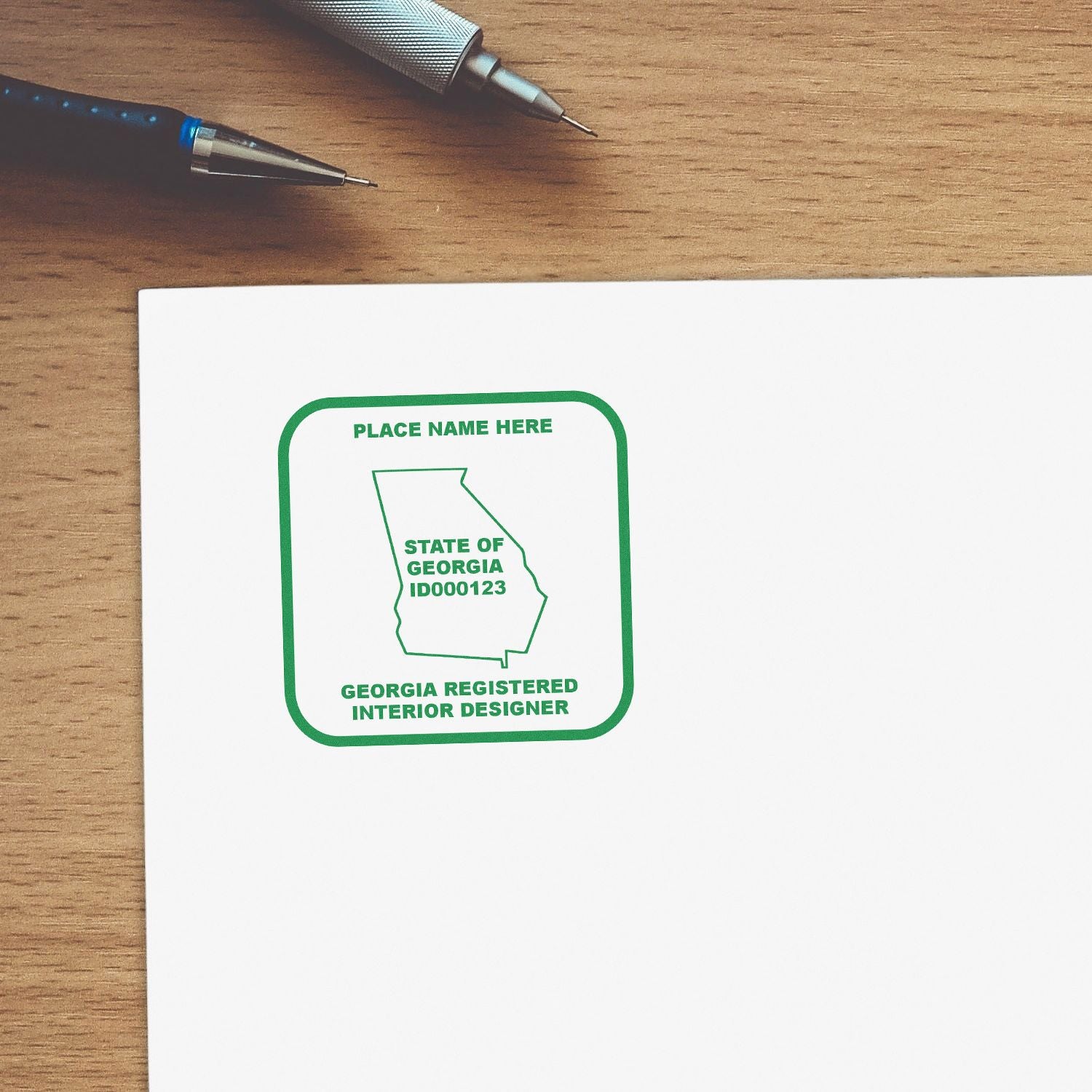
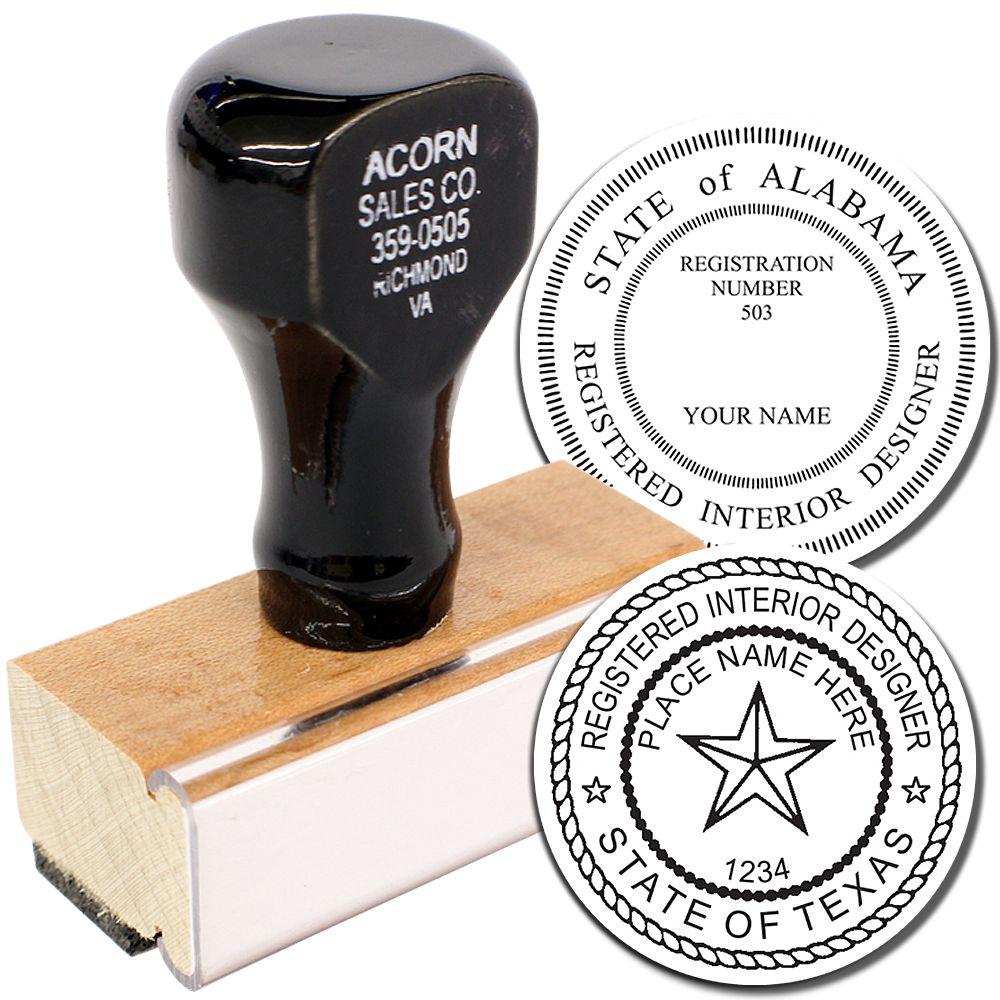

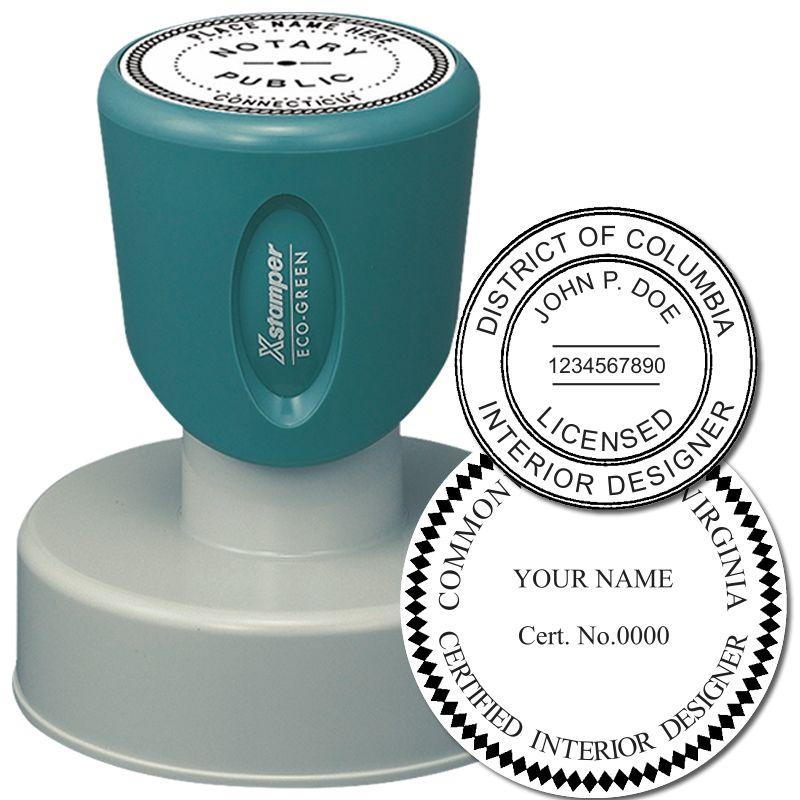

What to Put On It
- Your name exactly as it appears on your certificate and as you sign it
- Certified Interior Designer, which is the title New York actually grants
- Your certificate number, if you want it shown
- A firm name or city, if a reader might need to know where the work came from
What to Leave Off
Skip Licensed Interior Designer. New York certifies rather than licenses this profession, and a mark claiming a title the state does not issue is the kind of detail a reviewer remembers. Skip any wording that suggests state approval of the stamp itself, since the state neither approves nor prescribes one. If you hold a certification from a national body or a credential from another state, print that body's exact wording, name the state, and only show it while it is current.
Differences Between Stamp and Seal
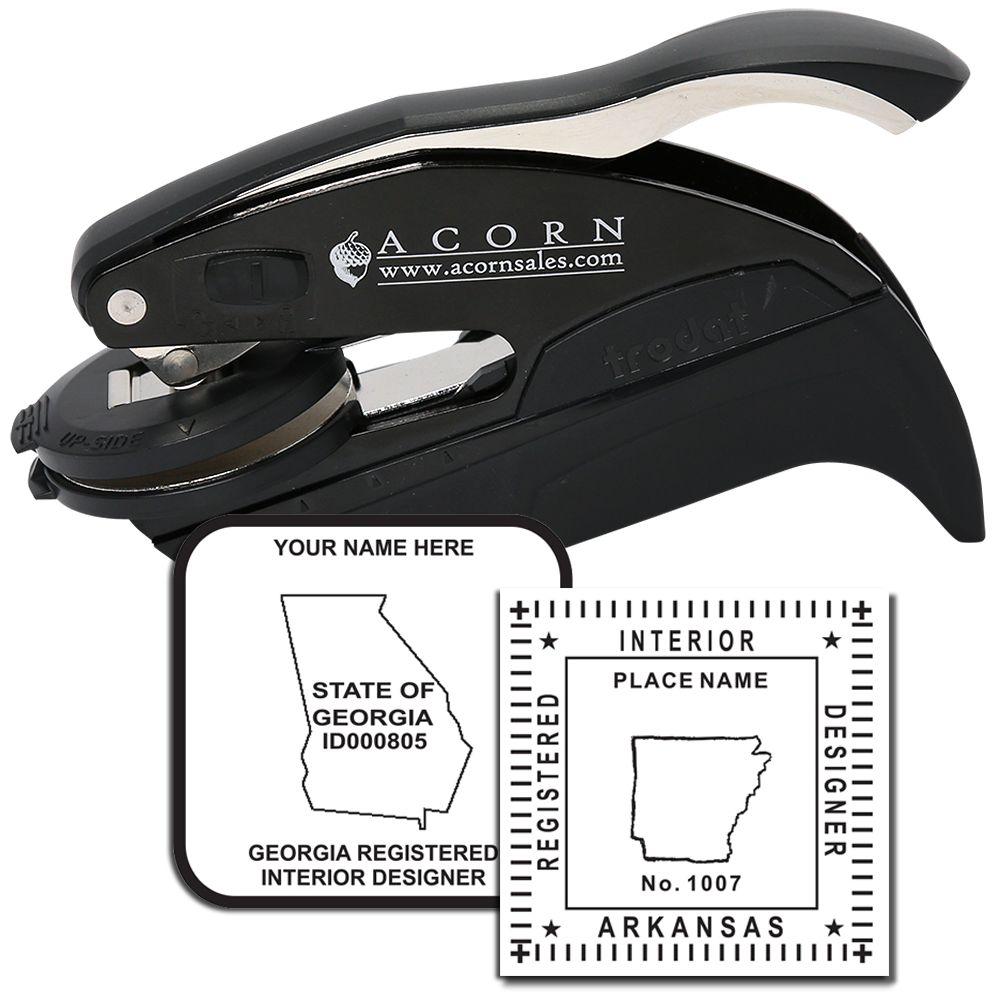
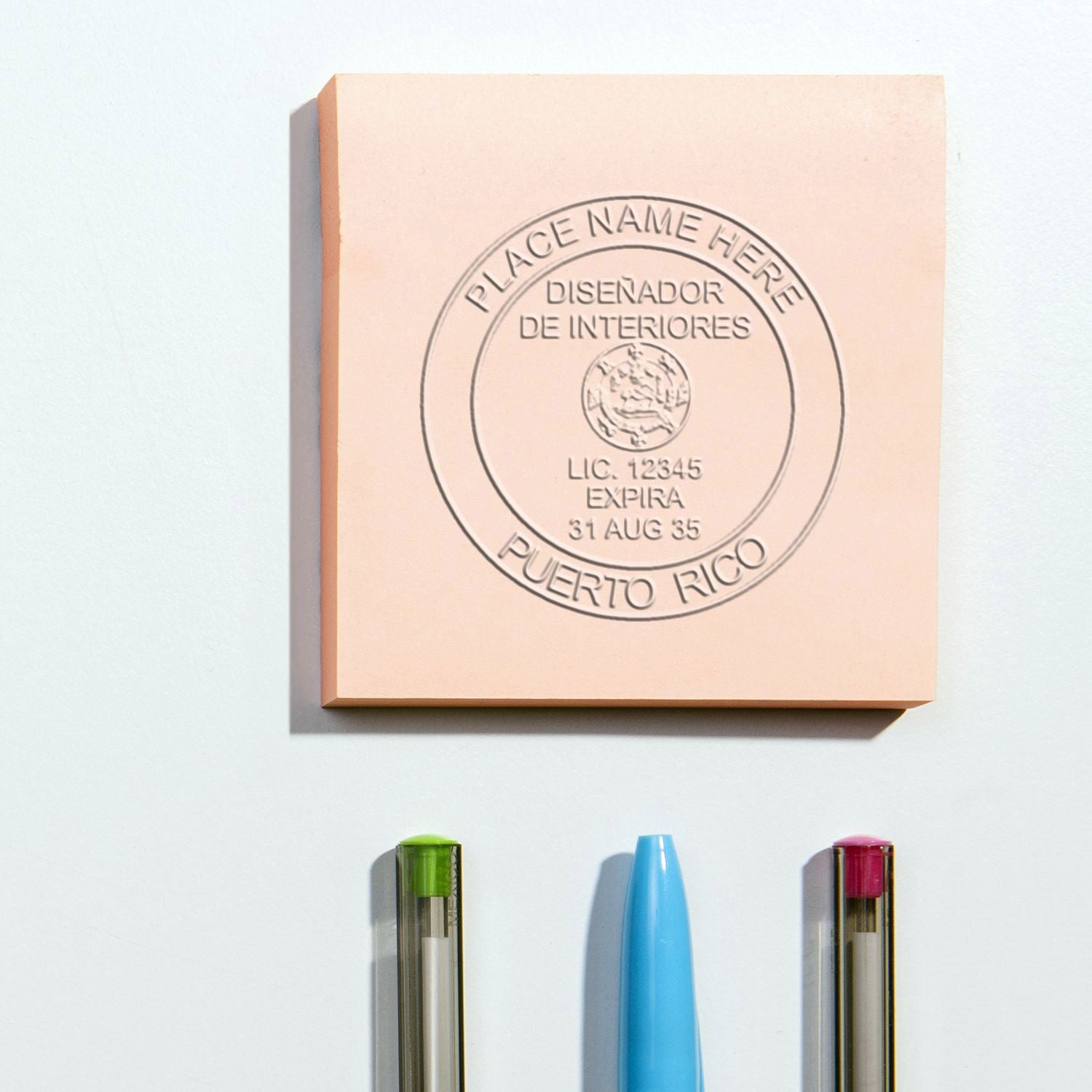
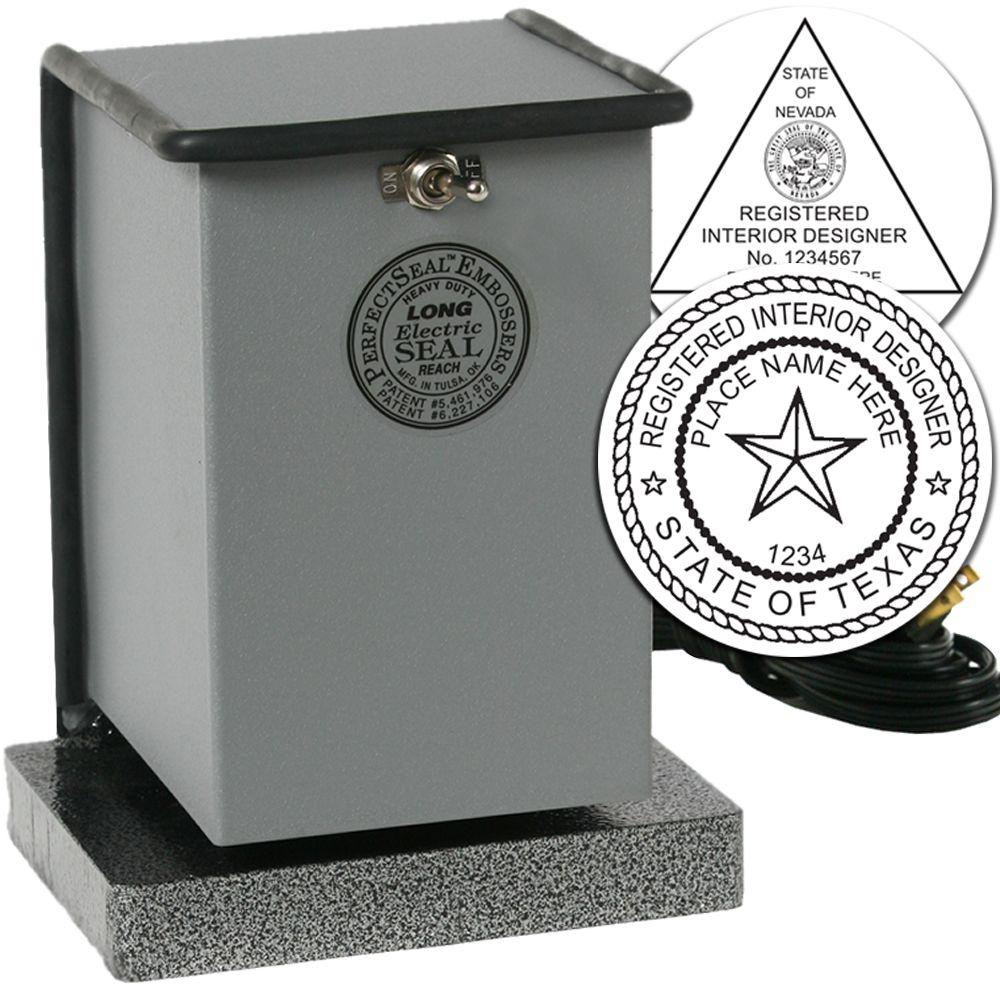
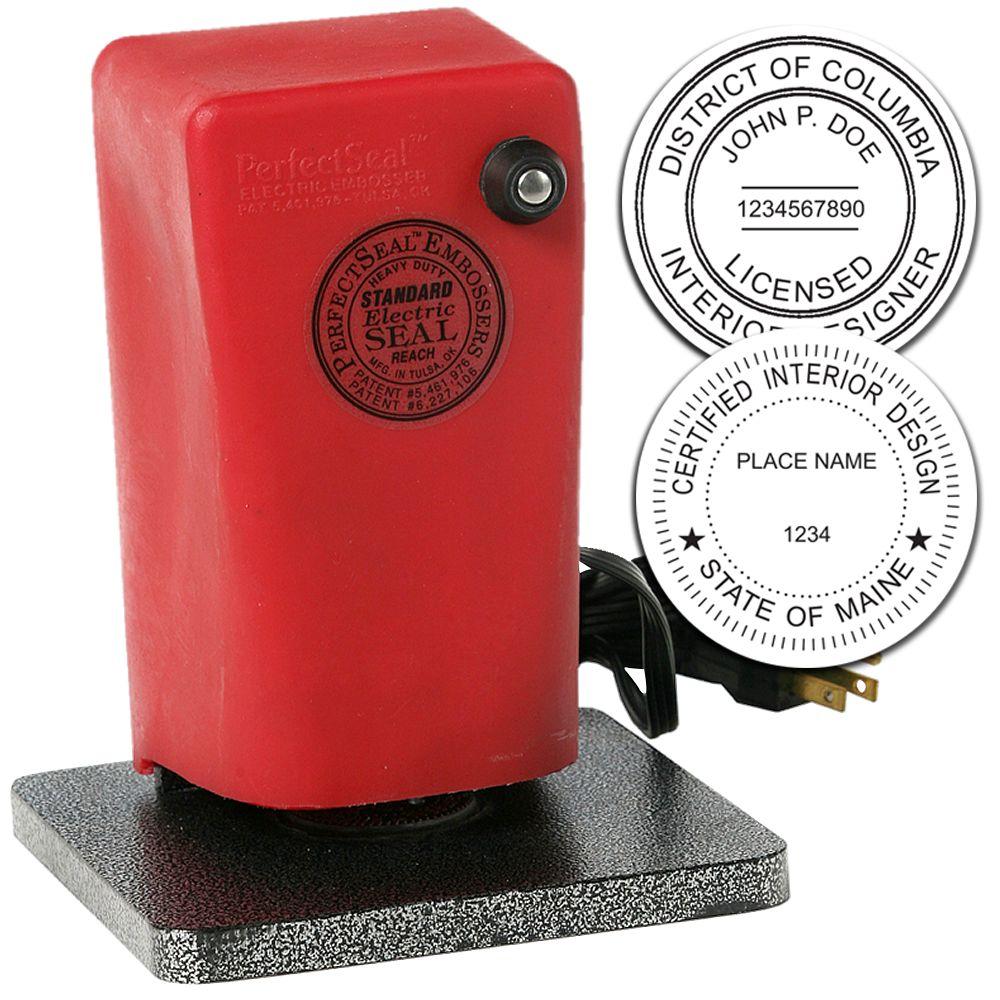
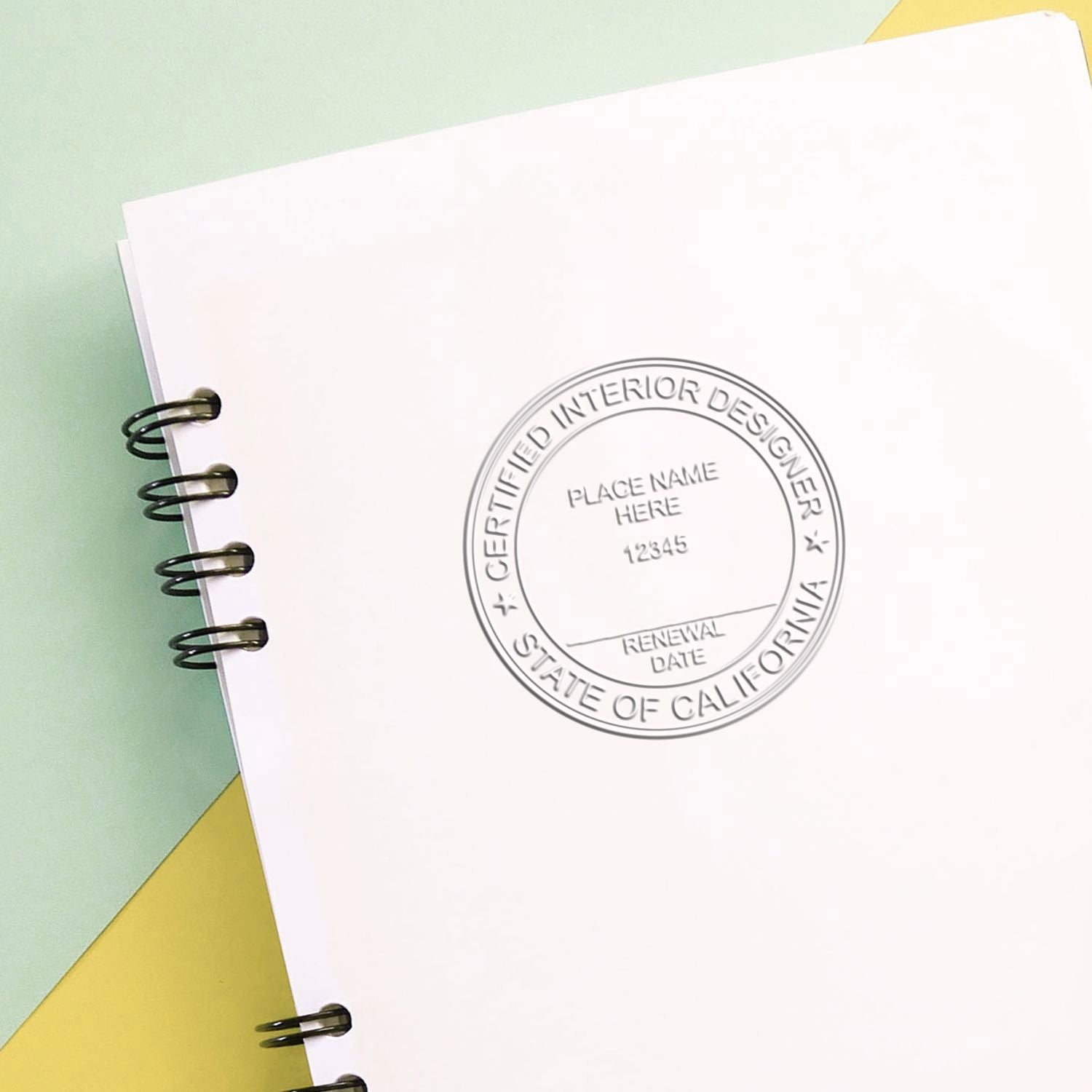
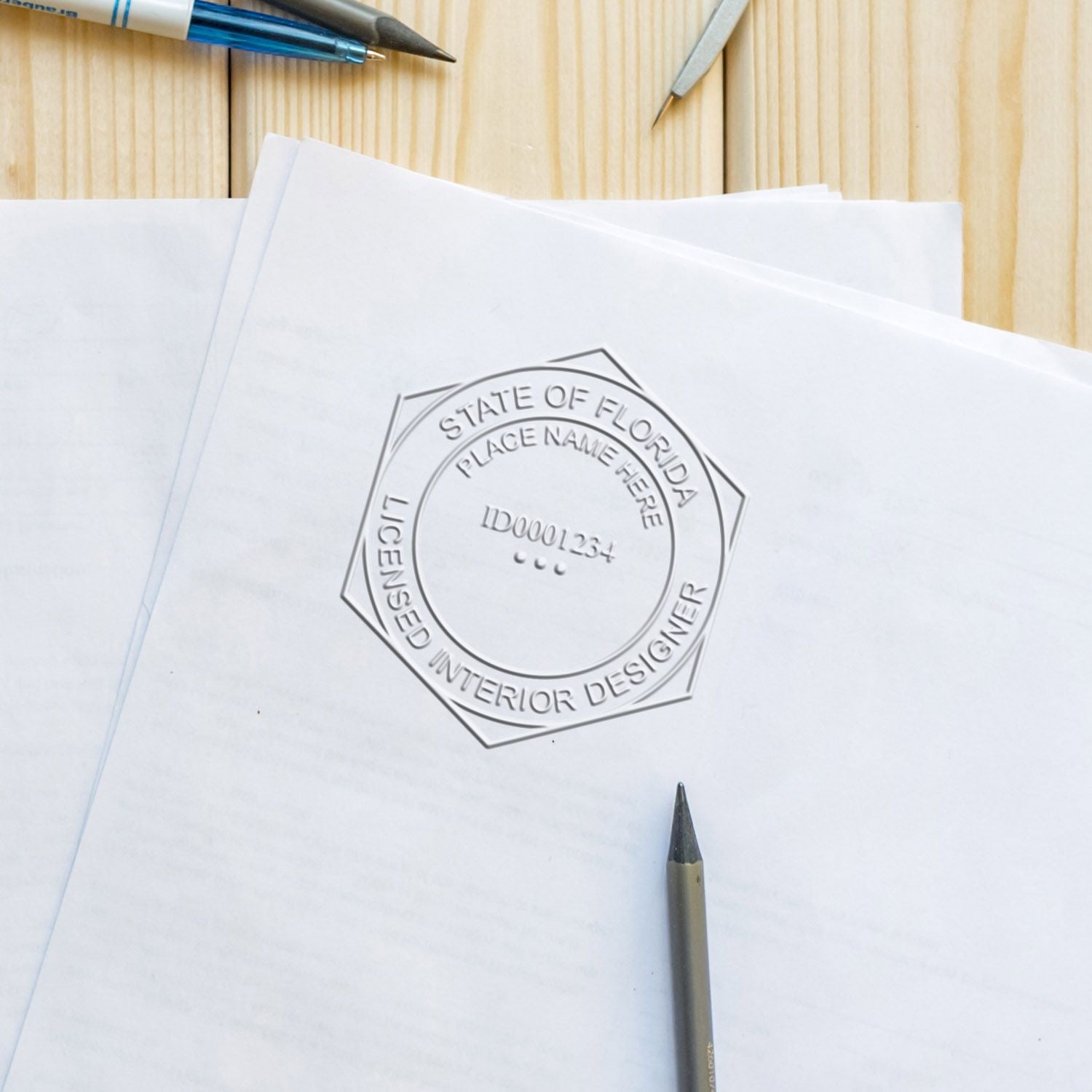
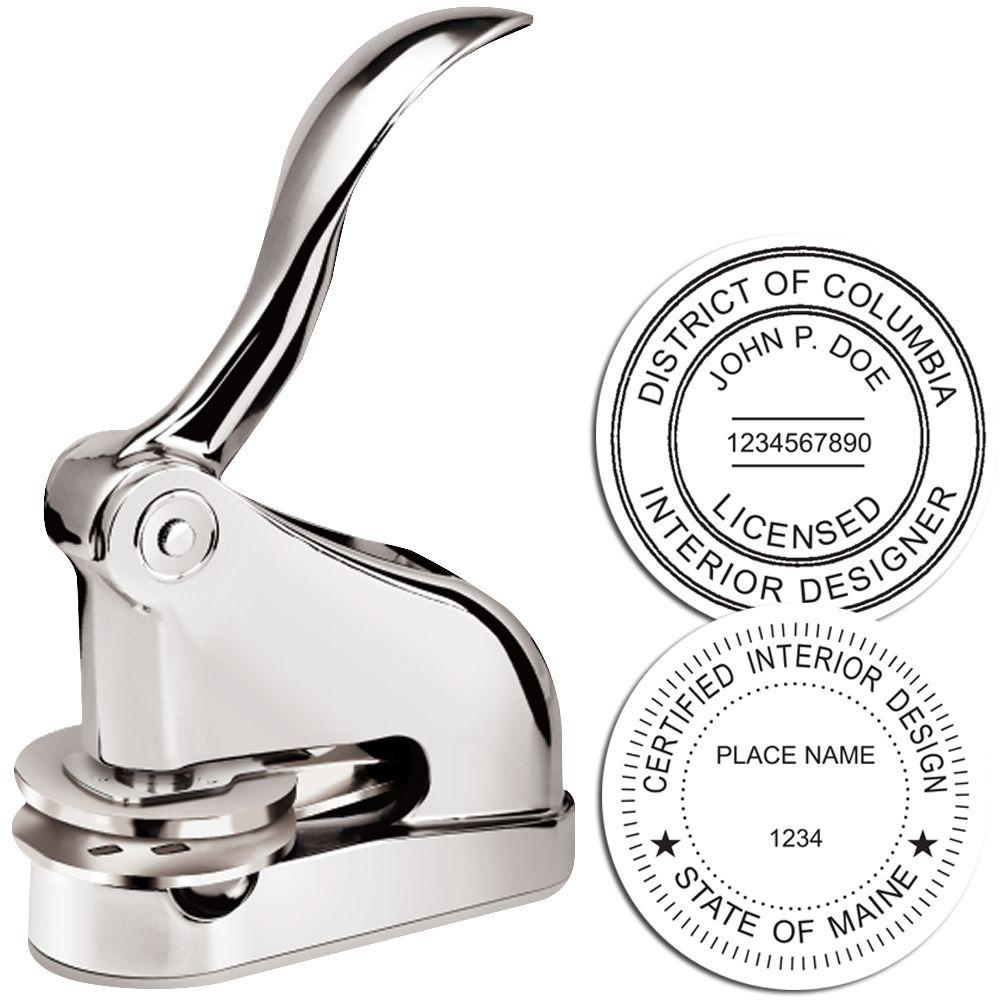
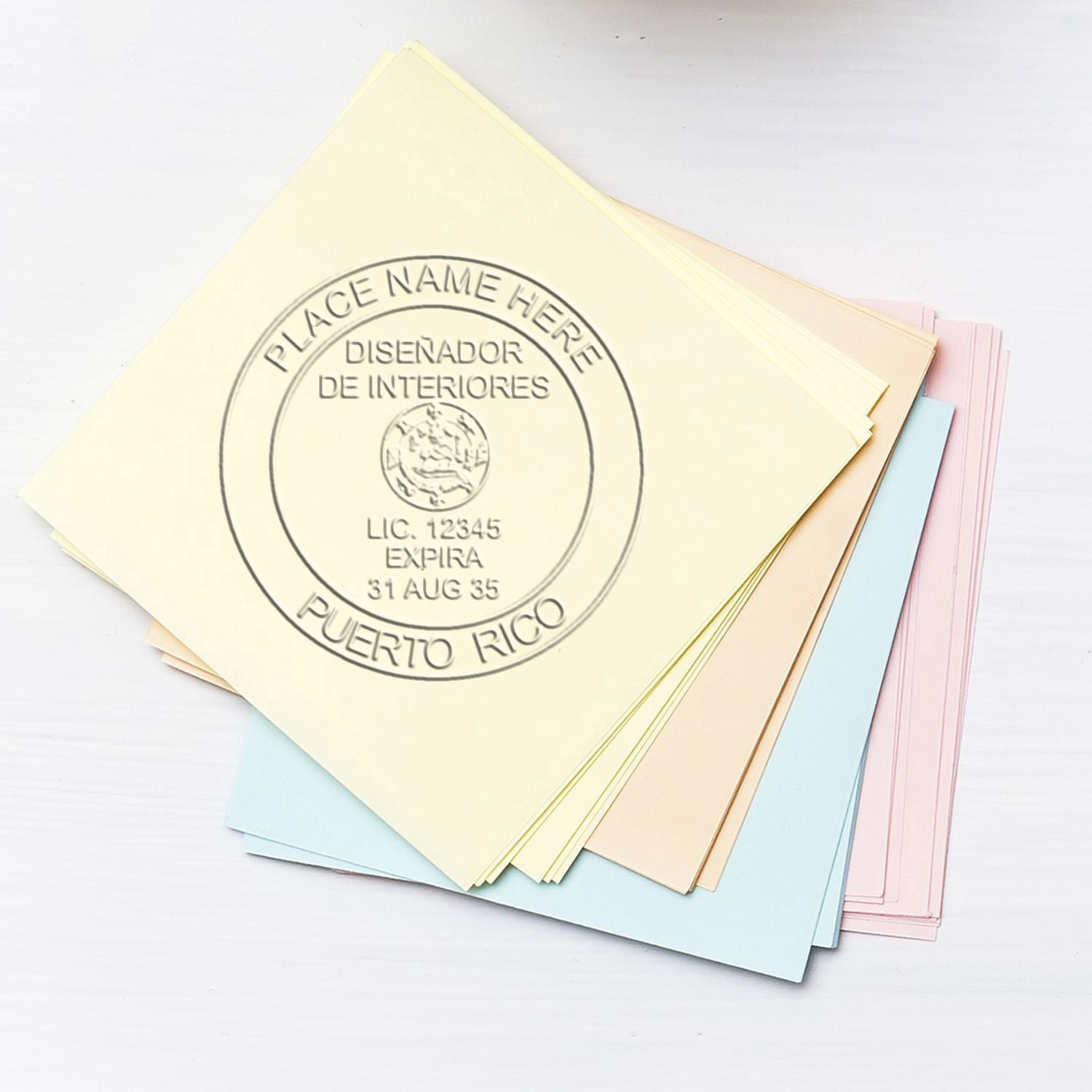
Stamp and seal get used interchangeably, but they are different devices. A seal is usually embossed, raising the design in the paper itself. A stamp lays ink on top of the page, using rubber, a self-inking mount or a pre-inked die. In professional conversation, seal tends to mean an official mark of authority, while stamp covers any device that inks a document.
Why it matters is practical. Work that gets scanned, copied and emailed favors ink, because an embossed impression can disappear on a photocopy. Work that gets signed, bound and handed over favors embossing, because a raised mark reads as formal in the hand. Some designers keep both and reach for whichever suits the document.
Select a Trusted Stamp Maker
With no state layout to satisfy, what you are buying is the quality of the die, the sense of the layout and the willingness of a supplier to show you a proof before anything is cut. Those three things decide whether the impression still reads cleanly on the five hundredth press.



Why Choose Acorn Sales
You already have enough to carry: client meetings, design boards, site visits, budgets. Ordering a stamp should take ten minutes. Acorn Sales has been in business since 1964, making professional stamps and seals for architects, engineers, notaries and interior designers. What you get:
- Layouts set from what reads well at your chosen size, since no template applies here
- A proof before production, so a misspelled studio name never reaches the die
- Materials that hold fine detail through years of regular use
- A free electronic seal with every order
The electronic seal is the piece most designers use daily. Instead of printing, stamping, scanning and emailing, you place the image on the PDF next to your signature and send it. The file is high resolution, so it stays clean when a client prints your set at full size.
How to Place an Order
- Settle your wording first. Write out every line exactly as it should read rather than describing it.
- Choose the device: embosser, self-inking, pre-inked or a hand stamp with a separate pad.
- Pick a size that holds your longest line without crowding it.
- Read the proof letter by letter, including every digit of a certificate number.
- Confirm the delivery address and allow room in the schedule if a deadline is driving the order.
Share any special instructions with the maker before production. A particular border, a shape that echoes your branding, or a line left open for your signature are all normal requests, and they are easier to handle before the artwork is finalized.


Key Features to Look For
- Durability: a solid mount and a deeply engraved die keep the impression even across the whole mark.
- Clarity: fine text and any emblem should stay open and readable at the finished size.
- Proofing: a supplier who shows you artwork first saves you from living with a typo.
- Service: someone who answers a question about layout with an answer rather than a form letter.
Manage Your Stamp Properly
Once the device is on your desk, a few simple habits keep it producing the same impression in year five that it produced on day one.
Storage Tips
Keep the stamp in a protective case or a dedicated drawer compartment rather than loose among pens and clips. Dust and moisture are what dull a die and gum up an ink well. Store a self-inking model upright so the ink stays where it belongs. Give an embosser a padded spot, especially if it travels to job sites in a bag.
Electronic Seal Basics
Most design documents now move as PDFs, which is why the free electronic seal gets so much use. You receive an image file that matches your physical mark, including any certificate number and title wording, and you place it on drawings or documents straight from your computer.
When you send digital sets, keep an eye on version control. If you revise a plan, apply the mark to the revised sheet so everyone can tell the issued set from an older one sitting in a shared folder. That habit prevents more confusion than any rule would.
Explore More Stamp Options
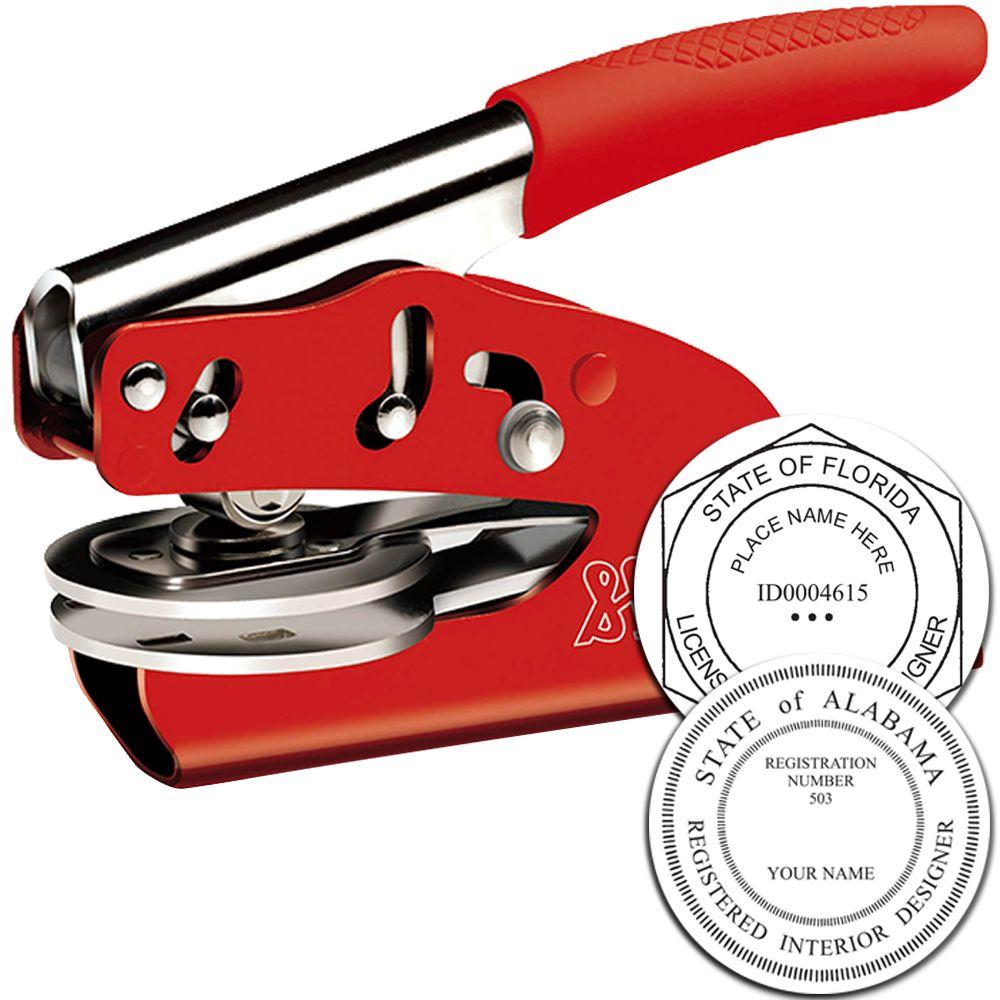
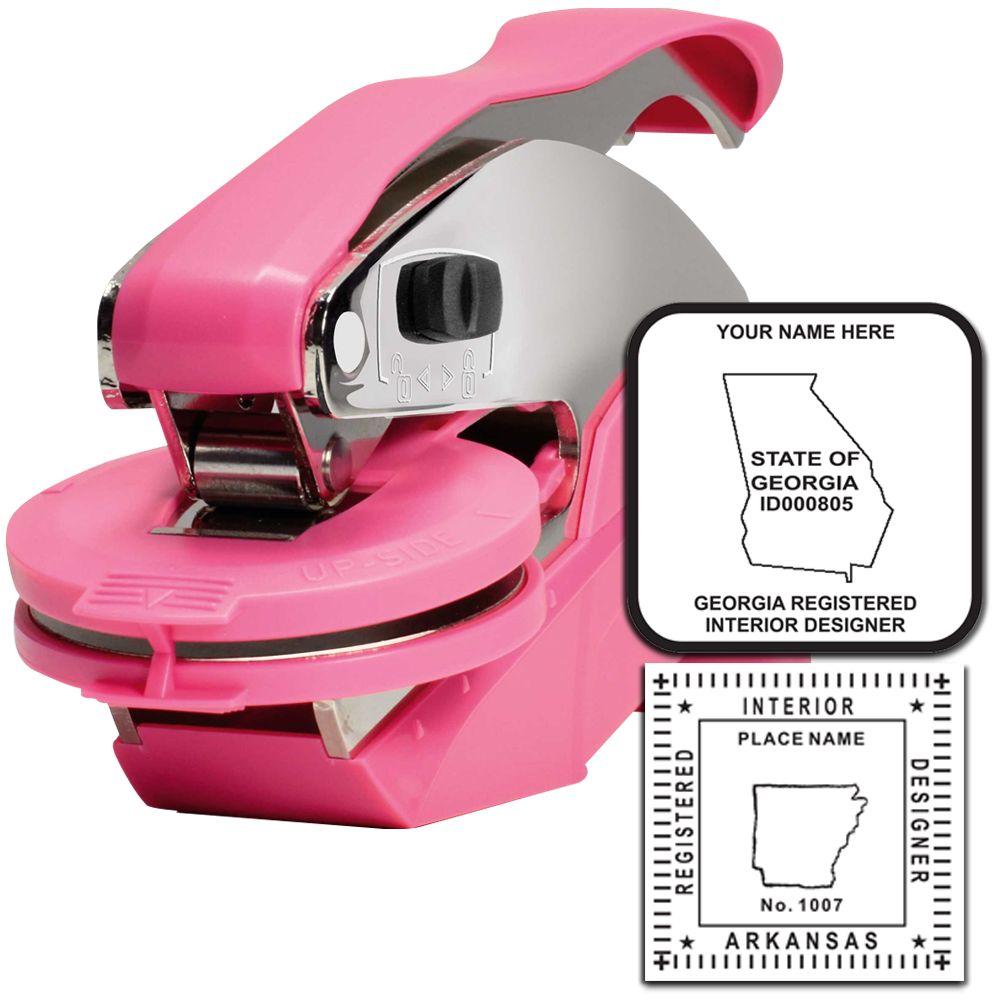
Shapes and mounts are worth a look before you commit. Round marks sit well on a cover page. Rectangular ones fit neatly into a signature block on a schedule sheet. Pocket embossers travel; desk models sit steady and are easier on the hand when you have a stack to get through. If you spend most of your week between job sites, a compact device earns its keep. If you stamp in the studio, a desk model is the better companion.
It also helps to see real impressions before you decide. Ask colleagues what they carry, or look at examples at actual size rather than enlarged on a screen, where everything looks legible.
Choosing a New York Stamp Maker
A New York interior designer stamp is not a regulatory box to tick. It is a small, deliberate piece of presentation that tells anyone holding the page who prepared it. The right device gives your work a finished look with clients and building departments alike, and it keeps that look consistent across everything you issue.
At Acorn Sales, we have been supplying designers, architects and other professionals since 1964. Whether you want a classic embosser or a pre-inked stamp for daily use, our team will go through the wording with you and set a proof before anything is made. The free electronic seal comes with it, which is handy when most of your documents travel as files.
So now you know the shape of it: New York asks a certified interior designer for a manual signature on original final documents, the stamp is yours to design, and the title to print is the one the state actually grants. Settle the wording, pick the mount, read the proof, and your work goes out looking like it came from a practice that pays attention.
Frequently Asked Questions
Do I need a stamp to practice as an interior designer in New York?
No. New York prescribes no seal for interior designers. Education Law section 8302 asks for a manual signature by the certified interior designer on original final documents, plans and specifications. Designers buy a stamp because it identifies the author and makes a set look finished, not because a rule asks for one.
What title should the stamp carry?
Certified Interior Designer. That is the title New York grants under section 8301. A mark reading Licensed Interior Designer describes a credential the state does not issue.
What if a building department asks for an embossed seal?
Then that request comes from them rather than from state law, and an embosser answers it. Some designers keep both an embosser and an ink stamp so either request is easy to meet.
How long does it take to receive a custom stamp?
Production and shipping times vary, so check the details on the product page before you order and allow extra room when a deadline is pushing you. Faster options are usually available.
What is the benefit of a free electronic seal?
You place a digital version of your mark on PDFs and other files without printing and scanning. It is the piece most designers use daily, especially when working remotely or submitting sets electronically.








