
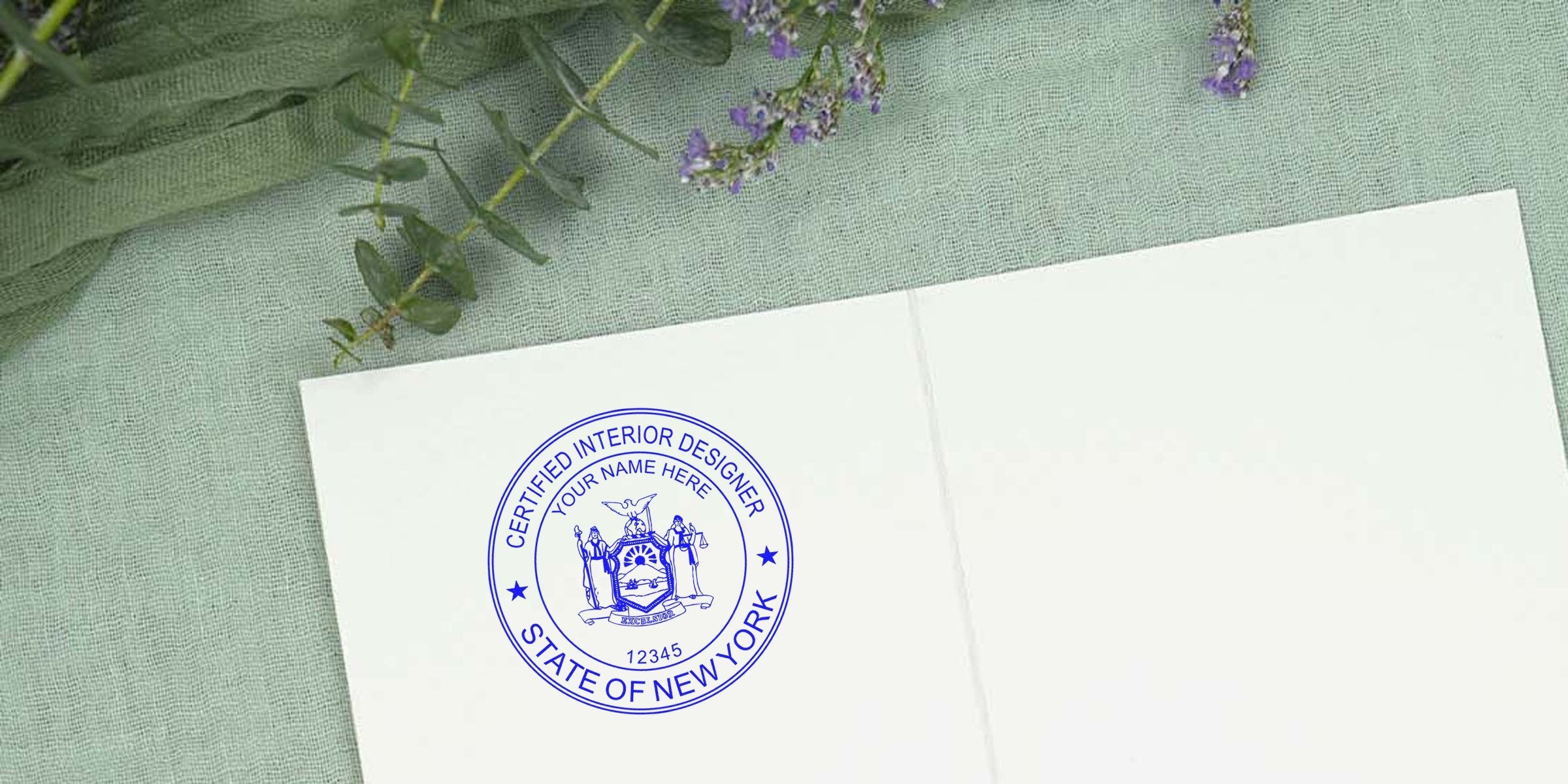
In New York, professional interior designers must follow specific laws and guidelines to keep their projects compliant. If you’re working on anything from cozy living rooms to full-scale commercial renovations, you’ve likely run into the topic of New York interior designer stamp regulations. Wondering how to secure your official stamp, where to get it, and why it matters? Let’s clear up the confusion so you can focus on bringing your creative visions to life.
Understanding the nitty-gritty of stamps and seals might sound dull at first, but in reality, these regulations ensure your work is taken seriously by both clients and officials. Think of it like a seal of authenticity—once you have it, you’re better positioned to showcase your professionalism. Below, we’ll explore exactly what you need to know, from the basic rules on stamping requirements to proven ways of staying up to date. By the end, you’ll feel confident about navigating the Bureau of Professional Licensing, the local building department, or any other authority that needs to see that little impression on your plans.
Understand the Regulations
When you’re dealing with design documents, you want them to hold up in any official review. The first step is wrapping your head around the statewide regulations, which outline when, where, and how an interior designer must use a professional stamp. New York’s Department of Education, along with various licensing boards, dictates these standards—but don’t worry, you won’t need a legal dictionary to catch on if you focus on the high points.
Who Sets the Rules?
If you’ve ever wondered who’s actually behind all these requirements, it’s a partnership of state law and professional boards. In New York, interior designers are regulated under statutes and rules enforced by:
- The State Education Department’s Office of the Professions.
- Licensing boards dedicated to design, architecture, and engineering.
- Specific municipal building departments, especially for public projects.
These bodies make sure that anyone calling themselves an interior designer meets a certain level of education, experience, and expertise. The stamp is a quick visual cue that you’ve met those standards.
When Do You Need a Stamp?
Not every design requirement calls for a stamped set of plans. Typically, you need to affix your stamp and signature to official drawings that go out for building permits or other formal reviews. When in doubt, it’s safer to include your stamp than to leave it out—nobody enjoys the hassle of re-submitting paperwork.
Common scenarios that require your stamp include:
- Submitting design plans for residential building permits.
- Prepping commercial renovation layouts for code compliance.
- Offering official documents to state or local contracting authorities.
These scenarios vary by project scope, so double-check with your local municipality before finalizing your drawings.
Obtain Your Official Stamp
Actually getting your stamp doesn’t have to be difficult. You’ll generally need proof of your valid interior design license, often a current copy of that license, and the application forms. After your request is approved, a professional stamp manufacturer can produce the tangible item you’ll use on your documents.
Choosing a Supplier
The important part? Making sure you pick a reputable supplier that knows the rules inside and out. If the manufacturer has experience with design professionals, they’ll know exactly how your stamp should look, including the wording, shape, and any official emblems that must appear. Check out new york interior designer stamp if you’d like a closer look at standard designs.
Here are a few tips for selecting a reliable provider:
- Confirm they follow New York’s required stamp format.
- Read customer reviews for details on quality and turnaround times.
- Ask about electronic seal options, which can be a huge time-saver.
Stamp and Seal Options
Many interior designers also prefer to have an embossed seal alongside their rubber or self-inking stamp. While stamps use ink to confirm your signature, seals create a raised impression in the paper itself—great for that official look.
Below is a short comparison to help you figure out which tool best fits your style:
| Aspect | Stamp | Seal |
|---|---|---|
| Impression | Ink-based mark on paper | Raised or embossed mark |
| Typical Usage | Construction documents, plan submissions, quick sign-offs | Professional certifications, formal letters, important contract attachments |
| Pros | Faster application, less physical pressure required | Distinguished appearance, tamper-evident, sense of authenticity |
| Cons | Ink can smudge if you’re not careful | Requires more physical pressure, less convenient for on-the-go usage |
| Common Format | Self-inking or pre-inked device | Metal embosser or desk seal device |
Some designers use both for different scenarios—maybe you’ll stamp your everyday drawings but seal a final contract for that prestige factor. Ultimately, it’s about matching the right impression to the right setting.
Maintain Compliance
After you’ve sorted out the right tool, the next step is making sure you keep your license and documents in top shape. Just having a fresh stamp isn’t meaningful if you skip the ongoing responsibilities laid out by state authorities.
Record-Keeping Essentials
Every time you place your stamp on a set of plans, you’re stating that those documents are accurate and reflect your professional judgment. Because of that, it’s wise to keep solid records of what you stamped and when:
- Maintain digital files of stamped drawings for at least a few years.
- Store physical copies, especially for large-scale projects, in a safe place.
- Label your files by project name, submission date, and revision notes.
If you ever get questioned by an inspector or licensing board, you’ll have your project history ready to go.
Renewals and Updates
In New York, your license must remain current for your stamp to be valid. If your license lapses, you can’t legally use that stamp, even if you still have it on your desk. So it’s crucial to track your renewal deadlines:
- Mark calendar reminders well before your expiration date.
- Complete any continuing education requirements promptly.
- Update your stamp info if your name changes or if you renew a new license number.
When your license is renewed, you’ll likely just keep using the same physical stamp, unless regulations or your license details have changed in a significant way that requires a new design.
Why Consider Acorn Sales
When it comes to securing a dependable stamp, Acorn Sales has been a trusted name since 1964. They’ve spent decades helping design professionals secure official supplies that meet strict government guidelines. So it’s no surprise they offer specialized options for New York interior designers.
Working with Acorn Sales can save you the headache of wading through multiple approvals. Their team stays on top of state requirements, so you can let them know you’re an interior designer in New York and rely on their experience to guide you.
Free Electronic Seal
In this digital age, sending electronic documents is part of the daily grind. A free electronic seal can bring you a step closer to fully paperless processes. Acorn Sales includes an electronic seal with your order, which opens you up to:
- Faster project submissions, especially when emailing plans.
- Easier collaboration on design documents with remote clients.
- Peace of mind if you need to re-print or re-stamp a digital file in the future.
Because sometimes you’re on a tight deadline, those extra minutes you save can make a real difference. Plus, it offers a consistent, polished mark to accompany your official signature, no matter the format.
By following these best practices, you’ll simplify your workflow, avoid compliance red flags, and keep your focus exactly where you want it—on creating spaces that wow your clients. With a valid stamp at your side and a keen eye for detail, you’ll breeze through official reviews and permit processes. Now, go ahead and stamp with confidence. Feel free to connect with Acorn Sales if you want to explore convenient ordering, free electronic seals, and expert guidance to keep your business on track. Happy designing!
Frequently Asked Questions
Do I Really Need an Interior Designer Stamp in New York?
Yes. State regulations require a valid stamp or seal on certain official design documents, particularly for building permits and coded projects. It verifies that you have the credentials to design responsibly.
Does My Stamp Expire When My License Does?
Your physical stamp still exists, but you can’t legally use it if your license isn’t current. Renew your license on time and verify your credentials to keep that stamp valid.
What if I Make a Minor Change After Stamping a Document?
Any significant revisions typically require a re-stamping, especially if the changes affect structural or code-related elements. Save all prior versions for clarity in case of an audit.
Can I Use an Old Stamp From a Former Employer?
No. Stamps are tied to your individual professional license, so your stamp must match your current credentials, license number, and full legal name.
What Are the Penalties for Improper Use of a Stamp?
Penalties may range from administrative fines to license suspension if you use a stamp without authorization or fail to meet the requirements. Always follow New York’s official guidelines to avoid these issues.








