
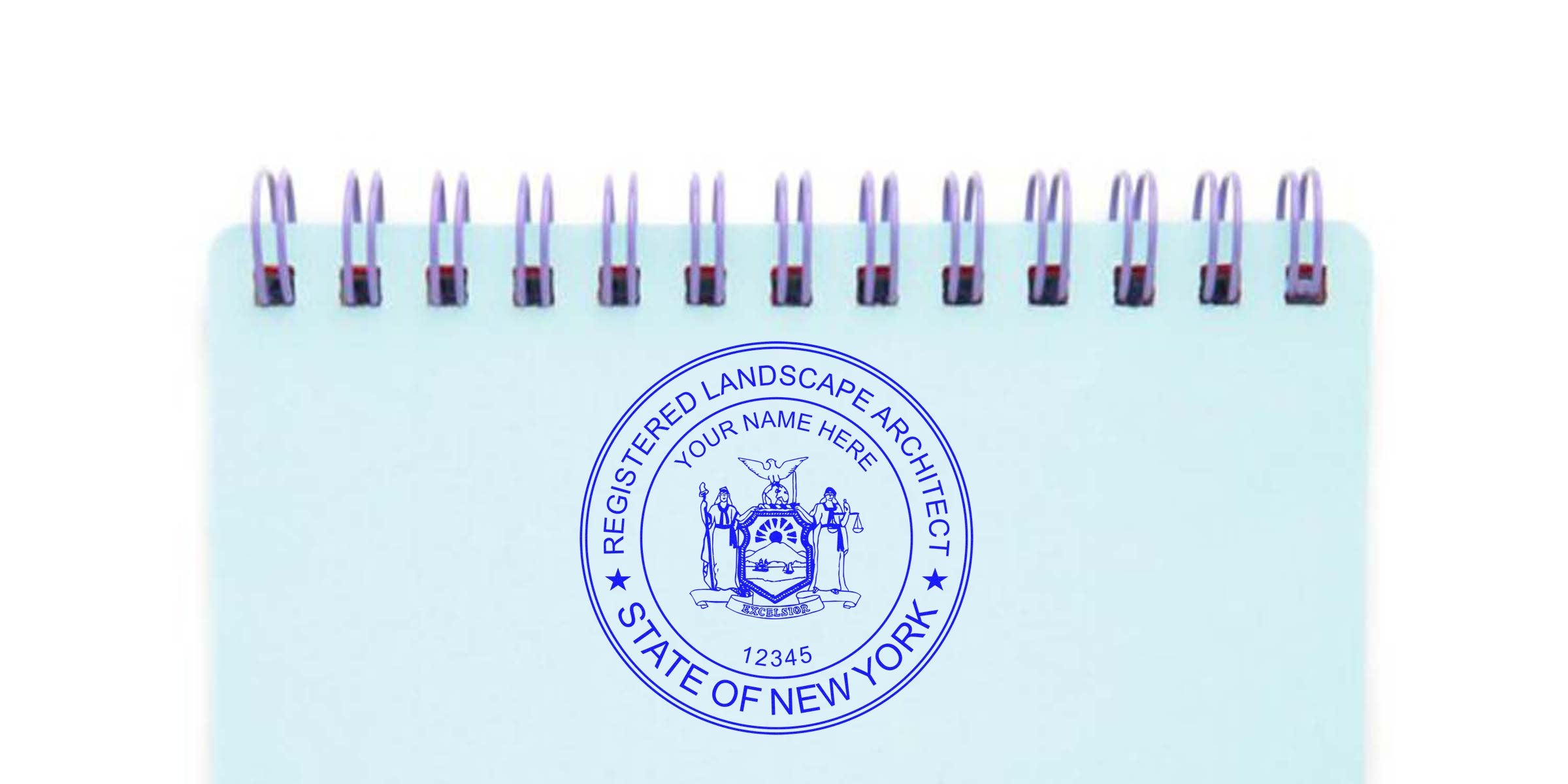
When you decide to practice landscape architecture in New York, you quickly discover there are many rules that guide your professional work. One of the biggest necessities you’ll encounter is the official stamp you must place on certain documents. If you’re new to the field or simply need a refresher, you’re in the right place. These New York landscape architect stamp guidelines can help you secure your credentials and avoid missteps. By the end of this article, you’ll understand how to meet state regulations, where to find a trustworthy stamp provider, and how to maintain compliance year after year.
Every project you work on has real-world impacts, from city parks to residential gardens. Your stamp doesn’t just reflect your personal brand, it also protects public safety by verifying your technical expertise. Below, we’ll walk through the key steps to ensure you stay on-track, including tips on selecting the right vendor, convenient ways to integrate your stamp into daily workflow, and how to prevent common errors. Along the way, you’ll find some insider knowledge on how to keep your practice above board while satisfying New York requirements. Let’s get started.
Review the Legal Requirements
Understanding the laws you’re expected to follow is the foundation of your professional activities. In New York, architectural and engineering boards aren’t the only bodies that play a role in establishing best practices—landscape architecture boards have their own specific mandates. These mandates can include which documents require stamping, how your stamp should be formatted, and how often you need to update your registration.
You might be wondering, “Where do I even begin?” A great starting point is New York’s official licensing resources, which outline exactly when your professional seal is needed (often labeled “stamp” or “seal” interchangeably). While you won’t necessarily stamp every document you produce, you’re expected to use your seal on official drawings, certain contracts, and any plans submitted for public or private review.
- Make sure your license is up to date before ordering a stamp.
- Double-check you’re not stamping preliminary sketches unless required.
- Verify document categories that require an official seal (project specs, blueprints, proposals).
If you want more details on the absolute must-haves, be sure to explore new york landscape architect stamp requirements. Knowing these basics sets you up for success as you navigate the rest of this process.
Understand the New York Stamp
A New York landscape architect stamp is more than just ink on paper. It’s a visual confirmation of your authenticity, signaling to clients, stakeholders, and regulatory boards that you’ve met the state’s standards. If you’re unsure whether you need a physical stamp, an embossed seal, or a digital version, the short answer is that you often need different formats depending on your workflow.
What the Seal Should Include
In most cases, your seal will need to show:
- Your full name exactly as it appears on your license.
- The words “Licensed Landscape Architect” or “Registered Landscape Architect,” in compliance with New York guidelines.
- Your New York license number, typically placed near your name.
- The official seal border or circular design as mandated by the state.
Please note that specific text can vary, so make sure to confirm with current regulations or official instructions. If you skip any part of this information, you risk legal complications down the road.
When You Must Use It
Rules may require you to stamp final drawings that go to clients or official agencies. You might need to seal project proposals, site plans, or any official submission. Some architects also include their seal on contracts that require professional oversight. If you’re collaborating with engineers, city planners, or private developers, you’ll want to confirm each party’s standard practice for sealed documents. Often, your seal must be accompanied by a signature and date to validate its effectiveness.
Choose a Trusted Provider
Finding a high-quality stamp or seal might sound easy enough, but you need a provider that can handle the official specifications required of you. One misalignment in lettering or a slight omission of mandatory text can invalidate your documents. That’s why it pays to be cautious about where you invest your money.
Over the years, one name that keeps popping up among professionals seeking reliability is Acorn Sales. We’ve been in business since 1964, so you know there’s a long-standing history of quality behind our offerings. We offer free digital seals with every order as well, so you can quickly integrate them into your digital workflow. That means less hassle and greater flexibility when you’re working with clients who demand electronic deliverables.
What should you look for in any provider? Here are a few essentials:
- Industry Experience: An experienced stamp manufacturer understands the formatting specified by New York boards.
- Customization Options: You must be able to include your name, license number, and correct border design.
- Speed and Convenience: Providers should offer quick turnaround times for both digital and physical stamps.
- Guarantee of Accuracy: A good company will stand behind their products if any detail needs refreshing.
When you’ve found a stamp provider who meets these criteria, you can rest easy knowing your seal meets specific state mandates. It’s one less headache when you’re juggling deadlines for client projects.
Prepare and Apply Your Stamp
Once your stamp or seal arrives, you’ll want to have a consistent approach for using it on documents. In most scenarios, you’ll stamp or emboss near your signature at the bottom of the page. Some architects prefer to stamp in the top-right corner, but check with the relevant authorities to confirm any mandated placement.
Below is a simple table that contrasts a physical stamp and a digital seal, so you can decide which version might be best in your daily work:
| Feature | Physical Stamp | Digital Seal |
|---|---|---|
| Application Method | Ink or embosser on paper | Embedded in electronic documents |
| Convenience | Requires manual placement | Quick insertion via software |
| Document Type | Paper (permits, blueprints) | PDFs, online submittals |
| Tamper Resistance | Low (ink can be altered) | Higher (digital certificates) |
| Portability | Easy to carry, needs ink source | Accessible anywhere, requires device |
When you do apply the stamp, be sure to press firmly and hold for a moment if you’re using an ink design. If you’re going digital, confirm your software is set up properly so the seal looks crisp and easy to read. The last thing you want is a blurry or partially visible seal that raises doubts about authenticity.
Maintain Compliance Over Time
Securing the proper stamp is a big step, but you also need to keep an eye on renewals, updated regulations, and any new technology. Once in a while, New York may revise the design or text that must appear on a seal. You’ll also need to remain mindful of your license expiration date and any continuing education requirements the board sets forth.
Think of your stamp as a living part of your professional practice. Every so often, run through a checklist to verify:
- Your license is valid and correctly renewed.
- You’re only stamping documents you’ve personally supervised or authorized.
- The information on your stamp matches your current legal name and license number.
- You’re aware of any new guidelines from signing authorities.
Keeping up with these items ensures you don’t face fines or have your license questioned. Aim to save yourself the stress of last-minute scrambles by building these checks into your workflow—perhaps set a quarterly reminder on your calendar or keep a dedicated compliance log.
Avoid Common Mistakes
Everybody slips up sometimes. But in this field, a small oversight could cause big delays or even legal issues. Familiarize yourself with common mistakes, so you steer clear:
- Stamping Unsigned Documents: You generally need to sign and date near the seal to validate it.
- Misplacing the Seal: Stamping the wrong corner or covering crucial text might make your document look unprofessional or possibly rejection-worthy.
- Using the Wrong Title: Double-check that your stamp says “Landscape Architect,” not “Architect” or “Engineer.”
- Failing to Update: If your name changes or you get a new license number, you must get a new stamp.
- Overusing the Seal: Avoid stamping every doodle or concept sketch—you only need to seal final official documents, after your design is set.
It can help to designate a final review step where you confirm these details. You can even create a small internal procedure documenting each step: from verifying the board’s standard disclaimers to ensuring your stamping ink is free from smudges.
Consider the Value of a Digital Seal
Today’s digital landscape offers more ways than ever to handle your professional obligations. A digital seal can be a huge time-saver, especially if you have to submit PDF drawings or sign off on remote projects. Even for smaller firms, it’s often worth exploring because many government agencies and private developers accept electronically sealed drawings.
At Acorn Sales, we include a free digital seal with every order, making it simpler than ever to blend old-school reliability with modern efficiency. If a government site or private client needs original paper copies, you can still break out your trusty physical seal. But if you need a speedy electronic signature, simply deploy the digital version. Balancing both methods gives you flexibility, which is invaluable when you have tight deadlines or prefer a paperless office.
Leverage Your Stamp for Professional Credibility
While a stamp is officially required, it also serves as a signal of your professionalism. The truth is, many clients feel more confident when they see the official emblem of a state-licensed landscape architect. It sets you apart from unlicensed practitioners and helps secure trust. This is especially valuable if you plan to expand your clientele or collaborate with other trade professionals in architecture, engineering, or construction.
Here are a few ways to maximize that sense of credibility:
- Present your sealed drawings at meetings to emphasize your commitment to quality.
- Use a digital seal on your proposals to quickly convey legitimacy to prospective clients.
- Occasionally show your seal on your website’s credentials page, so visitors know you’re properly licensed.
Even though you don’t want to overdo it, strategically displaying your stamp can help your practice stand out. It’s not just about meeting guidelines—it’s about showcasing that you meet a higher professional standard.
Staying Up to Date with New York Regulations
New York’s oversight for landscape architects can evolve over time. You don’t want to find out about a rule change when it’s already too late. Here’s how you can stay on top of it:
- Subscribe to regulatory board newsletters, so you hear about upcoming changes or public comment periods.
- Attend professional conferences or continuing education events in the region.
- Check official websites at least once per year to confirm your stamp design still meets the standard.
If you work for a larger firm, make sure someone on your team is assigned to track state requirements. Solo practitioners can set up an organized calendar or rely on professional associations. The main thing is to stay proactive. After all, your formal license is only as good as your willingness to uphold the latest version of the rules.
Use Your Stamp Responsibly
The guidelines around stamping and sealing are also about protecting the public and your reputation. When you place your seal, you’re effectively taking responsibility for the content of that document. Whether it’s your site plan for a public park or a landscaping project for a corporate campus, your seal signifies you’ve carefully reviewed and stand behind what you’re submitting.
Consider these best practices for responsible usage:
- Review each page for accuracy before stamping.
- Confirm that the scope of the document falls under your licensure as a landscape architect.
- Don’t lend your stamp to others or leave it too accessible in shared office spaces.
- If you’re working on a multi-phase project, clarify which parts fall under your stamp’s coverage.
Responsible usage extends your professional ethics. In essence, your stamp states, “I, as a licensed professional, verify this document meets the required standards.”
Keeping an Organized Filing System
You might think once you stamp your document, your obligation ends. However, you also need an organized tracking system for each set of finalized plans. For small projects, a digital folder containing PDFs of the stamped documents might suffice. Larger projects might demand a more elaborate architecture so you can easily retrieve older versions.
Here’s a quick approach to staying organized:
- Label digital files with clear naming conventions (e.g., ProjectNamePhaseDDMMYY).
- If you’re using physical copies, store them in labeled binders for quick reference.
- Keep a backup of your digital seal in a secure cloud location.
- Log details each time you use your stamp, including the date, project name, and client info.
This system helps if you ever face a dispute or need to prove the timeline for your sign-offs. Plus, it can make your day-to-day tasks simpler. Being able to pull up archived plans with no confusion saves time when a client wants modifications or expansions in the future.
Collaborating with Other Professionals
Landscape architecture often overlaps with other fields, from engineering to urban planning. When you collaborate, you’ll likely see your colleagues using their own stamps. Don’t assume their process is identical to yours. Each professional field has unique guidelines, so ensure each discipline’s stamp is placed correctly. This helps prevent last-minute rejections by permitting agencies. If your portion of a plan changes, you may need to re-seal or re-date your document.
Coordinating stamps across multiple professionals can become a logistical puzzle, especially if you’re dealing with site drawings spanning numerous pages. Typically, each professional will stamp the sections relevant to their scope of work. If you’re uncertain how that breaks down, have a quick conversation early in the project to define stamping responsibilities and avoid confusion later on.
Factor in Personalization
While a state-mandated layout determines much of your stamp’s design, some personalization is still possible. You could, for example, choose an embosser style or opt for an ink color that’s easier to see on your standard blueprint sheets. Just be sure you don’t overshadow the official text. If you’re leaning toward a specific style, talk to your stamp provider or a professional association to ensure you remain aligned with state rules.
If you plan on using a signature beneath your seal, you might also consider a signature stamp for efficiency. In many cases, however, that’s less common for official documents, because a live, handwritten signature helps verify authenticity. Digital solutions can incorporate a secure e-signature in tandem with your digital seal, which provides a strong trail of legitimacy.
Planning for Future Growth
Perhaps you’re a brand-new licensee, or maybe you’ve been practicing for years. Either way, you’ll want to lay the groundwork for expansion. As you take on bigger projects or expand your territory, you might find yourself juggling multiple sets of stamped documents at once. That’s why establishing a robust system now will pay dividends down the line.
Set some goals for your practice:
- Decide on a standard protocol for stamping large sets of documents.
- If you hire junior associates, create a training module that covers stamp usage and compliance.
- Explore advanced digital tools for project management, so you can easily integrate stamps into your workflow as the number of projects grows.
Ultimately, your stamp is a routine part of your profession that can increase efficiency if managed well. Treat it as an asset, not just an obligation, and you’ll be setting yourself up for smoother operations as you grow.
Staying compliant in New York as a licensed landscape architect isn’t as stressful as it might seem. By getting the right stamp from a reputable provider, keeping track of your licensing requirements, and staying current with guidelines, you’ll maintain your professional standing with minimal headaches. At Acorn Sales, we’re here to help ensure you have the proper tools for every project, complete with free digital seals to speed up your workflow.
Most importantly, don’t forget the big picture: your stamp is a reflection of your expertise and dedication to designing safe, functional outdoor spaces. Each time you press that seal onto your documents, it represents the trust clients and the public put in you. Handle it responsibly, stay on top of regulations, and watch your landscape architecture practice thrive.
Frequently Asked Questions
Can I share my physical stamp with a colleague if we’re on the same team?
Absolutely not. Your stamp is tied to your personal license, so only you should have access. Sharing could lead to liability complications if someone misuses it.
Do I need to update my seal if I relocate within New York?
Typically, a move within the state doesn’t affect the details on your stamp, but you’ll want to keep your address current with licensing authorities. Always double-check in case new requirements arise.
Is a signature required every time I use my stamp?
Yes. In most cases, a signature and date near your seal is necessary to confirm your direct accountability for the document’s content.
Does an electronic seal hold the same weight as a physical one?
For official use, New York generally accepts digital seals that meet security standards. However, confirm with the agency requesting your documents. Some may still prefer or require a physical seal.
How can I be sure my stamp is up to date?
Reach out to a verified provider like Acorn Sales or review official state regulations periodically. If your name changes or your license number is updated, you’ll need a new stamp.








