

Written by Acorn Sales Company, manufacturing stamps and seals since 1964 · Reviewed by Holly R, VP of Sales and Marketing at Acorn Sales, against the North Carolina Board of Architecture and Registered Interior Designers and N.C. Gen. Stat. § 83A-10(a) on 21 September 2026 · Updated 21 September 2026
You need two seals, not one, and exempt projects get sealed anyway. G.S. 83A-10(a) requires every licensed architect to have a seal of a Board authorized design and to imprint all drawings and sets of specifications prepared for use in the State, and requires a licensed architectural firm to use a Board approved firm professional seal in addition to the individual seal of the document’s author. Rule 21 NCAC 02.0206(a)(11) says where it goes: “The firm seal must be affixed in addition to the individual seal on the cover sheet.” A sole proprietor is the only architect here who gets away with a single device.
Rule.0206(a) opens with a sentence that surprises architects from other states: “An architect shall seal his or her work whether or not the work is for an exempt project as defined in G.S. 83A-13.” In most jurisdictions the exemption removes the sealing duty. Here the exemption governs who must be hired, not what the architect does once hired.
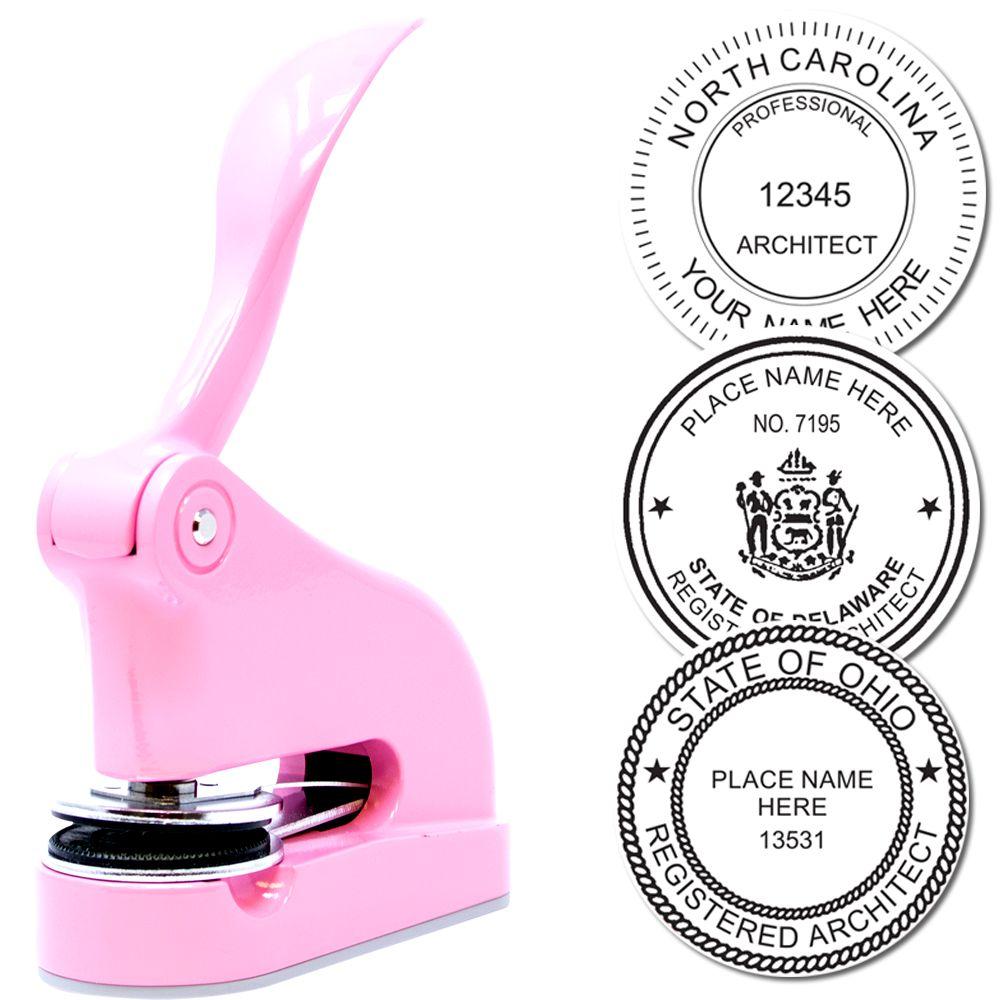
The individual device is two concentric circles, 1 1/2 to 1 3/4 inches in diameter, with North Carolina and your name in the outer circle and your license number and the words Registered Architect in the inner circle. Leave room in the middle, because your original handwritten signature has to run across the face of each imprint with the date of affixation.
North Carolina architect seal requirements at a glance
| Requirement | North Carolina rule | Source |
|---|---|---|
| Seal required | Yes | N.C. Gen. Stat. § 83A-10(a) |
| Required elements | North Carolina in the outer circle, Your name as licensed in the outer circle, Your license number in the inner circle, Registered Architect in the inner circle and Two concentric circles | 21 N.C. Admin. Code 02.0206(a)(2) |
| Size and shape | 1 1/2 to 1 3/4 inches in diameter. | 21 N.C. Admin. Code 02.0206(a)(2), (a)(3) |
| Device allowed | Rule 21 NCAC 02.0206(a)(2) accepts a rubber stamp, an embossed seal, a computer generated seal or a similar permanent addition to the document. | 21 N.C. Admin. Code 02.0206(a)(2) |
| Signature and date | Signature across the seal, with the date of affixation, both by hand. | 21 N.C. Admin. Code 02.0206(a)(2), (a)(9), (e) |
| What must be sealed | Rule 21 NCAC 02.0206(a)(5) places the seal on one original: on the cover sheet and on each design drawing, on the index page identifying each set of specifications, and on the index page of all other technical submissions. | 21 N.C. Admin. Code 02.0206(a)(5), (a)(6), (a)(7), (a)(8), (c) |
| Electronic seal | North Carolina names a federal standard, which most boards do not. | 21 N.C. Admin. Code 02.0206(e) |
| Renewal and lapse | G.S. 83A-11 governs expirations and renewals, and G.S. 83A-12 makes practice without a current license prohibited. | N.C. Gen. Stat. §§ 83A-11, 83A-12 |
| Firm requirements | Yes, and it is a second physical seal. | N.C. Gen. Stat. § 83A-10(a) |
| Regulator | The North Carolina Board of Architecture and Registered Interior Designers | N.C. Gen. Stat. ch. 83A, principally §§ 83A-1, 83A-10, 83A-11, 83A-12 and 83A-13, read from the North Carolina General Assembly |
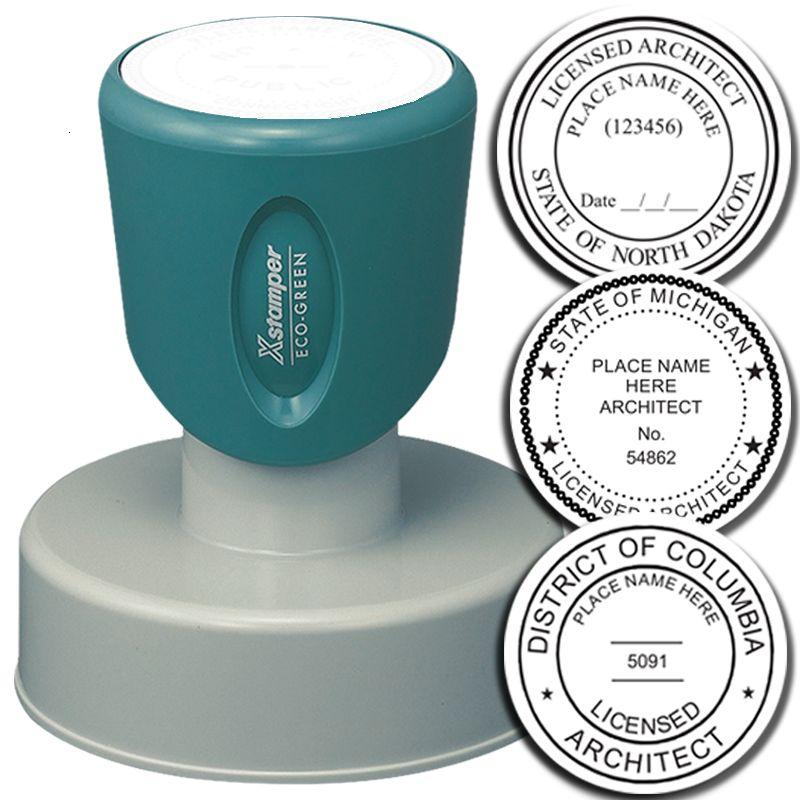

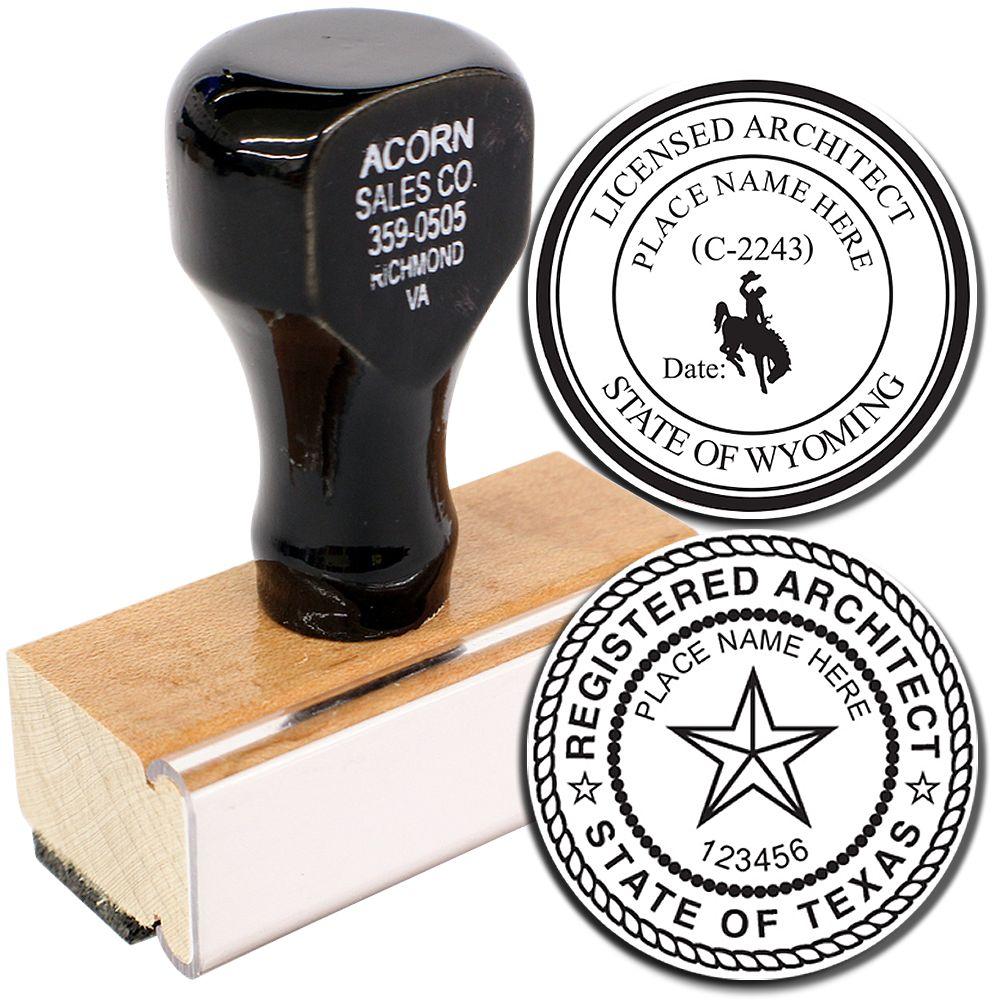
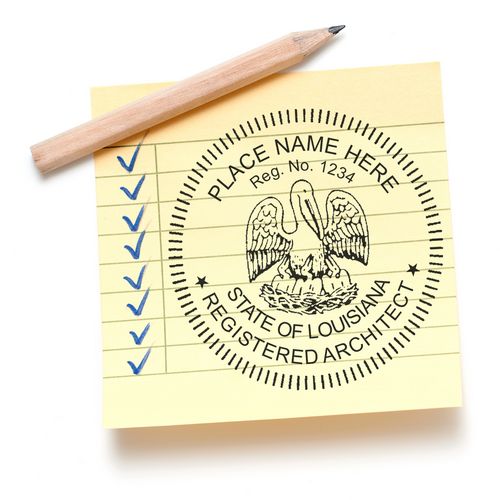
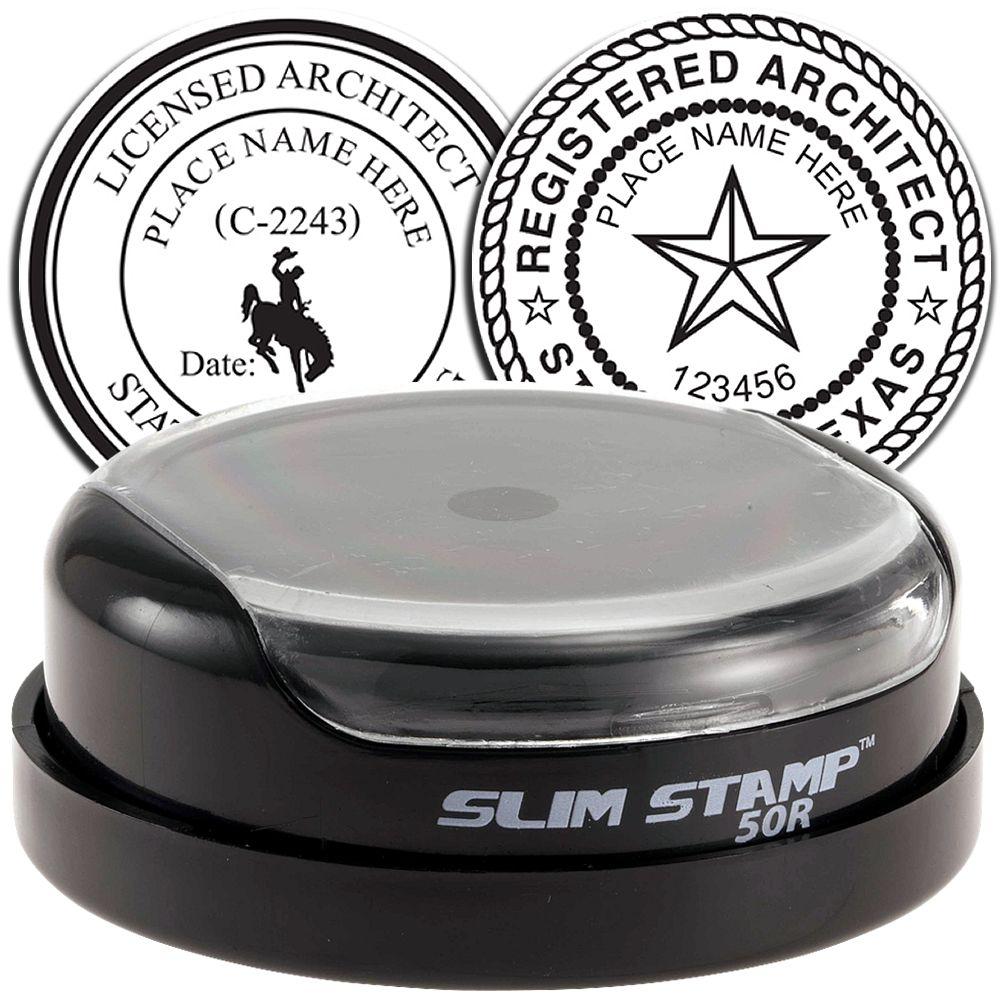
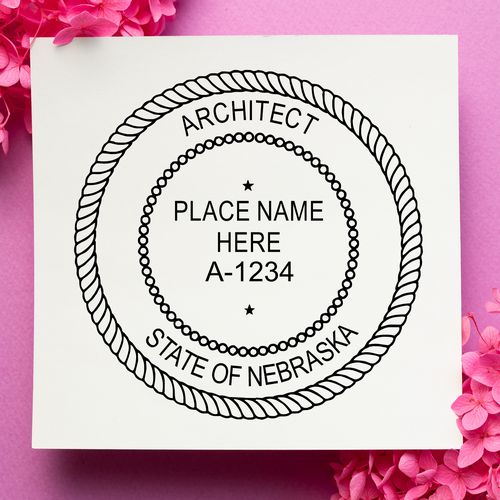


Is a seal required in North Carolina?
The statute is short and the rule does the work. G.S. 83A-10(a) provides that “Every licensed architect shall have a seal of a design authorized by the Board, and shall imprint all drawings and sets of specifications prepared for use in this State with an impression of such seal,” and adds that a licensed architectural firm shall use a firm professional seal approved by the Board to identify professional documents, in addition to rather than instead of the individual seal of the document’s author. Rule 21 NCAC 02.0206(a) opens with the broadest sealing duty in the state: “An architect shall seal his or her work whether or not the work is for an exempt project as defined in G.S. 83A-13.”
What must appear on the seal
- North Carolina in the outer circle
- Your name as licensed in the outer circle
- Your license number in the inner circle
- Registered Architect in the inner circle
- Two concentric circles
The standard design is fixed: two concentric circles, with North Carolina and the licensee name in the outer circle and the license number and “Registered Architect” in the inner circle. Nothing about the face is optional. Two things are prohibited outright. Rule 21 NCAC 02.0206(a)(4) bars “Pre-printed documents bearing a pre-printed facsimile of the signed and dated seal,” and (a)(9) provides that “Signature reproductions such as rubber stamps, computer generated, or other facsimiles are not permitted in lieu of actual handwritten and hand dated signatures,” subject only to the digital signature route in paragraph (e). A firm seal is a separate approved device with its own wording, not a variant of yours.
Size and shape
1 1/2 to 1 3/4 inches in diameter. Rule 21 NCAC 02.0206(a)(2) states for the individual seal that “The size shall be 1 1/2 to 1 3/4 inches in diameter,” and (a)(3) repeats the same band for the firm seal. That is a stated range, which is unusual in North Carolina: the engineer and surveyor board next door states no diameter at all, and the board’s own seal brochure does not repeat the figure. Order to the rule.


Embosser, rubber stamp or digital
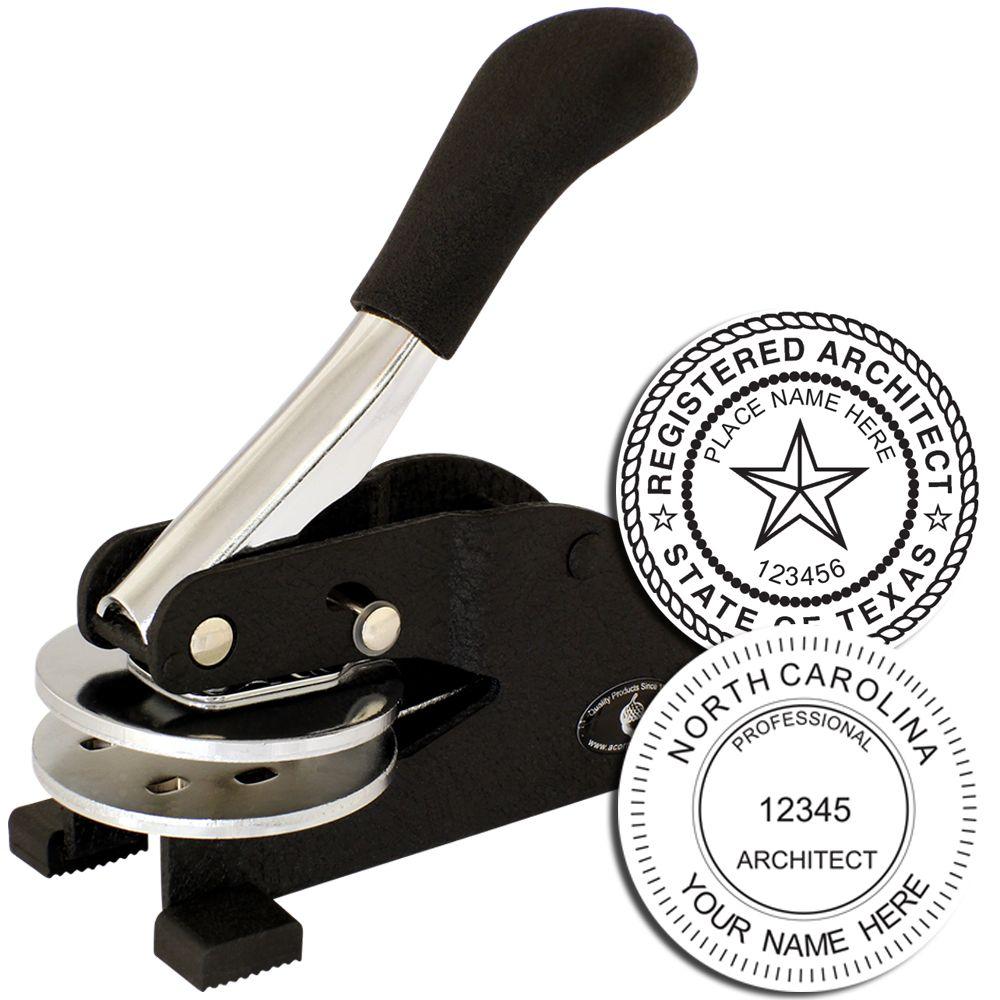
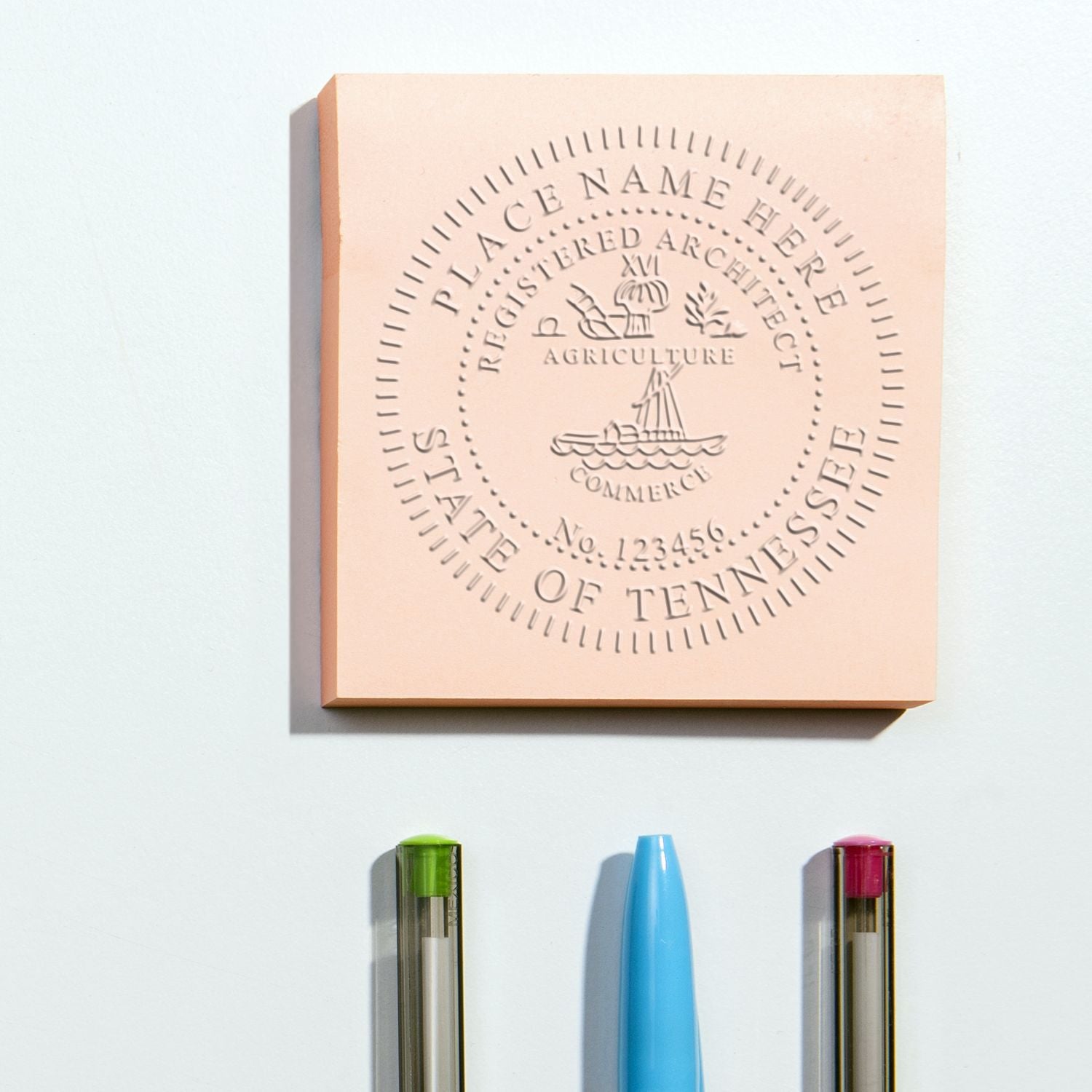
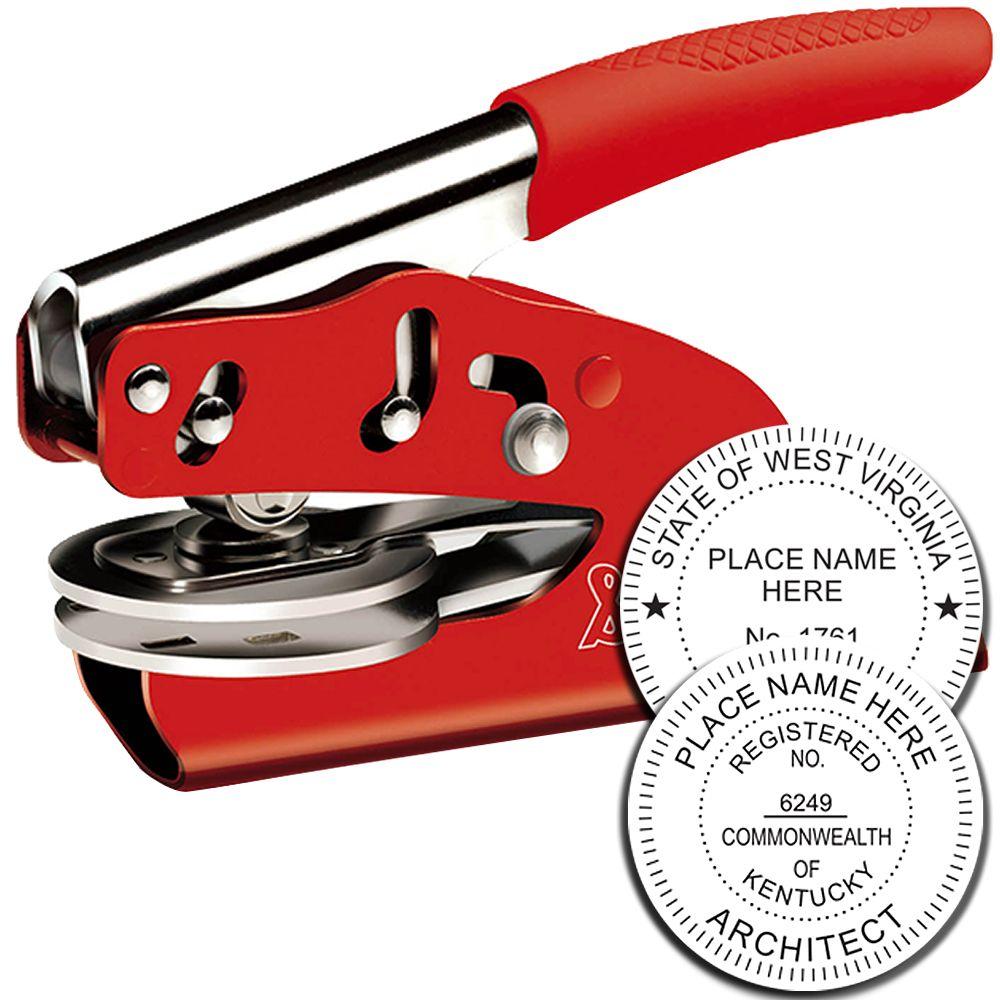
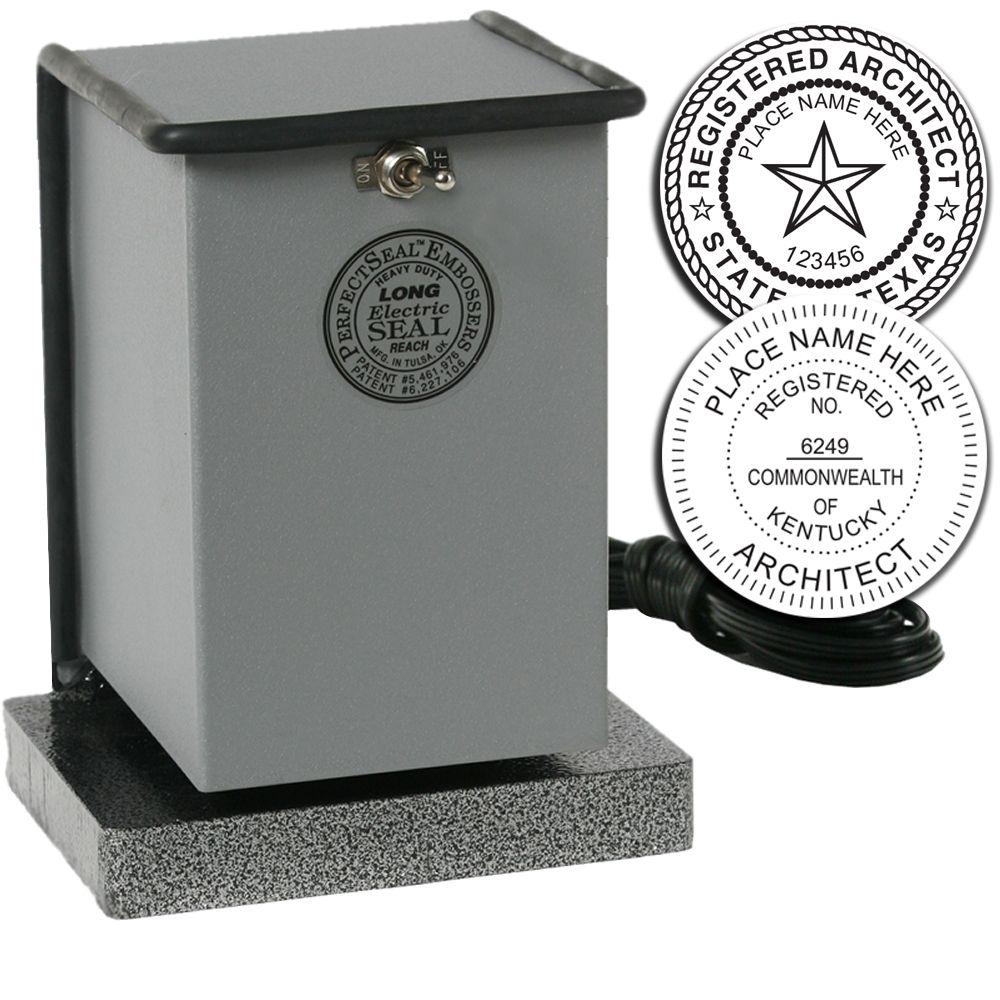
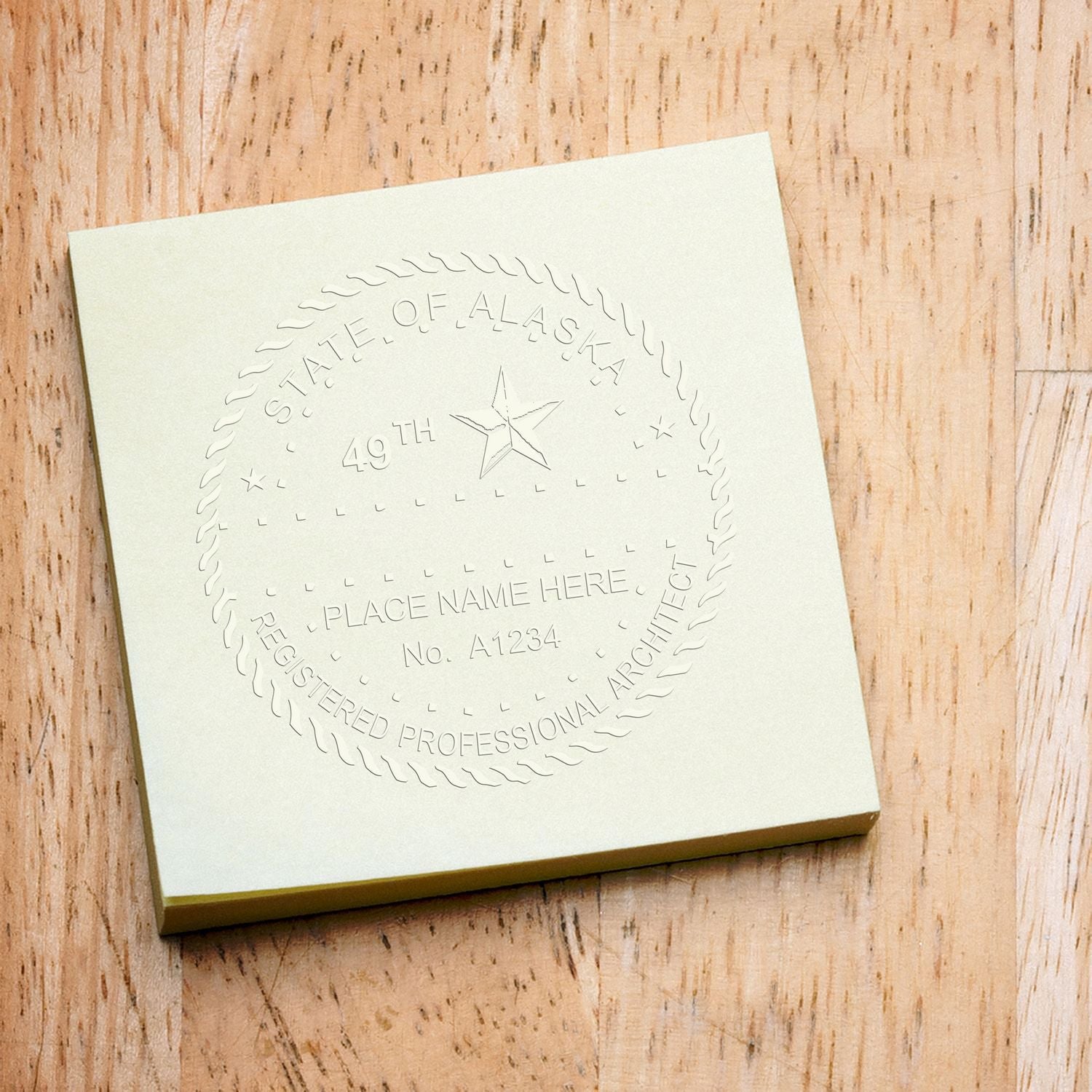
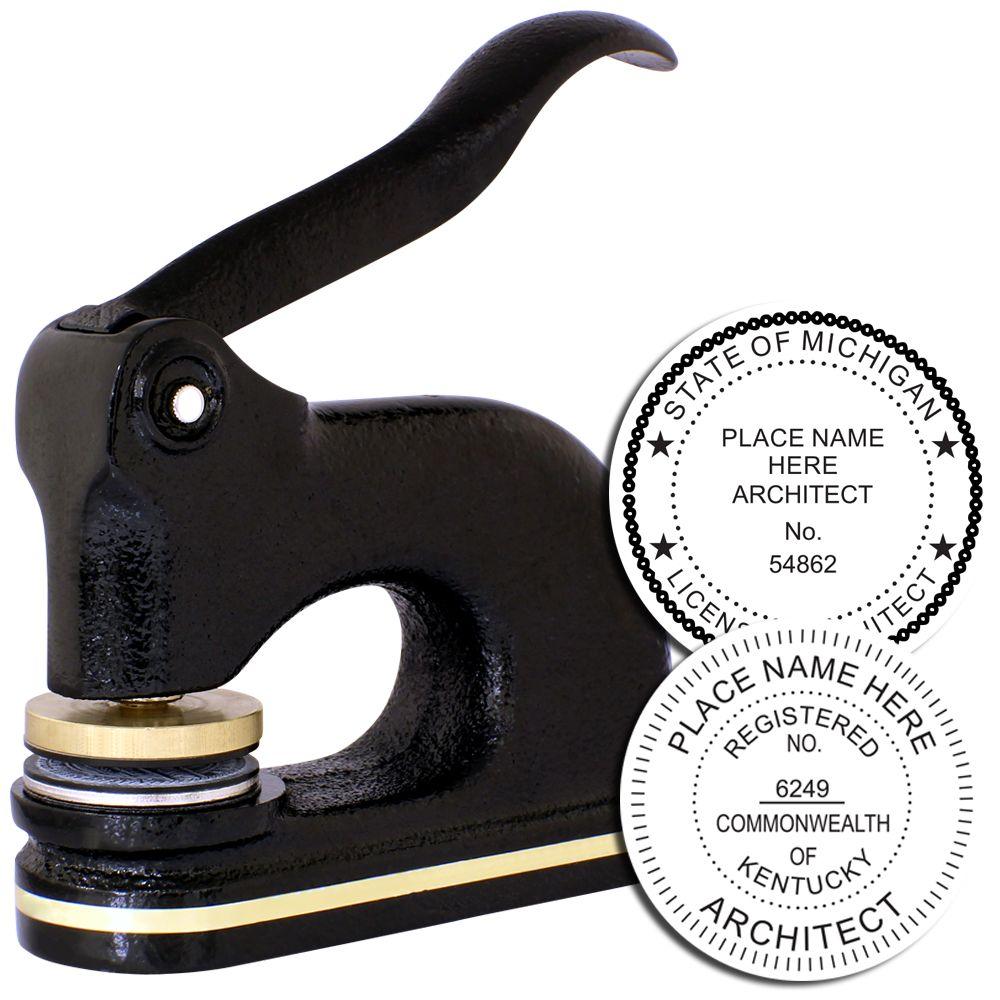
Rule 21 NCAC 02.0206(a)(2) accepts a rubber stamp, an embossed seal, a computer generated seal or a similar permanent addition to the document. The safe buy is an inked rubber stamp, because your original handwritten signature has to run across the face of each seal imprint and the imprint has to survive reproduction into a permit set. An embosser alone leaves nothing for the signature to cross on a copy.
Signing and dating
Signature across the seal, with the date of affixation, both by hand. Rule 21 NCAC 02.0206(a)(2) provides that “The original, handwritten signature of the individual named on the seal shall be considered part of an individual seal and shall appear across the face of each original seal imprint along with the date of affixation.” Paragraph (a)(9) then closes the shortcut: rubber stamped, computer generated and other facsimile signatures are not permitted in lieu of actual handwritten and hand dated signatures, except that a digital signature meeting paragraph (e) may be used in lieu of a handwritten signature and handwritten date.
Exempt projects get sealed anyway, and a scanned signature is never a signature
Rule 21 NCAC 02.0206(a) begins with a sentence that surprises architects from other states: “An architect shall seal his or her work whether or not the work is for an exempt project as defined in G.S. 83A-13.” In most jurisdictions the exemption removes the sealing duty. In North Carolina the exemption governs who must be hired, not what the architect does once hired. If you are the architect, you seal.
Which documents must be sealed
Rule 21 NCAC 02.0206(a)(5) places the seal on one original: on the cover sheet and on each design drawing, on the index page identifying each set of specifications, and on the index page of all other technical submissions. The carve outs are specific. Paragraph (a)(6) provides that “Presentation documents, such as renderings used to communicate conceptual information, shall not be sealed or signed.” Paragraph (a)(7) lets incomplete documents be released for interim review unsealed and unsigned if they are dated, bear the architect’s name and are marked to indicate the documents are for interim review and not intended for bidding, procurement, permit or construction purposes. Paragraph (a)(8) keeps consultant sheets out of your hands: they “shall bear the seal and registration number of the consultant responsible therefore and shall not be sealed by the architect.” Paragraph (c) allows post construction record drawings to go unsealed if properly labeled.




Electronic and digital seals
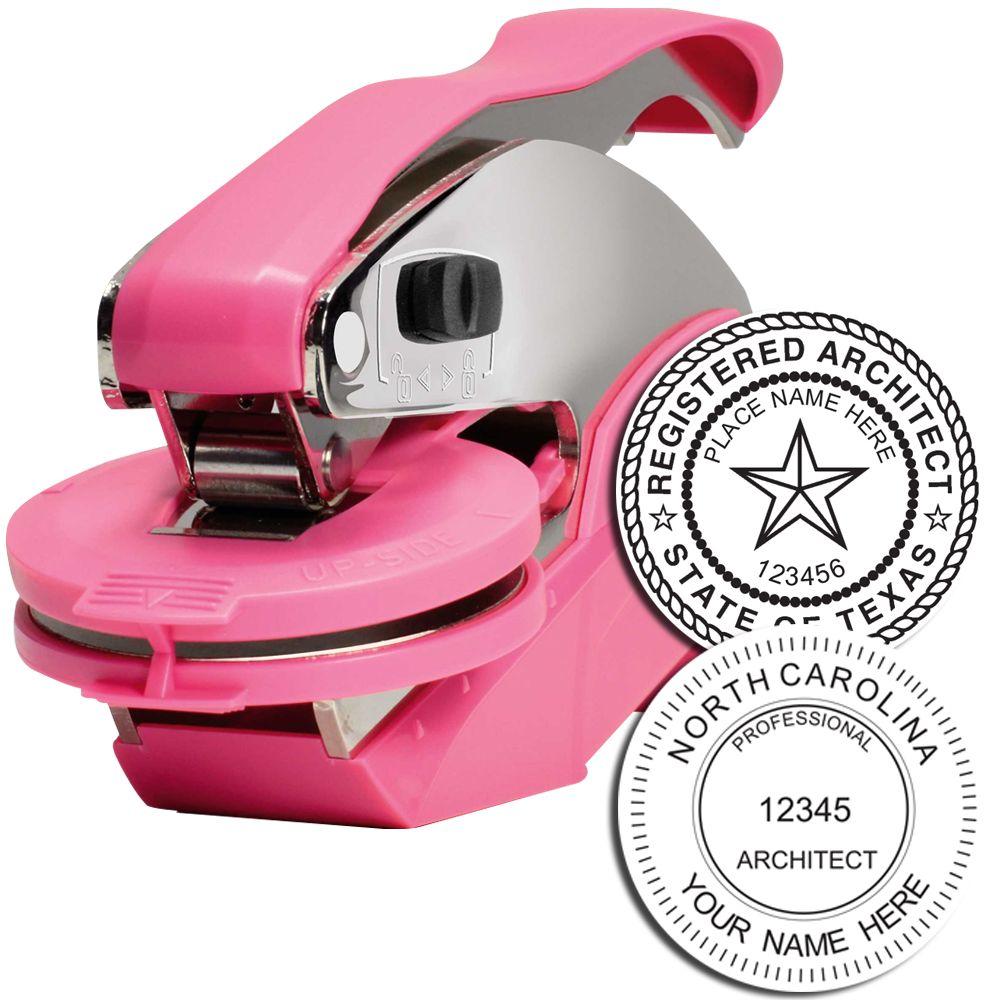
North Carolina names a federal standard, which most boards do not. Rule 21 NCAC 02.0206(e)(3) requires electronically signed files to carry an authentication code defined as a message digest under Federal Information Processing Standards 180-4. Paragraph (e)(2) requires the digital signature to be unique to the person using it, capable of verification, under the sole control of the person using it, and linked to the document so that it is invalidated if any data in the document changes. Paragraph (e)(1)(A) is the trap: “A scanned image of an original signature shall not be used in lieu of a digital or electronic signature.” Paragraph (e)(1)(B) requires the creation or placement date of the electronic signature to appear on the document the same way a manual date would, and (e)(4) makes the architect responsible for the security of the digital seal.
Renewal, lapse and retirement
G.S. 83A-11 governs expirations and renewals, and G.S. 83A-12 makes practice without a current license prohibited. The seal carries a license number and no expiration date, so renewal does not make the device stale and the number does not change. Nothing in 21 NCAC 02.0206 or in G.S. 83A-10 requires the seal to be destroyed or surrendered on lapse. What does change is authority: once the license is not current, sealing is prohibited practice.
Firm requirements
Yes, and it is a second physical seal. G.S. 83A-10(a) requires licensed architectural firms to use a firm professional seal approved by the Board in addition to the individual seal of the author. Rule 21 NCAC 02.0206(a)(3) fixes the firm design: the approved firm name and North Carolina between the circles, the firm license number in the innermost circle, with “Registered Architectural Corporation, North Carolina” for a professional corporation and “Registered Architectural Company” for a professional limited liability company, and the same 1 1/2 to 1 3/4 inch band. A sole proprietorship uses the individual seal only. Paragraph (a)(11) states where it goes: “The firm seal must be affixed in addition to the individual seal on the cover sheet.”
What to check before you order
Order an inked stamp 1 1/2 to 1 3/4 inches in diameter with two concentric circles. Outer circle: North Carolina and your name as licensed. Inner circle: your license number and the words Registered Architect. Leave room in the middle, because your original handwritten signature has to run across the face of each imprint and the date of affixation goes with it. If you practice through a professional corporation or a professional limited liability company, you need a second, Board approved firm seal in the same size band carrying the approved firm name, North Carolina and the firm license number, and it goes on the cover sheet alongside yours. Never order a signature stamp for North Carolina work, and do not rely on a scanned signature image in an electronic file.
Browse architect stamps and seals.
Frequently asked questions
Is an architect seal required in North Carolina?
Yes, and unusually broadly. G.S. 83A-10(a) requires every licensed architect to have a seal of a design authorized by the Board and to imprint all drawings and sets of specifications prepared for use in the State. Rule 21 NCAC 02.0206(a) adds that an architect shall seal his or her work whether or not the work is for an exempt project as defined in G.S. 83A-13.
What has to appear on a North Carolina architect seal?
Five items under rule.0206(a)(2): two concentric circles, with North Carolina and your name as licensed in the outer circle, and your license number and the words Registered Architect in the inner circle. Nothing about the face is optional, and the firm seal is a separate approved device with its own wording rather than a variant of yours.
What size is a North Carolina architect seal?
1 1/2 to 1 3/4 inches in diameter. Rule.0206(a)(2) states that band for the individual seal and (a)(3) repeats it for the firm seal. That is a stated range, which is unusual here: the engineer and surveyor board next door states no diameter at all, and the board’s own seal brochure does not repeat the figure. Order to the rule.
Can I use an embosser in North Carolina?
Rule.0206(a)(2) accepts a rubber stamp, an embossed seal, a computer generated seal or a similar permanent addition to the document. An inked rubber stamp is the practical buy, because your original handwritten signature has to run across the face of each seal imprint and the imprint has to survive reproduction into a permit set. An embosser alone leaves nothing for the signature to cross on a copy.
Can I use a signature stamp in North Carolina?
No. Rule.0206(a)(2) provides that “The original, handwritten signature of the individual named on the seal shall be considered part of an individual seal and shall appear across the face of each original seal imprint along with the date of affixation,” and (a)(9) closes the shortcut: “Signature reproductions such as rubber stamps, computer generated, or other facsimiles are not permitted in lieu of actual handwritten and hand dated signatures,” subject only to the digital signature route in paragraph (e). Paragraph (a)(4) separately bars pre-printed documents bearing a pre-printed facsimile of the signed and dated seal.
Where does the seal go on a North Carolina set?
Rule.0206(a)(5) places the seal on one original: on the cover sheet and on each design drawing, on the index page identifying each set of specifications, and on the index page of all other technical submissions.
What does not get sealed in North Carolina?
Three things. Paragraph (a)(6): “Presentation documents, such as renderings used to communicate conceptual information, shall not be sealed or signed.” Paragraph (a)(7) lets incomplete documents be released for interim review unsealed and unsigned if they are dated, bear the architect’s name and are marked to indicate the documents are for interim review and not intended for bidding, procurement, permit or construction purposes. Paragraph (c) allows post construction record drawings to go unsealed if properly labeled. Consultant sheets stay out of your hands altogether: (a)(8) requires them to bear the consultant’s seal and registration number and says they “shall not be sealed by the architect.”
What digital signature does North Carolina require?
A conforming one with a federal message digest. Rule.0206(e)(3) requires electronically signed files to carry an authentication code defined as a message digest under Federal Information Processing Standards 180-4. Paragraph (e)(2) requires the digital signature to be unique to the person using it, capable of verification, under the sole control of the person using it, and linked to the document so that it is invalidated if any data in the document changes. Paragraph (e)(1)(A) is the trap: “A scanned image of an original signature shall not be used in lieu of a digital or electronic signature.” Paragraph (e)(1)(B) requires the creation or placement date to appear on the document as a manual date would, and (e)(4) makes the architect responsible for the security of the digital seal. So a North Carolina architect has exactly two lawful options: wet ink, or a conforming digital signature.
What does the North Carolina firm seal look like?
Rule.0206(a)(3) fixes it: the approved firm name and North Carolina between the circles, the firm license number in the innermost circle, with “Registered Architectural Corporation, North Carolina” for a professional corporation and “Registered Architectural Company” for a professional limited liability company, in the same 1 1/2 to 1 3/4 inch band. A sole proprietorship uses the individual seal only.
Does my North Carolina seal go stale at renewal?
No. The seal carries a license number and no expiration date, so renewal does not make the device stale and the number does not change. G.S. 83A-11 governs expirations and renewals and G.S. 83A-12 makes practice without a current license prohibited. Nothing in rule.0206 or G.S. 83A-10 requires the seal to be destroyed or surrendered on lapse. What changes is authority: once the license is not current, sealing is prohibited practice.








